

Fixing 'Custom Binary Blocked by FRP Lock' on Samsung
📱 Facing 'custom binary blocked by FRP lock' on your Samsung? Learn how to safely bypass FRP, flash firmware properly, and get expert tips tailored for South African users.
Edited By
James Thornton
The 'string or binary data would be truncated' error is a common stumbling block when working with SQL Server or similar database management systems. This happens when an application tries to insert or update data that exceeds the column size specified in the database table. It’s a nuisance that usually pops up during data entry, batch imports, or application updates, causing processes to fail unexpectedly.
In South African business and tech settings, where data volumes and system integrations are growing rapidly, encountering this error can disrupt workflows, delay reporting, or even affect client-facing systems. Traders entering transaction details, analysts handling bulk data uploads, or brokers managing portfolios all face the risk of this truncation issue if data length limits aren’t carefully managed.

The error essentially acts as a safeguard. Rather than silently chopping off data and risking corruption or misinformation, the database engine throws an error to flag that the incoming data won’t fit the designated space. For example, if a user submits a client’s name with 60 characters into a column defined to hold only 50, the error will trigger. This forces the user or system to correct the size mismatch before proceeding.
Understanding exactly where the problem lies can be tricky, especially with large datasets or multi-column tables. The error message itself in earlier SQL Server versions was vague, not indicating which column caused the issue. This often led to tedious trial and error, or cumbersome manual checks.
Pinpointing the precise column and row causing this truncation is key to efficiently resolving the error without wasting time or risking data loss.
Modern versions of SQL Server provide better diagnostics, but practical knowledge of how to review table schemas, validate input length, and adjust data types or source data is invaluable.
In this article, we’ll break down why this error occurs, how to detect the troublesome data quickly, and outline practical steps to prevent or fix these errors—saving you from needless headaches in your database management tasks.
Understanding what causes the 'string or binary data would be truncated' error is essential for anyone managing databases, especially when working with SQL Server in South African business environments. This error pops up when there's an attempt to insert or update data that’s longer than what a database column can hold. You'll immediately know the issue is around data length, prompting you to review your data input or database schema. If ignored, this error can interrupt critical operations, whether updating customer details or importing large datasets.
Databases set limits on data length through fixed-length and variable-length fields. Fixed-length fields, like CHAR(10), always use the same storage size regardless of the actual content. So, if you store 'South Africa' in a CHAR(10) field, the database reserves space for all 10 characters even though 'South Africa' is 12 characters, which causes truncation. Variable-length fields, such as VARCHAR(50), store only the used characters plus a small overhead, making them more flexible. This distinction matters because using fixed-length fields for variable data can lead to wasted space or truncation errors.
Typical column data types like VARCHAR, NVARCHAR, CHAR, and NCHAR come with set limits. For instance, VARCHAR can hold up to 8,000 characters in SQL Server, while NVARCHAR supports up to 4,000 characters because it uses Unicode encoding. Unicode storage relates closely to the South African context, where languages with unique characters or accents demand NVARCHAR to avoid data loss or unreadable text. Knowing these limits helps you set appropriate column sizes to prevent truncation.
One common trigger is inserting values longer than the defined size. Imagine an application that takes a South African ID number input, defined as CHAR(13). If someone enters 15 characters by mistake, the database rejects it with the truncation error. It’s no good just cutting off the extra characters blindly; this could lead to invalid or meaningless data.
Updating columns with oversized input also causes this error. Say you want to update an existing customer’s address stored in a VARCHAR(50) field. If the new address is 60 characters long, SQL Server won't allow it and triggers the error. These issues often sneak in through user interface forms or scripts that don’t enforce input length checks.
Data import or migration can be equally problematic, especially when transferring data between systems with different schema definitions. For example, migrating customer contact details from an older system that used VARCHAR(100) columns to a new one with VARCHAR(50) fields will cause truncation errors if the data isn’t reviewed or pre-processed. The situation is more common during batch uploads or automated scripts, where a quick glance over data quality can save many headaches.
Truncation errors aren't just a nuisance; they impact data integrity and can disrupt business processes if left unaddressed. Spotting and understanding the triggers is the first step towards solid database management in any performance-sensitive South African operation.
In summary, knowing the nature of your database fields, the kind of data being processed, and common situations where data exceeds defined limits helps prevent 'string or binary data would be truncated' errors. This awareness leads to better schema design, cleaner data input, and smoother imports, all essential for reliable systems.
Pinpointing the origin of truncation errors is vital to resolving the "string or binary data would be truncated" message efficiently. It helps you avoid blindly guessing and patching problems only to find the error pops up somewhere else. Knowing exactly which part of your data or schema triggers this issue can save hours—even days—of frustration, especially in complex databases with many tables and columns.
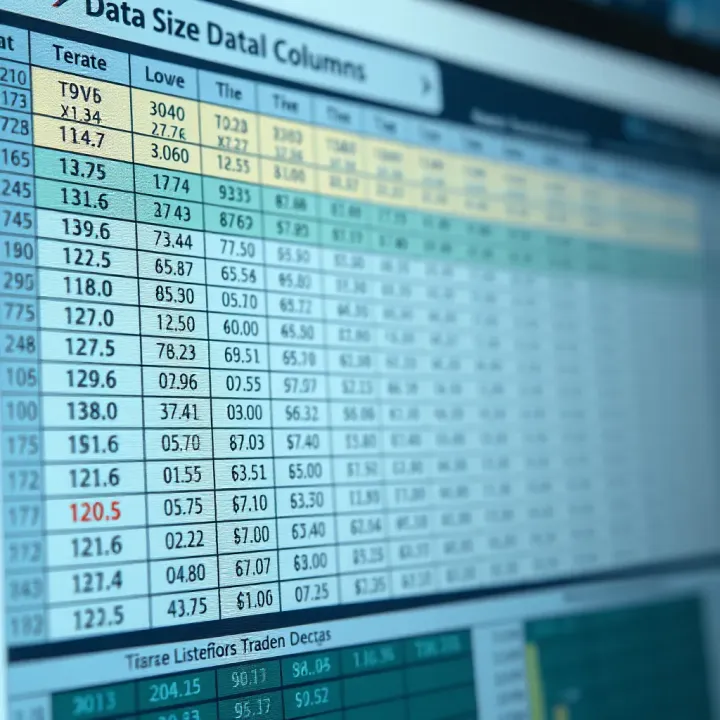
Checking column sizes and definitions is the logical first stop. Every column in your database comes with a size limit—for example, a VARCHAR(50) limits input text to 50 characters. If you try inserting a 60-character string, SQL Server will reject it with this error. When you review, confirm that the maximum lengths defined in your schema match the expected data size. Sometimes, a legacy database might have columns sized too narrowly because their original requirements were limited. In these cases, business needs might have evolved, and input data grew too big overnight.
Assessing character sets and encoding is often overlooked but equally important. Different character encodings reserve varying amounts of storage per character. For example, the difference between Unicode (NVARCHAR) and non-Unicode (VARCHAR) fields drastically impacts the true byte length of your data. South Africa’s multilingual landscape means there’s a need for special characters—like accents or isiXhosa click sounds—that require Unicode storage. If your columns use non-Unicode encoding but must store such characters, truncation can happen silently or unexpectedly.
Using SQL Server error messages and logs is the simplest way to start. Although earlier versions of SQL Server provided vague truncation errors, newer releases offer more details, sometimes naming the offending column or value. By closely analysing the error output, you can narrow down where the problem lies. Furthermore, checking the SQL Server error logs can reveal repeating issues during batch imports or application writes.
Running diagnostic scripts adds a powerful layer to troubleshooting. You can write T-SQL queries that compare the length of incoming data against the defined column sizes before insert or update operations. For instance, a SELECT statement scanning a staging table for values exceeding target column limits can expose problematic rows early on. This pre-emptive check means you catch truncation offenders before they cause errors further downstream.
Leveraging database management tools such as SQL Server Management Studio (SSMS), Redgate SQL Prompt, or native profiling utilities eases the process. These tools offer visual insights into table schemas, column lengths, and query execution monitoring. For example, with SSMS’s built-in profiler, you might spot an application’s insert operation suddenly failing on a particular column during peak load. Such focused feedback steers you directly to the data causing the issue.
Identifying the root cause of truncation prevents costly downtime, especially when handling large datasets or running high-transaction applications under South African business conditions.
By systematically reviewing schemas and using diagnostic tools, you can resolve "string or binary data would be truncated" errors faster, keeping your databases secure, performing well, and free of avoidable interruptions.
In day-to-day database work, preventing 'string or binary data would be truncated' errors saves a lot more headaches than scrambling to fix them after the fact. Tackling this issue involves a mix of adjusting the database design, improving how data is handled before it hits the database, and keeping a close eye during data migrations or imports. These practical steps help maintain data integrity, boost application reliability, and avoid costly downtime — all critical in high-stakes environments like finance, trading, and analytics where data accuracy is non-negotiable.
Altering column sizes without data loss demands cautious planning. When a column’s size proves too small for the data it needs to hold, expanding that column should be done during low-traffic periods to avoid locking issues or data corruption. For example, increasing a VARCHAR(50) field to VARCHAR(100) allows longer input without chopping off characters. Always back up your database before schema changes to avoid data loss, and test rigorously on staging to spot unintended side effects.
Considering data type changes goes beyond just resizing. Sometimes the solution involves switching from fixed-length (CHAR) to variable-length (VARCHAR) fields to save space and handle varying input sizes efficiently. Or, moving from non-Unicode to Unicode data types (e.g., NVARCHAR) supports languages with accents and special characters common in South Africa. However, converting data types can increase storage requirements and affect query performance, so assess these trade-offs carefully.
Implementing field length checks in applications is a frontline defence against truncation errors. By validating input lengths on the client side or within application logic, you prevent overly long data from ever reaching the database. For example, a stock trading platform accepting client names should limit input fields to match the database column sizes, signalling users with clear messages when input is too long. This reduces server errors and improves user experience.
Sanitising and formatting user input ensures data cleanliness and consistency. Before saving data, removing unwanted spaces, special characters, or trailing tabs avoids surprises during insertion or update. Particularly in multi-language environments with names containing accents or umlauts, normalising text to a consistent encoding format can prevent discrepancies that trigger truncation issues.
Pre-processing data files before import is essential when dealing with bulk operations. Tools that scan CSV or Excel files for oversized fields let you catch length problems early. For instance, if you import client addresses, checking that no entry exceeds the defined column sizes means you can fix or trim problematic rows locally before the database rejects them.
Monitoring batch job errors during migration allows timely reaction to truncation faults. Automated processes can flag records causing failures, enabling targeted fixes instead of blindly rerunning entire imports. Keeping logs and alerts makes it easier to track patterns, like recurring oversized inputs from specific sources, so you can refine data collection or adjust target schema accordingly.
Preventing truncation errors isn't just a quick fix — it’s about establishing robust routines that keep your data trustworthy and your operations smooth, especially given South Africa's diverse language needs and complex business data flows.
Character encoding plays a significant role in how data is stored, especially when dealing with strings in databases. It determines how many bytes each character will occupy, which directly impacts maximum data size and can trigger truncation errors if not managed properly. For traders, analysts, or consultants working with databases in South African contexts, understanding encoding is vital to prevent inefficient storage use and avoid unexpected errors.
Unicode and non-Unicode represent two major ways of storing text data. Non-Unicode data types like VARCHAR usually store each character as a single byte, which works well for English alphabets but falls short when you need to represent characters with accents or different scripts. Unicode types such as NVARCHAR use two bytes or more per character, allowing for a vast range of global characters but roughly halving the maximum number of characters you can store in a given field size.
Consider a VARCHAR(100) field: it can hold up to 100 ASCII characters. But an NVARCHAR(100) field actually holds up to 100 Unicode characters, which might use 200 bytes or more behind the scenes. This distinction matters when you hit database limits, and your data includes multibyte characters common in several South African languages.
A common pitfall involves mixing UTF-8 and UTF-16 encodings because these affect storage differently. UTF-8 is variable-length and efficient for English text, using one to four bytes per character. UTF-16 typically uses two or four bytes but is common in Microsoft environments. When a database expects UTF-16 but data is sent in UTF-8, or vice versa, miscalculations in storage size may occur, causing truncation. For example, emojis or certain rare characters can take multiple bytes, quickly filling up allocated space unexpectedly.
South African languages like isiZulu, isiXhosa, and Afrikaans include special characters or diacritics that aren’t covered by basic ASCII. These characters require multibyte encoding, especially in Unicode formats, so their storage size is larger than simple English letters. Without accounting for this, input data can easily exceed defined column sizes, causing truncation errors.
In practical terms, a name like "Thandolwethu" might store fine in a VARCHAR field if kept simple, but if accented or special characters appear, it needs Unicode support with a suitable field length. This also applies to imported data from multilingual sources where character sets are inconsistent.
Ensuring compatibility with multi-language databases means choosing appropriate character data types and testing data imports thoroughly. Fields defined as NVARCHAR with adequately sized lengths are safer bets in diverse South African applications where client data may include names, places, or remarks in any official language. Plus, regularly reviewing database collation and encoding settings helps avoid surprises and keeps data integrity intact.
Overlooking character encoding details can quietly breed truncation issues, so addressing them early saves time and headaches down the line.
By understanding how character encoding influences data size in databases, you can plan schema designs and data imports smarter, especially when handling South Africa's rich linguistic variety. This reduces the risk of encountering the "string or binary data would be truncated" error unexpectedly and stabilises your systems for reliable performance.
Adopting good design principles in database architecture is the best way to steer clear of truncation errors. When databases are properly structured upfront, you save time and prevent headache later, especially under South African business pressures where data integrity impacts decision-making and reporting.
Analysing typical data input length means understanding the range and size of values your database fields will realistically hold. For instance, a contact telephone column in a customer database should accommodate South African numbers with international dialling codes (e.g., +27) without being overly generous. By analysing existing data patterns or input samples, you can set sensible limits that prevent cutting off longer entries unexpectedly, minimising those pesky truncation errors.
Balancing storage and performance needs relates to choosing field lengths that make sense for your use case. Oversizing fields by default can slow queries and inflate database size, while undersizing causes truncation problems. Consider the example of an ecommerce store’s product descriptions: a 255-character limit might be enough for most but could restrict detailed specs on certain tech items. You want to avoid limiting data at the cost of performance, so think carefully about where flexibility matters most.
Adapting to changing business data requirements means your database schema shouldn’t be set in stone. South African trading patterns or customer behaviours evolve, and so should your data structures. A field that once held a straightforward state or province name might need expansion if you add international territories or new product categories. It’s wise to periodically revisit schema designs to keep pace with growth and changing transactional data.
Scheduling audits to detect potential truncation risks helps catch problems before they cause disruption in production. Regular checks, especially in high-volume environments like financial services or retail, identify fields where incoming data approaches or exceeds limits. Running diagnostic scripts or tooling to flag such risks ensures you can adjust schema or validation rules promptly, avoiding unexpected errors during critical operations.
Thoughtful database design combined with ongoing reviews forms the foundation of trouble-free data handling, ensuring you maintain accuracy and performance without the headache of truncation errors.
By following these practices, you avoid surprises and keep data flowing smoothly in South African businesses, from small startups to sprawling enterprises.
📱 Facing 'custom binary blocked by FRP lock' on your Samsung? Learn how to safely bypass FRP, flash firmware properly, and get expert tips tailored for South African users.

Learn how to convert decimal numbers to binary with clear steps, practical tips, and everyday examples 👨💻. Understand bits, bytes, and tech basics easily.

🔢 Learn how to convert hexadecimal numbers to binary with clear steps, examples, and tips perfect for coding or working with digital data in South Africa.

🔍 Discover how binary search finds items quickly in sorted lists, explore its uses, code tips, pros, cons, and how it stacks against other search methods 📊
Based on 5 reviews