
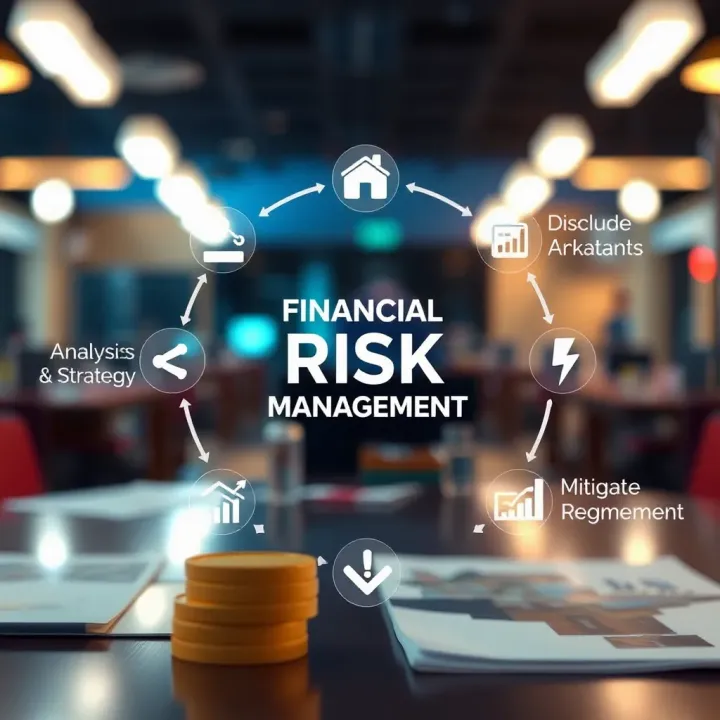
Financial Risk Management Courses in South Africa
📊 Explore top financial risk management courses in South Africa to boost skills in identifying, assessing, and reducing risks. Find the right course and career path here.
Edited By
Henry Carlisle
Safety risk management courses have become a must-have for companies and professionals aiming to create safer workplaces in South Africa. These courses equip you with the know-how to spot hazards, assess risks, and put measures in place to stop accidents before they happen. Especially in industries like mining, manufacturing, and construction, where the slightest slip-up can lead to serious harm, the right training is not just beneficial—it’s essential.
South African legislation, including the Occupational Health and Safety Act, requires employers to maintain safe working conditions, and completing recognised safety risk management training helps meet these legal obligations. Whether you're an investor looking at the risks tied to a potential project, a consultant advising businesses on compliance, or a broker managing insurance portfolios, having a solid grasp of safety principles can prove invaluable.
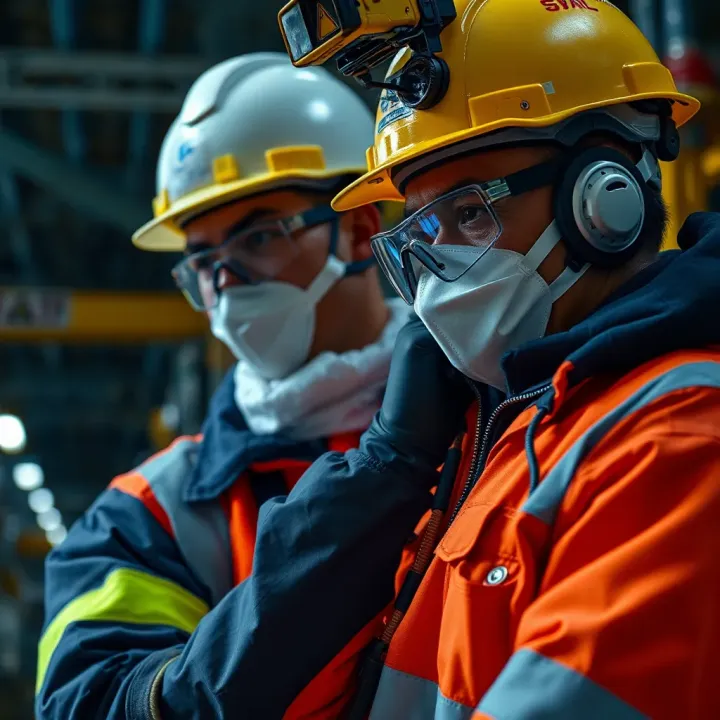
Proper safety training doesn’t just reduce injuries; it can save companies thousands in lost work hours, compensation claims, and damaged reputation.
Safety risk management courses in South Africa range from short workshops to in-depth programmes accredited by the Department of Labour. Most offer a practical approach focusing on real-world scenarios. For example, delegates might learn to conduct risk assessments on a factory floor or develop emergency response plans tailored to their specific work environment.
Choosing the right course depends on your industry, role, and current knowledge. Typical topics include hazard identification, risk evaluation methods, legal compliance, incident investigation, and developing mitigation strategies. Many courses also cover local challenges like managing risks during Eskom loadshedding or handling hazardous materials common to South African industries.
In short, enrolling in safety risk management training puts you ahead—not only helping protect lives but also ensuring your organisation ticks all the right boxes when it comes to safety compliance and operational efficiency.
Safety risk management in the workplace means identifying, evaluating, and controlling risks that could cause harm to people, property, or the environment. It’s about stopping accidents before they happen by spotting hazards and making sure there are effective precautions in place. For example, a warehouse might train staff to safely stack pallets or securely handle hazardous substances to prevent injuries or spills.
Typical hazards covered in safety training include physical risks like slips, trips, and falls; chemical hazards such as exposure to toxic substances; biological dangers from infectious agents; and ergonomic issues like repetitive strain injuries. These hazards vary depending on the industry. A mining operation will have different risks compared to an office environment, but both require thorough risk management.
Effective risk control hinges on a few key principles: identifying hazards early, assessing the likelihood and potential severity of harm, implementing suitable control measures, and monitoring their effectiveness. Controls can range from eliminating a hazard entirely to providing protective equipment. For example, replacing slippery floors with anti-slip materials cuts the risk at the source, while providing safety boots offers a protective barrier.
Managing safety risks directly impacts employee wellbeing and morale. When staff see their employer cares about their safety, they tend to be more engaged and productive. In contrast, ignoring risks can create anxiety, lowering job satisfaction and increasing absenteeism. For instance, a factory introducing clear safety protocols and regular toolbox talks can boost confidence among workers and reduce stress.
Preventing accidents also saves money. The costs related to injuries—medical bills, compensation claims, downtime, and reputational damage—can be hefty. A construction company that trains workers thoroughly on scaffolding safety often avoids costly delays and insurance claims caused by falls.
South African safety regulations, particularly the Occupational Health and Safety Act, require businesses to provide a safe working environment. This means employers must identify risks and take steps to control them. Non-compliance can lead to hefty fines or even shutdowns. Regular safety training helps businesses stay aligned with these legal requirements and prepares them for inspections by the Department of Employment and Labour.
A thoughtful approach to safety risk management not only protects lives but also strengthens your business foundation by ensuring compliance and cutting unnecessary costs.
By understanding these elements, companies and individuals can make smarter decisions about the safety risk management courses they choose, tailoring learning to their specific risks and compliance needs.
Understanding who should attend safety risk management training helps organisations focus resources on building a safer workplace. This is not only about meeting legal requirements under South Africa’s Occupational Health and Safety Act but also about empowering the right people with practical skills to identify hazards and reduce risk.
Safety officers and supervisors are at the frontline of workplace risk control. They oversee daily operations and enforce safety protocols, so having a good grasp of risk management boosts their ability to anticipate and respond to hazards effectively. For instance, a safety officer on a construction site trained in risk assessment can help spot potential fall hazards long before an accident occurs, improving site safety and protecting workers.
Line managers and team leaders may not be safety specialists, but they play a crucial role in guiding teams safely through tasks. Their training helps them balance productivity goals with safety, recognising when work conditions pose risks and taking prompt action. In industries like manufacturing, a team leader equipped with safety knowledge can better prevent accidents that cause costly downtime or injury claims.
Employees in high-risk industries such as mining, farming, or chemical processing directly face dangerous conditions daily. Safety risk management training equips them with awareness and practical skills to avoid accidents. For example, mine workers trained to identify unstable rock formations or equipment hazards reduce the likelihood of incidents, enhancing their own safety and that of their mates.
Construction and engineering firms operate in environments where hazards like working at height, heavy machinery, and electrical risks are common. Investing in safety training for staff reduces the frequency and severity of incidents, helping projects finish on time and budget. Also, well-trained teams show clients that the company takes health and safety seriously, which can influence tender outcomes.
Manufacturing and mining operations often face continuous safety challenges and legal scrutiny. Regular staff training helps maintain compliance with updated regulations and minimises costly interruptions caused by accidents or inspections. A mining company that routinely trains its operators in risk control is better positioned to manage its safety culture and reduce insurance premiums.
Service sectors with safety protocols—like hospitality, retail, and healthcare—may not have the same high-risk exposure but still benefit greatly from structured safety training. From managing slippery floors in a supermarket to handling biohazards in a clinic, trained staff help prevent everyday accidents, saving businesses money on compensation and boosting public confidence.
Safety risk management training is relevant far beyond traditional hazardous workplaces—any organisation that values the wellbeing of its employees and wants to protect its reputation should consider it.

By targeting the right individuals and teams, training programmes deliver practical safety improvements and support organisations’ broader objectives in compliance and productivity.
Choosing the right type of safety risk management course matters. It helps you focus on practical skills relevant to your workplace and industry. From quick workshops to full qualifications, the variety in course formats means you can find something that suits your availability, budget, and learning style.
Basic risk identification and assessment training kicks off understanding of how to spot hazards early. Think of it as equipping staff with eyes that never miss a loose wire or slippery floor. This foundational skill is handy across sectors, especially in construction, manufacturing, or warehouses where risks can pop up unexpectedly.
Accident investigation techniques focus on what to do after something goes wrong. These courses teach participants to look beyond blame and find the root cause — whether it’s a process failure, a faulty machine, or human error. Knowing how to investigate correctly helps prevent repeat incidents and can save the company hefty fines or downtime.
Emergency response and first aid courses train people to act fast and effectively during a crisis. Whether a colleague faints or there’s a fire breakout, this training ensures employees can provide basic medical support or evacuation assistance before professional help arrives. For workplaces in remote areas or with heavy machinery, this kind of readiness can be lifesaving.
National qualifications and unit standards align with the South African Qualifications Authority (SAQA) framework and Sector Education and Training Authorities (SETAs). Holding such credentials means you meet a national benchmark of competence, which is especially valued in industries regulated by the Department of Employment and Labour.
Safety management systems and auditing courses teach formal methods to monitor and improve workplace safety. Participants learn to evaluate current practices against standards, identify gaps, and develop action plans. This expertise is crucial for companies wanting to maintain ISO 45001 certification or prepare for municipal and sector inspections.
Sector-specific certifications tailor learning to industry-specific hazards. For instance, mining has unique dangers different from those in hospitality or retail. These certifications offer relevant scenarios and controls, making them practical and immediately useful. They help workers and managers speak the same safety language.
Flexibility and accessibility are key advantages online and blended courses offer. They allow employees in large, spread-out teams or rural settings to access training without losing work hours on long trips. For example, a remote mining camp employee can complete theory modules online and attend practical classes locally.
Practical components and assessments remain part of blended learning options to make sure skills are applied, not just memorised. Some providers send materials or arrange on-site visits to test learners’ competence in real-life settings. This keeps the learning credible and ensures compliance with SETA requirements.
Relevance for remote or busy learners means these courses fit into tight schedules. Workers juggling shifts or multiple responsibilities find that online lessons let them study at their own pace, from their phone or home. This approach is increasingly popular in service industries and SMEs that cannot afford prolonged staff absence.
Choosing the right type of safety risk management course depends on your workplace demands, staff availability, and compliance needs. Understanding the options ensures you make an informed investment in safety training that genuinely protects your team and business.
Choosing the right safety risk management course makes a real difference in how effectively your workplace manages hazards. A well-selected course matches your specific needs, ensuring staff gain relevant skills that improve safety culture and compliance. This helps reduce workplace incidents, avoid hefty fines, and even protect your organisation’s reputation.
It's essential to pick a training provider recognised by relevant sector bodies and the Sector Education and Training Authorities (SETAs). This recognition means the course meets national standards set by the Quality Council for Trades and Occupations (QCTO) or similar. For example, a SETA-accredited course in mining safety holds more weight than an uncertified workshop, giving you assurance it covers necessary legal and practical requirements.
Look closely at who delivers the training. Experienced trainers who have worked in the industry or have solid safety qualifications ensure the learning is credible and practical. For instance, a trainer with real-life experience in construction site safety can share insights beyond textbook theory, making training more relatable and valuable for your team.
Don’t overlook feedback from past clients. Genuine testimonials and case studies reveal how the course impacted other businesses, what challenges were addressed, and the real-world benefits gained. For example, a manufacturing firm noting fewer accidents after training indicates effectiveness, helping you make an informed decision.
Each workplace has unique risks, so training must reflect these. Customised courses focus on hazards specific to your environment — whether it’s chemical handling in a factory or slip/trip prevention in offices. Tailored content means employees get practical strategies directly applicable to their daily duties.
Effective courses balance classroom theory with hands-on sessions. Practical exercises, like mock drills or hazard inspections, reinforce learning and build confidence. For example, workers trained in emergency response gain valuable experience that purely theoretical courses might miss.
South Africa’s diversity means course content should consider language preferences and cultural context. Training in learners’ home languages or using familiar examples fosters better understanding and engagement. For instance, using isiZulu or Afrikaans materials for relevant groups shows respect for culture and enhances participation.
Course fees vary widely, so it’s wise to know what’s included — tuition, materials, assessments. A course costing R8,000 might seem pricey but could offer comprehensive materials and recognised certification. Weigh these factors to avoid surprises down the line.
Training means employees are off the floor, possibly impacting operations. Short courses or online options can reduce disruption. For example, a plant may schedule training during quieter periods or spread sessions over several days to balance workloads.
Though training costs add up, the long-term benefits often outweigh the initial spend. Improved safety reduces accidents, which lowers insurance premiums, legal risks, and downtime. Viewing training as an investment in operational stability makes budget decisions clearer.
Selecting the right safety risk management training is a thoughtful process — focusing on quality, relevance, and value ensures your organisation gains real protection and lasting improvements.
Completing safety risk management training brings real advantages that go beyond ticking a box for compliance. It builds a stronger safety culture, helps meet the legal framework set out by South Africa’s Occupational Health and Safety Act, and boosts business outcomes by reducing incidents and strengthening reputation.
Greater awareness and proactive behaviour arise naturally from structured safety training. When employees understand how to spot hazards and the consequences of ignoring them, they tend to act before accidents occur. For example, factory workers who spot malfunctioning machinery early on can alert supervisors before a breakdown causes injury or costly downtime.
Encouraging open reporting of hazards is another key outcome. Training teaches workers that reporting potential risks isn't about blame but preventing harm. This openness fosters a transparent environment where near-misses and safety concerns are raised without fear, leading to timely interventions that keep everyone safer.
Building responsibility at all levels means safety isn’t just a manager’s job. When all employees feel accountable for their surroundings, unsafe acts reduce. For instance, supervisors trained in risk management lead by example, and team members hold each other to high safety standards — creating a united front.
Meeting Occupational Health and Safety Act requirements is a legal must for workplaces. Formal training ensures staff understand their duties under the Act, such as hazard identification, risk assessment, and controls. This compliance isn’t just about avoiding penalties; it lays the groundwork for protecting lives.
Preparing for inspections and audits becomes more straightforward after training. Equipped with knowledge, companies can maintain records, administer regular risk assessments, and show inspectors documented safety procedures. This readiness helps avoid surprises and fines during Department of Employment and Labour visits.
Reducing legal liability risks is essential given South Africa's strict safety regulations. Proper training diminishes the chance of accidents that may lead to civil claims or criminal charges. Organisations with documented risk management processes can demonstrate due diligence to courts or compensation bodies if incidents do occur.
Lower downtime due to fewer incidents means the production line, construction site, or office keeps running smoothly. Avoiding disruptions caused by accidents saves money and protects delivery deadlines, which is vital in competitive sectors like manufacturing or logistics.
Positive image for clients and partners follows naturally from a safe workplace. Business customers and investors prefer suppliers who take health and safety seriously, reflecting reliability and professionalism. For instance, a construction firm known for strict safety standards is likelier to win big tenders.
Attracting and retaining skilled employees is easier when safety is a priority. Workers tend to stick with employers who invest in their wellbeing, and good safety records appeal to top talent. In industries with labour shortages, this advantage can't be overstated.
Safety risk management training isn’t just about compliance; it’s an investment in people, processes, and profits. The benefits ripple across workplaces, fostering safer environments and stronger businesses.
📊 Explore top financial risk management courses in South Africa to boost skills in identifying, assessing, and reducing risks. Find the right course and career path here.

Explore how risk management ⚖️ helps South African businesses identify, assess & control threats, ensuring decisions, compliance & continuity remain strong.
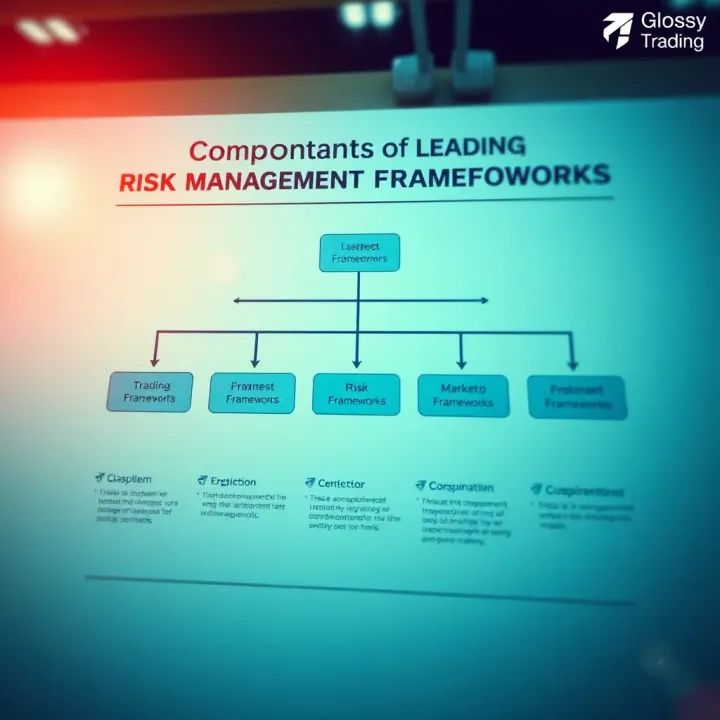
Explore key risk management frameworks 🛡️ to identify, assess & control risks in South Africa’s business environment. Practical tips for choosing the right approach.
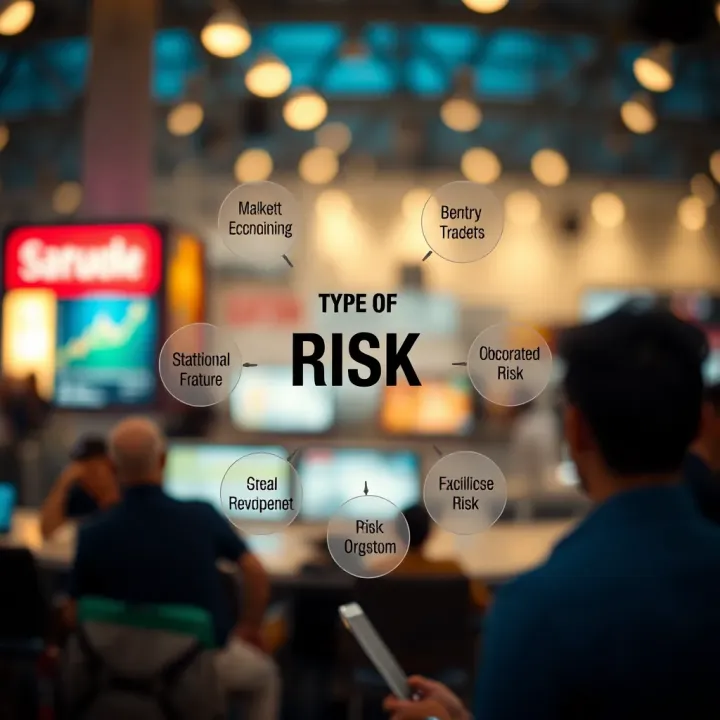
🔍 Discover how risk management shields businesses from threats, secures assets, and ensures long-term stability across industries in South Africa and beyond.
Based on 14 reviews