
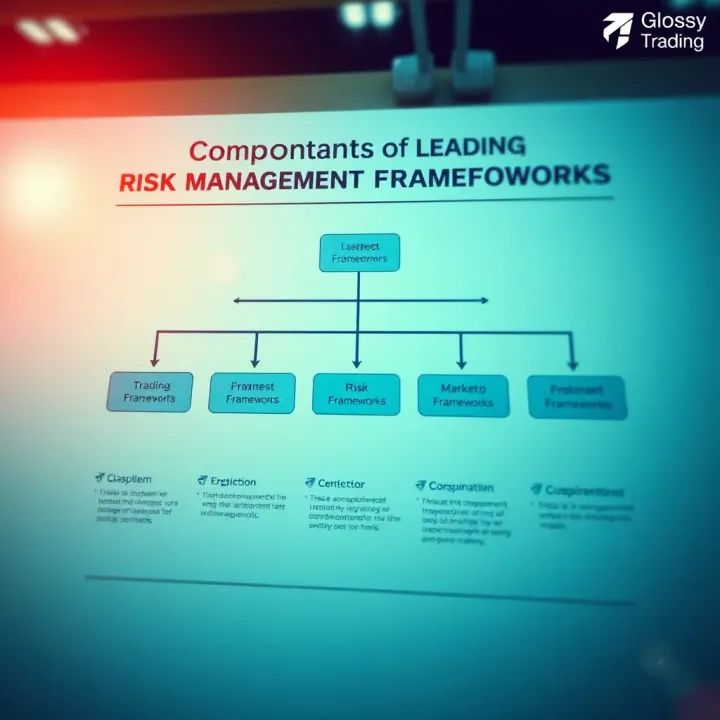
Understanding Risk Management Frameworks
Explore key risk management frameworks 🛡️ to identify, assess & control risks in South Africa’s business environment. Practical tips for choosing the right approach.
Edited By
Thomas Graham
Risk is part and parcel of any business, whether you're trading on the JSE or running a local manufacturing plant in KZN. Managing this risk properly isn’t just good sense — it’s essential for survival in a competitive, often unpredictable market.
A risk management framework acts like a blueprint for how an organisation identifies, evaluates, and controls potential risks. It lays out a structured approach, ensuring the process goes beyond gut feelings and guessing. For traders, investors, and consultants, understanding these frameworks means making smarter decisions, protecting investments, and spotting opportunities where others see only threats.
At its core, a good risk framework brings clarity to the chaos. It spells out responsibilities, timelines, and tools for spotting risks before they morph into big losses. Consider a mining company dealing with fluctuating global commodity prices and volatile exchange rates. A solid framework would help pinpoint exposure points, decide what to monitor closely, and determine when to hedge or adjust operations.
Establishing a clear risk management framework isn’t about eliminating all risk — it’s about making risk visible, manageable, and aligned with your business goals.
South African businesses face unique challenges such as loadshedding disruptions, regulatory compliance (like the Financial Sector Conduct Authority’s rules for financial services), and local supply chain constraints. Tailoring frameworks for these realities means risk plans must be agile and practical, not shoehorned from foreign templates.
In the sections ahead, we’ll unpack common models like COSO and ISO 31000, explore their main components, and explain how you can customise these frameworks with examples reflecting South African contexts. This foundation sets you up to implement risk control steps that reduce surprises and support confident decision-making.
In short, a clear grasp of risk management frameworks is non-negotiable if you’re serious about safeguarding assets and staying ahead in South Africa’s shifting business terrain.
Risk management frameworks offer a structured approach to identifying, assessing, and managing potential threats that can impact an organisation's objectives. They transform risk from an unpredictable nuisance into a manageable feature of daily operations. Without a clear framework, companies often react to risks in an ad hoc way, which can lead to costly missteps and missed opportunities.
At their core, risk management frameworks are organised sets of guidelines, processes, tools, and practices designed to embed risk awareness throughout an organisation. Think of it as a blueprint that shows how to spot risks early, evaluate their possible effects, and decide what to do about them. For instance, a South African financial services firm might use such a framework to systematically assess credit risk when lending to small businesses, ensuring they don’t expose themselves excessively in uncertain economic times.
These frameworks aren’t just dry manuals — they turn risk management from a box-ticking exercise into a continuous discipline that supports sound decision-making. A good framework clearly defines roles and responsibilities, such as who is accountable for monitoring market-driven risks versus operational risks, and the methods they use.
Frameworks play an essential part in transforming vague uncertainties into specific, manageable challenges. They help organisations keep a finger on the pulse of internal and external risks, from fluctuating commodity prices to regulatory changes by authorities like the South African Reserve Bank (SARB). Without a framework, risks can slip through unnoticed until they hit hard.
For example, an agribusiness affected by seasonal droughts can use a risk framework to plan ahead with crop insurance or alternative water sourcing, minimising losses when loadshedding also disrupts irrigation pumps. Frameworks encourage businesses to prioritise the biggest threats, so resources aren’t wasted chasing minor issues.
A risk management framework is more than policy; it is the backbone of resilient, forward-looking organisations, especially in volatile environments like South Africa's.
Moreover, frameworks foster transparency and communication. They enable everyone—from traders and analysts to brokers and consultants—to understand the risk posture, respond swiftly, and coordinate strategies. This clarity builds trust among investors and stakeholders, who favour companies with robust risk control.
In sum, risk management frameworks turn abstract threats into concrete risks you can measure, manage, and monitor. They’re vital for staying afloat in unpredictable markets and delivering sustained business success.
A risk management framework (RMF) isn’t just a tick-box exercise; it lays out the practical steps you need to spot, deal with, and keep track of risks. It helps organisations–from traders to investors and consultants–handle unpredictability with clearer heads. Let’s break down the core components every RMF should have, showing why they're essential and how they work together.
Before diving into risk itself, you need to understand where your organisation stands. Establishing the context means setting the scene—defining your objectives, internal environment, and external conditions. For example, a Johannesburg-based mining company faces different economic and regulatory environments compared to a Cape Town fintech start-up. The context includes legal factors (like SARS tax compliance), market conditions, and stakeholder expectations.
Having this clear picture directs what kind of risks matter most and shapes the focus of the risk framework. Without this foundation, risk management can be like shooting in the dark.

Next is spotting potential threats or opportunities—the heartbeat of risk management. Risk identification isn’t just about listing what could go wrong; it’s about finding where risks pop up across processes, projects, and strategies.
Once identified, each risk needs assessing by likelihood and impact. Traders, for instance, might rate currency volatility or loadshedding interruptions based on how often they occur and how badly they’d affect trades or client portfolios. Tools such as risk matrices help rank risks, allowing you to focus limited resources on the most pressing threats.
Having identified and assessed risks, the next step is deciding what to do about them. Risk treatment involves selecting measures to reduce, transfer, accept, or avoid risk. For example, a property investor may take out insurance to transfer risk from possible drought damage to surrounding infrastructure.
Control measures can include installing backup generators to counter loadshedding, tightening cybersecurity protocols after phishing attacks, or diversifying investments to spread financial exposure. Each treatment plan must balance cost, effectiveness, and the organisation’s appetite for risk.
Risk management isn’t a once-off task. Continuous monitoring helps capture new or changing risks and checks that controls work as they should. Imagine a logistics company tracking new traffic route challenges or updated municipal regulations that could affect delivery schedules.
Regular reporting ensures leaders and stakeholders stay informed, enabling timely decision-making. Reviewing the framework itself periodically is vital to adapt to shifting landscapes, technologies, or business models.
A robust RMF is an ongoing cycle, not a fixed checklist. Its strength comes from adapting to real-world shifts while keeping risks visible and manageable.
Together, these core components form a practical, action-oriented roadmap. They help businesses in South Africa—subject to unique challenges like loadshedding, fluctuating rand value, and diverse regulatory demands—navigate risk with structure and confidence.
Understanding widely recognised risk management frameworks helps businesses standardise approaches and measure risks consistently. These frameworks offer tested structures that accommodate various types of risk—from financial to operational and reputational. Their adoption can improve decision-making, regulatory compliance, and stakeholder confidence. South African traders, investors, and consultants benefit from frameworks that align with international best practices yet allow local adaptation.
ISO 31000 is the go-to international standard for managing risks systematically. It emphasises a flexible, principles-based approach rather than strict procedures, making it suitable across industries and geographies. For example, a Johannesburg-based financial firm could use ISO 31000 to assess credit and market risks while incorporating local economic factors like currency volatility and Eskom loadshedding risks.
What sets ISO 31000 apart is its focus on integrating risk management into organisational processes, not just treating it as a standalone function. It helps organisations create a risk-aware culture, ensuring everyone from top management to frontline staff understands their role in managing risk. This holistic view reassures investors and regulators that the business is well prepared for uncertainties.
The Committee of Sponsoring Organisations of the Treadway Commission (COSO) offers a more detailed enterprise risk management (ERM) framework widely used in the financial sector. COSO’s ERM framework identifies risk through components like governance and strategy-setting, which mesh well with South African companies adapting to stricter compliance demands, such as the Financial Sector Conduct Authority (FSCA) regulations.
COSO provides tools that link risk assessment directly to organisational objectives, helping businesses balance risk and reward. For instance, an asset management firm could use COSO guidance to evaluate risks related to investment portfolios and market disruptions while ensuring alignment with client goals and regulatory requirements.
Besides ISO and COSO, various other frameworks support niche or sector-specific needs. The King IV Report on Corporate Governance — widely respected in South Africa — integrates risk management with ethical leadership and sustainable business practices. It suggests embedding risk oversight into board responsibilities, which is key for listed companies on the JSE.
Additionally, standards like Basel III focus on banking risks, particularly capital adequacy and liquidity, crucial for financial institutions operating locally and internationally. Smaller businesses might also benefit from frameworks like NIST for cybersecurity risk or the Occupational Health and Safety Act’s guidelines for workplace risk management.
Selecting the right framework means weighing your company’s size, sector, regulatory environment, and risk profile. Combining these standards smartly can lead to a comprehensive, practical risk management system tailored to South African realities.
ISO 31000 builds a broad, flexible risk culture adaptable to local conditions.
COSO targets enterprise-level risk and aligns risk with business objectives.
King IV, Basel III, and NIST provide focused guidance for governance, finance, and cybersecurity.
Being familiar with these frameworks equips traders, investors, and consultants with tools to spot risks early and handle them confidently.
Risk management frameworks offer a solid foundation, but South African businesses need to tailor these frameworks to their local context for them to be effective. The specific regulatory environment, economic realities, and social conditions present here demand a customised approach rather than simply adopting global standards out of the box.
South Africa’s regulatory landscape shapes risk management practices substantially. Frameworks must align with laws such as the Protection of Personal Information Act (POPIA), Financial Intelligence Centre Act (FICA), and the Companies Act. For instance, financial institutions implementing risk controls must embed POPIA’s data privacy requirements, ensuring customer data is handled securely and breaches are promptly reported. Moreover, adherence to South African Revenue Service (SARS) rules around tax compliance and anti-money laundering regulations must be seamlessly integrated within risk procedures. Non-compliance can lead to hefty fines or reputational damage, which the framework should anticipate and mitigate.
The South African economy presents unique challenges and opportunities that shape risk considerations. Loadshedding by Eskom remains a significant operational risk, especially for manufacturers and IT firms reliant on continuous power supply. A risk framework must therefore incorporate contingency plans around power outages, such as backup generators or solar solutions, as well as financial buffers for unexpected costs. Additionally, fluctuations in the Rand, high interest rates, and variable fuel prices influence market risks and require ongoing monitoring within the framework. Infrastructure gaps such as poor road networks in some regions can also impact supply chains and logistics. By recognising these factors, businesses can design more realistic risk assessments and establish controls tailored to daily operational hurdles.
South African companies increasingly face social and environmental risks shaped by local realities. Labour unrest and strikes, common in certain sectors, can disrupt business continuity and must be factored into workforce risk strategies. Social inequality and community relations particularly affect mining and agriculture businesses, where failure to manage stakeholder expectations could lead to protests or regulatory scrutiny. Environmentally, water scarcity and climate change increasingly threaten operations and supply stability. Effective frameworks integrate these issues by incorporating community engagement, sustainability reporting, and environmental impact assessments as ongoing risk elements.
Successfully tailoring risk management frameworks to South African business needs strengthens resilience by reflecting real-world conditions: legal obligations, economic shifts, and social dynamics. This grounded approach ensures risks are not just theoretically identified but practically managed.
By focusing on these local considerations, traders, investors, and business consultants can make risk frameworks not just a tick-box exercise but a tool that genuinely safeguards South African enterprises against predictable and unforeseen challenges.
Implementing a risk management framework properly offers a roadmap to identify, assess, and control risks in any organisation. Without clear steps, even the best framework can fall flat, resulting in wasted time, resources, and potentially costly oversights. This section breaks down the essentials for solid execution, focusing on leadership, collaboration, tools, and continuous learning.
Leadership backing sets the tone for risk management success. Without buy-in from top management, efforts often stall or lack necessary resources. Leaders must define clear objectives aligned with the organisation’s strategy — for example, a mining company might prioritise safety and environmental compliance, while a financial institution focuses on credit risk and fraud. Establishing measurable goals upfront keeps the team focussed and accountable.
Risk is rarely confined to one silo. Bringing in stakeholders from finance, operations, compliance, and IT ensures a holistic view. Each department can highlight unique vulnerabilities and contribute practical insights. For instance, while IT flags cyber threats, operations might spot supply chain risks tied to infrastructure challenges. Regular risk workshops and cross-departmental meetings foster communication and prevent gaps.
There’s no one-size-fits-all toolkit for risk management. Choose tools that suit your organisation’s scale and complexity — from simple spreadsheets for small enterprises to specialised software platforms like Resolver or MetricStream for larger firms. Customise processes to fit your context; a retail chain in Gauteng may prioritise stock theft controls, whereas a KZN-based manufacturer focuses on compliance with environmental permits. Adaptation also involves considering local regulations such as the Financial Sector Conduct Authority (FSCA) guidelines.
Risk management isn’t set-and-forget. Continuous training keeps teams sharp on emerging threats and evolving best practices. Routine drills, refresher courses, and feedback sessions help maintain vigilance. For example, during peak season, staff handling stock need reminders on fraud detection measures. Over time, data from incidents and audits should inform updates to the framework, encouraging an agile approach rather than a rigid system.
Effective risk management depends as much on practical execution as on selecting the right framework. Leadership, collaboration, tailored tools, and ongoing learning make the difference between ticking boxes and truly managing risk.
Following these steps helps South African businesses survive local challenges like loadshedding, fluctuating exchange rates, or regulatory shifts while staying competitive and compliant.
Explore key risk management frameworks 🛡️ to identify, assess & control risks in South Africa’s business environment. Practical tips for choosing the right approach.
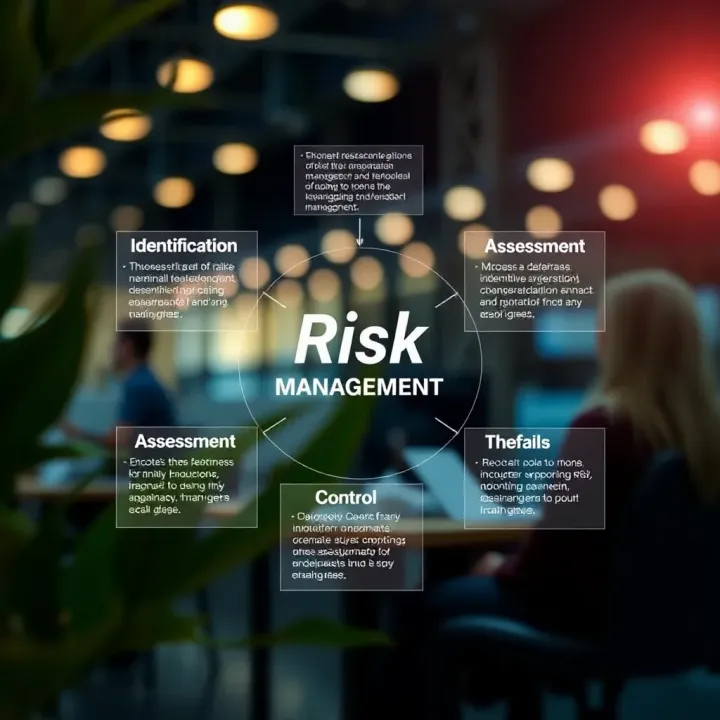
Explore how risk management ⚖️ helps South African businesses identify, assess & control threats, ensuring decisions, compliance & continuity remain strong.
Explore how South African businesses identify, evaluate & tackle risks with effective strategies for protecting assets and managing uncertainty effectively. 🔍⚖️

Explore practical risk management principles and strategies 📊 to identify, assess, and control risks effectively in South African businesses and daily life.
Based on 11 reviews