
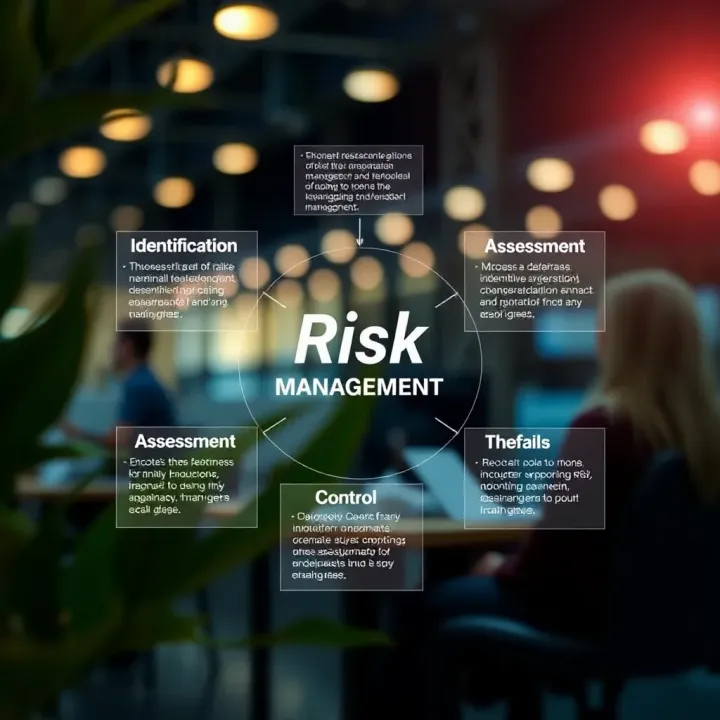
Understanding Risk Management Functions
Explore how risk management ⚖️ helps South African businesses identify, assess & control threats, ensuring decisions, compliance & continuity remain strong.
Edited By
Sophie Reynolds
Risk management is a fundamental part of business and investing—especially in South Africa’s unique economic climate. It involves spotting potential problems before they materialise and putting measures in place to either reduce their impact or avoid them altogether. Without a proper grasp of risk management, even solid ventures can collapse under unforeseen pressures.
In everyday practice, risk isn’t just about dodging losses; it’s about understanding uncertainty and making decisions that protect your interests while allowing for growth. Whether you’re trading shares on the JSE, consulting for a new infrastructure project in Gauteng, or managing a small enterprise in Durban, managing risk effectively is key.

Risk management helps you take the guesswork out of decision-making and equips you with tools to safeguard your assets.
Risk management is a structured approach to identifying, analysing, and managing potential threats to your business or investment objectives. It doesn’t promise to remove risk completely but helps to control it and make informed choices.
South Africa’s environment is complex: factors like loadshedding, fluctuating currency values, regulatory changes, and crime all contribute to risk profiles. For instance, a mining company in the Northern Cape must consider power disruptions and political shifts while an urban-based retailer needs to plan around supply chain interruptions and cash flow risks.
Identify Risks: Look for anything that could impact your goals negatively—economic shifts, supplier delays, or even reputational damage.
Assess Risks: Evaluate how likely these risks are and what their consequences could be. Use both qualitative insight and quantitative data when possible.
Plan Responses: Decide whether to avoid, reduce, transfer, or accept each risk based on impact and cost.
Monitor and Review: Risks evolve, so keep an eye on changes and update your strategies accordingly.
By applying these steps, traders can better control exposure to market volatile swings. Analysts can provide more grounded advice. Brokers and consultants can guide clients through uncertain terrain with confidence.
Understanding risk management with a local lens means recognising the real-world factors that shape outcomes in Mzansi, enabling sound strategies that build resilience and opportunity.
Risk management is not just a corporate buzzword; it's a vital practice that helps organisations stay afloat when unexpected events come knocking. At its core, risk management means identifying potential problems before they blow up, assessing how serious they could be, and putting measures in place to either prevent or lessen their impact. Whether you're a trader scrutinising market volatility or a consultant recommending strategies, understanding risk management helps you make informed decisions and protect your investments.
In practical terms, risk management is about spotting trouble spots early. Take a small investment firm in Johannesburg that deals with Forex trading. They use real-time data to identify currency swings that could affect their portfolios. By setting stop-loss orders, they cap potential losses before the market moves too far against them. This is risk management in action—it's not about avoiding risk altogether but managing it to acceptable levels.
Similarly, an analyst working for a retail chain might identify supply chain disruptions due to loadshedding or municipal strikes. By planning alternative suppliers or adjusting inventory levels ahead of time, the company stays ahead of potential losses. Those steps exemplify how managing risk in daily operations prevents costly surprises.
Ignoring risk can be costly, both financially and reputationally. South African organisations face unique challenges like regulatory changes, economic uncertainty, and infrastructure constraints. For instance, failing to plan around Eskom’s loadshedding schedules can halt production lines, leading to missed delivery deadlines and unhappy clients.
By actively managing risk, businesses gain resilience and agility. Risk management allows you to:
Make better business choices by weighing potential downsides.
Safeguard assets and investments from avoidable damage.
Meet regulatory and compliance requirements, avoiding penalties.
Build trust among investors, clients, and stakeholders.
Plan for contingencies rather than being caught off guard.
Effective risk management isn’t about predicting the future perfectly; it’s about preparing for likely scenarios so your organisation can adapt and keep going when things get shaky.
In summary, defining risk management and recognising its purpose helps traders, brokers, and analysts appreciate the value of proactive planning and control. It transforms uncertainty from a threat into a manageable factor, ultimately improving decision-making and securing business sustainability.

Understanding the core elements of risk management helps traders, investors, analysts, brokers, and consultants make informed decisions without leaving anything to chance. These elements form a cycle that guides how to spot threats, judge their impact, act on them, and keep an eye on how things change over time.
The initial step involves spotting risks that could unsettle your operations or investments. This means taking a hard look at internal systems and external forces – think market fluctuations, regulatory changes in South Africa, or even something local like an unplanned loadshedding stage interrupting trading platforms. For example, a stockbroker noticing rising political unrest in a province might flag it as a risk to client portfolios.
Once risks are identified, they need to be assessed. This isn’t just about listing them but gauging their likelihood and potential fallout. A practical tool here is a risk matrix, which helps you rank issues from ‘unlikely’ to ‘almost certain’ and gauge damage from ‘minor’ to ‘severe’. Prioritising risks means resources get focused where they’ll make the most difference. For instance, an analyst may find currency volatility risk more urgent than minor supplier delays.
After priority risks are clear, it’s time to chart ways to deal with them. Responses can be avoidance, reduction, transfer, or acceptance, depending on the situation and cost-benefit balance. Controls might include hedging strategies for foreign exchange exposure, updating compliance checks for new SARS regulations, or creating contingency plans against data outages. An informed response plan reduces surprises and sets clear steps when risks turn real.
Risks rarely stand still, so continuous monitoring is a must. This means regularly reviewing the status of known risks and scanning for new ones. Markets shift, regulations update, and operational factors like loadshedding stages can worsen or improve. Using dashboards or regular risk meetings keeps the team aware and ready to adjust controls. For example, a consultancy might set monthly reviews to update risk assessments based on latest economic reports or company changes.
Effective risk management isn’t a one-time task but a continuous cycle essential for protecting investments and business health in South Africa’s dynamic environment.
Keeping these core elements working smoothly can help you stay ahead of threats and safeguard your efforts in a pragmatic, grounded way.
Risk management hinges largely on the methods and tools organisations use to spot, weigh up, and manage their risks. These techniques help translate what might seem like vague threats into clear, manageable parts. Three key tools frequently employed are risk matrices and heat maps, qualitative versus quantitative assessment methods, and software for documenting and tracking risks — including handy PDFs.
Risk matrices are visual grids that help map the severity and likelihood of potential risks. By plotting these two dimensions, you quickly see which risks need urgent attention and which can be monitored but might not demand immediate action. Heat maps take this a step further by using colour coding to highlight risk priority visually.
For instance, a Gauteng-based logistics firm may use a risk matrix to assess delays caused by load shedding. They might plot the likelihood of a power outage against the impact on deliveries. Red zones on the heat map tell them when outages could seriously disrupt the supply chain. This simple visual makes it easier to communicate risks across teams and justify budget for backup generators.
When evaluating risks, you can either use qualitative or quantitative approaches — or a mix of both. Qualitative assessments rely on expert judgement, interviews, and experience. They’re great for quickly grasping risks in ambiguous settings or when data is sparse. For example, consultants might interview project managers to gauge potential regulatory risks in a new enterprise development.
Quantitative methods, on the other hand, use numerical data, models, and statistics. An investment analyst might calculate the probability of a currency fluctuation impacting a deal in rand value, drawing from historical exchange rates and economic indicators. Quantitative methods offer precision but require quality data and technical know-how.
Choosing the right approach depends on the risk’s nature, available data, and time constraints. Often, blending both gives a fuller picture and supports stronger risk decisions.
Technology makes risk management more manageable and trackable. South African firms often use platforms like Resolver, LogicManager, or SAP GRC to centralise risk information. These tools record risks, assign responsibility, monitor controls, and generate reports.
Documentation remains vital, especially formats like PDFs which provide a consistent, professional way to archive risk plans and reports. A well-crafted risk management PDF might include:
An executive summary
Risk register with descriptions and ratings
Action plans and assigned owners
Review dates and status updates
Using PDFs ensures documents look the same everywhere—whether viewed on desktops in Cape Town or tablets at a Johannesburg indaba. Plus, PDFs can be password-protected to keep sensitive info under wraps.
Clear, visual tools combined with reliable software and thorough documentation empower organisations in South Africa to handle risks with confidence, whether dealing with shifting market conditions or local hurdles like loadshedding.
Together, these techniques and tools build a practical framework for understanding and controlling risks effectively in a real-world business setting.
Understanding risk management with a South African lens is essential because the country's unique economic, social, and regulatory landscape shapes how risks arise and must be tackled. Local factors like regulatory frameworks, infrastructure challenges, and socio-economic dynamics demand tailored strategies, not just generic ones.
Different sectors face very specific risks that need individual attention. In mining, for example, operational safety and environmental compliance are not just regulatory requirements but ongoing challenges. A gold mine in Gauteng might deal with risks such as rockfalls and fluctuating commodity prices, along with community relations linked to land use.
Retail businesses, on the other hand, must navigate rising crime levels affecting supply chains and stores. The impact of load-shedding on refrigeration and point-of-sale systems adds extra layers of complexity. Meanwhile, a finance firm operating in Johannesburg will focus heavily on cyber risks and ensuring compliance with the Protection of Personal Information Act (POPIA).
Acknowledging these differences means risk assessments can be far more accurate, helping businesses avoid costly blind spots and react quickly when issues arise.
Loadshedding remains a constant hurdle across industries. Effective risk management involves planning for power interruptions by investing in backup power options such as generators or solar-battery systems. For example, a small manufacturing firm in Durban might schedule production runs around expected loadshedding stages or maintain critical equipment on uninterrupted power supplies to minimise downtime.
Regulatory compliance also needs close attention. South Africa’s regulations––from environmental mandates to labour laws––are strictly enforced, and non-compliance can lead to hefty fines or reputational damage. Risk management here is about staying ahead with regular audits and training, ensuring that any change in legislation doesn’t catch businesses off guard.
South African businesses that integrate local realities into their risk plans are better positioned to protect assets, sustain operations during disruptions, and maintain customer and stakeholder trust.
Putting it all together, it’s clear that risk management isn’t one-size-fits-all. Customising approaches to South African conditions helps organisations handle risks smartly. Traders, investors, and analysts operating locally must keep their eyes on these factors if they want to make sound, well-informed decisions.
Managing risk effectively in any business or investment setting relies heavily on clear, accessible documentation. PDFs have become a staple format for these purposes because they preserve formatting, are widely supported across devices, and can easily be secured and shared. For South African traders, investors, analysts, and consultants, creating and using risk management PDFs the right way makes all the difference when communicating risk profiles, controls, and strategies to stakeholders.
A robust risk management PDF should include several critical sections to ensure nothing essential slips through the cracks. These include:
Executive Summary: A brief overview summarising the main risks, their potential impact, and the overall approach taken to mitigate them.
Risk Identification: Clearly list the risks identified, categorised by type (financial, operational, regulatory, etc.). For instance, a mining firm in Gauteng might highlight environmental compliance risks alongside fluctuating commodity prices.
Risk Assessment: Use qualitative or quantitative methods to describe the likelihood and severity of each risk. This section often includes a risk matrix or heat map to visualise priority areas.
Mitigation Measures: Detailed strategies or controls established to reduce risks. An example could be contingency plans for Eskom loadshedding stages to keep production running.
Monitoring and Review Procedures: Explain how risks will be tracked over time, who is responsible, and the reporting frequency.
Appendices: Supporting data, terms definitions, or relevant policies.
Documenting these components thoroughly and logically sets a solid foundation for understanding and acting on risk.
Writing risk management PDFs demands clarity to avoid unnecessary confusion or misinterpretation. Here are some practical tips:
Use Simple Language: Avoid jargon where possible. For example, instead of writing "strategic risk exposure optimization," say "managing risks that could affect our long-term goals."
Keep Sections Concise: Break content into manageable chunks with descriptive headings for quick reference.
Visual Aids: Incorporate charts or tables like heat maps, especially to illustrate risk prioritisation.
Consistent Formatting: Use a standard font, spacing, and bullet styles throughout. This professionalism aids readability.
Accessible Files: Ensure the PDF isn’t locked behind cumbersome passwords unless necessary, and keep file size reasonable for easy sharing.
Clear risk documentation not only guides internal decision-making but also reassures investors and regulators that risks are understood and being managed effectively.
For example, a local investment firm sharing their risk assessment PDF with clients benefits from well-organised, upfront summaries and visual prioritisation tools, fostering trust and transparency. In the South African environment, where regulatory compliance and operational disruptions like loadshedding can impact business, this disciplined approach to documenting risks pays off.
Creating and using risk management PDFs effectively equips your team and partners to make informed decisions, stay ahead of challenges, and navigate uncertainties with confidence.
Explore how risk management ⚖️ helps South African businesses identify, assess & control threats, ensuring decisions, compliance & continuity remain strong.
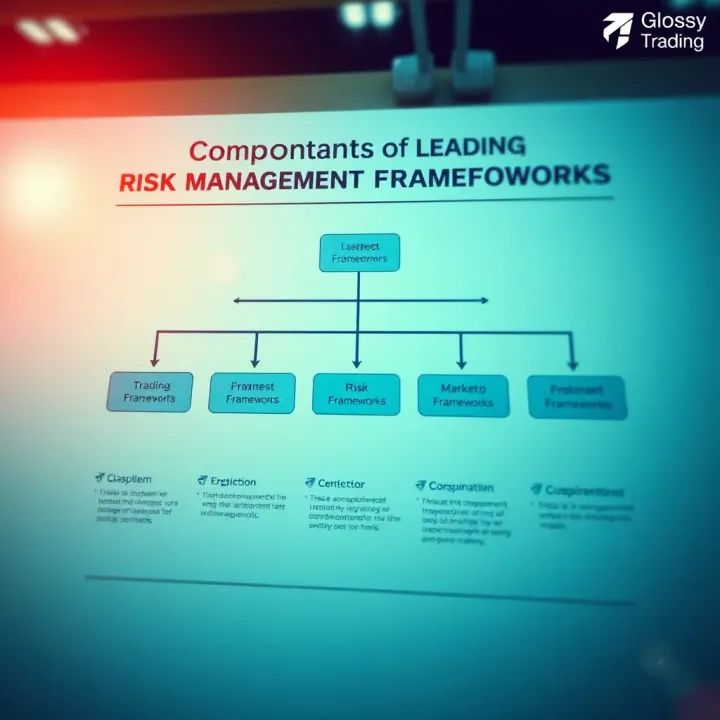
Explore key risk management frameworks 🛡️ to identify, assess & control risks in South Africa’s business environment. Practical tips for choosing the right approach.
Explore how South African businesses identify, evaluate & tackle risks with effective strategies for protecting assets and managing uncertainty effectively. 🔍⚖️

Explore practical risk management principles and strategies 📊 to identify, assess, and control risks effectively in South African businesses and daily life.
Based on 13 reviews