
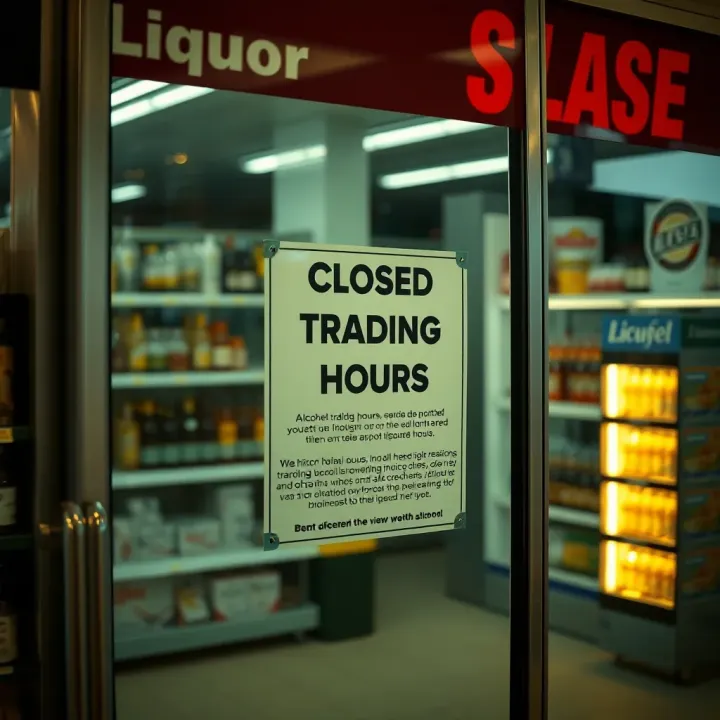
Alcohol Trading Hours in South Africa Explained
🍺 Discover South Africa's alcohol trading hours, including provincial rules, recent health-related changes, enforcement issues, and effects on businesses and customers.
Edited By
Isabella Thornton
Alcohol trading hours in South Africa are set within a legal framework designed to balance social considerations with business interests. These regulations govern when licensed outlets can sell alcoholic beverages, shaping everything from daily retail operations to wider economic activity.
Each province can set its specific trading hours, resulting in notable regional differences. For example, Gauteng allows alcohol sales from 09:00 to 18:00 on weekdays and 09:00 to 15:00 on Sundays, but in KwaZulu-Natal, trading may start later or end earlier depending on local by-laws. Businesses therefore need to stay alert to provincial legislation to avoid penalties.
Licensed premises that fail to respect these hours risk fines, licence suspension, or even cancellation. Staying compliant ensures smoother operations and helps maintain community trust.
Trading hours typically exclude certain periods like early mornings or late nights, affecting bars, retail outlets, and restaurants differently.
Public holidays often come with adjusted or restricted alcohol sales to curb excessive consumption.
Loadshedding can disrupt supply chains and sales patterns, leading some retailers to adapt by adjusting stock or trading hours temporarily.
Recent debates have also focused on whether easing trading hours could benefit businesses without harming social order. Investors and analysts keep a close eye on such discussions, as any legal change impacts market dynamics in retail and hospitality sectors.
Ultimately, understanding the patchwork of national and provincial rules on alcohol trading hours equips businesses and investors to plan better, navigate compliance challenges, and respond to evolving consumer demand in South Africa's complex regulatory environment.
Understanding the legal framework is essential for anyone involved in the sale or distribution of alcohol in South Africa. It sets the boundaries within which businesses must operate to avoid penalties and ensure compliance. Navigating these laws helps traders minimise risk, plan trading hours effectively, and keep operations running smoothly.
The Liquor Act 59 of 2003 is the backbone of South Africa’s alcohol trading regulations. This national law governs how liquor licences are issued and sets minimum standards for selling alcohol. While it doesn’t specify trading hours directly, it empowers provincial governments to impose specific restrictions. For example, the Act mandates that licence holders must comply with conditions stipulated by licensing authorities, which often includes set trading times.
Importantly, the Liquor Act ensures that alcohol sales are controlled to promote public safety and order. Failure to adhere to its provisions can lead to licence suspension or cancellation, which underlines why businesses need to understand the act fully.
South Africa’s provinces have a significant role in setting trading hours through their own liquor acts or by-laws. Since alcohol consumption and sale affect local communities differently, provinces tailor regulations to suit their social and economic contexts.
For instance, Gauteng typically permits alcohol sales from 9 am to 6 pm on weekdays, while the Western Cape limits sales to between 9 am and 11 pm in major urban areas. KwaZulu-Natal may impose stricter controls in certain municipalities as part of their broader public health strategy. These differences mean businesses must keep track of provincial legislation to avoid inadvertent breaches.
There are several types of liquor licences, each with its own trading permissions. Retail licences allow alcohol sales to consumers for off-site consumption, while on-consumption licences permit drinking on the premises, such as in bars or restaurants. Wholesale licences relate mainly to supplying smaller traders rather than direct sales.
The licence type affects permitted trading hours. For example, on-consumption licences might allow later trading hours than retail licences. Traders must apply for the correct licence type matching their business model and plan their operating times accordingly.
Trading hours aren't just about opening and closing times; licence conditions often specify exact hours during which alcohol may be sold or served. These might include restrictions on public holidays or specific days of the week.
For example, a retail liquor store might be allowed to trade only between 9 am and 6 pm Monday to Saturday but be prohibited from selling on Sundays or public holidays. Conditions can also include risks like noise restrictions or community complaints leading to tighter controls. Compliance with these conditions is critical to retain a licence.
Businesses ignoring or misunderstanding their licence conditions on trading hours risk fines, licence suspension, or worse. Staying updated on both national and provincial rules safeguards operations and reputation.
In summary, the legal framework around alcohol trading hours combines national liquor legislation with provincial regulations and individual licence conditions. Traders need to consider all these layers carefully to operate effectively and legally across South Africa.
Understanding the variations in alcohol trading hours across South African provinces is crucial for traders and investors. These differences reflect each province's unique social, economic, and regulatory environments. For businesses, knowing the specific rules helps avoid costly breaches and optimise trading schedules.
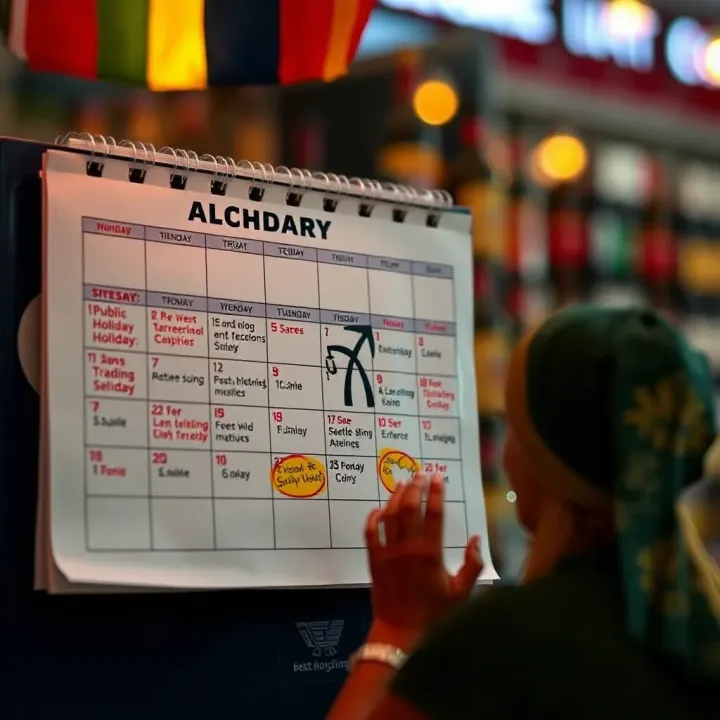
Gauteng follows fairly standard trading hours for alcohol sales, generally permitting retail liquor stores to operate between 9 am and 9 pm. However, on Sundays and public holidays, these hours can be shortened, often ceasing sales by 1 pm noon. For businesses in Johannesburg or Pretoria, aligning operations with these limits ensures compliance and avoids fines. For instance, retailers commonly adjust staffing on Sundays to match reduced hours, preventing unnecessary operational costs.
The Western Cape has tighter restrictions due to a history of alcohol-related social challenges. Trading hours typically run from 9 am to 6 pm on weekdays and Saturdays, with Sunday sales either prohibited or restricted in some municipalities. Cape Town venues, particularly in the CBD, often face additional curfews for on-premises consumption, closing earlier than off-site sales outlets. This reality impacts stock turnover and requires careful inventory planning, especially for suppliers servicing local bars and restaurants.
KwaZulu-Natal applies moderately strict trading hours but provides some flexibility. Liquor outlets can generally sell alcohol between 9 am and 6 pm on weekdays and Saturdays, with restrictions on Sundays and certain public holidays. However, municipal by-laws in Durban and Pietermaritzburg sometimes add extra curbs, such as prohibiting late-night sales in specific areas to curb alcohol abuse. For liquor businesses, understanding these layered restrictions is key to maintaining community goodwill while adhering to the law.
Beyond provincial legislation, local municipalities have the authority to impose their own by-laws influencing alcohol trading hours. These local rules often reflect community concerns about safety and public order. Municipalities may adjust trading times independently, leading to tighter restrictions in certain towns or suburbs compared to broader provincial guidelines. For example, a municipality could limit alcohol sales to daytime hours only in areas experiencing high crime rates.
In some locales, such as certain parts of Ekurhuleni or Buffalo City, municipal by-laws impose stricter trading hours than the provincial norm. These can include prohibiting liquor sales after 6 pm or banning Sunday sales entirely. Such limits affect business planning—liquor stores and taverns must adapt marketing and stocking strategies to shorter trading windows. Traders should consult local municipality regulations regularly since these by-laws can change with little notice, influenced by shifts in local politics or social issues.
Staying aware of provincial and municipal variations helps alcohol-related businesses operate within the law, avoid penalties, and serve their communities responsibly.
By considering these differences, traders and investors gain a practical edge, ensuring compliance while optimising their sales strategies amid South Africa's diverse regulatory landscape.
Alcohol trading hours in South Africa don’t function within a static framework. Instead, these hours shift in response to several external factors that affect how and when retailers can operate. Understanding these factors is key for anyone involved in the alcohol trade—whether you’re a trader, investor, broker, or consultant—because they directly influence sales volumes, compliance, and overall business strategy. Two main drivers behind these shifts are special calendar events like public holidays and the ongoing impact of Eskom loadshedding, both of which can change the normal course of business.
During certain public holidays or special events, provincial authorities may permit extended trading hours to accommodate heightened demand. For example, during the festive season in December or major sporting events, some provinces might allow alcohol sales later into the night. This can offer a lucrative opportunity for retailers, but only if they track these temporary extensions closely and adjust staffing and stock accordingly.
On the flip side, there are situations when trading hours are shortened. For instance, election days or national memorials can involve early closing times or complete trading suspensions. Retailers ignoring these limits risk fines and licence suspensions, which underscores the practical importance of staying current with official announcements about such days.
Temporary bans on alcohol sales often come into effect during special public health or safety concerns. The COVID-19 lockdowns saw extended periods where alcohol sales were prohibited, disrupting the industry profoundly. While these bans are usually short-lived, they demonstrate how quickly and drastically trading hours can be altered by government intervention.
Apart from health reasons, temporary bans can also be imposed following violent incidents or public disorder linked to alcohol abuse. Authorities use these measures to restore order, but they cause immediate loss of income for retailers. For traders, anticipating such risks should factor into financial planning, highlighting the delicate balance between regulatory compliance and commercial viability.
Loadshedding—South Africa’s scheduled power cuts by Eskom—has become a reality businesses must navigate daily. These disruptions can force alcohol retailers to alter their trading hours, typically closing earlier than usual due to lack of lighting or refrigeration. For example, a tavern in Soweto might close by 6 pm instead of 10 pm during stage 4 loadshedding to avoid unsafe conditions.
For some businesses, this shift also means rescheduling deliveries, restricting stock rotations, and communicating with customers about availability and opening times. It’s no longer just about legal hours but practical operability.
The challenges introduced by loadshedding are not merely about timing but also quality control and safety. Without power, refrigeration fails, risking spoilage of certain beverages, especially craft beers or wines stored at precise temperatures. Security can also be compromised without adequate lighting, increasing the risk of theft or vandalism.
Moreover, inconsistent trading hours make customer retention tricky as patrons may find venues closed unexpectedly. Retailers sometimes invest in generators or solar back-up solutions to maintain operations, but these add to overheads and complicate business modelling.
For alcohol traders and investors, understanding how factors like public holidays and loadshedding affect trading hours is essential to manage risks and capitalise on opportunities within South Africa’s dynamic regulatory environment.
By keeping an eye on these external forces and incorporating their effects into day-to-day planning, stakeholders can better steer their businesses through fluctuating conditions and regulatory demands.
Adhering to alcohol trading hours is not just a legal obligation for retailers—it’s vital to maintaining good standing with regulatory bodies and ensuring smooth operations. Enforcement and compliance matter because they safeguard businesses from hefty fines and licence suspensions, which can disrupt income flow and damage reputations. Retailers must understand that the rules are regularly monitored, and lapses can have serious consequences.
Compliance checks routinely involve inspections by liquor control officers or local law enforcement. These checks ensure that retailers open and close according to authorised hours and that sales to minors are prevented. For example, in Cape Town, inspectors may conduct spot checks late at night to verify that bottle stores close on time according to Western Cape regulations. Traders found selling alcohol outside permitted hours risk immediate intervention.
These checks serve a dual purpose: to protect public safety and hold businesses accountable. Regular inspections also encourage retailers to maintain clear records and internal controls around alcohol sales times. Knowing that checks happen unexpectedly helps prevent sloppy compliance.
Consequences of breaches can be severe. A first offence might attract fines ranging from a few thousand rand to tens of thousands, depending on the severity and local legislation. Repeated violations often trigger licence suspensions or even permanent cancellation, putting a business out of commission. For instance, a liquor store in Gauteng caught selling alcohol past curfew repeatedly faced a six-month licence suspension, halting trade and costing thousands in lost revenue.
Beyond legal penalties, breaches can harm a retailer’s credibility and relationships with suppliers and customers. Retailers who consistently flout trading hours may also find insurance claims compromised or face stricter licence renewal conditions.
Keeping updated on changes is essential because South African alcohol trading laws can vary by province and shift with new municipal by-laws or national legislation. Retailers should regularly consult official government notices and liquor boards. For example, if KwaZulu-Natal introduces stricter night-time restrictions, businesses must adapt promptly to avoid penalties. Subscribing to updates from local councils or trade associations can be practical.
Being proactive prevents surprises, especially during public holidays or elections when temporary bans or altered hours often appear. Staying informed allows for better planning regarding stock levels, staffing, and marketing.
Staff training on trading hours is equally critical. Employees who understand the legal boundaries reduce the risk of accidental breaches, such as serving customers minutes after closing time or selling to underage patrons. Training should cover the importance of checking IDs, recognising authorised sale times, and steps to take if uncertain.
Well-trained staff improve compliance and customer service, reflecting positively on the business. Regular refresher sessions aligned with any legislative updates help maintain awareness over time. For example, a bottle store in Durban made it a rule to discuss trading hours in monthly staff meetings, which reduced incidents of after-hours sales significantly.
Enforcement isn’t merely about punishment; it’s a means to protect your business reputation and avoid costly disruptions. By staying informed and training staff, retailers build resilience in a tough trading environment.
Understanding recent changes and ongoing discussions about alcohol trading hours is essential, especially for traders and investors keeping an eye on regulatory shifts. These developments influence not just when alcohol can be sold, but also affect business operations, consumer behaviour, and social outcomes. Tracking this section helps stakeholders anticipate adjustments and adapt strategies accordingly.
Lockdown restrictions on alcohol sales severely disrupted the sector from 2020 onwards. The government imposed strict bans on alcohol sales during various lockdown levels to limit social gatherings and reduce alcohol-related incidents at hospitals overwhelmed by COVID-19 cases. For example, at level five lockdown, no alcohol was allowed to be sold for weeks, directly hitting retailers, distributors, and bar owners. These restrictions showed how fragile the balance is between public health concerns and business continuity in alcohol trading.
Post-pandemic adjustments have seen some relaxation, but with caution. Provincial authorities gradually restored trading hours, although many kept tighter restrictions compared to pre-COVID times to manage social risks. Retailers still face unexpected changes tied to spikes in infections or hospital pressures. For instance, some provinces maintain night-time closures between 10 pm and 6 am, originally introduced during the pandemic, reflecting a cautious approach. Staying current with these evolving rules remains vital for businesses to avoid non-compliance penalties.
Arguments for more flexibility focus on stimulating the economy and supporting small businesses. Traders and industry bodies argue that extended hours could boost sales and provide customers with greater convenience, especially in busy urban centres. Allowing sales after hours or on Sundays across all provinces might level the playing field and encourage formal market participation rather than informal or illicit trading. Given the post-pandemic recovery needs, this flexibility could assist job retention and sector growth.
Concerns about social impact emerge strongly in public debates, particularly related to increased alcohol consumption and its link to crime, accidents, and domestic violence. Community groups and some policymakers stress that longer trading hours risk worsening these problems, especially in vulnerable areas like townships or locations with inadequate policing. They advocate for maintaining or tightening restrictions to protect public health and safety, emphasising that any reforms must balance economic benefits with social responsibility.
Keeping an eye on these debates offers practical foresight. For traders and analysts, knowing not just the current laws but also potential reforms helps prepare smart business and investment decisions.
In sum, recent shifts since the COVID-19 pandemic and the ongoing reform debate form a dynamic backdrop for alcohol trading in South Africa. The tension between economic opportunity and social challenges is at the heart of policy discussions, affecting all stakeholders in this sector.
🍺 Discover South Africa's alcohol trading hours, including provincial rules, recent health-related changes, enforcement issues, and effects on businesses and customers.

⏰ Learn about gold trading hours in South Africa, including market times, time zone effects, and tips to align with global exchanges for smarter trades.
📈 Discover key forex trading hours for South Africans, learn how global market sessions impact your trades, and get tips on adjusting for daylight savings and holidays.
🕒 Discover how general store trading hours vary across South Africa, including regional differences, holiday changes, rules, and tips for smoother shopping or managing shifts.
Based on 9 reviews