
Understanding Forex Trading Software Benefits & Features
💹 Explore forex trading system software: features, benefits, selection tips, security, costs & broker integration to boost your trading in South Africa 🇿🇦
Edited By
James Thornton
Forex trading attracts many because it offers advantages not found in other markets. Its high liquidity ensures that you can enter and exit positions quickly, which is essential when market conditions change fast. For instance, major currency pairs like USD/ZAR or EUR/USD typically have tight spreads, meaning lower costs on each trade.
The market’s accessibility is another draw. Unlike the JSE or commodities market, forex operates 24 hours a day, five days a week. This flexibility lets you fit trading around your day job or other commitments, not the other way around. For example, you could catch the London or New York trading sessions from the comfort of your home in Johannesburg.

Moreover, forex trading requires relatively low capital to get started, thanks to leverage offered by brokers. You might open an account with as little as R2,000, though caution is necessary as leverage amplifies both profits and losses.
Another strong point is global reach. By trading currencies, you access an international arena unaffected by local market events alone. This means you can diversify your investment approach without buying foreign shares or property, providing a unique chance to hedge against risks in other asset classes.
Liquidity, convenience, and global access combine to give forex trading an edge for people wanting flexible, diverse strategies with manageable starting costs.
Traders who understand these benefits can better align forex with their financial goals and risk tolerance. Whether you’re seeking income, portfolio diversification, or a new challenge, forex offers options few markets can match.
Forex trading is known for its high liquidity and broad market access, factors that make it appealing to traders and investors worldwide. In the context of this article, understanding these elements helps illustrate why forex attracts both beginners and seasoned market participants. It enables swift entry and exit from positions, reducing the risk of being stuck with a trade that won't move. Moreover, being part of a truly global market means you can tap into international economic trends and currency fluctuations at almost any time.
Liquidity in the forex market refers to how quickly and easily you can buy or sell a currency pair without causing a drastic change in its price. High liquidity means there are plenty of buyers and sellers, which helps keep spreads tight and slippage low. For example, major currency pairs like USD/ZAR or EUR/USD exhibit much tighter spreads compared to exotic pairs, making it cost-effective for traders. In practical terms, this allows you to place market orders with confidence that they will be executed promptly.
When compared to other financial markets, forex stands out because it is the largest and most liquid market globally. Daily turnover exceeds $6 trillion, dwarfing equity or commodity markets. This vast pool of participants ensures continuous price fluctuation and ample trading volume. Contrast this with, say, a local stock exchange where liquidity might dry up after hours or for smaller shares. Forex's round-the-clock availability and volume mean fewer risks related to illiquidity.
The forex market operates 24 hours a day during weekdays, cycling through four major trading sessions: Sydney, Tokyo, London, and New York. This continuous loop means that global economic events, central bank announcements, or geopolitical changes rapidly impact currency prices. Knowing when these sessions overlap can help you plan trading strategies—for instance, the London–New York overlap between 3 pm and 5 pm SAST often experiences higher volatility and trading volume.
South African traders, in particular, benefit from their time zone nestled within these overlaps. They can partake in the London session during their daylight hours and easily switch to the New York session in the late afternoon or evening. This flexibility fits well with day jobs or other commitments. Plus, since South African brokers like Exness or IG offer online platforms accessible via mobiles or desktops, you can seize opportunities whenever they arise, even during loadshedding, using backup power solutions.
High liquidity and constant market access are the pillars that make forex trading flexible and efficient. For South African traders, leveraging these aspects means more control over timing and costs, improving the chances of profitable trades.
In summary, forex trading's high liquidity minimizes cost and risk, while its global, 24-hour nature provides an unmatched opportunity to engage with the world's financial flows on your own schedule. This combination remains a key reason why many South Africans consider forex a viable trading avenue alongside other investment options.
Forex trading offers traders a level of flexibility and convenience rarely matched in other financial markets. This accessibility caters well to varied lifestyles, particularly for individuals balancing work, study, or other commitments. Let's break down why these features make forex attractive, especially for South African traders.
Trading outside standard office hours means forex markets operate across multiple time zones, effectively running 24 hours a day from Sunday evening to Friday evening SAST. This allows you to trade whenever it suits you, whether that’s during a lunch break or late into the night. For example, while the London and New York markets handle the bulk of volume during their overlap, Asian sessions open when South African traders are still up early or catching up after work.
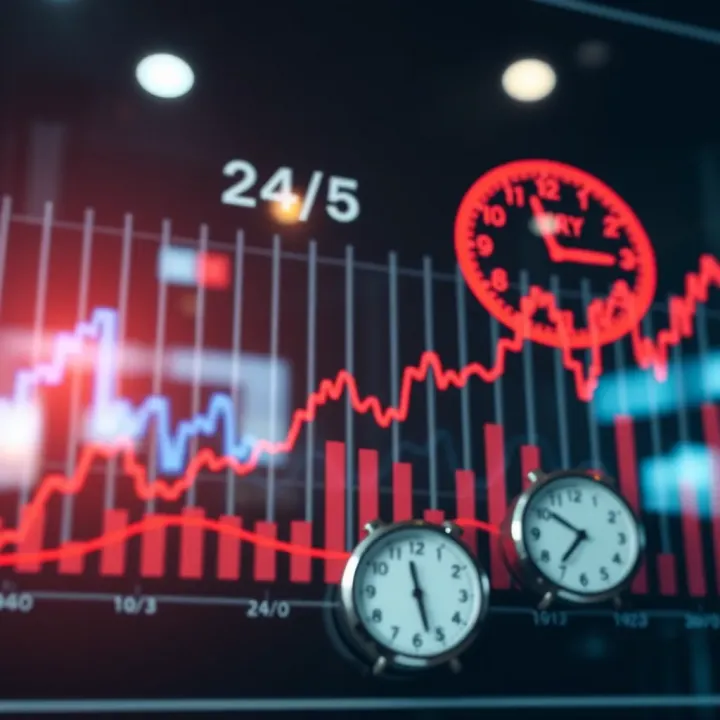
Many South Africans work full-time jobs or have family obligations during daylight hours. Being able to trade at night or early morning helps them integrate forex trading seamlessly into their daily routine. For instance, a nurse working night shifts could make trades during quieter periods, while a student might find early mornings better for focusing on the charts. This flexibility helps reduce the pressure to choose between trading and other responsibilities.
Starting forex trading doesn’t require a heavy upfront investment. Unlike buying shares or property, many brokers allow you to open an account with just a few hundred rand. You can trade currency pairs in micro or mini lots, meaning smaller trades and lower financial risk. This is ideal if you’re testing the waters before committing sizeable capital.
Online platforms and mobile trading apps have further lowered the entry threshold. Leading brokers offer software that runs on your laptop, tablet, or smartphone. For South Africans, who often rely on mobile data plans, these apps provide efficient tools to analyse price moves, place trades, and monitor positions on the go. For example, the MetaTrader 4 and 5 apps, supported by local brokers, are popular due to their user-friendly interfaces and real-time data.
Convenience in forex trading means you’re not tied down to a desk or rigid hours. Whether you’re using a phone on a taxi ride or a laptop at a café's stoep, forex fits into your day, not the other way round.
This ease of access empowers many to start trading alongside their existing commitments, making forex a practical choice for both beginners and experienced traders aiming for a flexible income stream.
In sum, forex trading suits diverse schedules and budgets, making it a flexible and convenient option for many South Africans eager to explore global markets without sacrificing their daily rhythm.
Forex trading opens doors to earning both short-term and long-term returns, depending on your approach and appetite for risk. This dynamic market attracts traders who want to capitalise on currency fluctuations, leveraging the global economic environment to generate income.
Speculation on currency movements involves predicting whether a currency pair will rise or fall in value. For instance, a trader noticing that the South African rand is weakening against the US dollar due to political uncertainty might decide to sell the rand while buying dollars, hoping to buy back at a better rate later. This kind of speculation can be profitable but requires constant monitoring of economic news and global events that impact currencies.
In terms of strategy, short-term gains often come from quick trades based on market volatility. Long-term gains might stem from holding positions through broader economic cycles, for example, betting on steady strengthening of the rand due to rising commodity prices benefiting South Africa’s exports.
Swing trading versus day trading offer distinct paths to profit. Swing traders hold positions from days to weeks, aiming to capture larger price moves within market trends. This fits well for those who can't watch charts all day but can review market developments daily. Day traders, on the other hand, open and close trades within the same day, chasing smaller, more frequent profits from intraday price changes. This requires quick decision-making and often access to reliable, fast internet and trading platforms.
How leverage works in forex is a key drawcard for many traders. Essentially, you can control a large position with a relatively small amount of capital. For example, with a leverage ratio of 100:1, investing R1,000 could give you exposure equivalent to R100,000 in the market. This magnifies profits if the trade goes your way.
However, leverage also magnifies losses equally. Without careful planning, a small adverse move can wipe out your invested capital quickly. That’s why cautionary notes on risk management are vital. Effective traders use stop-loss orders to limit potential losses and only risk a small percentage of their capital per trade, often less than 2%. They also maintain discipline to avoid chasing losses during tough market conditions.
Smart use of leverage and understanding different trading styles help you manage your risk while making forex trading a viable source of income.
In summary, forex trading offers opportunities to earn through various strategies and leverage, but it demands ongoing learning, market awareness, and strict risk control to be successful.
Adding forex to an investment portfolio helps reduce overall risk by spreading investments across different asset types. Traditional portfolios may contain stocks, bonds, and property. Including currencies introduces a different kind of asset that doesn’t always move in sync with these markets. This can smooth out sharp declines in one asset class because losses in stocks, for example, might be offset by gains in certain currency pairs.
Consider a South African investor holding mainly JSE shares and government bonds. When the rand weakens sharply, local shares might fall due to inflation worries or rising interest rates. But if the investor holds a forex position in, say, the US dollar or euro, gains in those currencies could balance the portfolio. Hence, exposure to forex acts as a cushion against large fluctuations.
Forex markets often have low correlation with traditional assets. That means currencies don't usually rise and fall in step with equities or commodities. This lack of correlation is valuable because it means foreign exchange can provide returns independent of what happens in local stock or property markets. For example, during global equity sell-offs, the rand often weakens while safe-haven currencies like the Swiss franc or Japanese yen can strengthen. This dynamic can provide an important balance within a diverse portfolio.
For investors with overseas holdings, hedging currency risk through forex trading is a practical tool. When you invest in foreign assets like US tech stocks or European bonds, fluctuations in exchange rates between the rand and those currencies can influence your returns. Hedging allows you to offset such risks. If the rand suddenly strengthens, the value of your foreign assets in rands falls, but a well-placed forex hedge can compensate for that.
South African investors often face rand volatility linked to political developments, commodity prices, or global trends. Managing this exposure helps protect your portfolio from sudden swings. For instance, a business expecting a significant inbound payment in dollars might hedge using forward contracts or currency pairs to lock in a favourable exchange rate. This shields them from losses if the rand appreciates unexpectedly.
Effective currency risk management isn't just for big institutions; individual traders and investors can use forex to guard against rand fluctuations. It takes away some uncertainty and helps with planning your financial goals more confidently.
Understanding these diversification and hedging benefits can help you build more stable investment strategies. Adding forex to your portfolio doesn’t mean abandoning other assets but rather complementing them, ensuring you’re better prepared for economic ups and downs.
Access to timely and reliable information is a major advantage for forex traders. Without it, attempting to navigate volatile currency markets can feel like driving without headlights at night. Having the right tools helps you understand market movements and make informed trades rather than guessing. This is particularly relevant in forex, where currencies respond quickly to global events, economic shifts, and political developments.
Economic indicators—such as interest rates, inflation figures, and employment data—are essential tools to gauge currency strength. For instance, if South Africa’s Reserve Bank (SARB) raises interest rates, the rand might strengthen against other currencies because higher interest rates tend to attract foreign investments. Traders who track these indicators closely can spot potential trends before they become obvious.
News events also play a big role. Political decisions, trade talks, or even sudden unrest in key economies affect forex rates. South African traders often keep an eye on both global news and local stories that impact the rand directly. For example, Eskom’s power outage announcements or updates from the National Treasury can trigger currency movements. Access to current news and economic calendars helps traders prepare rather than react late.
Local expertise is invaluable when trading forex in relation to the rand. Some online platforms and brokers offer insights tailored for South African conditions, like analyses of SARB statements or commentary on government budgets. These tailored insights give you context that generic global data misses.
Furthermore, factors like South Africa’s economic growth rate, inflation forecasts, and mining export numbers often influence the rand. Understanding these specifics allows you to anticipate shifts that might not be visible in broader international reports. This localised knowledge can improve your trading decisions significantly.
Building trading skills without risking real money is a major benefit of learning resources. Most forex platforms provide demo accounts where you trade virtual funds in real market conditions. This hands-on practice lets you understand how trades work, test strategies, and manage emotions without losing cash.
Demo accounts are especially useful for beginners looking to gain confidence. You can test different currency pairs, practise using leverage safely, and familiarise yourself fully with the trading interface. It’s like driving on a simulator before hitting the road.
On top of practice accounts, many brokers and educational providers offer courses on forex basics, technical analysis, and risk management. These range from free online tutorials to paid courses specifically designed for South African traders.
Some training platforms focus on practical skills and real-world case studies involving the rand and other African currencies. Participating in such courses helps sharpen your understanding, avoid common pitfalls, and keep up with market changes. Continuous learning is key in a market that shifts as swiftly as forex.
Having access to solid information and educational resources not only boosts your trading confidence but also raises the chances of success in a challenging market like forex trading. In South Africa’s context, staying informed about local economic shifts and using demo practice make a tangible difference.
💹 Explore forex trading system software: features, benefits, selection tips, security, costs & broker integration to boost your trading in South Africa 🇿🇦
📊 Understand forex trading basics, market hours, platforms & key strategies tailored for South African traders. Manage risks and spot opportunities in currency exchange.
Explore top forex trading schools in Johannesburg 📈 Learn how to choose the right course, what to expect, and practical tips for starting your trading journey.

Explore how global forex trading works 🌍, key players, market hours ⏰, currency price factors 💸, risks ⚠️, strategies 📈, and regulations 🇿🇦 tailored for South African traders.
Based on 6 reviews