

Best Trading Apps in South Africa: A Simple Guide
Looking for the best trading app in South Africa? 📈 Compare fees, features, security, and ease of use to make smart investing choices confidently.
Edited By
Thomas Harding
South Africa’s interest in cryptocurrencies has surged, making crypto trading apps an essential tool for anyone wanting to jump into the market. But with so many options on the market, choosing the right app isn't just about flashy features or a sleek interface—it's about understanding what fits your trading style, security needs, and local context.
The crypto space here isn’t the same as global hubs. South Africans face unique challenges like local currency volatility, exchange control regulations, and the realities of data costs, so the trading app must address these properly.

Here are the core points to consider when picking a crypto app to trade confidently:
With scams and hacks often hitting the headlines, any credible app must have strong security measures. Look for two-factor authentication (2FA), cold storage options, and transparent records of their security practices. For example, apps like Luno and VALR have earned trust with multi-layer security and insurance policies backing your crypto holdings.
Trading fees, deposit and withdrawal charges, and spread differences impact your returns. For instance, an app might advertise zero trading fees but charge high spreads or withdrawal costs. Comparing these costs on platforms like Binance South Africa, Luno, and VALR quickly shows where you get the most bang for your buck.
Not every app offers a broad range of cryptocurrencies. If you’re eyeing more than Bitcoin or Ethereum, check the available coins on the platform. VALR, for example, lists over 200 cryptocurrencies, while some others focus on just a handful.
Even seasoned traders appreciate an intuitive interface that helps them trade swiftly without snagging. Also, consider whether the app offers responsive customer support in local time zones—nothing worse than waiting days for a simple fix while the market moves.
A trading app that suits your needs and local conditions helps you stay calm and clear-headed even when the crypto winds shift suddenly.
South African users should confirm whether the app complies with the Regulation of Interception of Communications and Provision of Communication Related Information Act (RICA) and other local laws related to Know Your Customer (KYC) and anti-money laundering (AML) standards. This ensures the platform operates legally and that your assets remain protected under South African jurisdiction.
These fundamentals set the stage for smart app choices. Understanding how they play out in the South African setting can save you frustration, time, and money as you engage with crypto trading.
Next, we’ll explore the top crypto trading apps available locally and what they bring to the table.
When choosing a cryptocurrency trading app, knowing which features matter can save you from headaches later. Your app should make trading straightforward yet offer enough tools to support smarter decisions. In South Africa, where digital infrastructure varies and data costs remain a concern, the right features bring practical value beyond just flashy interfaces.
Simple navigation is key. If the app feels like a maze, you’ll waste time trying to find basic functions like buying or selling a coin. Look for platforms with clear menus and large buttons, where even new traders can place orders without stress. For instance, apps like Luno offer clean layouts that guide users step-by-step, which helps avoid mistakes during rapid market swings.
Mobile responsiveness matters too, especially as many South Africans prefer trading on their mobile devices. An app must load quickly and display correctly across different screen sizes, from budget smartphones to high-end models. Slow or glitchy apps cost precious seconds—and in volatile crypto markets, seconds equal thousands of rands lost or gained. An app that works well over 4G or spotty Wi-Fi makes trading feasible anywhere, not just at home.
Customisable dashboards let you tailor the app to your style. Traders tracking multiple coins or strategies benefit from arranging charts, watchlists, and news feeds to suit their workflow. It’s like organising your desk: everything you need within reach simplifies decision-making. Apps such as VALR provide options to reorder panels or switch between dark and light modes, which also eases eye strain during late-night trading sessions.
A broad range of supported cryptocurrencies means flexibility in your portfolio. Most platforms cover well-known coins like Bitcoin and Ethereum, but altcoins (lesser-known cryptocurrencies) can offer growth opportunities or hedge risks. Still, consider apps that balance variety without overwhelming you; too many obscure tokens can complicate your choices.
South African traders often favour tokens that tie into local projects or payment systems. For example, apps supporting tokens linked to South African fintech firms or initiatives can be more relevant for local investment goals. Keep an eye on platforms that include such tokens alongside international favourites, so you don’t miss out on opportunities within Mzanzi’s growing crypto scene.

Price alerts and charts keep you in the loop without staring at your screen all day. Setting alerts for specific price points means you’ll know instantly when an asset hits your target, whether it’s a profit or stop-loss level. Meanwhile, having access to clear, real-time charts helps you spot trends or reversals early. Apps with interactive charts and technical indicators cater well to both beginners and seasoned traders.
Order types and limits affect how you execute trades. Beyond basic market orders, look for limit orders that buy or sell only at your chosen price. Some apps offer stop orders or trailing stops to protect gains or limit losses automatically. Setting daily or monthly limits also helps manage risk and spending, which is useful if you're mindful of wallet exposure.
Finally, educational resources within the app improve your crypto know-how over time. Tutorials, glossaries, and market analysis help turn novice users into informed traders. Platforms like EasyEquities Crypto integrate educational snippets with practical trading, ideal for South Africans new to crypto wanting clear guidance without jumping between different sites.
Choosing an app with the right mix of features can make your trading smoother and smarter, helping you navigate South Africa’s unique crypto landscape with confidence.
Understanding the popular cryptocurrency trading apps available in South Africa helps traders and investors pick platforms best suited to their needs. Both local and international apps have unique offerings influenced by regulations, payment options, and supported currencies. Choosing the right app can directly impact your trading experience, fees, and security.
Luno has become a household name among South African crypto enthusiasts. It stands out for its user-friendly interface that appeals to both beginners and seasoned traders. South Africans appreciate Luno’s direct bank deposit options via EFT, making funding your account straightforward without heavy exchange fees. For instance, Luno's local support team is quick to respond to queries, which is often not the case for global platforms.
Another strong local contender is VALR, known for offering a wider selection of cryptocurrencies compared to most South African apps. VALR supports rand deposits at competitive rates and has a solid reputation for security, including 2FA and cold storage of assets. Its partnership with leading blockchain networks means users get lower transaction fees, a big win for active traders.
EasyEquities Crypto integrates cryptocurrency trading within the same app used for stocks, which is ideal if you want to balance traditional and digital investments in one place. Their fractional investing feature means you can start small, buying portions of Bitcoin or Ethereum instead of whole coins. Plus, their transparent fee structure and integration with the South African stock market environment make it easy to dip toes into crypto alongside familiar assets.
Binance remains the world’s largest crypto exchange and is accessible from South Africa, offering an extensive selection of altcoins beyond what local platforms commonly provide. Although Binance’s interface can feel overwhelming at first, it caters well to advanced traders with features like futures, staking, and lending. South African users should pay close attention to withdrawal fees and ensure they use RAND pairs to avoid high currency conversion costs.
Coinbase appeals mainly to beginners for its simple interface and strong emphasis on regulation-compliant practices. While deposit and withdrawal options may not be as flexible with local banks, Coinbase's reputation for security and insurance on digital assets lends peace of mind. The app also offers educational resources that reward users for learning about different cryptos, a neat bonus for those still getting to grips with the market.
Lastly, Kraken is known for its robust security and diverse trading pairs. It offers some of the lowest fees among international exchanges, which benefits South African users who trade frequently or in large volumes. Kraken also provides margin trading and futures, making it suitable for traders looking to expand their strategies, though its verification process can be a bit lengthy.
When choosing between local and international platforms, consider factors like ease of funding with rand, trading fees, supported currencies, and security. Local apps often simplify the deposit process, whereas international exchanges offer a wider market scope but may include extra steps and costs.
Selecting the right app comes down to your trading style, preferred assets, and how much emphasis you place on local customer service versus international reach.
When selecting a cryptocurrency trading app in South Africa, the security features can’t be an afterthought. The crypto space attracts not only keen investors but also cybercriminals looking for loopholes. Ensuring your chosen app has solid security layers helps protect your funds and personal info from theft or hacking. From identity verification through to wallet safety, these measures build trust and minimise risk.
Setting up 2FA is like adding a lock to your already locked door. It requires you to provide two types of identification before logging in—usually your password plus a code sent to your mobile via an app like Google Authenticator or via SMS. This second step drastically reduces the chance of unauthorised access. For example, even if someone gets hold of your password in a phishing scam, they can’t get past the 2FA barrier without access to your phone.
Encryption works behind the scenes, scrambling sensitive data so that only your app or device can read it. This protects your personal details and transaction data in transit and at rest. Without encryption, hackers intercepting your data on public Wi-Fi or through man-in-the-middle attacks could steal everything. Reliable crypto apps use strong encryption standards such as AES 256-bit, ensuring your data stays locked away securely.
Understanding cold versus hot wallets is essential when considering app security. Hot wallets stay connected to the internet, making them convenient for quick trades but vulnerable to hacking. Cold wallets, usually hardware devices or offline storage, offer far greater protection since they’re offline and not exposed to online threats. Good trading apps combine both, holding only the necessary funds for trading in hot wallets while keeping most crypto safely stashed offline in cold storage.
Backup and recovery processes come into play if you lose access to your account or wallet. A trustworthy app will guide you through securely backing up private keys or seed phrases and offer straightforward recovery if your device is lost or stolen. Overlooking this can lead to permanent loss of your crypto. Always test the backup protocol yourself early on and keep the recovery information offline and private.
The Financial Sector Conduct Authority (FSCA) oversees financial institutions’ conduct, including crypto platforms in South Africa. Though crypto regulation is still evolving locally, FSCA registration offers an extra safety net, signalling the app operates within regulatory frameworks aimed at client protection. Choosing apps registered or recognised by the FSCA helps you avoid sketchy or unregulated services.
Your rights as an investor include transparency around fees, clear communication of risks, and recourse avenues if disputes arise. A regulated platform must meet standards related to anti-money laundering (AML) and the Financial Intelligence Centre Act (FICA), which includes verifying users’ identities. This reduces fraud risk and protects your investments. Knowing these rights gives you more confidence when entering trades, especially in a relatively new market like South Africa’s crypto scene.
Security matters more than ever in crypto trading. Opt for apps with robust tools like 2FA, encryption, cold storage options, and look for platforms recognised by FSCA to keep your crypto journey safe and sound.
Understanding the costs and fees tied to cryptocurrency trading apps is vital for South African traders. These expenses can sharply reduce your overall profits if not managed carefully. Knowing where the fees come from and how they apply will help you pick an app that suits your trading habits and budget.
Trading commissions vary widely across platforms. For instance, some apps like Luno offer flat, transparent fees, often around 0.25% per trade, while others like Binance use a tiered system based on your monthly trading volume. This makes it crucial to understand the fee structure before committing. A platform with high commissions can eat into frequent trades’ profitability quickly.
On the other hand, spreads — the difference between buying and selling prices — can be more subtle but just as costly. In less liquid markets or smaller altcoins, spreads can widen, costing you more when entering or exiting positions. For example, trading a less common token on an app without deep liquidity might mean paying a 1% spread, which stacks up over time.
Payment methods common in South Africa, such as electronic funds transfer (EFT) and credit or debit cards, come with various fees. EFT deposits are usually free or very low cost but can take a day or two to clear, potentially delaying trading opportunities. Card payments are faster but often carry a higher surcharge, typically between 1% and 3%.
Beware of hidden fees. Some platforms add withdrawal charges or fees for using specific payment gateways without clear disclosure upfront. For example, withdrawing crypto from your app to an external wallet might cost a fixed fee or a percentage of the amount. Always check the fine print — this can make a big difference if you’re moving funds often.
Most South African traders convert their Rand (ZAR) into cryptocurrencies directly. However, many platforms charge a conversion fee or mark up the exchange rate between Rand and the crypto asset. This means you could be losing extra beyond visible transaction fees.
To avoid excessive costs, consider platforms that support Rand deposits and withdrawals natively without routing through foreign currencies. Apps like VALR tend to offer better exchange rates thanks to local banking integration. Also, watch out for fluctuations in the Rand’s strength against the US dollar or other major currencies, as this indirectly affects conversion costs.
Choosing a crypto app isn’t just about bells and whistles; understanding the underlying fees helps keep more R in your pocket. Sometimes, a slightly higher platform fee is worth it if deposits, withdrawals, and conversions are cheaper overall.
By keeping these cost factors in mind, you can select a trading app that aligns with your trading frequency, preferred coins, and payment habits without bleeding money unnecessarily.
Starting out with a crypto trading app is the first step to joining South Africa’s growing digital currency market. While it might feel overwhelming at first, understanding the signup process, funding options, and how to place trades will help you avoid common pitfalls and trade confidently. Given the local regulatory environment and payment preferences, these basics matter a lot.
RICA and FICA requirements play a key role when registering with any crypto platform in South Africa. The Regulation of Interception of Communications and Provision of Communication-Related Information Act (RICA) and the Financial Intelligence Centre Act (FICA) ensure that trading platforms verify the identity of users. This helps prevent fraud, money laundering, and ensures compliance with legal standards. You'll need to provide proof of identity and residential address — part of a simple but essential process for legal trading.
In practice, this means gathering some documents before you start. Under identity documents needed, expect to submit your South African ID book, smart ID card, or passport. Some apps might also request a recent utility bill or bank statement to confirm your address. For example, Luno and VALR require these during account verification, and delays in submission can hold up your ability to trade. It’s best to keep digital copies ready to speed up the process.
When it comes to using EFT or card payments, many South African platforms accept both electronic funds transfers (EFT) and credit or debit card payments. EFT tends to be cheaper and preferred locally, as it aligns with how most people pay for goods and services here. Card payments are quicker but can incur higher fees. For instance, funding your VALR account via EFT is more cost-effective than card payments, but the latter may be faster when markets move quickly.
Managing limits and security is just as important. Trading apps impose limits on deposits or withdrawals to comply with regulations and reduce your exposure to fraud. Make sure you understand daily and monthly limits for your chosen app. Also, enable security features like two-factor authentication (2FA) and set strong passwords. If you fund your account through a public Wi-Fi connection without these protections, you risk exposing your financial information.
Choosing your order type wisely can protect your investment. Common order types include market orders — where you buy or sell instantly at the current price — and limit orders, which let you specify the maximum price you’re willing to pay or the minimum to accept when selling. New traders often overlook limit orders, but they can help if you’re not chasing quick gains and want to avoid sudden price swings common in crypto.
Monitoring market trends is crucial after your first trade. South Africa’s crypto market can be volatile, influenced by global news, Rand fluctuations, and local interest. Use your app’s price charts, news updates, and alerts to stay informed. For example, if the Rand weakens against the US dollar, crypto assets priced in dollars could become more expensive, which might be a good time to sell or hold depending on your strategy.
Getting familiar with these practical steps helps you trade confidently and safely in South Africa’s crypto space. Start slow, follow regulations, and build your knowledge steadily.
Remember, each app varies slightly in process and features, so take the time to explore tutorials or customer support before diving in.
Looking for the best trading app in South Africa? 📈 Compare fees, features, security, and ease of use to make smart investing choices confidently.
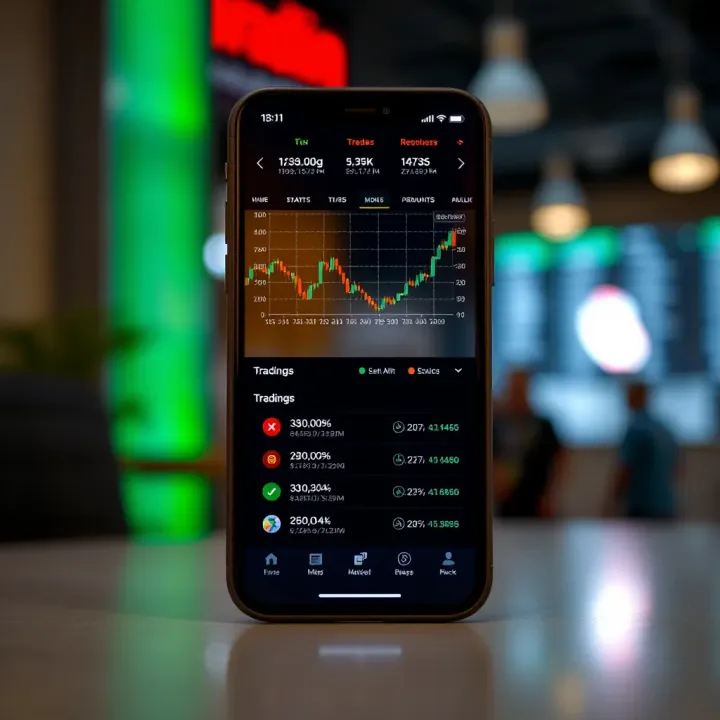
🤑 New to trading? Discover easy-to-use South African trading apps with low fees and local market access. Start smart with the best beginners’ options!

Explore free forex trading in South Africa 🇿🇦 with platforms offering no-cost access, educational tools 📚, beginner accounts, and safety tips for risk-free practice.

📚 Explore top forex trading schools in South Africa! Learn about courses, training approaches, and accreditation to pick the best fit for your trading goals.
Based on 13 reviews