

Best Trading Apps in South Africa: A Simple Guide
Looking for the best trading app in South Africa? 📈 Compare fees, features, security, and ease of use to make smart investing choices confidently.
Edited By
Charlotte Reed
Forex trading has doubled in popularity in South Africa over the past few years, as more traders use mobile apps to manage their trades on the go. But not all forex apps are made equal, especially when it comes to meeting the needs of South African users. Choosing the right app involves looking beyond flashy interfaces to factors like security, trading costs, regulation compliance, and user experience.
The South African forex market is regulated by the Financial Sector Conduct Authority (FSCA). This means reliable brokers must adhere to local rules to protect traders from unlicensed operators. Apps linked with FSCA-registered brokers generally offer stronger safeguards. Meanwhile, traders should always be wary of apps promising guaranteed profits or highly leveraged trades without clear risk warnings.
Costs can vary widely across apps and brokers. Some charge fixed spreads, others variable. Look out for hidden fees such as overnight swap costs or deposit and withdrawal charges. For example, Capitec clients using forex apps may find transfers easier and cheaper than traditional bank methods, but app-specific fees still apply. Always compare the total cost of trading, not just the quoted spread.
Features-wise, practical tools like real-time charts, technical indicators, news feeds, and automated alerts improve your trading edge. MT4 and MT5 remain popular platforms offering robust mobile apps, supporting algorithmic trading and multiple asset classes. Apps with built-in risk management features, such as stop-loss orders and margin call alerts, help protect your capital.
Usability counts as well — an app that crashes or lags during critical trades can cost you dearly. South African users benefit from apps that adapt to local network conditions and include support for rand deposits. Some apps offer multilingual options including isiZulu and Afrikaans, catering to broader audiences.
When selecting a forex trading app in South Africa, balance security, costs, and features with practical usability. Testing several platforms through demo accounts can clarify which one suits your trading style best.
In this article, we’ll break down the top forex trading apps accessible to South Africans, offering clear comparisons and insights to help you navigate the complex world of online forex trading safely and confidently.
Choosing the right forex trading app isn’t just about flashy features or the latest tech. It’s about balancing safety, costs, and usability to make sure your trading experience is both secure and effective. Especially for South African traders, understanding what to prioritise can save time, money, and stress down the line.
Checking Financial Sector Conduct Authority (FSCA) licensing is a key step. The FSCA regulates financial services in South Africa, including forex brokers and apps. Using an FSCA-licensed app means the platform follows local rules designed to protect traders, like holding client funds separately from their own and submitting to regular audits. For example, an app not registered with the FSCA may offer tempting terms, but your money could be at risk if the company folds or acts improperly.
Understanding data protection and encryption measures matters just as much. Forex apps handle sensitive info—bank details, ID documents, even trading activity. Good apps use encryption protocols such as SSL/TLS to keep data safe when it moves between your device and their servers. They also implement strict access controls internally. If an app fails in this area, you could end up with hacked accounts or leaked personal information, which can be devastating both financially and legally.
The spread and commission differences across apps can have a huge impact on your bottom line. The spread is the gap between the buying and selling price of a currency pair. Some apps offer fixed spreads while others have variable spreads that widen during volatile market hours. Commissions can be charged on top, or some apps might fold commissions into spreads. For instance, a trader dealing in USD/ZAR might favour an app with low spreads but be mindful if it charges high commissions elsewhere.
Withdrawal and deposit charges also affect your actual profits and losses. Many apps allow free deposits but levy fees on withdrawals, especially if third-party payment solutions or international bank transfers are involved. For South African traders, local options like EFTs or card payments often minimise costs. It’s worth checking whether the app supports popular SA payment methods without steep fees.
Ease of navigation for beginners and experienced traders is crucial. An app cluttered with confusing menus or unclear wording can quickly frustrate newcomers and increase mistakes. Conversely, overly simplistic platforms might not satisfy advanced traders needing quick order placement or complex order types. Good apps balance intuitive design with flexibility, so you can customise watchlists or easily access your trade history.
Availability of charting tools and indicators makes a big difference in decision-making. Look for apps with real-time charts, multiple timeframes, and common indicators like Relative Strength Index (RSI), Moving Averages, and Fibonacci retracements. For example, if you're analyzing the Rand's movements against the Euro, having access to detailed indicators on the same platform helps you act fast when opportune moments arise.
In short: when choosing a forex trading app, focus on robust safety features, clear and fair fees, and a user experience that matches your trading level. This combo helps you trade with confidence in South Africa’s unique market environment.
Choosing the right forex trading app matters more than just convenience. It can shape your entire trading experience, from ease of access to managing costs and protections. In South Africa, forex apps serve platforms that blend local convenience with global market access. For traders and analysts alike, understanding which apps dominate and why helps navigate the options efficiently.
Apps from internationally recognised brokers like IG, FXTM, and XM bring the heft of global trading infrastructure to South African traders. These platforms often provide tight spreads, a wide range of currency pairs, and access to advanced trading tools like automated strategies and in-depth technical charts. Since these brokers frequently cater to clients worldwide, their apps undergo rigorous regulatory scrutiny and provide established security measures. This reliability can be reassuring for serious traders who value well-tested systems and robust customer protections.
That said, suitability for South African traders goes beyond reputability. These large broker apps usually support funding in Rands, but some might still operate largely in USD or EUR accounts, which can mean currency conversion fees. Moreover, not all major brokers are fully licensed by the Financial Sector Conduct Authority (FSCA), South Africa's watchdog for financial markets. Traders should verify FSCA compliance to avoid falling foul of regulatory gaps. On the upside, such apps often offer multi-language support and cater to various skill levels, making them flexible for both beginners and experienced local traders.
Homegrown and emerging forex platforms, such as EasyEquities or local divisions of international companies, tend to focus more closely on South African market needs. They typically offer interfaces designed with local users in mind, including support for depositing Rands directly through South African banks, quicker withdrawals, and promotional incentives tailored to local trading patterns. These platforms often integrate educational resources specific to the South African economic environment, such as forex pairings involving the Rand and regional currencies.
One key advantage of local forex apps lies in their customer support and payment options. Access to responsive South African-based customer care teams can outmatch overseas alternatives — this matters when resolving disputes or technical issues quickly is needed. Payment methods also reflect local preferences: instant EFT through platforms like Ozow, or even support for mobile money wallets popular in Africa, which smooths the trading start-up process. This local grounding not only eases operational hurdles but also builds trust in apps less well known internationally.
For South African traders, balancing the global reach of major broker apps against the contextual advantages of local platforms offers diverse choices tailored to different comfort levels and trading ambitions.
In summary, picking between major brokers and local platforms involves weighing access to wide-ranging tools and global liquidity versus localised support and currency convenience. Traders who prioritise robust regulation and broad asset offerings might lean towards major brokers, while those valuing faster local transactions and support could opt for emerging South African-centric apps.
Forex trading is never without risks, especially given the inherent volatility of currency markets. For South African traders, being aware of these risks and how modern trading apps can assist in managing them is vital. A good app not only offers a platform for transactions but also equips you with tools to monitor risks, set limits and learn as you go.
Currency rates can swing sharply within minutes due to economic news, political events or unexpected announcements. Forex trading apps give users access to real-time updates and alerts, helping you stay ahead of market moves. For example, if the South African rand suddenly weakens against the US dollar because of a Reserve Bank announcement, an app alert can prompt you to reassess your positions immediately instead of relying on delayed news.
These apps often allow you to customise notifications for specific currency pairs or trigger price levels. This flexibility is especially useful when trading during periods of high volatility, reducing the risk of exposure you weren’t prepared for. Whether you use an international broker’s app or a local platform, these features are essential for timely decision-making.
One of the practical ways apps help manage risk is through stop-loss orders and take-profit settings. These are automatic instructions to close a trade once a certain price is reached, which prevents significant losses or locks in profits without you constantly watching the screen. For instance, if you buy EUR/ZAR at R18.50 and set a stop loss at R18.20, the trade will close automatically if the rand strengthens, limiting your loss.
This automated control is a lifesaver during volatile market phases or when you cannot monitor trades continuously. Many apps even let you adjust these levels mid-trade as new information comes in, offering flexibility tailored to your risk appetite.
Another crucial feature is the availability of educational tools and demo accounts within the app. Many South African brokers provide demo accounts where you can practise trading with virtual funds before risking real money. This hands-on experience allows you to understand market movements, test strategies and get familiar with app functions without pressure.
Educative content, such as tutorials, webinars or articles integrated within the app, also helps traders sharpen their skills and understand risks better. Together, these features build confidence, which is key to managing exposure effectively.
Managing risk isn’t just about limiting losses — it’s about making informed decisions promptly, a process trading apps have made far more accessible and manageable for South African users.
In short, choosing a forex trading app with robust risk management tools and real-time market updates should be a priority for anyone serious about trading the rand or other currencies. These features help turn the unpredictable nature of forex into something more manageable and less overwhelming.
Starting out in forex trading can feel like diving into a vast ocean, especially when dealing with local specifics that affect how you trade day to day. This section focuses on straightforward tips to help you navigate the setup and trading choices that suit South African traders. These practical details help you avoid common pitfalls, make informed deposits and withdrawals, comply with regulations, and pick currency pairs that make sense for your goals.
You’ll usually find several ways to deposit and withdraw Rands depending on your chosen forex app or broker. Most apps accept EFTs (electronic funds transfers) through traditional South African banks like FNB, Absa, or Standard Bank. Some platforms also support instant payments via card or popular local mobile wallets like VodaPay. It’s crucial to check the fees and processing times for each method since these can vary wildly. For example, an EFT might take up to two working days, while a card transaction could be instant but attract higher charges.
Withdrawing your profits back into your South African bank account often requires the same method you used for depositing, a practice known as the reciprocity rule. It's practical to set up your trading account with a bank you use daily to avoid delays or extra verification steps.
South African financial regulation demands strict compliance with verification rules under the Financial Intelligence Centre Act (FICA) and protection of personal data under the Protection of Personal Information Act (POPIA). When you start your trading account, expect to provide certified copies of your South African ID, proof of residence, and sometimes bank statements. These measures aren't just paperwork—they help fight fraud and money laundering, protecting you and the broader financial system.
Without proper FICA and POPIA compliance, your account setup will stall, and withdrawals can be blocked, so don’t skip these steps.
Deciding which currency pairs to trade is more than just picking the popular ones. South African traders often focus on majors like USD/ZAR because they offer good liquidity and tighter spreads. The USD/ZAR pair reflects direct exposure to our Rand and global markets, which many local traders follow closely.
Minor pairs such as EUR/GBP or AUD/JPY could also be useful, especially when looking to diversify beyond the Rand. Exotic pairs, involving currencies from emerging markets, might promise bigger swings but come with wider spreads and higher risk—important to note if you’re still learning.
A practical tip: start with a couple of well-known pairs and get comfortable with their movements before exploring less common ones. Apps often provide real-time news and localised market analysis, which help you understand the impact of global events on those pairs.
By getting your account properly set up according to South African standards and choosing currency pairs thoughtfully, you lay a solid foundation for your forex trading journey. Keep these tips in mind to trade more confidently and avoid unnecessary hassle.
Navigating legal and tax frameworks is vital for anyone trading forex in South Africa. Knowing your broker’s regulatory status and understanding how to handle tax obligations can save you from headaches down the line. The Financial Sector Conduct Authority (FSCA) plays a central role in protecting traders and ensuring brokers operate fairly, while adherence to tax rules set by the South African Revenue Service (SARS) is necessary to stay compliant.
South African forex traders should confirm that their chosen broker is registered with the FSCA. This regulatory body monitors brokers to ensure they meet certain standards of conduct, transparency, and solvency. When a broker complies with FSCA requirements, it means your funds are more secure and trading practices are closely supervised.
For example, in the event of a dispute or if a broker acts unscrupulously, being with an FSCA-registered provider gives you legal avenues for recourse. Many international brokers lack local licensing and might not protect your interests under South African law. This is why FSCA compliance is a practical benchmark when selecting a trading app or platform.
Forex trading profits in South Africa are considered taxable income by SARS. Declaring your earnings correctly means including them in your annual tax return under 'gross income'. It doesn’t matter if you trade through an app or platform abroad; you’re required by law to report all forex gains.
For instance, if you made R50,000 from trading during the year, SARS expects this included alongside any other income. Failure to declare may lead to penalties or audits. Therefore, understanding your tax obligations upfront helps avoid surprises during SARS assessments.
Maintaining detailed records of your trades is essential for accurate tax reporting. This includes keeping track of dates, amounts invested, profits, losses, and fees paid. For example, some traders use Excel spreadsheets or specialised trading journals to log transactions. These documents support your tax calculations and serve as proof during SARS queries.
Besides, forex losses might be deductible against your taxable gains, but that requires solid documentation. SARS expects clear evidence, so keeping statements from your brokerage app and bank transactions is useful. Remember, SARS tax requirements apply regardless of whether forex trading is your main source of income or a side hustle.
Staying on the right side of FSCA regulations and SARS tax rules isn't just about compliance — it's about managing your risk and protecting your investment in the long term.
This basic knowledge of South African legal and tax considerations will help you trade forex more confidently, knowing you understand the obligations underpinning the market.
Looking for the best trading app in South Africa? 📈 Compare fees, features, security, and ease of use to make smart investing choices confidently.
Explore free forex trading in South Africa 🇿🇦 with platforms offering no-cost access, educational tools 📚, beginner accounts, and safety tips for risk-free practice.

📚 Explore top forex trading schools in South Africa! Learn about courses, training approaches, and accreditation to pick the best fit for your trading goals.
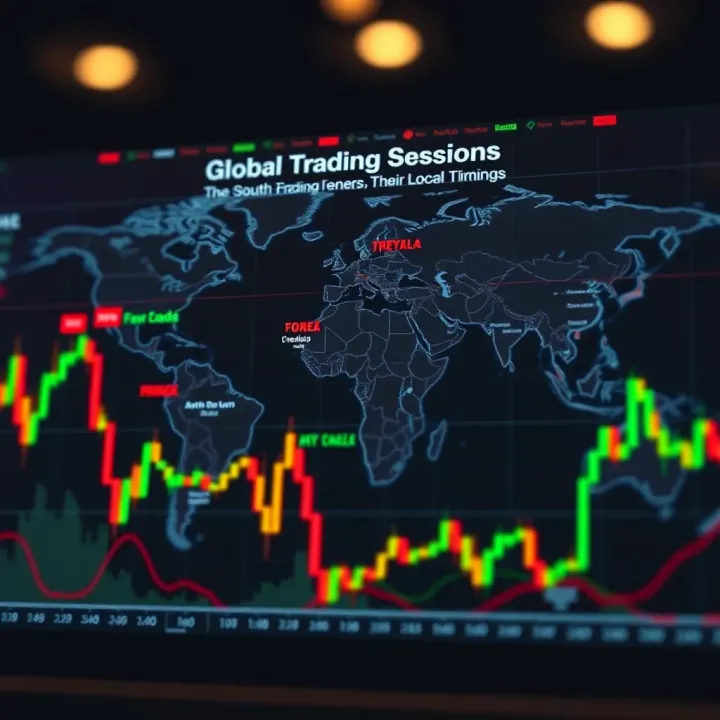
Explore the key forex trading sessions in South Africa 🕒, their timing & traits. Get tips to boost your trades and a guide to session PDFs 📈💼.
Based on 6 reviews