
Free Forex Trading Platforms for South African Traders
Explore top free forex trading platforms for South African traders 🇿🇦. Learn to pick the right one, weigh pros and cons, and boost your trading without fees 💹.
Edited By
Amelia N. Foster
Choosing the right forex trading platform is key for South African traders wanting to navigate the global currency markets confidently. With so many options out there, understanding what makes one platform stand out over another can save you time, money, and frustration.
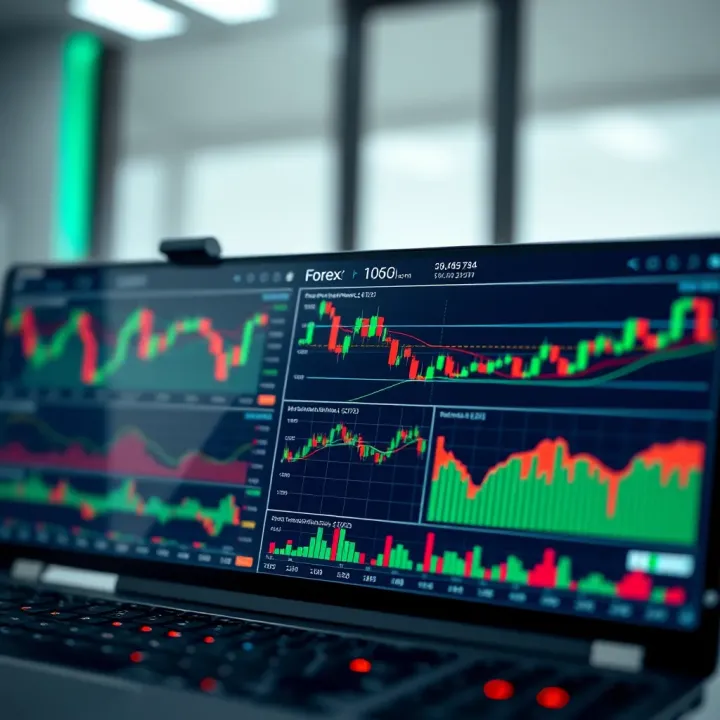
Forex trading platforms offer varying features tailored to different skill levels and trading styles. For example, some platforms provide advanced charting tools and real-time news feeds suited for active traders, while others focus on simplicity and educational resources for beginners.
Costs can differ a lot between platforms. Consider spreads, commissions, and overnight fees. A platform with low spreads might charge higher commissions, while a zero-commission platform could widen spreads, impacting your profitability. Don’t overlook currency conversion fees if you trade pairs involving the rand.
Reliable execution and platform stability are crucial. Interruptions due to poor technology or connectivity issues could cost dearly during volatile market moments. Look for platforms with solid reputations for uptime and speedy order execution.
South African regulation under the Financial Sector Conduct Authority (FSCA) adds a layer of protection. Choosing a locally authorised broker reduces the risk of fraud and ensures access to dispute resolution channels.
When testing a platform, start with a demo account tied to real market conditions. This helps you get the hang of the interface and rules without risking real funds.
To sum up, keep these in mind:
Costs: spreads, commissions, and hidden fees
Tools: charting, indicators, news, and automated trading
Reliability: execution speed, platform uptime, and support
Regulation: FSCA authorisation preferred
Understanding these points will give you a solid foundation before exploring specific platforms. The right choice depends on your strategy, budget, and comfort level — so pick a platform that fits how you want to trade, not just what’s popular.
Understanding forex trading platforms is a fundamental step for anyone looking to trade currencies effectively and safely. These platforms serve as your gateway to the complex world of forex trading, offering the tools and environment needed to execute trades, monitor market shifts, and analyse trends. Without a clear grasp of what these platforms entail and how they function, traders risk making costly mistakes or falling prey to unreliable services.
A forex trading platform is software that connects you to the global currency market. It allows you to buy and sell currencies like the US dollar, euro, or South African rand. Think of it as a specialised market terminal on your computer or mobile where all trading activities happen. For example, popular platforms like MetaTrader 4 and MetaTrader 5 offer real-time price charts, technical indicators, and tools for placing different kinds of orders.
These platforms also provide access to crucial information such as price feeds, trading volumes, and news updates, which are necessary for making informed decisions. Many platforms come with demo accounts, enabling beginners to practise trading without risking real money. This hands-on experience is invaluable, especially given how volatile forex markets can be.
In South Africa, forex platforms operate under regulations set by the Financial Sector Conduct Authority (FSCA). Choosing an FSCA-regulated broker is key, as this ensures your funds are protected within the country's financial laws and that trading practices meet local legal standards.
Funding your trading account typically involves options familiar to South African users, such as EFT transfers, credit/debit cards, or digital payment methods like SnapScan. Some platforms even allow direct Rand deposits, which save the hassle of currency conversion fees.
Once your account is funded, you can start trading currencies 24/5, benefiting from the forex market’s global nature. Be aware of South African market hours and public holidays, as local banks’ operating hours can affect deposits and withdrawals.
Remember: Not all platforms cater equally well to South African traders. Some might lack South Africa-specific payment options or customer support, which can cause delays and frustration.
To make the best choice, focus on a platform’s:
Regulatory compliance with the FSCA
Reliable and fast Rand funding methods
User interface and ease of navigation
Availability of relevant trading tools
By properly understanding how forex trading platforms work, especially within the South African context, you equip yourself to trade more confidently and safely.
Choosing the right forex platform can make or break your trading experience. It’s not just about flashy interfaces or low spreads; South African traders need to focus on factors that safeguard their investments and boost their chances of success. Let’s unpack some essential points that should guide your decision.
Regulation is the backbone of trust when you pick a forex broker or platform, especially in South Africa where the Financial Sector Conduct Authority (FSCA) regulates financial services. A regulated platform offers a layer of protection, ensuring it meets certain standards around financial stability, client fund segregation, and transparency. For example, a platform registered with the FSCA must keep client deposits separate from its operating capital, reducing the risk of losing your money if the broker faces trouble.
Beware of platforms claiming shiny returns but lacking proper licences or credible third-party audits. Also, check how the broker protects your personal data and funds — look for encryption standards and two-factor authentication (2FA). These security measures are non-negotiable in today’s cyber-threat landscape.
Trading isn’t free, and costs can quickly eat into your profits if you’re not careful. Key fees to look out for include spreads (the difference between buy and sell prices), commissions per trade, overnight swap charges, and withdrawal fees. A platform with tight spreads might seem attractive, but watch for hidden fees like inactivity penalties or minimum deposit requirements.
For instance, some popular platforms such as MetaTrader4 (MT4) or MetaTrader5 (MT5) offer competitive spreads but might charge commissions on certain accounts. Others like IG or Plus500 bake their fees into the spread or offer commission-free trading but might have wider spreads. Compare these costs based on your trading style and budget.
Good platforms should equip you with the right tools to analyse markets and execute trades effectively. Essential features include real-time price charts, various order types (limit, stop-loss, take-profit), technical indicators, and economic calendars. Advanced traders may want algorithmic trading options or access to APIs for custom strategies.
For example, some platforms allow you to backtest strategies using historical data, which can be a real game-saver before risking real cash. Keep an eye on whether trading tools are user-friendly and reliable — nothing worse than your platform freezing when a big market move happens.
Trading platforms vary widely in how easy they are to use. A clean, intuitive interface can save you time and frustration. Mobile compatibility is a must in South Africa where many traders rely on smartphones to stay connected, especially with the unpredictability of data costs and load-shedding disruptions.
Accessibility also means multilingual support, responsive client service, and a platform that runs smoothly under local internet conditions. Platforms that demand heavy data usage or have slow execution speeds might not be suitable for all traders here.
Picking a forex platform is about a balance between safety, cost, and usability that fits your unique trading needs. Don’t rush — weigh these criteria carefully to avoid common pitfalls and trade confidently in the South African market.
By keeping these points front and centre, you’ll be well placed to choose a platform that works for you, not against you.
Choosing from popular forex trading platforms available in South Africa is key for traders who want reliability and good support. Familiarity with local market conditions, regulations, and payment options can make a huge difference in your trading experience. Also, understanding which brokers cater specifically to South African clients helps avoid surprises like hidden fees or restricted access.
South African traders can access both local and international forex brokers, each with pros and cons. Local brokers, such as IG South Africa and CM Trading, operate under the Financial Sector Conduct Authority (FSCA) regulations, offering a layer of oversight that builds trust. They also usually provide rand-denominated accounts, simplifying deposits and withdrawals.
On the other hand, international brokers like FXTM, AvaTrade, and Pepperstone are popular for their competitive spreads, wide range of currency pairs, and advanced trading tools. These brokers often support global payment methods and platforms like MetaTrader 4 and 5, but you should watch exchange rate costs and compliance with South African financial rules when funding accounts.
When picking a broker, check for FSCA licensing to ensure your funds get protection and the broker adheres to local financial laws. Beware of brokers who operate offshore without clear regulation, as staking your savings with them could carry unnecessary risks.
Different forex platforms bring various features to the table, so traders should match these with their trading style and needs. For example, MetaTrader 4 (MT4) remains the most widely used platform because of its simple interface and vast community support. It suits beginners and those focused on technical analysis but lacks some modern portfolio tracking features.
Meanwhile, platforms like cTrader provide more advanced charting and order management options, appealing to scalpers and experienced traders. Some brokers offer proprietary platforms with enhanced mobile applications which can boost accessibility, important for South Africans often managing trades whilst on the move.
However, proprietary platforms might lack third-party integrations and could be limited in the variety of assets offered. International platforms sometimes have faster execution speeds and more frequent updates, but support hours may not always align with South African trading hours.
Always test a demo account first, regardless of platform, to become comfortable with its interface and tools before committing real capital.
In summary, picking a forex trading platform in South Africa means balancing regulation, costs, available tools, and local payment options. Knowing which brokers operate smoothly locally and understanding the strengths of each trading platform helps you trade smarter and safer.
Using a forex trading platform without proper precautions can expose you to risks that might cost you both money and peace of mind. These platforms handle sensitive personal data and financial transactions, so safeguarding your funds and info is a top priority. Plus, there are common traps that even seasoned traders sometimes stumble into – knowing these can save you a lot of hassle.
The cornerstone of safe forex trading is ensuring your funds and personal details are locked down tight. Always check that the platform is regulated by the Financial Sector Conduct Authority (FSCA) – this guarantees a level of oversight and recourse if things sour. Never share your login details or verification codes. Use strong, unique passwords and activate two-factor authentication (2FA) wherever possible.
If you decide to trade via mobile, make sure your phone’s software is up to date and avoid using public Wi-Fi when accessing your trading account. For example, using Vodacom’s secure network is safer than hopping onto an open café’s Wi-Fi. When funding your account, prefer methods that offer some protection, such as EFTs through your bank app or South African services like SnapScan, rather than credit cards or less regulated wallets.
Always treat your forex account like your bank account – with caution.
Many traders jump in eager but fall victim to common pitfalls that drain their accounts quickly. Overtrading is a frequent offender. For instance, chasing loss recovery by placing bigger bets often leads to deeper losses. Make a plan: decide your risk per trade upfront and stick to it.
Beware of platforms promising guaranteed profits or those with overly aggressive marketing – they rarely end well. Scammers can set up slick-looking sites that mimic real brokers, so cross-check any unfamiliar platform with FSCA records.
Another trap is ignoring ongoing education and blindly following trading signals without understanding their basis. Join local trading forums, attend webinars, or get a mentor who’s familiar with the South African markets. For example, platforms like MyBroadband often discuss trading trends that can help sharpen your approach.
In short, take your time to learn the ropes, maintain strict control over your personal info and funds, and avoid hitting the panic button when trades don’t go your way.
Trading forex isn’t just about picking the right platform; it’s about navigating the landscape smartly to protect your capital and well-being.
Starting your journey in forex trading involves several clear steps. Knowing how to open an account, fund it properly from South Africa, and execute your first trade sets the foundation for responsible and informed investing.
The first move is setting up an account with your chosen forex platform. You’ll need to provide personal details like your full name, address, and contact information. Because South African regulations require brokers to verify their clients' identities under the Financial Intelligence Centre Act (FICA), you'll be asked to upload a copy of your South African ID or passport along with proof of residence, such as a recent utility bill or bank statement. This process isn't just bureaucracy—it’s designed to protect your funds and curb fraud.
Once your documents are submitted, verification can take anywhere from a few hours to a couple of days. Some forex platforms in South Africa even offer instant verification when using digital ID services, speeding up the process considerably. Only after successful verification can you begin trading.
Adding funds to your forex account is the next essential step. Many platforms welcome various payment methods popular in South Africa, including EFT (electronic funds transfer), credit and debit cards, and increasingly, digital wallets like PayPal or Skrill.
For example, if you use EFT from your local bank such as FNB or Absa, expect the clearance time to be one to two working days. Card payments tend to be faster but may attract higher fees. It’s wise to check if your platform allows deposit in South African Rand (ZAR) directly to avoid currency conversion charges. Some forex brokers also partner with local payment gateways, which can make the process smoother and reduce costs.
Remember to start with a modest deposit that matches your trading experience and risk appetite. Depositing R2,000 to R5,000 is common for beginners testing the waters.
With your account funded, you’re ready to dive into trading. Begin by logging into the trading platform’s dashboard, where you can access currency pairs like USD/ZAR, EUR/USD, or GBP/ZAR. Each pair shows current bid and ask prices—the bid is what you can sell for, the ask is what you’ll pay to buy.
Start small by selecting a currency pair you understand or want to explore. Enter the trade size, which is often expressed in lots or units, then decide to go ‘buy’ if you expect the currency to rise or ‘sell’ if you anticipate a drop.
Keep an eye on leverage settings; while leverage can amplify gains, it also increases risk. Many South African brokers limit leverage due to regulatory rules, which helps protect traders from excessive losses.
After executing, monitor the trade through the platform’s interface. You can set stop-loss and take-profit orders to manage risk and lock in gains automatically. This hands-on experience is key to understanding how forex markets fluctuate live.
Starting to trade forex in South Africa demands attention to these steps, blending local regulatory requirements with practical trading choices. Solid groundwork here makes all the difference for your trading journey.
Explore top free forex trading platforms for South African traders 🇿🇦. Learn to pick the right one, weigh pros and cons, and boost your trading without fees 💹.
Explore free forex trading in South Africa 🇿🇦 with platforms offering no-cost access, educational tools 📚, beginner accounts, and safety tips for risk-free practice.

📚 Explore top forex trading schools in South Africa! Learn about courses, training approaches, and accreditation to pick the best fit for your trading goals.
Explore the key forex trading sessions in South Africa 🕒, their timing & traits. Get tips to boost your trades and a guide to session PDFs 📈💼.
Based on 14 reviews