
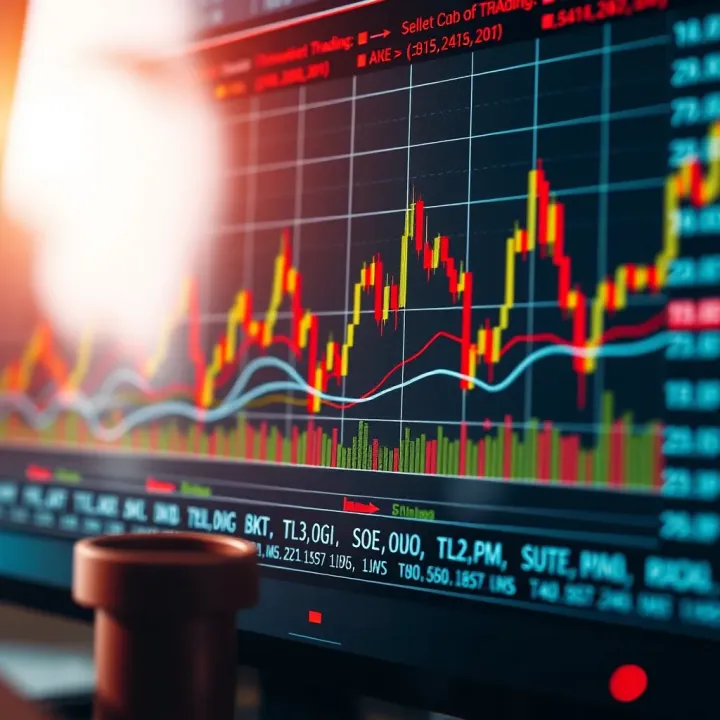
Forex Trading Tips for South African Traders
📊 Explore key Forex trading tips 🇿🇦 tailored for South African traders. Learn market basics, risk control, and tactics for smarter decisions.
Edited By
Daniel Foster
Starting forex trading in South Africa can feel like stepping into a maze without a map. The sheer number of platforms to choose from, each with its own features, fees, and security measures, can overwhelm even the most eager beginner. This section sets the stage for selecting the right forex trading platform tailored specifically to South African traders.
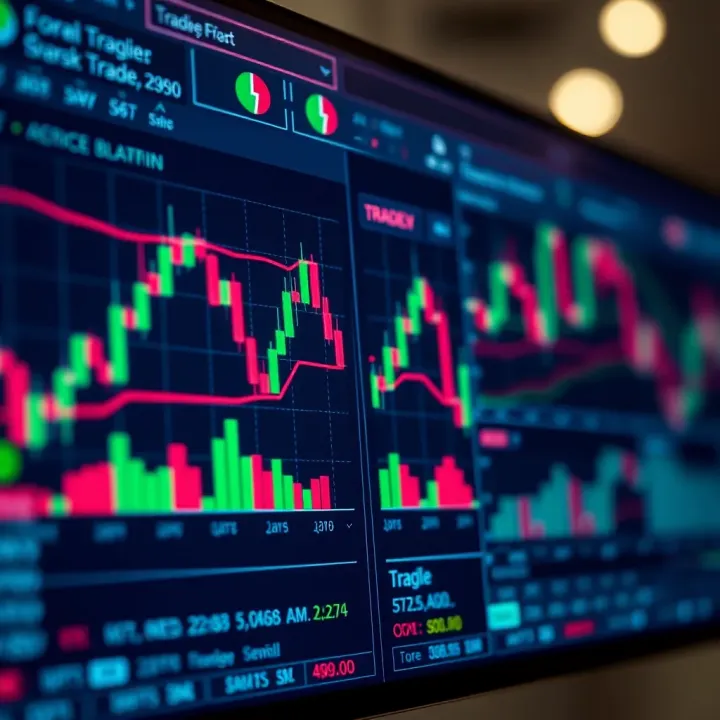
Choosing the right platform isn’t just about flashy charts or quick execution; it’s about finding a space that suits your trading style, budget, and security needs. Especially as a newcomer, the wrong choice could lead to unnecessary losses, hidden fees, or even exposure to scams.
"A good platform acts as both your compass and your toolset — it points you in the right direction and makes trading manageable."
User Interface: Clear, straightforward navigation helps you focus on trading rather than fumbling with complex menus.
Educational Tools: Access to tutorials, demo accounts, and market analysis can make a big difference while you build confidence.
Local Support: Platforms that understand the South African market, including local regulations and payment methods, speed up your setup and resolve issues faster.
South African traders generally encounter three main types:
Web-Based Platforms: Accessible from any browser without downloads. Examples include platforms offered by big brokers like IG or EasyEquities.
Desktop Applications: More powerful and feature-rich, suitable if you plan to trade frequently. MetaTrader 4 or 5 is popular worldwide and supported locally.
Mobile Apps: Handy for keeping an eye on markets on the go. Many brokers provide apps with almost all desktop features.
Consider spreads, commission fees, withdrawal or deposit charges, and the minimum deposit amounts. For instance, platforms linked to South African banks often charge less for deposits but may apply withdrawal fees.
Finding a balance between low cost and good service is key. Cheaper platforms sometimes compromise on support or security.
With this foundation, you're better positioned to evaluate what a good forex trading platform should offer and which fits your needs best. The following sections will unpack each aspect in more detail, helping you trade smarter and safer in Mzansi's evolving forex scene.
Choosing the right forex trading platform boils down to identifying features that suit your needs and level of experience, especially for beginners in South Africa. You want a platform that’s straightforward, reliable, and packed with tools to help you learn and trade confidently. The best platforms balance ease of use with enough advanced options to grow into as your skills improve.
Ease of navigation for beginners: When you’re just starting, a cluttered or complicated platform can be overwhelming. Look for a clean layout that shows your charts, orders, and account info clearly. Platforms like MetaTrader 4 or ThinkMarkets have simple menus that make placing trades less confusing. The less time you spend hunting for features, the more you can focus on learning and making smart decisions.
Mobile compatibility and apps: Trading isn’t always locked to a desk these days. A well-designed mobile app lets you check prices, manage trades, and receive alerts while you’re on the move — crucial in South Africa where data costs and connectivity can vary. Apps from brokers like IG or Plus500 work well on both Android and iOS and offer secure logins with biometrics. Mobile trading means you don’t miss out on sudden market moves, no matter where you are.
Demo accounts and tutorials: Practising without risking real money is vital for beginners. Most top platforms offer demo accounts with virtual funds to test strategies. For example, easyMarkets provides demo accounts alongside tutorials that walk you through opening trades and managing risks. Engaging with these tools before committing real cash helps build confidence and understand market behaviour without pressure.
Market analysis and news updates: Staying informed supports better decision-making in forex trading. Platforms that offer daily news updates, economic calendars, or technical analysis tools give you insight into factors affecting currency pairs. For instance, Saxo Bank’s platform includes integrated news feeds and charting tools. Keeping up-to-date means you’re less likely to be blindsided by local or global events that sway markets.
Availability of major and minor pairs: Most beginner traders start with major pairs like USD/ZAR, EUR/USD, or GBP/USD due to better liquidity and tighter spreads. However, having access to minor or exotic pairs such as ZAR/JPY or USD/MXN on your platform offers diversification opportunities. Brokers like HotForex cater well to South African traders by providing a wide range of pairs with competitive spreads.
Access to CFDs and other assets: While forex forms the core of trading, platforms that also offer contracts for difference (CFDs) on indices, commodities, or shares add versatility. This flexibility allows you to hedge your positions or explore other markets without opening multiple accounts. For example, IG provides CFDs on local shares like Naspers and global commodities, broadening your investment avenues.
Selecting a forex trading platform with these key features helps you build skills steadily and trade smart from the outset, setting solid foundations for your journey in the forex market.
Choosing the right forex trading platform starts with understanding the differences between the main types available. Each platform caters to specific trading styles and needs, especially for South African beginners balancing accessibility and functionality. Making a clear comparison helps you pick a setup that matches your experience, trading frequency, and device preferences.
Web-based platforms load directly through your browser, so there’s no need to install anything. This makes them particularly handy for new traders who don’t want to fuss with software. They offer quick access from any computer with internet, perfect for South Africans who may switch between home and work devices or use internet cafés from time to time. On the downside, their reliance on a stable internet connection means trading during loadshedding or on shaky data can be risky. They may also lack advanced technical tools compared to desktop options, limiting their use for serious or frequent traders.

Platforms like MetaTrader WebTrader and IG’s web platform enjoy popularity among local traders. MetaTrader WebTrader is widely favoured for its familiar interface and easy account linking, while IG’s offering provides strong educational resources and solid customer support. Both are suited for beginners testing the waters without full commitment to an installed system.
Desktop platforms generally pack more power and precision. These are intended for active traders who analyse charts deeply and execute trades rapidly. Software like MetaTrader 4 or 5 offers custom indicators, automated trading through expert advisors, and faster execution speeds. Many local forex traders who want to keep track of multiple currency pairs or CFDs prefer desktop setups for this reason.
Installing desktop software requires adequate PC specs and space, which may deter some beginners relying on older laptops or tablets. Most platforms specify minimum RAM and processor speeds, along with compatible Windows or macOS versions. South African traders in rural areas with limited internet bandwidth might also find downloading updates time-consuming. Still, investing in suitable hardware pays off if you plan consistent trading.
Mobile apps bring your trading to your pocket, letting you monitor markets and make deals anywhere. With South Africans often travelling between urban and township areas or using mobile data, apps from brokers like Plus500 or FXTM offer flexibility and convenience. Their straightforward interfaces mean you can check price alerts or place stop-loss orders during your daily commute or while enjoying a quick braai.
Security is a big concern on mobile, especially with public Wi-Fi or shared devices. Most reputable apps employ two-factor authentication (2FA) and encryption to safeguard accounts, but users must be vigilant about passwords and app updates. Mobile malware is less common but still a risk, so only download apps from official stores and keep your smartphone’s operating system up to date.
Different platforms suit different needs. Beginners should weigh convenience against toolsets and security, especially within South Africa’s unique tech and connectivity context.
Grasping the costs and fees tied to forex trading platforms is a must for any beginner in South Africa. These expenses, while often overlooked, can quickly add up and eat into your profits. Knowing what each charge means and how it applies helps you avoid nasty surprises and pick a platform that suits your budget and trading style.
Spreads are the difference between the buying (bid) and selling (ask) price of a currency pair. Fixed spreads stay the same regardless of market action, which can provide predictability especially for newbies. For example, a fixed spread of 2 pips means you pay the same cost regardless of how volatile the market is. Variable spreads, on the other hand, fluctuate depending on market liquidity and volatility. During busy trading hours, spreads might narrow down to 0.5 pips, but they can widen sharply during low-volume times or high-impact news events.
Choosing between fixed and variable spreads depends on your trading habits. If you're starting out and prefer consistency, fixed spreads give peace of mind. However, more experienced traders often prefer variable spreads because tight spreads during active hours can minimise costs.
Some brokers charge a separate commission per trade alongside or instead of spreads. Commissions are usually a small percentage or fixed fee per lot traded. For instance, a broker might charge R30 for every standard lot (100,000 units) traded. While this seems like an extra cost, it often offsets tighter spreads, making overall costs competitive.
You’ll find commission fees tend to apply mostly on ECN (Electronic Communication Network) accounts, which provide direct market access, preferred by active traders. Always compare the total cost — spread plus commission — to understand what you’re genuinely paying.
Funding your forex account should be straightforward with minimal costs. Most South African brokers accept convenient local options such as EFT (Electronic Funds Transfer) or Instant EFT services. Some platforms may offer PayFast or payment via credit/debit cards, but watch for any extra percentage fees taken by the provider.
If your broker charges a R50 deposit fee for EFTs, and you plan to fund monthly, those fees mount up. So, do some homework — look out for brokers that offer free or low-cost local payment options to keep costs lean.
Getting your money out smoothly is as critical as depositing it. Withdrawal times vary: EFTs can take anywhere from 24 to 72 hours, while card or e-wallet withdrawals might be almost instant.
For example, a trader who needs funds quickly between trades or urgent expenses can’t afford to linger. Checking a broker’s usual withdrawal turnaround becomes practical, especially during busy periods like December when bank processing slows down. Fast processing reduces frustration and helps maintain cash flow.
Some platforms charge fees if you leave your account dormant for a few months. Inactivity fees might be R100 or more monthly, which can gradually eat into your balance if you’re taking a break or learning with a demo account.
Always check the fine print: even if you’re not actively trading, these charges can affect new traders who aren’t yet committed to daily trading. Choosing brokers with no inactivity fees or clear policies prevents unnecessary losses.
Many South African traders deposit in Rand but trade currencies quoted in USD, EUR, or other majors. Brokers often convert your deposits and withdrawals at their own rates, which can be less favourable than the mid-market rate.
For example, if you deposit R10,000 and the broker applies a 3% conversion margin, you effectively start trading with R300 less. Using brokers offering Rand accounts or transparent currency conversion rates helps limit these hidden costs.
Knowing the ins and outs of fees isn’t just about saving money — it’s about understanding your true trading costs. This knowledge empowers you to pick a platform that supports your goals, offers transparency, and saves you unnecessary expenses down the line.
When it comes to forex trading, especially for beginners in South Africa, safety and regulation should be top priorities. The forex market is notoriously fast-moving and can be risky, making a solid regulatory framework essential to protect traders from scams, unfair practices, and loss of funds. Knowing who regulates your broker and what security measures protect your data can save you from costly mistakes.
The Financial Sector Conduct Authority (FSCA) is South Africa's main regulator overseeing financial markets, including forex brokers operating locally. Its job is to ensure that firms behave fairly and transparently, providing a safer trading environment. In practical terms, this means brokers registered with the FSCA must follow strict rules, such as keeping client funds separate and providing clear terms of service.
For example, a forex broker licensed by the FSCA is subject to regular audits and must report any suspicious activities, which builds trust for individual traders. Knowing that your broker complies with FSCA regulations reduces the risk that they are operating fraudulently and offers legal recourse if things go wrong.
Opting for a broker regulated by the FSCA or other reputable authorities is a fundamental safety step. Regulated brokers typically maintain higher capital reserves, which helps ensure they can cover client withdrawals even in tough market conditions. This is crucial because unregulated brokers sometimes vanish with clients’ deposits, leaving traders stranded.
Selecting a regulated broker also means you benefit from dispute resolution mechanisms and oversight that keep trading practices honest. While regulation does not eliminate all risks, it significantly reduces exposure to fraud and manipulative trading behaviour, making it easier to focus on learning and earning.
Top forex platforms deploy encryption technology to protect your account information and transactions against hackers. Encryption essentially scrambles data, so even if intercepted, it remains unreadable. This is especially important when you log in from public Wi-Fi hotspots or mobile networks, which can be less secure.
Additionally, many platforms use two-factor authentication (2FA), requiring a second approval step, such as a code sent to your mobile. This extra layer stops unauthorised access even if your password leaks. As a beginner, looking for brokers offering these security features can prevent the hassle and losses of account breaches.
Forex platforms must also protect your personal identity and banking details under the Protection of Personal Information Act (POPIA) in South Africa. This means brokers need strong IT systems and clear privacy policies explaining how your data is used and stored. Always review these policies and avoid platforms that are vague about data protection.
Practical tips include using unique, complex passwords and being cautious about sharing login details. Never respond to unsolicited requests for your financial info. And if a broker asks for unnecessary personal documents, it’s a red flag. Keeping your information safe helps prevent identity theft and financial loss, which matters just as much as the trades themselves.
Choosing a well-regulated broker with solid security measures is your best bet to safeguard your funds and personal information in forex trading. It ensures peace of mind so you can focus on learning and growing in the market.
Opening your trading journey on the right foot is vital. Knowing how to set up an account and navigate your platform builds confidence and helps avoid frustration later on. This section takes you through the practical steps to get started effectively with your forex trading platform in South Africa.
South African brokers must comply with RICA (Regulation of Interception of Communications Act) and FICA (Financial Intelligence Centre Act) regulations. This means you’ll need to provide certain documents when you first open an account. Usually, this includes a valid South African ID or passport, proof of address (like a recent utility bill or bank statement not older than three months), and sometimes proof of income or employment details.
The verification process involves the broker checking these documents to confirm your identity and residence. This safeguards both you and the platform against fraud and money laundering. Verification can take anywhere from a few hours to a couple of days depending on the broker. Having your paperwork ready speeds this up, so keep digital copies handy when you register.
Demo accounts let you trade with virtual money, so you can practise and experiment without risking your savings. This is especially useful if you’re new to forex or trying out complex strategies. You can see how your decisions would have played out in real market conditions, adjusting your approach without pressure.
Besides practising trades, demo accounts also help you get familiar with the platform’s features. You can test order types, explore charts, and use technical indicators at your own pace. This hands-on experience clears the path for smoother live trading later.
Setting stop-loss orders acts as a safety net for your trades. It automatically closes a position when losses hit a set amount, preventing runaway losses that can quickly drain your capital. Even seasoned traders swear by stop-losses as part of sound risk management.
Avoiding overtrading is another crucial lesson. It’s tempting to keep pushing trades hoping to recover losses or score quick profits. But this can lead to emotional decisions and bigger losses. Sticking to a trading plan and taking breaks when needed keeps your head clear and your wallet safer.
Beginning cautiously with clear steps like account setup, practising on a demo, and managing risks sets you up for long-term trading success. Take your time, respect the rules, and learn from every trade, no matter the outcome.
📊 Explore key Forex trading tips 🇿🇦 tailored for South African traders. Learn market basics, risk control, and tactics for smarter decisions.
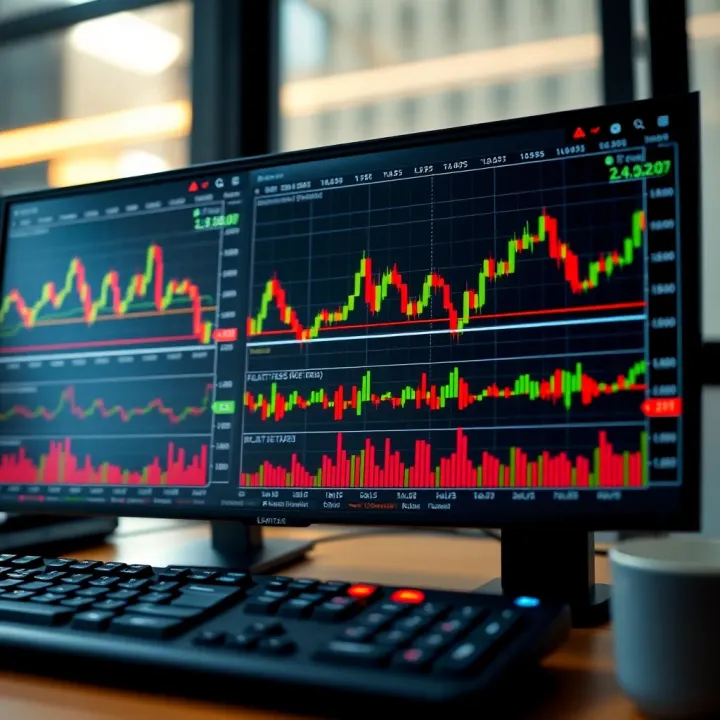
Explore top free forex trading platforms for South African traders 🇿🇦. Learn to pick the right one, weigh pros and cons, and boost your trading without fees 💹.
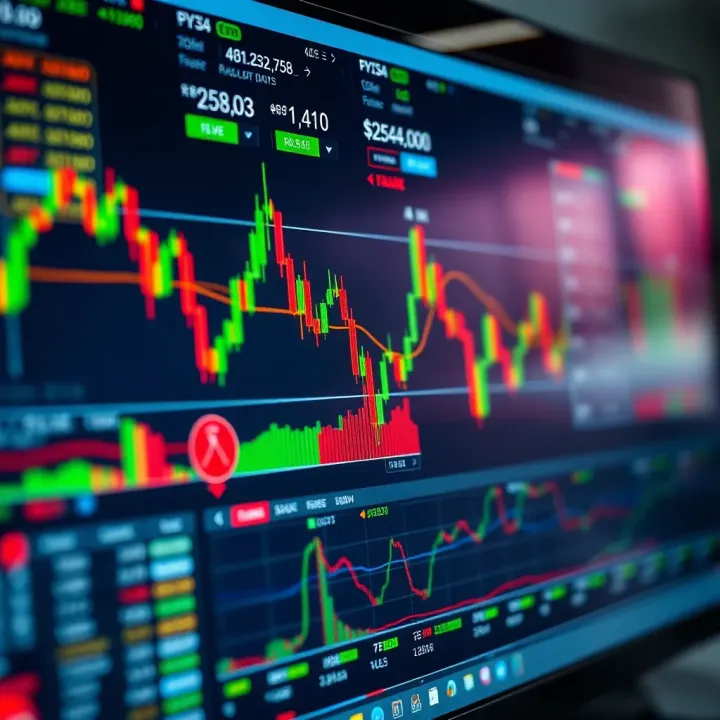
📈 Discover essential forex trading tools to boost your strategies in South Africa—from charting software to risk management and reliable broker platforms.
🔍 Start your forex trading journey in South Africa right: learn market basics, risk management 🎯, top platforms, & avoid common newbie mistakes! 💡📊
Based on 11 reviews