

Forex Trading Software Guide for South African Traders
Explore forex trading software in South Africa 🇿🇦: types, key features, benefits, and tips for matching platforms with your strategy and risk needs.
Edited By
Charlotte Reed
When you step into forex trading in South Africa, picking the right software can shape your entire experience. It’s not just about flashy charts or speedy execution; the software needs to suit local market conditions and your own trading style.
South African traders face unique challenges—like navigating volatile rand exchange rates and adjusting for regional trading hours that don’t always line up with international markets. That's why choosing forex software that syncs well with local brokers and provides reliable real-time data is vital.
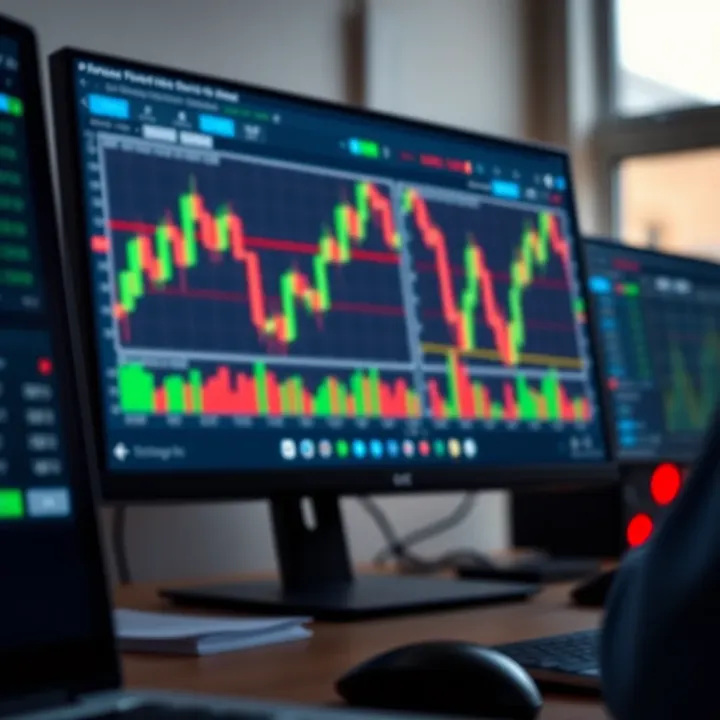
Here are key points to consider right from the get-go:
User-friendly interface: Whether you’re fresh to forex or a seasoned analyst, the software should be intuitive. Spending your time wrestling with clunky menus won’t make you money.
Integration with brokers: Make sure your platform connects smoothly with brokers active in South Africa, such as those regulated by the Financial Sector Conduct Authority (FSCA). Compatibility cuts down on execution lag and errors.
Cost and fees: Watch out for hidden charges. Besides upfront licence or subscription fees, check if the software demands commission per trade or monthly data costs.
Reliability and uptime: Frequent glitches or downtime, especially during volatile market swings, can erode both your confidence and your capital.
Security features: Forex trading involves real money; the software must protect your data and funds from cyber threats. Look for multi-factor authentication and support for encrypted connections.
Choosing forex software isn't just ticking boxes—it’s about finding the right fit for your trading habits and South African financial conditions.
By keeping these factors in mind from the start, you’re better positioned to avoid pitfalls and maximise your forex trading potential in Mzansi’s market. In the following sections, we’ll break down popular platforms and offer tips on matching software features with your specific trading needs.
Choosing the right forex trading software means you need to look closely at several key features that impact your day-to-day trading experience and overall effectiveness. From the ease of use to how well the software handles orders, every element matters if you want to trade confidently in South Africa’s dynamic forex market.
A clean, intuitive user interface helps you navigate the platform quickly, without second-guessing where to find tools. Look for software that allows you to customise dashboards and layouts to suit your trading style. For example, traders focusing on technical analysis may want chart windows front and centre, while others might prioritise order management panels. Customisable alerts and watchlists are also a boon — they help you track key currency pairs, like the ZAR/USD or EUR/ZAR, without constantly refreshing the screen.
Advanced charting capabilities make it easier to spot trends and market shifts. The software should offer multiple chart types (candlestick, line, bar) and support a wide range of technical indicators such as Moving Averages, RSI (Relative Strength Index), and Fibonacci retracements. South African traders who follow local economic data releases can integrate these indicators to time entries more effectively. A bonus is when the platform lets you add custom indicators or modify existing ones, tailoring analysis to your approach.
Different order types—market, limit, stop-loss, and trailing stop—are vital for managing trades with precision. The ability to place conditional orders protects your capital during volatile periods, like when the SARB announces interest rate changes. Equally important is execution speed; sluggish order fulfilment can cost you dearly in fast-moving markets. Software that connects directly to reliable brokers with minimal latency ensures your trades happen as intended.
Many traders benefit from automated systems that execute trades based on pre-set rules or algorithms, known as Expert Advisors (EAs). These can run continuous strategies without the emotional bias humans might introduce. However, it’s key to choose software supporting reliable EAs with robust backtesting tools. This way, you can simulate your strategy against historical data, including past Eskom loadshedding periods, to verify effectiveness before risking real Rand.
Given the unpredictable nature of the markets, having access across devices is a must. Check if your forex platform runs smoothly on desktops, laptops, and mobile devices (Android/iOS). Many South African traders prefer software that syncs data seamlessly, allowing them to monitor positions on the move, whether travelling between Johannesburg and Cape Town or stuck in a robot queue.
Security cannot be overlooked. Look for software that encrypts your data end-to-end and employs two-factor authentication (2FA). South African traders should also confirm that platforms comply with local data protection laws, such as the Protection of Personal Information Act (POPIA). Keeping your funds and personal info safe from cyber threats gives peace of mind as you focus on the markets.
An effective forex trading platform balances functionality and security, tailored to individual needs and local trading conditions. Paying attention to these features helps you avoid costly slip-ups and keeps you ahead in the market.
Each feature plays its part in creating a smooth experience. Together, they build a foundation that supports better decisions and, hopefully, better returns on your forex trades.
When it comes to forex trading, choosing the right software can make a real difference in your success and efficiency. South African traders need to pick platforms that not only offer vital features but also align with local market conditions and regulatory requirements. Understanding popular forex trading software options helps you make an informed choice, whether you're a beginner or an experienced trader.
MetaTrader 4 (MT4) and its successor MetaTrader 5 (MT5) are among the most widely used forex platforms globally, including in South Africa. Their popularity comes from a combination of user-friendly design, extensive charting tools, and support for automated trading through Expert Advisors (EAs). Many brokers in South Africa, like FXTM and HotForex, support these platforms, making it easy to switch or open multiple accounts. MT5 adds features like more timeframes, an economic calendar, and advanced order types, which some advanced traders will find handy.

Traders appreciate MT4 for its simplicity and broad community support, while MT5 appeals to those wanting additional tools and a multi-asset trading environment, including stocks and commodities.
cTrader is known for its modern interface and transparency in pricing and order execution. It offers Level II pricing, showing the order book depth, which is great if you want insight into market liquidity. South African traders looking for razor-sharp execution speeds, especially day traders and scalpers, often favour cTrader. It supports algorithmic trading with cAlgo, similar to MetaTrader's Expert Advisors but with code written in C# rather than MQL.
Brokers like Pepperstone and FxPro make cTrader available, so if you prefer a platform that balances ease of use with more professional tools, cTrader is worth a look.
Some South African brokers develop their own in-house platforms tailored to local and regional needs. These proprietary platforms often integrate customised features, such as direct client support, local payment methods like EFT and Instant EFT, plus access to regional news feeds relevant to markets affecting the rand (ZAR).
For instance, a broker might have a web-based platform with simplified navigation and robust mobile functionality for traders on the go. While these platforms might not have the extensive third-party plugin ecosystem of MetaTrader or cTrader, they often bring added ease for beginners or those who prefer a hands-on customer support experience.
In South Africa, many traders use mobile trading apps to keep an eye on the market during their daily commute or while away from their desktops. Apps linked to major platforms like MetaTrader and cTrader offer most desktop features, including charting and order execution. For quick trades and alerts, these apps are essential.
Local brokers also offer their own mobile apps, ensuring compatibility with their proprietary platforms and local payment gateways. When choosing a mobile app, consider data consumption since mobile data can be costly, and look for apps that function smoothly under variable network conditions.
The key is to match your trading style and needs with a software option that offers reliability, speed, and the tools you value most while factoring in the local trading environment and infrastructure realities here in South Africa.
Choosing forex trading software that matches your trading style can make a big difference to your success and ease of use. Different styles demand unique features and tools, so knowing whether you’re a day trader, long-term investor, manual trader, or focused on automation will guide you to the software that fits best.
Day traders need fast execution speeds and real-time data more than anything else. Platforms that offer rapid order placement, advanced charting, and multiple technical indicators suit this style well. For example, MetaTrader 5’s advanced charting and lightning-fast execution make it popular with South African day traders who need precision on volatile jse hours.
Conversely, long-term investors care less about split-second decisions and more about comprehensive analysis tools, portfolio tracking, and news integration. They might prefer software that provides fundamental data like economic calendars or financial reports. A tool that lets you set alerts for key market moves or allows linking to your broker’s investment account for monitoring dividends and interest will be more useful.
Manual traders appreciate platforms that offer flexibility and full control over each order. They want easy access to different order types (limit, stop-loss, trailing stops) and straightforward user interfaces. That said, they might still benefit from paper trading (demo modes) to test strategies before committing real funds.
On the other hand, automated traders focus on software that supports expert advisors (EA) or trading bots. If you develop or use algorithmic trading systems, look for platforms with backtesting features and stable environments for running automated executions without downtime. While cTrader offers great support for algorithmic trading with custom coding options, MetaTrader remains a market favourite thanks to its extensive EA marketplace.
If you’re just starting out, simplicity should be your priority. Complex software packed with features might overwhelm you and slow down learning. Instead, pick a beginner-friendly platform with good educational resources and practice modes. Demo accounts, a straightforward interface, and clear trade execution tools let you build confidence without risking capital.
Also, ensure the software integrates well with local brokers and supports South African rand (ZAR) trading accounts. Some platforms allow customisation to remove unnecessary features, helping you focus on core trading basics before expanding.
Matching your software to your trading style isn’t just about convenience. It can save you time, reduce frustration, and improve your trading outcomes, especially in the fast-moving South African forex environment.
In summary, day traders should prioritise speed and advanced charts, long-term investors need strong analysis and monitoring features, manual traders want flexible order management, and newcomers should seek simplicity and education. Knowing your style steers you to software that truly meets your trading needs.
When setting up forex trading software in South Africa, it’s not just about picking the latest platform but ensuring your setup fits local trading conditions and your personal style. A smooth start can save you headaches later, especially given challenges like load shedding or variable internet speeds. The right preparation helps you trade confidently and securely while making the most of the software’s features.
Not all brokers support every trading platform, so you must confirm compatibility before committing. Popular platforms like MetaTrader 4 (MT4) and MetaTrader 5 (MT5) enjoy widespread broker support, but some local or niche brokers use proprietary systems tailored to specific user needs.
Check if your chosen broker offers stable, low-latency connections to your preferred platform. For example, a Johannesburg-based trader using cTrader should ensure their broker’s servers are close or well-optimised to minimise execution delays, especially important for scalping or day trading strategies.
Besides software compatibility, verify that your broker is registered with the Financial Sector Conduct Authority (FSCA). This safeguards your investments under South African law and ensures adherence to standards like client fund segregation and fair trading practices.
Forex trading carries inherent risks besides market volatility, including tech vulnerabilities unique to South Africa, such as power outages. To counter that, consider backup internet options—like using mobile data if your home fibre drops—and invest in an uninterruptible power supply (UPS) to keep your computer or router running during short load shedding spells.
Security-wise, enable two-factor authentication (2FA) wherever possible, especially on your trading platform and broker accounts. Avoid using simple passwords, and regularly update your software to patch any security gaps. South African traders should also be wary of phishing scams pretending to be from brokers; always verify emails and use official apps downloaded from trustworthy sources.
Risk management should extend to trading practices. Use stop-loss orders to limit potential losses, and don’t put more capital into the market than you’re prepared to lose. This discipline helps protect your investments during turbulent times.
Before dipping your toes in live trading, demo accounts offer a sandbox environment to practice. Many South African brokers provide free demo access to their platforms, which mirrors live market conditions without risking real money.
Use the demo period to familiarise yourself with order placements, charting tools, and custom indicators. For instance, if you’re experimenting with automated strategies on MT5, demo accounts allow you to test Expert Advisors without financial pressure.
Be mindful that demo trading lacks the emotional stakes of live markets; once you switch to real accounts, expect some psychological differences. Nonetheless, extensive demo use equips you with practical skills and a good sense of the software’s strengths and quirks.
Proper setup and cautious trial run save you from unnecessary losses and frustrations. It's not just about having the best software but making sure it fits your setup, broker, and trading style right here in South Africa.
Taking the time to align your forex trading software with your broker, safeguarding your trading environment, and leveraging demo accounts can make a significant difference in your trading success and peace of mind.
Choosing forex trading software isn’t just about features or ease of use; understanding the costs involved and the licensing status of the software plays a major part. South African traders need to be aware of what they’re paying for, how transparent the fees are, and whether the software complies with local financial regulations. Without this insight, you risk surprise charges or even using software that isn’t authorised for proper trading.
There are several free trading platforms available, like MetaTrader 4 (MT4), which many traders start with. Free options are great for those just learning or testing strategies because they often provide essential tools without a monthly fee. However, they might lack advanced features or have limited customer support. For more serious trading, paid software typically offers better execution speed, in-depth charting, and more automated options. For example, cTrader sometimes charges fees for premium services, but this is balanced by its more sophisticated order routing.
That said, free doesn’t always mean no cost at all. Some platforms rely on spreads—the difference between buying and selling prices—to make money. If the spreads are wider, you effectively pay more per trade. Consider your trading volume as well; a free platform might be ‘cheap’ at first but cost you more in the long run.
Licensing is central to trusting any forex trading software. South African traders should confirm the software provider is regulated by the Financial Sector Conduct Authority (FSCA) or linked to brokers authorised in South Africa. Platforms connected to unregulated brokers can expose you to scams or unreliable trade executions. For instance, while MT4 and MT5 are widely accepted globally, some private proprietary platforms may not be fully licensed locally.
Remember, software licensing also impacts security and data protection standards. Licensed platforms tend to adhere to stricter data privacy laws, shielding your personal and financial info better. It’s worth verifying the software provider’s compliance with the Protection of Personal Information Act (POPIA).
Many traders overlook hidden costs that can creep up alongside software use. These include:
Subscription fees for advanced market data or premium indicators
Commission fees charged per trade separate from spreads
Withdrawal or funding charges imposed by the broker, which can be tied to the software’s payment processing
Technical support fees for personalised help beyond standard assistance
In South Africa, some international brokers link to local banks, which might levy their own transaction fees on deposits or withdrawals. Also, data costs can add up if your trading software demands constant real-time updates, especially over mobile networks.
Staying clear on costs and verifying licensing upfront protects you from nasty surprises and builds confidence in your trading setup. Always read the fine print and ask brokers or software providers directly about all fees.
In summary, balancing free versus paid software, checking regulatory compliance, and budgeting for extra charges form a smart approach to forex trading software expenses in South Africa.
Explore forex trading software in South Africa 🇿🇦: types, key features, benefits, and tips for matching platforms with your strategy and risk needs.
Find the best forex trading software in South Africa 🇿🇦. Learn about top platforms, local bank integration, security, and tips for smart trading decisions.
Explore free forex trading software for South African traders 📊. Learn about key features, security tips 🔒, demo accounts, and how to pick the right tools.
Explore free forex trading in South Africa 🇿🇦 with platforms offering no-cost access, educational tools 📚, beginner accounts, and safety tips for risk-free practice.
Based on 15 reviews