

Best Trading Apps in South Africa: A Simple Guide
Looking for the best trading app in South Africa? 📈 Compare fees, features, security, and ease of use to make smart investing choices confidently.
Edited By
Amelia Foster
Picking the right stock trading app can feel like navigating a maze, especially with so many options tailored to South African investors. Whether you’re a seasoned trader or just getting your feet wet, the app you choose can make or break your trading experience.
South Africa’s financial landscape has its quirks—ranging from local regulations governed by entities like the Financial Sector Conduct Authority (FSCA) to transaction fees and tax implications that differ from other markets. On top of this, the intermittent loadshedding can affect online trading, so app reliability during power cuts is worth considering.

Key factors to keep in mind include: user interface, cost structures, range of available instruments (stocks, ETFs, bonds), and access to local and international markets. For instance, some apps might provide fractional share investing on the JSE or access to US stocks without extra hassle, which can be a big deal if you want diversified exposure.
The best trading app is one that fits where you are in your investing journey and aligns with your style and budget.
Look out for apps offering robust security features like two-factor authentication and data encryption; after all, protection against fraud is vital. Also, consider how the platform handles customer support, especially if you're a newer investor needing quick help.
In the next sections, we’ll break down these criteria and review popular options suitable for different experience levels. You’ll learn how to weigh features against your financial goals and find a trading app that really works for you, from monthly cost to market access and beyond.
Choosing the right stock trading app means looking beyond just the brand name or flashy marketing. For South African investors, practical features that support effective and secure trading are key. These features allow you to move swiftly and confidently through the markets, whether you’re buying Steinhoff shares on the JSE or trading Apple stocks on the US market.
Ease of navigation is about how quickly you can find what you need without getting bogged down. A cluttered app with confusing menus can mean missed opportunities or mistakes with orders, especially for active traders. For instance, an investor trying to place a stop-loss order during volatile markets needs clear, intuitive controls that don’t waste time.
Customisable dashboards give you control over the information you see first. Experienced users might prefer charts and order books upfront, whereas beginners may want news feeds or watchlists visible. Apps like EasyEquities allow South Africans to adjust their dashboard so they can keep tabs on favourite stocks or index movements without hunting around.
Mobile responsiveness is a must in today’s on-the-go world. Many investors check their portfolios between meetings or while commuting. An app that works smoothly on smartphones and tablets, adjusting layouts without lag or display glitches, makes trading accessible anytime and anywhere. When an app crashes or freezes during market hours, that’s money on the table lost.
Encryption standards protect your personal and financial data from hackers. Good apps use at least 256-bit encryption, a level also employed by many banks. This ensures that your login details, passwords, and transactions are safely scrambled, making it tough for cybercriminals to intercept your information.
Two-factor authentication (2FA) adds another layer of defence. Even if someone gets hold of your password, they’d still need a second form of identification, like a temporary code sent to your mobile, to access your account. This is especially important given the rise in online fraud targeting investors.
Data privacy compliance means the app follows South African laws like the Protection of Personal Information Act (POPIA). Your data should not be sold or shared without consent, and you should have transparent controls over what is collected. Apps that clearly state their privacy policies and have good reputations in this regard score higher.
Local shares form the backbone for many South African investors, offering exposure to companies on the Johannesburg Stock Exchange (JSE). Your app should provide comprehensive access to JSE listed equities and be updated with live market data during trading hours.
Global stocks and ETFs open doors to diversification beyond South Africa’s borders. Access to US, UK, or other major markets lets investors tap into different sectors and hedge currency risk. Many reputable South African brokers now offer trading in top international ETFs and shares, allowing clients to spread their bets.
Other instruments like bonds and derivatives cater to more advanced traders or those looking for income and hedging strategies. Access to government bonds, corporate bonds, or even derivatives like options can be a great plus. However, these often require additional knowledge and come with added risk.
Market news updates keep you in the loop with the latest developments affecting your investments. Whether it’s a Rand fluctuation, company earnings, or political announcements, timely news helps make better decisions. Some apps integrate feeds from Reuters, Bloomberg, or local news agencies.
Charting and technical analysis tools let traders spot trends and signals. Features like candlestick charts, moving averages, RSI, or Bollinger Bands are popular among active traders. An app that lets you draw trendlines or compare multiple indicators can enhance your strategy.
Educational resources help build skills for newer investors or those trying new products. Videos, articles, tutorials, or webinars tailored to South African markets can clarify complex topics and boost confidence. An example is EasyEquities’ educational hub that breaks down investing concepts without jargon.
Reliable stock trading apps combine these features to help you trade smarter, stay safe, and keep control of your investments — whether you’re in Durban, Cape Town, or Johannesburg.
When choosing a stock trading app in South Africa, understanding the costs involved is vital. These fees directly cut into your investment returns, so knowing what you’re up against helps you make smarter choices. Different apps and brokers have their own fee structures, and overlooking them could mean you’re paying more than necessary.
Per trade fees refer to the charges you pay each time you buy or sell shares. Most South African brokers charge a fixed fee per trade or a percentage of the trade value. For example, Standard Bank’s stockbroking arm might charge around R60 per trade plus a fraction of the trade value, while some newer platforms offer a flat rate or even zero commission on certain trades. Knowing this helps you estimate how much each trade will cut into your money, especially if you’re trading frequently.
Minimum charges are a fee floor set by some brokers to ensure that small trades still generate some income for them. Say you want to buy shares worth R500 but the minimum commission is R80 – you’d still pay R80, which on small trades is quite steep. This means for casual or small-scale investors, minimum charges can drastically reduce profitability or discourage small trades altogether.
Comparison of popular brokers shows wide variation in fees. For example, EasyEquities offers some of the lowest fees and fractional share trading options, while older, more traditional brokers might have higher commissions but provide a wider range of assets and research tools. It pays to compare brokers not just on headline fees but on quality and value for your specific trading habits.
Monthly or annual maintenance fees cover the cost of keeping your trading account active. Some platforms waive these fees if you trade regularly or maintain a minimum balance. For instance, FNB Share Investing charges a monthly fee of about R10 but offers free trading for clients who transact monthly. These fees can sneak up on you if you’re inactive or simply holding shares without trading.
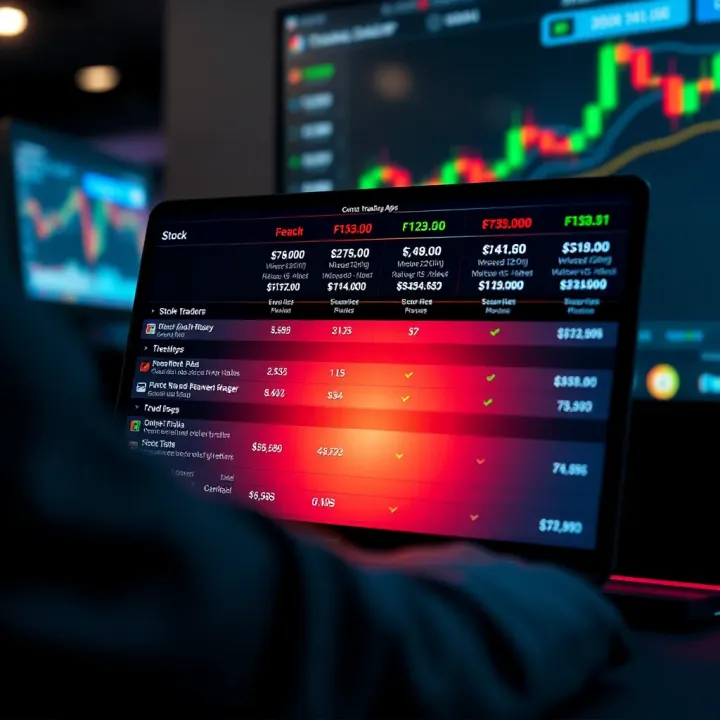
Withdrawal and deposit charges are costs tied to moving your money in and out of the platform. Not all brokers charge for deposits, but withdrawals can attract fees, especially if you want money paid back into a non-South African bank or use certain payment methods. It’s wise to check these costs to plan your cash flow efficiently.
Inactive account penalties come into play if you don’t trade for a while. Brokers may charge a fee if your account stays dormant for too long. For example, some platforms impose inactivity fees after six months or a year. If you’re a long-term investor who buys and holds, this could eat into your portfolio without your knowledge.
Impact on foreign stock trading is significant since buying shares listed outside South Africa usually involves currency conversion. When you invest in US-listed stocks, your Rand converts to US dollars. This adds an extra cost layer, as brokers apply currency exchange fees on top of spot rates.
Typical conversion rates can differ by broker, often ranging from 1% to 3% above the interbank forex rate. For example, if the forex market quotes USD/ZAR at R18, you might pay R18.30 to R18.50 for each dollar you buy through your broker. This premium cuts your net returns.
How to minimise forex fees includes strategies like lump-sum currency conversion instead of frequent small trades or choosing brokers with competitive forex rates. South African investors might also consider platforms with multi-currency wallets or those partnering with local banks offering better forex deals. Plus, using brokers who offer fractional foreign share trading helps reduce unnecessary multiple conversions.
Keeping a close eye on all these costs can save you plenty over time. Trading frequently on a platform with high commissions or forgetting about hidden fees can slowly drain your profits. Always review fee schedules carefully before committing.
Ultimately, understanding the structure and implications of these fees helps you pick a stock trading app that suits your budget and investing style without surprises cropping up later.
South African investors should prioritise regulation and the safety of their funds when choosing a stock trading app. Without proper oversight, there’s a greater risk of fraud, poor business practices, or even losing access to your money. Understanding the regulatory environment and how brokers protect client funds helps you avoid unnecessary risks and trade with confidence.
The Financial Sector Conduct Authority (FSCA) is the watchdog that supervises financial service providers in South Africa, including stock brokers and trading platforms. Its main job is to ensure these businesses operate fairly, transparently, and soundly. For South African traders, this means that any FSCA-authorised broker must adhere to minimum standards designed to protect you from malpractice.
Trading through an FSCA-authorised platform isn't just a legal formality—it guarantees the company is monitored and held accountable by a local regulatory body. For example, an authorised broker must maintain proper records, avoid conflicts of interest where possible, and submit regular compliance reports. These measures reduce the chance of your invested money being mishandled or the platform going rogue without notice.
One important safeguard mandated by the FSCA is the segregation of client funds. This means your money should be kept separate from the broker's operating funds. Should the broker face financial trouble, your investments won’t be tangled up with the company’s debts. This segregation is crucial because it prevents situations where investors are left stranded if the brokerage suddenly collapses.
In the unfortunate event of broker insolvency, segregated client funds offer a layer of recourse. While it might take time, investors can typically claim back their money held in separate accounts. That said, full recovery depends on the specific circumstances and whether proper processes were followed. So, it pays to check that your chosen app uses this safeguard before committing funds.
Opening an account with a trading app in South Africa generally involves submitting identification documents—like a South African ID or passport—and proof of address, which complies with the Financial Intelligence Centre Act (FICA) regulations. Ensuring these documents are handled securely is part of knowing your money is in safe hands.
Risk disclosures are another critical piece. These documents spell out the inherent risks of trading shares, which can be volatile and result in losses. Apps that clearly communicate these risks help investors make better-informed decisions instead of entering blindly.
Finally, client agreements set the formal rules between you and the broker. They explain the rights and responsibilities on both sides, such as how disputes are handled or what fees may apply. Reading and understanding these terms protects you from surprises and lets you exit the platform more smoothly if needed.
Trading on a platform regulated by the FSCA and with proper investor fund protections isn't just safer—it's your right as a South African investor.
When evaluating stock trading apps, check for FSCA licensing information, segregation of funds policies, and clear, transparent terms and conditions. This diligence goes a long way in securing your investments and peace of mind while you trade.
South African investors using stock trading apps must consider the range of markets accessible through the platform. Local and international trading options expand your investment universe, letting you balance domestic exposure with foreign growth opportunities. Choosing an app with broad market access means you won’t have to open separate accounts just to trade beyond the JSE.
The JSE offers various equities, ranging from blue-chip stocks like Sasol and Naspers to smaller-cap growth shares in sectors such as retail and financial services. Apps that provide full access to the JSE allow investors to build diverse portfolios within the local economy, benefiting from companies listed in mining, manufacturing, and technology.
Trading hours on the JSE run from 9:00 am to 5:00 pm SAST on weekdays, which matches working hours in South Africa. This schedule influences liquidity — shares tend to be most active in the morning and just before closing time. Apps that offer real-time trading data during these hours can help investors react quickly to price movements and market trends, maximising trade execution efficiency.
Beyond the JSE, many popular apps provide access to major global markets like the New York Stock Exchange, London Stock Exchange, and NASDAQ. These markets host tech giants such as Apple, Amazon, and Google, often unavailable directly on South African platforms. Access to these stocks allows local investors to tap into sectors less prominent domestically and spread currency risk across different economies.
South African brokers facilitate this global access by partnering with international custodians or offering direct links to overseas trading desks. This means you can buy and sell foreign shares within your local account, paying in Rand, which simplifies the process compared to managing offshore accounts.
One key factor when trading internationally is understanding tax obligations. Dividends and capital gains from foreign shares often attract Double Taxation Agreements (DTAs) between South Africa and other countries, but you still need to declare these earnings to SARS and may claim foreign tax credits. Being informed prevents unexpected tax bills and helps with proper accounting.
Aside from shares, many apps offer investment in unit trusts and exchange-traded funds (ETFs). These collectively pool money from many investors to buy a diversified portfolio of assets, often at lower fees than individual stock trading. For instance, a low-cost ETF tracking the S&P 500 gives exposure to 500 leading US companies in one purchase — a practical option for South Africans wanting international diversification without managing multiple individual stocks.
Cryptocurrency trading is increasingly available on some South African apps, though it remains separate from traditional stock markets. Platforms offering crypto allow users to trade Bitcoin, Ethereum, and other coins alongside conventional assets. This can appeal to investors curious about digital currencies but it comes with heightened volatility and regulatory uncertainties, so caution and research are advised.
Trading apps with a mix of local equities, global stocks, and alternative assets let you build a carefully balanced portfolio tailored to your investment goals and risk appetite — all managed from your mobile device.
By carefully weighing these options, you ensure your chosen app fits not only your trading style but also the range of markets and products you want to access.
Many South African investors rely on stock trading apps to manage portfolios conveniently and access various markets. Choosing the right app can save you from costly mistakes and boost your trading efficiency. Top trading apps often blend usability with features that cater specifically to this market, such as integration with local banks and compliance with South African regulations.
User-friendliness is a major attractor for new traders. An intuitive layout and easy navigation reduce the learning curve, making it simpler for beginners to place trades without stress. Apps like EasyEquities stand out here—they offer clean interfaces that demystify buying shares, allowing first-timers to focus on learning rather than fighting clunky menus.
Educational support is just as important. Beginner-friendly apps provide tutorials, glossaries, and investing tips tailored to local conditions. For example, EasyEquities includes educational articles and videos explaining share market basics, which helps users build knowledge as they trade. This support prevents costly mistakes coming from a lack of understanding.
Low fees are crucial because beginners often start with smaller amounts. High fees can erode returns quickly. Platforms like EasyEquities and SatrixNOW offer low or zero minimum fees ideal for newcomers. That means you can buy shares without paying loads in commissions, giving you more room to grow your capital steadily.
Active traders need advanced charting tools to make informed decisions quickly. These tools offer indicators, trend lines, and multiple chart types in real time. Apps such as IG and ThinkMarkets provide comprehensive charting modules, allowing traders to analyse price movements with precision — essential when timing is everything.
Real-time data availability is non-negotiable for active trading. Data delays, even seconds long, can result in missed trades or losses. Platforms like IG ensure clients access South African and international market data live, helping traders react instantly to market moves and news events.
Custom alerts and orders let traders act swiftly when certain price levels or market conditions arise. Alerts via email, SMS or app notification can signal buying or selling opportunities. Similarly, conditional orders, like stop-loss or take-profit, automate responses to rapid price changes. Apps targeting day traders, such as IG, excel at these features, supporting rapid decisions without being glued to the screen.
Strong local customer service ensures investors get help from agents familiar with South African market nuances and languages. This can be a huge relief when questions arise about deposits, withdrawals, or tax reporting. For example, FNB Securities offers excellent local support channels alongside its app, which builds trust.
Regulatory compliance protects your investments. Apps authorised by the Financial Sector Conduct Authority (FSCA) must follow strict rules around client fund protection, disclosures, and fair dealing. Using an authorised platform, such as EasyEquities or SatrixNOW, provides peace of mind that your money is held securely and trading practices meet local standards.
Finally, integration with South African bank accounts hugely simplifies deposits and withdrawals. When an app connects seamlessly with major banks like FNB, Standard Bank, or Capitec, fund transfers become quicker and cheaper. It also reduces hassle with currency conversions and avoids unnecessary delays or fees associated with international transfers.
Picking the right trading app boils down to your experience, goals, and how the app handles local realities—from fees to support. Exploring options with demo accounts can help you find the best fit before investing real money.
Selecting the right stock trading app isn’t just about flashy features or low fees—it's about finding a platform that fits your personal style, goals, and habits as an investor. Different apps cater to different needs. Knowing what kind of trader you are helps avoid frustration down the line and ensures you get value from your investment. For example, an investor focused on long-term growth won’t need the same quick-trade tools an active day trader demands.
Your investment goals influence which app suits you best. If you’re aiming for long-term growth, perhaps saving for retirement or a future home, you’ll want an app that supports steady portfolio building, offers access to a wide range of ETFs and unit trusts, and provides insightful market analysis without overwhelming real-time alerts. These apps often offer educational content to help new investors understand risk and diversification.
On the other hand, short-term trading involves frequent buying and selling, usually trying to catch market swings. Apps geared towards active traders provide advanced charting tools, quick order execution, and real-time market data. If this describes you, look for apps that minimise trading costs since fees can eat into profits when trades happen often.
Your risk tolerance is another key factor. Conservative investors might prefer apps that emphasise risk disclosures and provide portfolio simulations. Conversely, those willing to take bigger risks for potentially higher returns may want apps supporting derivatives or foreign stock trading, with features like stop-loss orders to manage potential losses.
Frequency of trades ties closely to both goals and risk tolerance. Casual investors who trade now and then don’t need apps loaded with bells and whistles. A simple, low-cost app with straightforward navigation will do. Active traders require apps that respond fast, handle high volumes, and allow for automation or custom alert settings so they don’t miss opportunities when away from their desktops.
Many apps offer demo or practice accounts, which let you trade using virtual money. Practising this way helps you get familiar with the app’s flow without risking real cash. For example, you can test how placing a market order or setting an alert works, and see if the app feels intuitive on your mobile device or desktop.
Evaluating app functionality through demos also helps spot issues early. If the charts lag or certain features are hidden behind a maze of menus, it might not work well for your trading rhythm. Testing lets you figure out how smoothly the app integrates with your banking setup, how fast withdrawals happen, and if customer support is easy to reach.
Availability of support channels matters a lot, especially for newcomers. Does the app offer chat, email, phone support during South African business hours? Fast responses can save you from costly mistakes or frustrating delays.
Quality of user reviews sheds light on common issues or praised features. But dig deeper than star ratings; look for detailed feedback about update frequency, security incidents, or fee surprises.
Community forums and resources add another layer of help. Some apps have active user groups where traders share tips or warn about glitches. Access to webinars or articles tailored to the South African market can improve your knowledge and confidence.
Choosing the right stock trading app is a balance between your trading style, comfort with technology, and the kind of support you expect. Trying before buying and doing your homework pays off.
Putting these pieces together will help you pick an app that serves you well rather than leaving you stuck with a platform that doesn’t match your investing habits.
Looking for the best trading app in South Africa? 📈 Compare fees, features, security, and ease of use to make smart investing choices confidently.
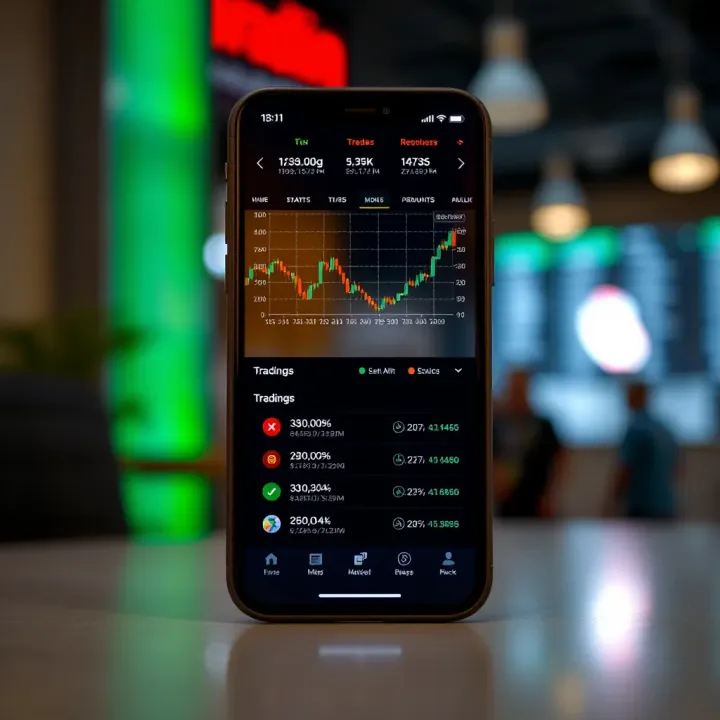
🤑 New to trading? Discover easy-to-use South African trading apps with low fees and local market access. Start smart with the best beginners’ options!

Explore free forex trading in South Africa 🇿🇦 with platforms offering no-cost access, educational tools 📚, beginner accounts, and safety tips for risk-free practice.

📚 Explore top forex trading schools in South Africa! Learn about courses, training approaches, and accreditation to pick the best fit for your trading goals.
Based on 11 reviews