

Choosing the Best Forex Trading App in South Africa
Find the best forex trading app for South African traders 🇿🇦 with tips on usability, costs, and reliable tools to trade smart and stay ahead 📱💰
Edited By
Amelia N. Foster
Finding the right trading app in South Africa means thinking carefully about your needs as an investor while navigating local market rules. With so many apps clamouring for your attention—each flashing about low fees or slick interfaces—the choice can get confusing fast.
South African trading apps have to follow local regulations set by the Financial Sector Conduct Authority (FSCA), which keeps your investments under a watchful eye. This means your selected app must support compliance with laws like the Financial Intelligence Centre Act (FICA) for identity verification. So, it’s not just about flashy features; legal and security standards come first.

A good trading app will save you time and money but also avoid headaches with clunky user interfaces or hidden costs. Look beyond the sticker price or first impression. For example, some apps charge commission per trade while others prefer a monthly subscription or a percentage fee on your portfolio. Understand which fee structure suits your trading style—whether you’re a frequent trader or planning to hold your shares long term.
Consider what you want to trade: local shares on the Johannesburg Stock Exchange (JSE), global stocks, ETFs, or even crypto. Some platforms like EasyEquities stand out for their access to both local and international markets at competitive rates. Meanwhile, others focus exclusively on JSE-listed products or forex trading.
Security features are vital, especially given rising cyber threats. Two-factor authentication, encryption, and clear privacy policies should top your checklist. A safe app means your personal and financial details stay protected, so watch out for platforms with track records of breaches or poor customer support.
To sum up, choosing the best trading app starts with understanding your trading goals, assessing fees and features, confirming regulatory compliance, and ensuring strong security. This approach helps you pick a platform that complements how you want to invest in Mzansi’s dynamic market.
Before you jump in, pause and ask: Does this app truly fit my investing style and keeps my money safe? That’s the foundation for confident, successful trading in South Africa.
In the sections ahead, we’ll break down key criteria, compare popular apps, and give you practical tips to navigate the options with confidence.
Understanding trading apps is key for anyone wanting to navigate South Africa's investment space effectively. These apps have shifted the trading landscape, offering quicker access, lower costs, and a broader range of financial products right on your mobile device. For South African investors, knowing what a trading app does and how it interacts with local markets helps avoid pitfalls and make smarter choices.
A trading app is essentially a software platform designed for buying and selling financial assets—like shares, bonds, exchange-traded funds (ETFs), and sometimes cryptocurrencies—using a mobile device or desktop. Unlike traditional brokerages that often require visiting a physical office or making phone calls, trading apps offer a user-friendly interface that lets you execute trades, track your portfolio, and access market data instantly. For instance, EasyEquities allows users to invest in fractional shares of local and international stocks without hefty minimums, making investing more accessible.
Trading apps typically incorporate real-time price updates, order types (market, limit, stop-loss), and various tools to help manage your trades. Some also include educational resources, helping beginners understand market terminology and mechanics. Crucially, many apps also integrate security measures like two-factor authentication to protect users' accounts.
South Africa’s financial sector has long been dominated by established banks and brokers, but the rise of mobile internet and smartphones is reshaping access to investment markets. Trading apps lower barriers for everyday South Africans to enter this space without needing large capital or expert knowledge at the outset. They help bridge the gap between formal investment markets and the growing millennial and Gen Z investors keen to take control of their finances.
Moreover, these apps must operate under regulatory oversight by bodies such as the Financial Sector Conduct Authority (FSCA), ensuring users get some protection in an often complex investment environment. Platforms tailored for South African users also understand local issues, like currency conversion from rand to dollars, the impact of exchange control rules, or the convenience of linking directly to South African bank accounts for fund transfers.
One practical example is how apps manage challenges such as loadshedding. Some trading platforms allow setting orders to execute automatically, which is helpful if you expect to lose power and need trades to proceed on schedule.
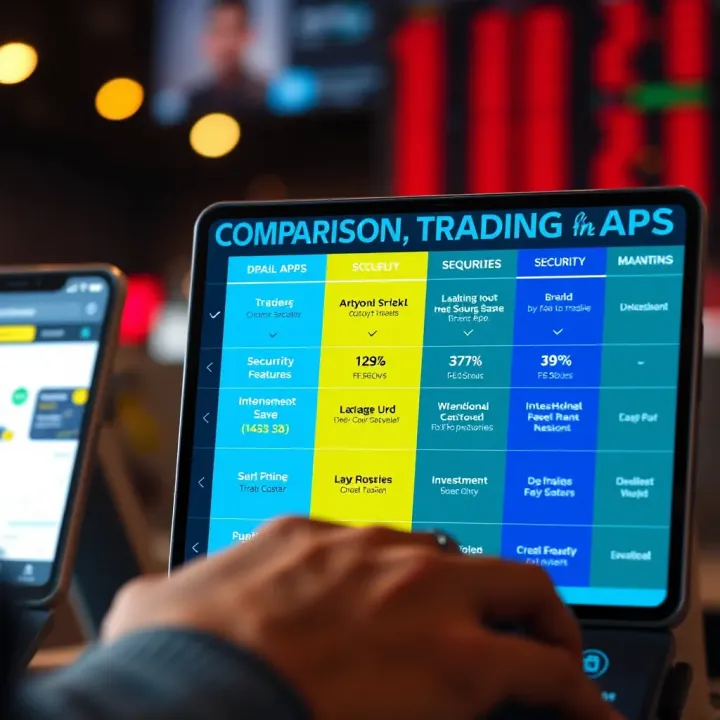
Choosing the right trading app means balancing ease of use, security, fees, and understanding how the platform aligns with South African market realities. It’s not just about downloading any app, but knowing what fits your trading style and local conditions.
In short, getting a handle on what trading apps do and how they plug into the South African financial system sets you up for a smoother, smarter investing experience.
Choosing the right trading app for the South African market means paying attention to specific features that can affect your trading experience and outcomes. Not every app is built with local realities in mind, so selecting one that fits how we trade here matters. From usability to fees, and security to investment options, let’s break down what you should be checking.
A smooth and intuitive user interface (UI) isn’t just about looking good—it can make or break your ability to trade effectively. South African traders often work under tight data constraints or during loadshedding periods, so apps that are lightweight and responsive perform better. Platforms like EasyEquities offer a clean design with easy navigation and quick trade execution, suitable for beginners and seasoned traders alike.
Features like clear dashboards, easy-to-read charts, and simple order placement buttons reduce errors and save time. Personalisation options, such as customised watchlists or alerts, also help you stay on top of market moves without feeling swamped. An app cluttered with unnecessary widgets or slow to respond can soon become a hindrance.
Fees can quietly eat into your profits, especially if you trade frequently or on smaller amounts. Look closely at trading commissions, monthly platform fees, and withdrawal charges. For instance, some local apps charge a flat fee per trade, while others use a percentage of the trade amount. This can make a significant difference depending on your investment size.
Currency conversion fees are another consideration if you plan to access international markets. Apps like SatrixNOW provide low-cost access to JSE stocks without hefty hidden costs, whereas international platforms might levy forex fees on each trade. Also, watch out for minimum deposits or inactivity fees that could catch you off guard.
A broad selection of assets lets you diversify your portfolio, which is key to managing risk. The JSE offers stocks, exchange-traded funds (ETFs), bonds, and even agricultural commodities. Local trading apps often provide straightforward access to these, plus unit trusts.
If you’re interested in offshore investments, check if the app supports international shares or forex trading. However, accessing US or European stocks usually comes with extra steps and possibly higher fees, so balance your ambitions with practicality. Platforms like EasyEquities now provide fractional shares, allowing you to buy small portions of expensive shares, which is handy for the local investor with a modest budget.
Security isn’t negotiable. Your trading app must comply with the Financial Sector Conduct Authority (FSCA) regulations to ensure your money’s safe and the platform operates transparently. Look for two-factor authentication (2FA), encryption standards, and trustworthy customer support.
Local regulation also means your personal information and trading data should be protected under the Protection of Personal Information Act (POPIA). Avoid apps without clear compliance statements or that lack verifiable licensing. Remember, a flashy app doesn’t mean much if it’s vulnerable or risky.
Always verify that your trading app is FSCA-approved and read reviews from South African user communities to gauge reliability.
In summary, the best trading app for you balances user-friendly design, fair and transparent fees, a solid range of investment options, and airtight security following South African rules. This balance helps you trade without surprise costs, technical issues, or worries about safety, so you can focus on growing your portfolio steadily.
Choosing the right trading app means weighing up what’s on offer locally against the options from international platforms. South African investors need to consider specific features like fees, market access, and how well these apps tie into local banking and regulations. Comparing popular apps helps you discover which platform suits your trading style and financial goals best.
Local platforms like EasyEquities and SatrixNOW have made investing more accessible for South Africans. EasyEquities, for example, focuses on simplicity and low entry costs. It lets you buy fractional shares, making it easier to start investing without big upfront sums. SatrixNOW offers direct access to exchange-traded funds (ETFs) managed by Satrix, which is popular locally for passive investing. Both platforms bring tailored options reflecting South African market conditions and investor preferences.
Integration with South African banking is a big plus for these local platforms. Linking your trading app to your bank account, whether it’s FNB, Standard Bank, Absa, or Capitec, streamlines deposits and withdrawals. This integration reduces transfer times and avoids some international banking fees. EasyEquities, for instance, supports instant deposits via EFT, ensuring you don’t miss market opportunities due to slow payments. This ease of moving money can be a deciding factor, especially for traders wanting quick access to funds.
International apps like Interactive Brokers or eToro open doors to global markets, letting you invest in US tech stocks, European shares, or Asian ETFs easily. This wider access helps diversify your portfolio beyond the JSE, which is valuable for managing risk in an environment of rand volatility and local economic challenges. You get options unavailable on local exchanges, such as certain US NASDAQ startups or Chinese tech giants.
However, there are challenges. International platforms often have higher account minimums and complicated fee structures that aren’t always clear upfront. Regulatory oversight can feel distant, making it harder to resolve disputes or understand local tax implications. Additionally, navigating foreign platforms sometimes requires more effort in terms of paperwork, with requirements like RICA (Regulation of Interception of Communications and Provision of Communication-Related Information Act) compliance still holders need to meet locally.
Currency conversion and transfer fees also add to costs. When buying US-listed shares, your Rands convert to dollars at rates that include mark-ups. Some platforms charge extra for currency exchanges, and sending money overseas often involves both bank and app transfer fees. For instance, a R10,000 transfer might cost between R150-R300 in combined fees, cutting into your investment capital unless you’re prepared to move larger amounts periodically to balance cost efficiency.
Picking a trading app requires understanding how these features—market access, fees, and banking integration—impact your investment goals and everyday convenience. Comparing local and international apps side by side will give you a clearer sense how to proceed.
This examination helps fashion a trading approach that fits the South African environment—not just in terms of opportunity, but practicality too.
Using trading apps in South Africa effectively means protecting your investments while making the most of local market conditions. These apps provide convenient access to stocks, ETFs, and other assets, but without careful use, risks like fraud and service interruptions can erode gains. Understanding how to manage risk, avoid scams, and tailor your approach to local challenges like loadshedding and data limits is essential for any serious investor.
Checking for Financial Sector Conduct Authority (FSCA) approval is your first line of defence when picking a trading app. The FSCA regulates financial services firms to ensure they meet standards for transparency, solvency, and consumer protection. An app operating without FSCA approval is a red flag that could mean limited recourse if something goes wrong. For example, EasyEquities holds FSCA approval, offering peace of mind to users that their money and data are handled legally and securely.
Always verify an app’s FSCA status on official registries before signing up. This step helps you avoid unregulated providers, which can be front doors to scams or shaky platforms.
Recognising common red flags helps protect your funds from fraudsters. Beware of promises of guaranteed returns or constant profits—stock markets are inherently uncertain. Apps pressuring you to deposit more money quickly or lure you with overly complex investment plans often raise suspicion. Also, watch for poor-quality user interfaces, lack of transparency around fees, or difficulty accessing customer support. These can signal shady operations designed to take advantage of less-experienced traders.
Considering loadshedding impacts is vital when trading in South Africa. Scheduled power outages by Eskom can disrupt internet access and app functionality. If you're planning to execute trades or monitor the market, ensure you have backup power options like a UPS (uninterruptible power supply) or a fully charged mobile with a data connection. Offline tools or alerts that don’t rely on constant connectivity can also be helpful so you’re not caught off guard during stage 3 or higher loadshedding.
Using data cost-effectively can make a real difference given high mobile data prices locally. Many trading apps offer data-light modes or allow you to set limits on background data use. For instance, turning off automatic video tutorials and notifications reduces data hogging. Pre-loading charts and market info when on Wi-Fi rather than mobile data helps keep costs down. Combining these strategies lets you stay active without draining your airtime balance.
These practical tips not only shield your investments but also help you trade smartly within South Africa’s unique environment. Stay alert, plan your data and power usage wisely, and rely on trustworthy, FSCA-approved apps to build confidence and long-term success.
Find the best forex trading app for South African traders 🇿🇦 with tips on usability, costs, and reliable tools to trade smart and stay ahead 📱💰
📱 Find the best free forex trading apps for South African traders! Compare key features, safety tips, practical tools & costs to trade smarter today.

Looking for the best trading app in South Africa? 📈 Compare fees, features, security, and ease of use to make smart investing choices confidently.

Explore free forex trading in South Africa 🇿🇦 with platforms offering no-cost access, educational tools 📚, beginner accounts, and safety tips for risk-free practice.
Based on 8 reviews