

Forex Trading Guide for South African Investors
📈 Master forex trading in South Africa! Learn key strategies, risk tips, and market tools to trade currencies confidently and smartly. 💰🌍
Edited By
Charlotte Reid
Choosing the right trading app can feel like trying to find a needle in a haystack, especially here in South Africa where options range from local favourites like EasyEquities to international giants such as eToro and Plus500. With so many choices, it’s easy to get overwhelmed.
This guide is designed to cut through the noise. It’ll help you understand the key factors to look for when selecting a trading platform that suits your trading style, goals, and the unique financial landscape in South Africa. Whether you’re looking to trade stocks, forex, or cryptocurrencies, knowing what features and security measures to prioritize will save you time and protect your investments.
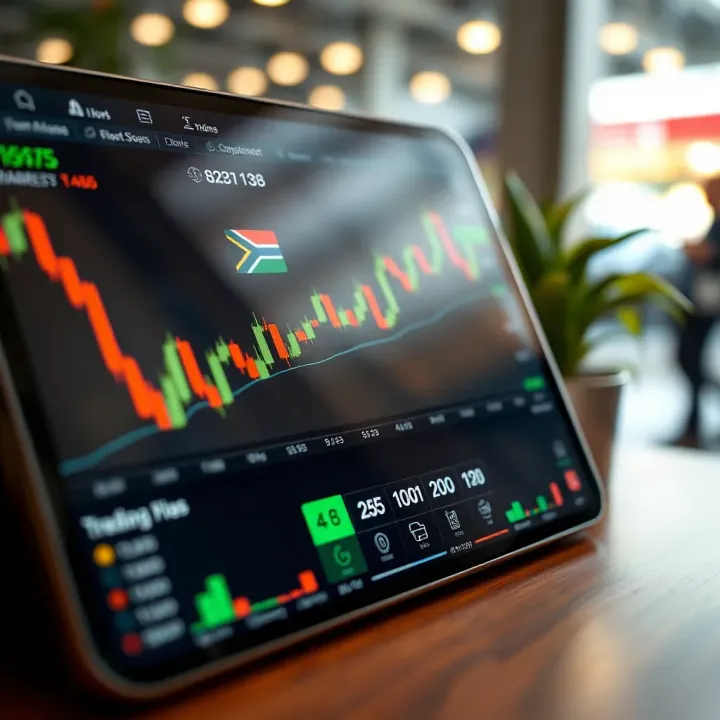
By the end, you’ll be equipped with practical advice and a clear sense of what makes a trading app reliable, user-friendly, and suited to the South African market. Let’s get started and find that perfect fit for your trading journey.
Remember: In a market as dynamic as ours, the right app isn’t just about flashy features—it’s about trust, ease of use, and aligning with your personal investment strategy.
Understanding what a trading app is forms the backbone of making informed decisions about how to manage investments effectively, especially in South Africa's evolving financial landscape. Trading apps have transformed how investors access markets, offering the ability to buy and sell securities right from a mobile device or computer with just a few taps or clicks. Getting to grips with what these apps do and how they operate helps investors choose a platform that best fits their needs and trading habits.
At its core, a trading app allows users to execute trades—buying and selling securities—without needing to visit a broker in person or use a desktop platform. Beyond the essentials, most apps offer real-time price updates, portfolio tracking, and access to various asset classes such as stocks, ETFs, bonds, and even cryptocurrencies. For example, the EasyEquities app popular among South African investors lets users invest in fractional shares, which lowers the barrier to entry and enables diversification without needing a big upfront cash amount.
Unlike traditional brokerages that often require you to sit in front of a desktop and place orders via phone or through a broker, trading apps streamline the process for mobile access. They often provide a more intuitive interface designed for quick navigation and instant execution, which matters a lot for active traders. However, apps may sacrifice some advanced analytical tools commonly found on desktop platforms like Bloomberg Terminal or MetaTrader. This trade-off is worthwhile for casual traders who prioritise ease and accessibility but might be a limitation for professional traders who need complex charting options.
Casual investors—those who check their portfolios occasionally or invest for the long haul—appreciate trading apps for their simplicity and transparency. Apps like Interactive Brokers South Africa or Standard Bank’s online trading platform allow these users to manage investments without overwhelming complexity, offering educational resources alongside trading functions.
Active traders, on the other hand, require apps that offer speed, real-time data, and advanced trading features, such as algorithmic trading or quick order types. Apps like ThinkMarkets or Plus500 cater well to these demands but may be overkill for someone just beginning their investment journey.
One of the biggest draws of trading apps is being able to trade anytime, anywhere. Imagine being stuck in traffic but spotting a market dip—an app lets you react immediately rather than wait until you're home. Also, many apps offer low minimum deposit requirements and no account maintenance fees, helping lower the entry barriers that traditional brokerages might pose.
Whether you’re a weekend investor or racing the markets every beep, a trading app brings the market to your fingertips, making investing less intimidating and more hands-on.
In short, knowing what a trading app is and how it functions gives South African investors a solid foundation for choosing the right platform. It clears up the fog around features, usability, and suitability so that investment decisions aren’t just shots in the dark but well-informed moves aligned with individual goals and lifestyles.
Choosing the right trading app goes beyond just picking the flashiest one on the market. For South African investors, it’s essential that the app ticks certain boxes to make trading smooth, safe, and tailored to individual needs. These features affect everything from how quickly you can react to market changes, to how well you understand what you’re investing in. Let's break down the core features to focus on when searching for your ideal trading companion.
A trading app should feel like second nature, not like you’re solving a puzzle every time you want to buy or sell. Intuitive design means clear menus, quick access to your watchlist, and straightforward order placement. Imagine trying to snap up a rapidly falling share but getting stuck in a maze of tabs – frustrating, right? Apps like EasyEquities nail this by keeping things simple and user-focused, which is a big win for anyone from rookies to seasoned traders. If you find yourself endlessly hunting for the ‘sell’ button, that app probably isn’t for you.
One size doesn’t fit all in trading. Customisation lets you tailor your dashboard to highlight the info that matters most to you—be it charts, news feeds, or your portfolio summary. For instance, some apps allow setting dark mode for late-night trading or repositioning widgets for faster access. You might want alerts for certain stock prices or a customised watchlist featuring only JSE companies or blue-chip ETFs. The ability to tweak your experience makes trading less stressful and more efficient.
Variety in securities is vital, as it lets you diversify without hopping between platforms. Think of it as having a well-stocked toolbox; you want stocks, exchange-traded funds (ETFs), bonds, and sometimes unit trusts or commodities, all available in one place. FNB's trading platform, for example, offers extensive options allowing South Africans to blend their portfolio with local shares, global ETFs, and government bonds—a solid way to spread your risk.
Trading only on the Johannesburg Stock Exchange might limit your opportunities, especially in a globalised market. Many investors want the choice to dip into US tech giants or emerging markets in Asia. Apps like IG Markets provide access to various international markets, though investors should keep currency conversion and forex risks in mind. A trading app’s global reach helps you tap into trends beyond our borders while keeping everything within one account.
Good charts aren’t just pretty graphs—they tell the story of a stock’s past and hint at future moves. Look for apps that offer multiple chart views, technical indicators like moving averages or RSI, and drawing tools. This setup helps you spot trends, possible reversals, or support and resistance levels directly on your phone or tablet. For example, ThinkMarkets boasts advanced charting tools that cater to traders who want to get technical without needing separate software.
Trading apps that include educational content can be a huge advantage, especially if you’re still finding your feet. Tutorials, webinars, glossary gloss-ups, and even simulated trading environments help you build confidence without risking real money. EasyEquities stands out here by integrating beginner-friendly guides and a demo account that lets you learn the ropes before diving in.
Fees can silently eat into your profits, so understanding how commissions are charged is a no-brainer. Some apps charge per trade—a flat fee or a percentage—while others offer commission-free trades but might recoup costs elsewhere. For example, Standard Bank's Webtrader has straightforward flat fees that South African traders find easy to calculate. Traders should weigh these costs against their typical trade size and frequency; a low fee per trade doesn’t always mean it’s the cheapest choice.
Beware of fees hiding in the fine print, like withdrawal charges, inactivity fees, or charges for data streaming. For instance, certain international platforms might impose currency conversion fees or charge for real-time price data access. Always dig into the fee schedule before committing. Over time, these seemingly small charges add up and might derail your trading plan.
Paying close attention to key features ensures the app you pick won't just meet your expectations at the start but will support you throughout your investment journey, regardless of your level or strategy.
In a nutshell, the right trading app balances usability, variety, strong tools, educational help, and transparent costs. Keeping these core features in mind will save you headaches and help you focus on what truly matters—making informed investment moves that fit your goals in the South African market and beyond.
Security is a no-brainer when you're picking a trading app, especially in South Africa where cyber scams are sadly on the rise. When handling your hard-earned cash and sensitive personal info, you want assurance that the platform keeps your data locked up tight and your transactions safe from prying eyes. Trustworthiness isn't just about safety; it’s about knowing the app operates by the book and protects your interests.
Apps without solid security can be a nightmare—think identity theft or unauthorised trades that drain your account before you even notice. So, before diving in, understanding the security protocols and licensing behind an app can save you a major headache. The next two subsections break down exactly what to look out for on this front.
Encryption is the backbone of protecting your info online. Look for apps using at least 256-bit encryption; this scrambles your data in such a way that even if it’s intercepted, the info is gibberish to anyone without the right key. For example, South African platforms like EasyEquities employ strong encryption to guard user data, ensuring that login details and transaction data don't fall into the wrong hands.

This means your password, banking details, and trade instructions are shielded from attackers, especially when connected over public Wi-Fi, which is notoriously risky. If the app doesn't mention encryption or uses outdated methods, steer clear.
Relying on just a password is like locking your door but leaving the key under the mat. Two-factor authentication (2FA) adds a second lock, usually by sending a one-time code to your phone or email. This extra step makes it much harder for criminals to break in, even if they somehow snag your password.
Many popular apps, including Standard Bank Online Trading and IG Markets, offer 2FA as a must-have security feature. Make sure the app you choose supports 2FA and that it’s activated by default or easily set up during your account registration.
The Financial Sector Conduct Authority (FSCA) is the watchdog that ensures financial firms in South Africa play by the rules. If an app is regulated by the FSCA, it means it must follow strict rules meant to protect investors, like safeguarding your funds and maintaining transparency in fees.
You won’t find FSCA regulation just by browsing; the app should clearly state its licensing on its platform and documents. For instance, companies like EasyEquities are FSCA-licensed, giving local investors peace of mind. Trading with unregulated apps is like walking a tightrope without a net—risky and unnecessary.
Licensing doesn’t just protect you from fraud; it also ensures recourse if things go south. Licensed platforms have to adhere to auditing processes, report their financial health, and follow client fund segregation practices (keeping your money separate from the company’s operational funds).
Imagine if a platform goes bust—without licensing, you might not get a cent back. A licensed platform, however, is bound to keep your assets safe and usually backed by investor protection schemes.
Always double-check the licensing status before signing up. Trading platforms might look flashy, but if they operate in a grey area, it’s better to miss out than to lose your cash.
Securing your investments starts with choosing a trustworthy, regulated app that plays by South African laws and uses top-notch security tools like encryption and 2FA. This way, you can trade with confidence, knowing your portfolio and data are defended against common digital threats.
Picking a trading app isn't just about flashy interfaces or low fees—it’s about what suits your trading habits and financial goals. South African investors have a decent selection of both local and international platforms, each with its quirks and perks. Comparing these apps helps you find one that fits your needs without surprise costs or frustrating features down the line.
Many investors focus on whether a platform covers the stocks they want or offers nifty tools for analysis, but overlooking factors like user feedback or cost structure can lead to regrets. For example, an app like EasyEquities appeals to beginners due to its straightforward setup and low minimums, while seasoned traders might lean toward IG for its range of assets and advanced charting options.
Local trading apps developed in South Africa tend to offer tailored features that resonate well with domestic investors. Take EasyEquities, a crowd favourite for its simple, no-frills approach and fractional investing, which allows users to buy bits of shares rather than whole units—great for those starting with smaller amounts. Another example, Standard Bank’s Webtrader, integrates smoothly with existing banking services, making fund transfers easy and fast.
These platforms often provide access primarily to the Johannesburg Stock Exchange (JSE), which is essential for investors focused on local companies. Local apps might also support tax-efficient investment accounts like Tax-Free Savings Accounts, which international platforms can’t offer.
Costs vary significantly across local apps, with some charging flat fees per trade and others using a percentage-based fee structure. EasyEquities, for instance, is admired for low-cost trading with no monthly fees, which helps small investors keep more of their profits. Users often praise it for its clean interface and responsive customer service.
On the flip side, some apps might carry hidden costs like withdrawal fees or inactivity penalties, so it’s wise to dig into the fine print. User reviews can reveal these pitfalls—take Webtrader, which many use thanks to bank integration but some complain about higher commission rates compared to purely online brokers.
International platforms open doors to global markets, offering access beyond the JSE to exchanges like the NYSE, NASDAQ, or LSE. This is significant for investors wanting exposure to tech giants like Apple or Amazon that aren’t listed locally. Platforms like Interactive Brokers and eToro provide these options to South African users, expanding the investment playground.
These platforms often come with a wider selection of asset classes, including forex and cryptocurrencies. However, investors should weigh the advantages against the complexity; unfamiliar regulations, tax implications, and trading hours can be a challenge.
Trading on international platforms involves currency conversions, typically from ZAR to USD or other currencies. Currency fluctuations can erode profits or increase losses if not managed carefully. Some platforms offer competitive forex rates, but others might sneak in extra charges.
South African investors should also consider how the platform handles currency conversion: is it automatic at each trade or allowed manually? For instance, some users prefer holding US dollars in their account to dodge constant exchange fees. Notably, platforms like Interactive Brokers provide tools for currency management that can mitigate conversion costs.
Balancing the pros and cons of local versus international trading apps helps you pick a platform not just on features but on actual investment strategy and cost efficiency.
By understanding these elements, South African investors can choose a trading app that fits their style and goals, avoiding unnecessary pitfalls while taking advantage of market opportunities both at home and abroad.
Choosing the right trading app goes beyond just looking at fees and features—it's about matching the app to your trading style and goals. Different traders have distinct needs, and a one-size-fits-all app usually falls short. For South African investors, this means considering apps that can handle local regulations, currency quirks, and market access while fitting their experience and trading habits.
By understanding which tools and functionalities suit beginners, active traders, or long-term investors, you avoid frustration and wasted time. Having the right app can turn trading from a chore into something manageable and even enjoyable. Below, we'll break down which app features align best with various trader profiles.
Simulated trading environments are a lifesaver for newbies. These "practice" modes let you trade with fake money but real market data, letting you test strategies without risking a cent. Think of it like a flight simulator if you're learning to fly. Apps like EasyEquities are well known locally for offering user-friendly demo accounts where you can get your feet wet without panic.
For those just starting, educational tools embedded in the app can make a real difference. Tutorials, articles, webinars, and even chatbot support help unravel complex concepts. A good example is the Standard Bank Webtrader app, which offers in-app learning modules tailored for South African stock markets. These tools provide a solid foundation, so you’re not left guessing every step.
For those who live and breathe markets daily, speed and reliability are non-negotiable. Apps must process orders instantly without hiccups. Imagine trying to catch a train that’s leaving in a second—lags or downtime could cost you big money. Platforms like IG and Interactive Brokers are preferred for their responsive execution and minimal downtime, crucial when seconds mean profit or loss.
Advanced charting features let day traders analyze trends and price movements on the fly. Detailed indicators, drawing tools, and multiple time-frame charts are vital. Picture trying to read a map without enough detail—these features add the depth needed to make precision moves. Look for apps offering customizable charts and real-time technical analysis.
Long-haul investors focus on growth over years, so portfolio tracking is key. Apps that provide a clear, consolidated view of your holdings, with performance metrics and valuation dips or gains at a glance, keep you informed without digging through paper trails. Local apps like EasyEquities and international ones like Saxo Bank offer powerful portfolio dashboards relevant to the South African market.
Dividend reinvestment options support compounding—one of the most effective ways to grow wealth over time. An app that allows automatic dividend reinvestment (DRIP) means your payouts buy more shares without extra effort, boosting returns gradually. This feature is particularly useful when building a solid income stream from South African blue-chip stocks like Naspers or Standard Bank.
Matching your trading app to your profile isn’t a luxury; it’s a practical step in managing risks and meeting your financial goals efficiently.
Whether you’re picking up the basics or handling rapid trades, knowing which app capabilities fit your needs is the backbone of a smart trading experience in South Africa.
Getting started with a trading app in South Africa might seem straightforward, but there are some crucial steps to follow to make sure everything runs smoothly. From setting up your account to placing your first trade, understanding these steps helps you avoid mistakes and saves you time and money. Whether you’re new or switching apps, knowing how to properly navigate this setup phase is key to a positive trading experience.
To open an account, most trading apps in South Africa require a few standard documents. Typically, you’ll need a South African ID, proof of address—like a recent utility bill or bank statement—and sometimes a tax number. These documents confirm your identity and residence, which helps the platform comply with financial regulations and prevent fraud. For example, a mobile app like EasyEquities makes the document upload process smooth, but missing or unclear documents can delay account approval.
Beyond document submission, identity checks verify you're the real deal. This process may include facial recognition technology or a short video call. It’s not just bureaucracy—these steps protect you from identity theft and ensure your funds stay secure. FSCA-regulated apps strictly enforce these checks, so expect some back-and-forth if details aren’t clear or documents are outdated.
Once your account is live, depositing funds is next. South African trading apps typically support EFT (Electronic Funds Transfer), credit/debit cards, and sometimes instant payment services like SnapScan. Some platforms, like Standard Bank’s Webtrader, may even allow direct account linkage for quick transfers. Be cautious with minimum deposit requirements; some apps have low thresholds (like R50), while others expect you to start larger.
If you’re trading international stocks or ETFs, currency conversion is unavoidable. Many apps handle FX automatically and charge conversion fees, often around 0.5% to 1%. To save, consider funding your account with USD or other major currencies if supported. Also, timing your deposits during periods of favourable exchange rates can stretch your rand further. Being mindful here helps keep your costs low and your investment value intact.
Most trading apps boil down placing an order to a few taps: select the stock or security, choose the number of shares, and hit buy or sell. However, the devil’s in the details. For example, Pick n Pay’s share trading app is user-friendly but requires a bit of getting used to with its order confirmation steps. Double-check your order before finalizing because some trades, especially intraday, can’t be reversed easily.
Not all trades are the same, and knowing your order types can mean the difference between a good and a bad trade. Market orders execute quickly at the current price, but you might pay more than expected in volatile markets. Limit orders sit until your price condition is met, offering control but sometimes missing out if the market moves away. Stop-loss orders protect you from big drops by selling automatically if prices fall below a set point. Many apps like EasyEquities and IG Markets support these orders, so familiarize yourself with them to manage risks.
Starting with a trading app isn’t only about hitting ‘buy’ or ‘sell.’ It’s a chain of carefully planned steps ensuring you trade securely and efficiently.
Taking the time to get these foundational steps right can greatly enhance your investing confidence and results. Remember, every rand you invest deserves proper attention right from the start.
Picking the right trading app can feel like navigating a maze, especially with the countless options out there. But steering clear of some common mistakes can save you plenty of headaches down the line. This section sheds light on those typical missteps South African investors often make, helping you dodge traps that could cost you time, money, or peace of mind. From obsessing over fees to overlooking security and customer support, we’ll unpack why these factors matter and how to spot warning signs before downloading any trading platform.
When you land on a trading app that boasts jaw-droppingly low fees, it might be tempting to jump right in. But it’s important to balance cost savings with what the app actually offers. An app that’s cheap but clunky or missing vital features can quickly turn into a money pit or frustration source.
For example, a newbie trader may find Robinhood’s zero-commission model attractive in the US, yet without comprehensive educational materials or solid charting tools, it can leave you scratching your head. Locally, an app like EasyEquities offers low fees plus beginner-friendly features, making it a better bang for your buck.
Does the app support all the investment types you want, like ETFs, bonds, or international stocks?
Are there hidden charges, like withdrawal fees or inactivity penalties?
Can you access solid charting, market news, and real-time data?
In short, low fees are great—but an app lacking the tools and support you need could cost you more in the long run through missed opportunities or trades.
Security isn’t just a buzzword—it’s your line of defense against hacks, fraud, and losing your hard-earned cash. The temptation to overlook security when choosing a trading app can be costly, especially if the platform isn’t properly regulated or uses lax data protection.
In South Africa, make sure your app is licensed and overseen by the Financial Sector Conduct Authority (FSCA). This regulatory stamp offers a level of accountability absent in unregulated platforms, which might not have your best interests at heart.
Moreover, robust security features like two-factor authentication (2FA), encryption, and secure servers are non-negotiable. For instance, apps like Standard Bank’s Online Trading platform and FNB’s Share Investing incorporate these measures, helping protect your login data and transactions.
Security reminder: Trading apps with poor protections can lead to unauthorized trades or identity theft, so don’t sacrifice safety for convenience.
Good customer support is often underestimated until something goes wrong. Imagine placing a time-sensitive trade, and the app crashes or your order doesn’t go through—having responsive customer service can be the difference between a small hiccup and a major loss.
Many big-name apps like IG or Saxo Bank have dedicated support teams reachable by phone, chat, or email. Smaller or lesser-known apps might only offer email support, which can be painfully slow.
When considering a trading app, check:
How quickly does support respond?
What methods of contact are available?
Are there resources like FAQs, guides, or tutorials to help you out?
Responsive customer service not only helps with technical issues but also boosts your confidence in using the platform effectively.
Avoiding these pitfalls will make your trading experience smoother and more secure. Remember, the cheapest or flashiest app isn’t always the best fit. Take your time, do the homework, and choose a platform that ticks all the boxes—not just the fee column.
If you want to get the most outta your trading app, knowing how to use it effectively is just as important as picking the right one. A slick interface and low fees won’t help if you don’t keep yourself informed or manage your trades wisely. That’s why this section focuses on practical ways to stay sharp with your app — from keeping tabs on market news to managing risk and reviewing your trades regularly.
Keeping ahead of market trends can mean the difference between catching a good opportunity and missing out. Many trading apps allow you to integrate news feeds directly into their interface, which saves you from bouncing between apps or websites.
Integrating news feeds: With apps like EasyEquities or Standard Bank’s Webtrader, you can set up real-time news widgets that pull headlines and market updates from reliable sources such as Bloomberg or Reuters. This helps you stay informed without interrupting your trading routine. For example, if a company you’re invested in announces a change in leadership or a new deal, you get notified right away, so you can decide quickly if it’s time to buy, sell, or hold.
Using alerts: Another handy tool is setting up price or news alerts. Let’s say you’re watching Sasol shares, but you can’t stare at the screen all day. By setting alerts, your app notifies you when the price hits a certain level or when relevant news breaks. This way, you won’t miss out on crucial market moves, even when you’re on the go.
Nobody enjoys losing money, but managing your risk smartly helps you avoid bigger hits that could wreck your portfolio.
Stop-loss orders: Many trading apps in South Africa provide the option to set stop-loss orders. This feature automatically sells a security once it hits a price you set, limiting your losses. For instance, if you bought Naspers stock at R3,000 and want to cap your loss at R2,700, a stop-loss order takes care of it even if you’re asleep or away. It’s like having a safety net.
Diversification through the app: Risking all your cash on a single stock is like putting all your eggs in one basket. Most apps let you easily diversify — spreading your investments across shares, ETFs, bonds, and even international markets. For example, Cake or EasyEquities both offer plenty of options to mix local blue chips with global tech ETFs, balancing your risk better.
How can you improve if you don’t know how you’re doing? Tracking portfolio performance is essential.
Regular portfolio reviews: Make it a habit to check in on your investments monthly or quarterly. Many apps provide detailed reports showing gains, losses, dividends, and sector breakdowns. This helps you spot underperforming assets and understand overall trends.
Adjusting strategies: If your portfolio review shows some stocks lagging or a sector underweight, be ready to tweak your strategy. Your trading app should make it simple to rebalance — selling some holdings and buying others to align better with your financial goals.
Don’t just set it and forget it. Using your trading app actively, combined with timely market news and smart risk management, can really improve your chances of success.
Together, these tips help South African investors navigate their trading apps with confidence and savvy, turning features into real advantages in the market.
📈 Master forex trading in South Africa! Learn key strategies, risk tips, and market tools to trade currencies confidently and smartly. 💰🌍

Looking for the best trading app in South Africa? 📈 Compare fees, features, security, and ease of use to make smart investing choices confidently.
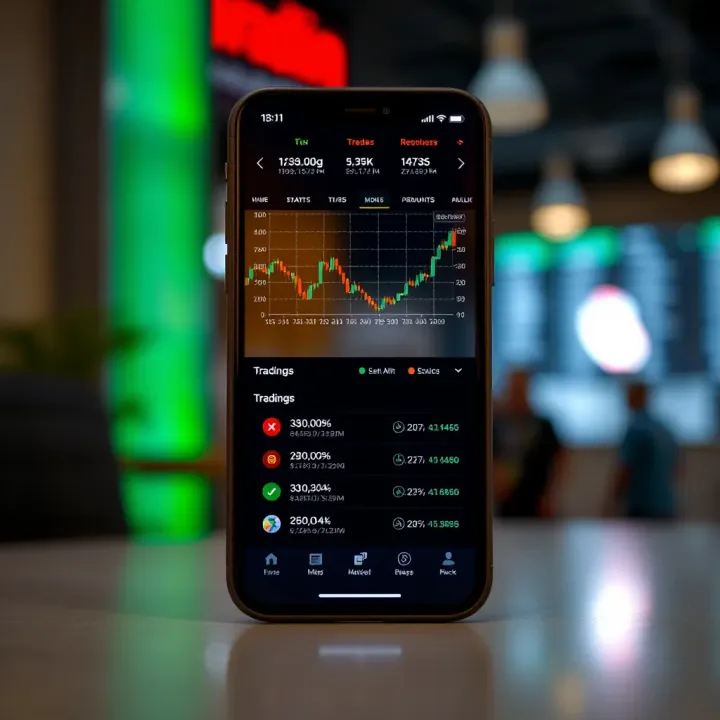
🤑 New to trading? Discover easy-to-use South African trading apps with low fees and local market access. Start smart with the best beginners’ options!
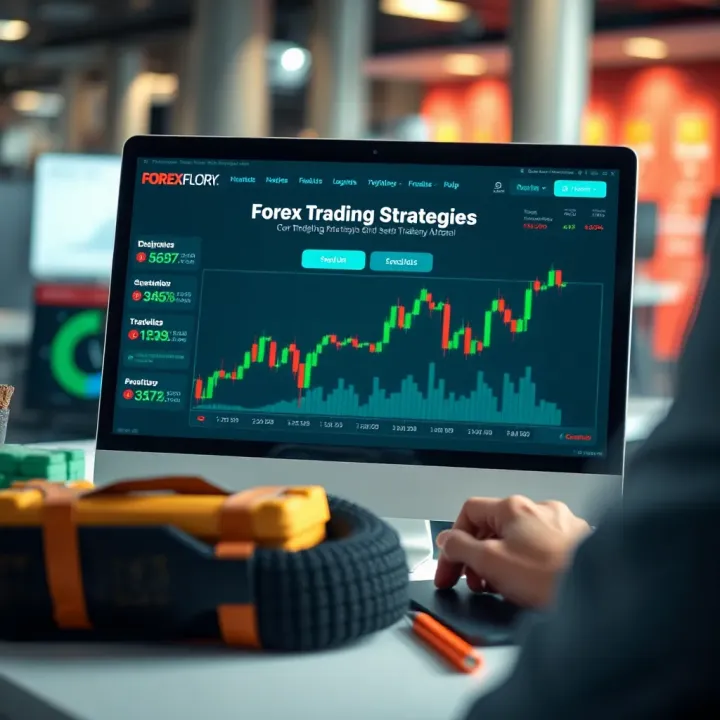
📊 A clear, practical guide to forex trading for South African traders. Learn key strategies, avoid pitfalls, and build confidence step-by-step.
Based on 9 reviews