
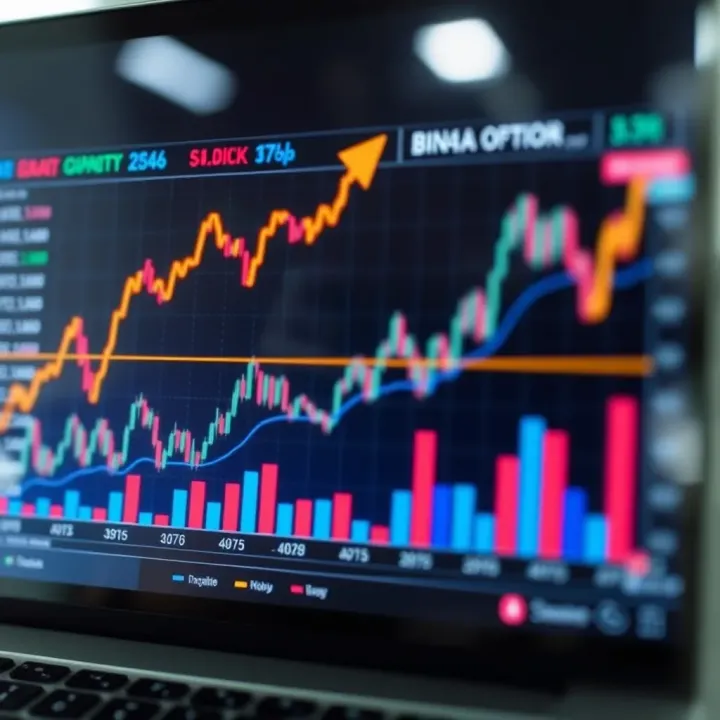
Risks of Binary Options Trading in South Africa
⚠️ Thinking of binary options? Learn the risks like high losses, scams, and poor transparency to protect your investments in South Africa. 📉💰
Edited By
Oliver Kensington
Binary trading robots have steadily gained popularity in South Africa, especially among traders aiming to automate their trading strategies without having to watch markets non-stop. These software tools analyse market signals and execute trades on behalf of the user, based on preset algorithms. Unlike manual trading, where every move depends on the trader's direct input, robots can scan multiple assets, process data quickly, and act instantly.
These tools mainly operate in binary options trading, a simplified financial product where the outcome boils down to a yes/no prediction—whether an asset will rise or fall within a specified timeframe. The appeal is obvious: it cuts down emotional decision-making and speeds up execution. Still, traders need to understand both the mechanics behind these robots and their limitations before using them.
In South Africa’s market climate—where volatility, currency fluctuations, and access to certain brokers play key roles—knowing which binary trading robot suits your approach is essential. Local regulations, like those imposed by the Financial Sector Conduct Authority (FSCA), also influence how you can legally use these automated systems. Many brokers in South Africa provide robots as part of their package, but it’s crucial to check for credible licensing.
While robots promise convenience, they are not foolproof. They rely on historical data and preset rules, meaning sudden market shocks or black swan events can cause unexpected losses.
To choose the right robot, South African traders should:
Look for transparency in the robot’s strategy and performance metrics
Check the broker’s FSCA approval status to avoid scams
Pick robots that allow adjustable risk settings matching your appetite
Confirm compatibility with local payment methods and trading hours
Binary trading robots can be a practical tool to complement your strategy, especially if you’re balancing work or other commitments. But, it pays to combine automation with personal oversight and continual learning to navigate South Africa’s unique market nuances effectively.
Understanding how binary trading robots work is key for any South African trader looking to dip their toes into automated trading. These robots use programmed rules to make trading decisions quickly, removing much of the manual effort and emotional bias that can trip up less experienced traders.
At the heart of every binary trading robot is the ability to generate trade signals. This means the software analyses market data—like price movements, volume, or economic indicators—to decide when to open or close a trade. For example, a robot might spot a sudden price spike in crude oil futures and trigger a trade before a human could even blink.
Once a signal is generated, the robot executes the trade automatically without requiring human intervention. This swift execution is crucial, especially in fast-moving markets, allowing traders to capitalise on fleeting opportunities or limit losses quickly.
Binary trading robots rely on different algorithms that follow specific strategies. Some use trend-following approaches, identifying when an asset’s price is moving consistently upward or downward and placing trades accordingly. Others may use reversal strategies, betting on the price bouncing back after reaching certain levels.
Advanced robots can combine multiple strategies and adapt based on live market conditions. This flexibility lets users tailor the robot to their preferred risk levels or market focus, such as forex pairs or commodities. However, it’s worth noting that no algorithm is foolproof, and market unpredictability always plays a role.
Most binary trading robots come integrated with popular brokers, allowing seamless execution through a user-friendly interface. Brokers like IQ Option and ExpertOption provide platforms where users can connect their robots easily, managing trades directly without switching between multiple windows.
This integration is vital for South African traders as it means less hassle setting up and more focus on monitoring performance. Some platforms even offer demo accounts to test robots with virtual funds before risking real money, which is a smart move for beginners.
When choosing a trading robot in South Africa, compatibility with local internet speeds and devices matters. Many robots work well on both desktop and mobile, but given data costs and occasional load shedding, lightweight and efficient software is preferred.
Moreover, some platforms accept local payment methods like EFT or SnapScan, making deposits and withdrawals easier. Traders should ensure their chosen robot and broker support these options. Also, verifying that the robot complies with South African regulations can provide peace of mind against scams or unlicensed operators.
Understanding how these robots function helps you use them effectively and stay aware of their strengths and limits in South African trading conditions.
Binary trading robots offer practical advantages but also come with notable limitations, especially in the South African trading environment. Understanding both sides helps traders make informed choices rather than jumping in blindly. While automation promises efficiency and accessibility, it also carries risks that could catch traders off guard.
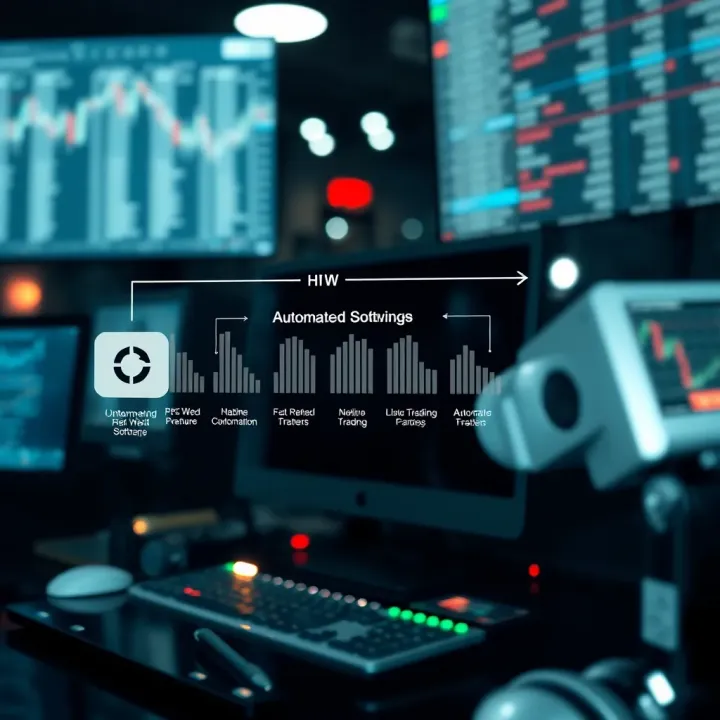
One major upside of binary trading robots is how they handle trades 24/7 without the emotional ups and downs a human trader might face. For South African traders juggling work, family, and the unreliable power situation, these robots can monitor markets continuously and execute trades swiftly, without hesitation or fatigue. This can help in maintaining discipline—robots won’t panic sell during sudden dips nor get greedy during brief spikes. Consider a trader in Johannesburg who wants to capitalise on volatility but can't watch screens constantly; a robot could fill that gap effectively.
Binary trading robots also open the door for beginners who might otherwise feel overwhelmed by market complexity. Instead of needing to master every nuance of price action or chart patterns, newcomers can start by using pre-set algorithms designed to follow specific strategies. This lowers the entry barrier significantly. For instance, a novice in Durban might use a robot on a platform with easy demo accounts to build confidence before risking real money. The hands-off nature of automation lets beginners focus on learning and managing risk step-by-step.
While robots handle execution, relying solely on them without understanding the underlying market can backfire. Algorithms don't account for every factor—such as geopolitical events or sudden regulatory changes in the South African market—that might demand a manual override. Traders who blindly trust robots risk substantial losses during unexpected conditions. For example, if Eskom announces a sharp increase in electricity tariffs affecting mining shares, a robot might keep trading as usual, unaware of the broader impact.
Technical glitches pose a lesser-discussed hazard. Poor internet connections or platform downtime—common in rural or low-cost broadband setups—may lead to missed trades or delayed responses. Also, binary options by nature involve betting on market direction within short time frames, which means exposure to sudden swings or market noise. During periods of high volatility, such as before the SA Reserve Bank’s interest rate announcements, robots might trigger losses by entering trades that a cautious human would avoid.
Automation doesn’t remove risk; it changes its nature. Effective use of binary trading robots requires ongoing monitoring, adjusting strategies, and understanding their limits.
In summary, trading robots could be a real asset in terms of saving time and simplifying entry for South African traders. However, their use demands awareness of the technology’s constraints, local market conditions, and the value of human oversight to protect against avoidable errors and mishaps.
Choosing the right binary trading robot involves more than just picking one with flashy claims or high advertised returns. For South African traders, it’s essential to weigh performance, security, and credibility carefully. These factors ensure not only that the robot matches your trading style but also that your investment stays protected under local regulations.
When selecting a trading robot, looking at verified results is crucial. Verified performance means the robot’s claims about returns and success rates are backed by independent data, not just promotional material. For instance, real trading histories or third-party audits can reveal how consistently the robot performs under various market conditions. Without this, you risk trusting empty promises.
Alongside verified data, user reviews provide practical insights from fellow South African traders who have used the robot. These reviews often expose strengths or weaknesses you might miss otherwise — say, how well the robot handles local trading hours or manages assets in volatile markets like forex or commodities tied to rand fluctuations.
Before committing real money, demo accounts offer a safe environment to test how a binary trading robot operates. Demo versions simulate live markets but use virtual funds, help you observe the robot’s decision-making, and assess how it fits your risk appetite.
For example, a trader experimenting with a particular robot on a demo platform linked to a local broker like ThinkMarkets or IG could refine settings and understand trade timings without risking capital. Demo testing lowers the chance of surprises when switching to live trading, providing confidence in both the robot and your own strategy.
Only consider robots linked to brokers regulated by the Financial Sector Conduct Authority (FSCA) or firms that observe South African laws. Trading through unlicensed entities risks fines, fraud, or asset loss. The FSCA’s regulation ensures brokers meet minimum standards such as capital adequacy and fair client treatment, which helps protect your funds.
For example, choosing a broker offering robot integration that has FSCA approval means there is oversight. Conversely, many scam operators target South Africans, promising huge returns via unregulated platforms — watch out and always verify licensing via the FSCA register.
Tip: Always check whether a binary robot provider partners with an FSCA-regulated broker before trading.
Binary trading robots often require access to sensitive personal and financial information. South African traders must ensure the service complies with Protection of Personal Information Act (POPIA) guidelines. This means the robot’s platform should have clear privacy policies, secure data encryption, and transparency about how your data is stored and shared.
For instance, if the robot connects to your trading account via APIs, confirm the provider uses strong security protocols and does not share your details with unauthorised third parties. Given the rise of cybercrime, skimping on data security can expose you to identity theft or financial fraud.
In short, combining a robot’s proven track record with strong regulatory standing and solid data protection forms the backbone of a wise choice for South African traders.
Choosing the right binary trading robot isn’t just about picking the flashiest tool on the market. It's about making sure the robot aligns well with your own trading objectives, style, and the reality of the markets you’re operating in. South African traders particularly need to consider local market conditions, their risk appetite, and how much control they wish to retain over trades.
Markets don’t behave the same all the time — they can be volatile, stable, trending or range-bound. A robot that excels in a trending market might struggle during sideways movement. South African traders should be aware that even sophisticated automation won’t guarantee profits when the market shifts unexpectedly due to local economic events or global shocks. For example, during Eskom’s loadshedding cycles, certain sectors might react strongly, impacting market behaviour and robot performance.
Keeping an eye on market patterns and knowing the context beyond the bot’s signals helps set expectations. If your robot is programmed for high volatility, using it during calm periods could see fewer profitable trades, which might disappoint if you expect consistent gains.
While automation can significantly reduce the time spent staring at charts, it's not a set-and-forget solution. You need to keep one eye on your robot’s decisions and intervene when necessary. Think of it like handing over the wheel on a familiar road — the car may manage fine, but you still need to step on the brakes in tricky situations.
Manual oversight includes monitoring open positions, adjusting risk limits, or pausing the robot if the market behaves oddly. In South Africa, unexpected news or policy changes can quickly shift market sentiment, making human judgment invaluable for complementing automated strategies.
Set clear boundaries on how much your robot can trade and lose in a session. Many platforms allow daily loss limits or maximum trade amounts to prevent runaway losses. For instance, capping daily trade sizes at R500 or limiting total daily losses helps protect your capital.
Keep regular tabs on your robot's activity—don't just trust it blindly. Monitoring means you can spot early signs of trouble like repetitive losses or system glitches and act swiftly to limit damage.
Trading bots aren’t static; market conditions evolve and so must your robot’s strategy. Developers often release updates to fix bugs, improve algorithms, or enhance security. Skipping updates can leave you vulnerable to outdated strategies or even technical faults.
Regularly check your robot’s version and update without delay. Also, stay informed about any changes to your trading platform’s software or regulatory requirements. This ensures your bot stays effective and compliant while helping you avoid unnecessary downtime.
Tip: Treat your binary trading robot like a racing car — it needs servicing, tuning, and occasional driver attention to run safely and perform well, especially in South Africa’s unique trading environment.
Aligning your binary trading robot with your trading goals not only helps protect your investments but also boosts your chances of consistent, manageable success. Balance automation with awareness, set clear limits, and keep your system sharp with updates for smarter trading decisions.
Navigating the legal and regulatory framework is key for any South African trader using binary trading robots. These rules ensure protection for both traders and service providers, setting standards for fairness, security, and transparency. For instance, compliance with local legislation helps reduce risks associated with fraud and unethical trading platforms, which is a real concern in the binary trading space.
The Financial Intelligence Centre Act (FICA) mandates that all financial service providers verify the identity of their clients. This process, known as KYC, is designed to track and prevent money laundering or illegal financing. For traders using binary trading robots, this means they’ll need to submit valid ID, proof of residence, and sometimes additional documents before trading. This protects the trader and ensures only legitimate users access such services.
South Africa's Protection of Personal Information Act (POPIA) regulates how personal data should be handled by companies, including binary trading platforms. When you use a trading robot, your personal and financial data is collected and processed. Reputable platforms will have clear privacy policies and security measures in place. The practical impact is that traders should check whether their data is stored securely and used only for its intended purpose, minimising the risk of identity theft or data breaches.
The Financial Sector Conduct Authority (FSCA) is the watchdog for financial services in South Africa. They oversee brokers and trading platforms to ensure compliance with the law. Choosing a broker registered with the FSCA gives you legal recourse if things go south. South African traders should always verify broker registration on the FSCA’s official list before linking their trading robots, as unregistered brokers operate without oversight and may not follow fair practice standards.
Unfortunately, the binary trading market attracts scams, often promising guaranteed profits without risk. Signs of unlicensed operators include unrealistic returns, pressure to deposit money quickly, or poor/no client support. Traders should watch for promises that sound ‘too good to be true’ and conduct thorough background checks. Practical steps include checking reviews, seeking FSCA warnings, and avoiding brokers without proper accreditation. Being cautious protects your investment from getting swallowed by fraudulent schemes.
Always remember: trading robots can aid decision-making, but falling foul of unregulated platforms or neglecting compliance is where many lose out. Do your homework, confirm credentials, and guard your personal data carefully.
⚠️ Thinking of binary options? Learn the risks like high losses, scams, and poor transparency to protect your investments in South Africa. 📉💰

Discover legit ways to access free money for binary options trading in South Africa 🇿🇦 Learn how to use bonuses wisely and avoid common traps 💡📈

Looking for the best trading app in South Africa? 📈 Compare fees, features, security, and ease of use to make smart investing choices confidently.

Explore free forex trading in South Africa 🇿🇦 with platforms offering no-cost access, educational tools 📚, beginner accounts, and safety tips for risk-free practice.
Based on 8 reviews