
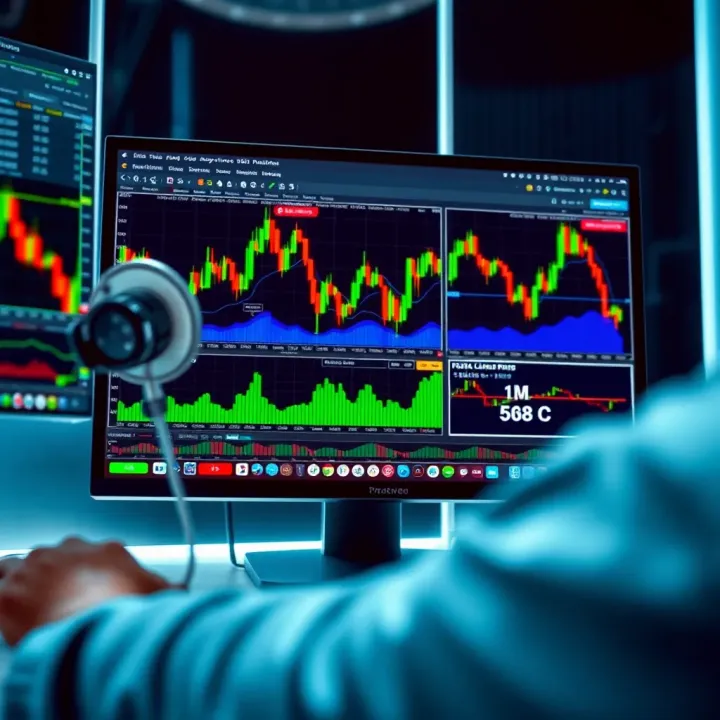
Choosing the Best Forex Trading Platform in South Africa
Find the ideal forex trading platform in South Africa with our guide. Compare features, costs, security, and support to suit your trading style 📊💸🇿🇦
Edited By
Charlotte Evans
When it comes to trading forex in South Africa, picking the right platform can mean the difference between smooth sailing and a rocky ride. The sheer number of options available today can overwhelm even experienced traders, so it helps to understand what really matters.
First off, a good forex platform isn't only about having flashy charts or fast execution. It has to meet the unique demands of local traders, including compatibility with South African financial systems, support for the rand (ZAR), and compliance with regulations like the Financial Sector Conduct Authority (FSCA).
The platform’s safety measures must come top of minds. South African traders should look closely at whether the broker is FSCA-approved, as this ensures your investments receive regulatory protection. Reliable platforms use strong encryption and segregate client funds from company funds to prevent mishaps.
Cost factors are another key consideration. Look beyond just the advertised spreads or commissions — some brokers might charge hidden fees for deposits, withdrawals, or even inactivity. Since forex trading is often a numbers game, these expenses can quickly eat into your profits.
Different traders have different needs, so understanding the types of platforms is also important. Desktop platforms like MetaTrader 4 (MT4) and MetaTrader 5 (MT5) offer advanced charting tools and automated trading but can be complex for beginners. Meanwhile, web-based platforms provide easier access from anywhere, though sometimes at the expense of speed or features.
Mobile trading apps deserve special attention in South Africa, where many traders rely on mobile data rather than stable broadband. Platforms offering low-data usage and offline chart viewing tend to be more user-friendly here.
A trusted trading platform balances strong local regulation compliance, reasonable costs, and tailored features that match your trading style. It’s more than software — it’s your partner in the forex market.
As you start exploring platforms, keep these local and practical factors front and centre. Doing your homework now will help you avoid headaches down the line and set you up for smarter, safer trading.
Choosing the right forex trading platform in South Africa goes beyond just ease of use or the number of currency pairs offered. Local factors play a huge role. A platform that fits the South African market typically complies with national regulations, supports the rand directly, and integrates familiar deposit and withdrawal options. This means fewer hassles with currency conversions, faster transactions, and stronger legal protections.
The FSCA oversees all financial service providers in South Africa, including forex brokers. Its role is to ensure that brokers operate fairly, transparently, and with adequate capital backing. This government body gives traders some peace of mind that they’re dealing with legitimate operators who follow the rules laid out by South African law.
Using a platform regulated by the FSCA helps reduce risks significantly. FSCA-regulated brokers must separate client funds from company money and submit regular reports, which adds a layer of protection for your investments. For example, if a broker goes bust, there are tougher requirements around how client money should be handled, helping prevent losses.
Dealing with unregulated brokers might seem tempting due to higher leverage or bonuses, but the risks are real and immediate. Such platforms often have no accountability, making it harder to recover lost funds or dispute unfair practices. Many South African traders have faced sudden withdrawals freezes, dubious charges, or outright scam schemes when using unregulated platforms.
Always check for FSCA licence details before trusting a forex broker with your money.
Choosing platforms that allow South African Rand trading accounts makes managing your deposits and profits simpler. It avoids constant currency conversion fees and exchange rate risks. For example, brokers like IG and GKFX offer ZAR accounts, helping traders deposit and withdraw in their home currency.
The most popular methods include EFT (Electronic Funds Transfer), credit/debit cards, and mobile wallets like SnapScan or Zapper. Some platforms also accept payments via Instant EFT services that clear within minutes, helpful when markets move fast. Local familiarity with these methods means fewer failed transactions or delays.
Using local payment channels can drastically reduce withdrawal times and cut unnecessary fees. For instance, funding via international wire transfers may take 3–5 days and attract hefty charges, while EFTs typically process within 1–2 business days, often with no additional costs. This improves your ability to react swiftly to the market and keeps more of your money in your pocket.
In summary, the best forex trading platforms for South Africans are those legit enough to be FSCA-regulated, support ZAR accounts, and offer payment methods that fit local preferences. These factors not only make trading smoother but also safeguard your funds in a market that’s still developing and evolving.
Selecting the right forex trading platform boils down to features that match your style and needs as a South African trader. It's not just about picking a platform with the lowest fees or flashiest interface; the tools and support it offers can make a real difference in your trading outcomes. From ease of use to robust analysis tools and reliable customer help, these features shape how you make decisions and manage risks.
A trading platform should feel intuitive, so you don’t fumble when placing orders. Smooth navigation lets you quickly switch between currency pairs, check your portfolio, and execute trades without getting lost in complicated menus. For instance, platforms like MetaTrader offer simple layouts where you can open or close trades with just a few clicks, ideal when markets move fast.

Charts are the bread and butter for many traders. Good platforms provide various chart types—line, candlestick, bar—with plenty of technical indicators like Moving Averages, RSI, or Bollinger Bands. These tools help you spot trends and potential entry or exit points. In South Africa, where forex markets can be influenced by global events and local economic data, having reliable charting tools supports smarter decisions.
Trading on the go matters, especially if you're often away from your computer. Mobile apps packed with the same features as desktop platforms keep you connected. For example, the MT4 and MT5 apps enable you to monitor trades, receive alerts, and adjust stop-loss orders anytime. This flexibility suits traders dealing with fluctuating rand (ZAR) exchange rates or reacting to news outside usual office hours.
Automated trading uses pre-set conditions to open or close trades, reducing emotional reactions. Expert Advisors (EAs) on platforms like MetaTrader let you run algorithms that can trade 24/7, which is handy for capturing opportunities during global market hours when you might be asleep or busy. However, it’s crucial to understand the risks and monitor these bots, especially with local market peculiarities.
Protecting your capital is vital. Good platforms permit stop-loss and take-profit orders that automatically close positions at set price levels, limiting potential losses or locking in profits. South African traders often face volatility influenced by political news or commodity price swings, so these tools help prevent damage when markets shift unexpectedly.
Up-to-the-minute information can be the difference between profit and loss. Platforms that integrate real-time price quotes and relevant news feeds allow you to react swiftly to events such as SARB rate announcements or unexpected Eskom load shedding that might affect rand volatility. Quick access ensures your decisions are based on current market conditions.
Learning never stops in forex trading. Platforms offering tutorials, webinars, or demo accounts help both rookies and veterans sharpen their skills. For instance, a local broker might host weekly webinars explaining how to interpret SARB statements or technical setups suited to the South African market landscape.
Having support just a phone call or chat away, especially during South African market hours, can save headaches. Look for brokers with teams based locally who understand unique challenges like rand fluctuations or ZAR deposits. Responsive service aids when you need to swiftly sort out issues with withdrawals or trade execution.
A platform that caters to all levels can grow with you. Beginners benefit from guided tutorials and simple interfaces, while experienced traders look for advanced order types, custom indicators, and API access. Finding one that offers a mix ensures you’re not left behind as your skills develop.
Trading platforms come in many shapes and sizes, but focusing on these key features will ensure you are best equipped to navigate the forex market from South Africa with confidence and control.
Choosing the right forex trading platform isn’t just about shiny features or flashy ads; it’s about picking a service that fits your needs and works smoothly within South Africa’s financial landscape. Comparing popular platforms available to South African traders helps you understand which tools will best support your trading style, local currency needs, and regulatory requirements. This avoids costly mistakes like using a platform with hidden fees or one that struggles to handle ZAR transactions.
MetaTrader 4 and MetaTrader 5 remain the backbone for many forex traders worldwide, including here in South Africa. MT4 is beloved for its simplicity and reliability, while MT5 offers more advanced features like additional timeframes and an economic calendar. Both platforms support Expert Advisors (EAs), allowing automated trading strategies—a must-have for those who want a hands-off approach or fast execution. South African traders benefit from MT4 and MT5’s widespread broker compatibility and abundant online resources.
cTrader is gaining ground among traders who want a more modern interface coupled with powerful tools. It offers level II pricing, which shows market depth, and advanced charting capabilities that can appeal to experienced traders looking for detailed market insight. Its integration with automated trading and one-click execution makes it efficient. For local traders, cTrader’s support for ZAR accounts and fast order execution on some South African brokers is a big plus.
TradingView isn’t a broker platform per se, but its charting and social trading features are invaluable. Many South Africans use TradingView to follow market trends, share ideas, and tap into live data feeds. The platform is praised for its intuitive interface and community-driven scripts. Traders often pair TradingView with a broker platform like MT4 or cTrader to combine deep analysis with actual trade execution.
South African traders often prefer brokers and platforms that offer direct in-country support. Banks and certain local brokers provide services tailored to South African regulations and trading habits, which can reduce language barriers and ease the resolution of any issues. Having access to local offices means personal engagement, which not only builds trust but can also speed up transaction queries or complaints.
Platforms integrated with local payment methods make depositing and withdrawing funds far less of a headache. Supporting common South African options like EFT (electronic funds transfer), FNB eWallet, or even instant banking means quicker access to your funds and fewer expensive currency conversion charges. This convenience is particularly useful in times of volatility when timing can affect profitability.
Among the popular South African brokers, names like IG South Africa, Saxo Bank, and EasyEquities stand out. They are FSCA-licensed, offer ZAR-based accounts, and provide educational resources alongside trading platforms tailored to local needs. Their reputations for transparency and compliance give traders peace of mind they won’t fall foul of scams or hidden fees.
Picking the right forex platform isn’t just ticking boxes; it’s about ensuring the platform fits your trading habits and the realities of South African finance and regulation. Knowing which platforms offer both international scope and local strength can make all the difference.
Costs and fees directly affect your forex trading outcomes, especially in a market as competitive as South Africa's. With various platforms offering different pricing models, understanding these charges helps traders avoid surprises that eat into profits. Keeping a close eye on costs like spreads, commissions, and overnight fees ensures your trading strategy stays sustainable.
Forex platforms commonly charge through spreads, commissions, or a mix of both. The spread represents the difference between the buy (ask) and sell (bid) price. Some brokers offer tight spreads with a commission per trade, while others embed costs only in wider spreads. For example, a popular South African platform might have a 1-pip spread on major currency pairs but charge R50 per trade as commission. Knowing how your chosen platform charges prevents confusion and helps compare costs accurately.
Spreads might look small, but for active traders, they add up fast. A wide spread means your position starts off in the red — the currency must move favourably enough to cover this gap before you profit. For instance, if a launch ad says "zero spread", check whether commissions make up for that elsewhere. Tight spread platforms like MetaTrader 5 brokers usually offer better cost efficiency for scalping or day trading versus platforms where spreads spike during high volatility.
Swap rates, or rollover fees, come into play when you hold positions past market close. These reflect the interest rate differences between currencies paired in your trade. South African traders holding USD/ZAR pairs overnight, for example, might incur positive or negative swap depending on interest rates set by SARB and the US Fed. Understanding if your forex platform applies swaps and how much is crucial, especially for swing traders or those relying on leverage.
Many brokers impose fees on deposits or withdrawals, though South African-centric platforms often support ZAR payments via EFT, credit cards or e-wallets like PayFast, minimising costs. Still, some methods attract flat rates or percentages, so confirming these fees beforehand saves frustration. For example, depositing via credit card might cost 1.5% per transaction, while bank EFTs may be free but slower.
Inactivity fees apply when an account stays dormant for months, a common way platforms recoup operational costs. This can erode your balance quietly — say R100 monthly after six months of no trades. Traders with multiple accounts or seasonal activity should monitor this closely or close unused accounts to avoid unnecessary charges.
Choosing a platform with transparent, low fees helps keep costs manageable. Strategies include using deposit and withdrawal methods with no fees, closing accounts before inactivity fees kick in, and sticking to platforms offering competitive spreads and commission combos. Some South African brokers offer bundled service packages or loyalty discounts to active traders, which can lower fees further.
Be sure to total all costs — including indirect fees — when selecting a forex platform, so you aren't caught out by hidden expenses that reduce your trading edge.
With a clear grasp of spreads, commissions, swap rates, and transaction fees, you can pick a forex trading platform that aligns with your trading style and wallet. This knowledge is especially valuable in the South African context, where every rand counts towards building long-term success.
Safety and security are non-negotiable when trading forex, especially in South Africa’s complex market. You’re dealing with real money, personal info, and fast-moving markets. A secure platform not only protects your funds but helps keep your trading uninterrupted by fraud or data breaches. Without solid security measures, traders risk losing money or having their identities compromised.
Encryption acts like a digital safe, scrambling your data so hackers can’t easily steal it. A trading platform should use strong encryption protocols—like SSL/TLS—especially during login and when processing transactions. For example, when you fund your account through online banking or a credit card, encryption ensures your details don’t fall into the wrong hands. Without this, personal and financial information could be exposed during transmission over the internet.
Platforms operating in South Africa must comply with POPIA, which safeguards your personal information. That means they should handle your data responsibly, not share it without consent, and keep it secure against unauthorised access. If a broker doesn’t clearly show POPIA compliance, it’s a red flag. Following these rules protects you from identity theft and misuse of your details.
Beyond encrypted connections, a trustworthy platform actively protects your account with two-factor authentication (2FA) and regular security updates. This extra step requires you to confirm your identity via a mobile app or SMS, making it harder for someone else to log in even if they have your password. Also, watch for platforms that store your payment details securely or don’t keep them at all. If your data isn’t treated with care, you might face problems with unauthorized withdrawals or account hacking.
Beware of brokers promising unrealistic returns or guaranteed profits—that’s often a bait. Other signs include pressure to deposit quickly, unclear fee structures, or dodgy contact details. For example, some scammers offer flashy bonuses with hidden conditions that make it near impossible to withdraw your money.
Check if the broker is registered with the Financial Sector Conduct Authority (FSCA) in South Africa. If they’re not regulated here, you’re risking your money with little recourse. Look for clear company details, physical office addresses, and positive trader reviews. A credible broker will offer transparency about their trading conditions and fees.
The FSCA website is a handy resource to confirm if a broker is authorised. You can also check lists of warnings or banned entities. It’s smart to cross-reference with forums or trading communities too, but don’t take every post at face value. Your research can save you from falling victim to scams—there’s less chance you’ll hand your funds to someone who disappears overnight.
When it comes to forex trading, trust and security should never be compromises. Choose platforms that prioritise these aspects so you can focus on trading confidently.
Find the ideal forex trading platform in South Africa with our guide. Compare features, costs, security, and support to suit your trading style 📊💸🇿🇦
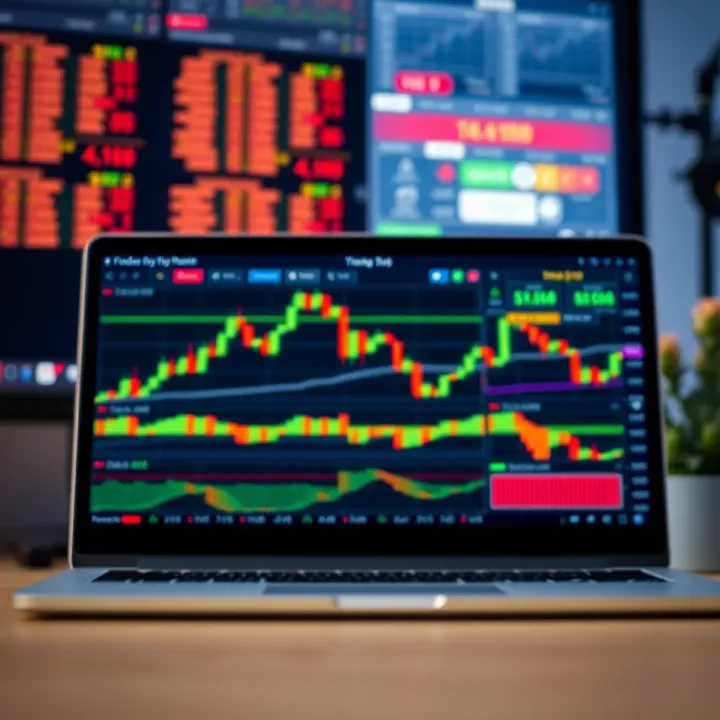
Find the best forex trading software in South Africa 🇿🇦. Learn about top platforms, local bank integration, security, and tips for smart trading decisions.
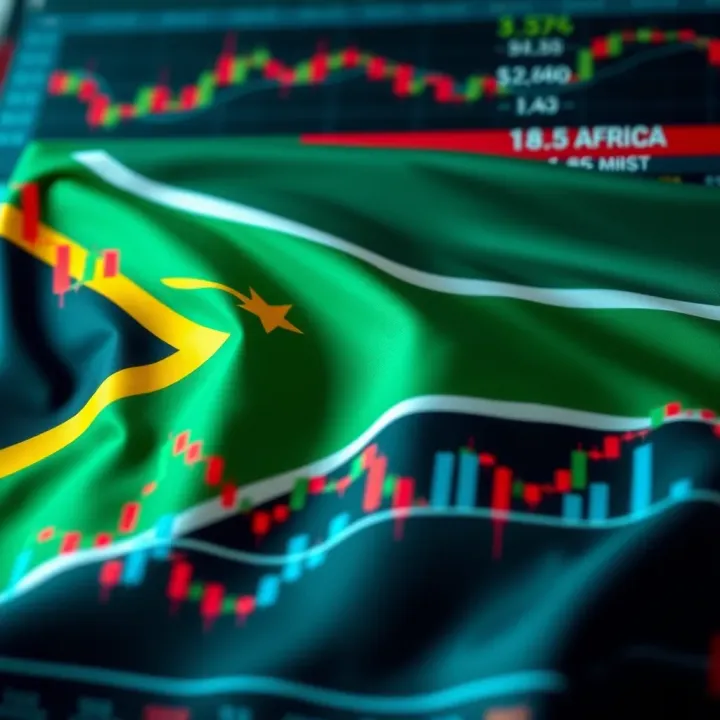
Explore free forex trading in South Africa 🇿🇦 with platforms offering no-cost access, educational tools 📚, beginner accounts, and safety tips for risk-free practice.

📚 Explore top forex trading schools in South Africa! Learn about courses, training approaches, and accreditation to pick the best fit for your trading goals.
Based on 5 reviews