
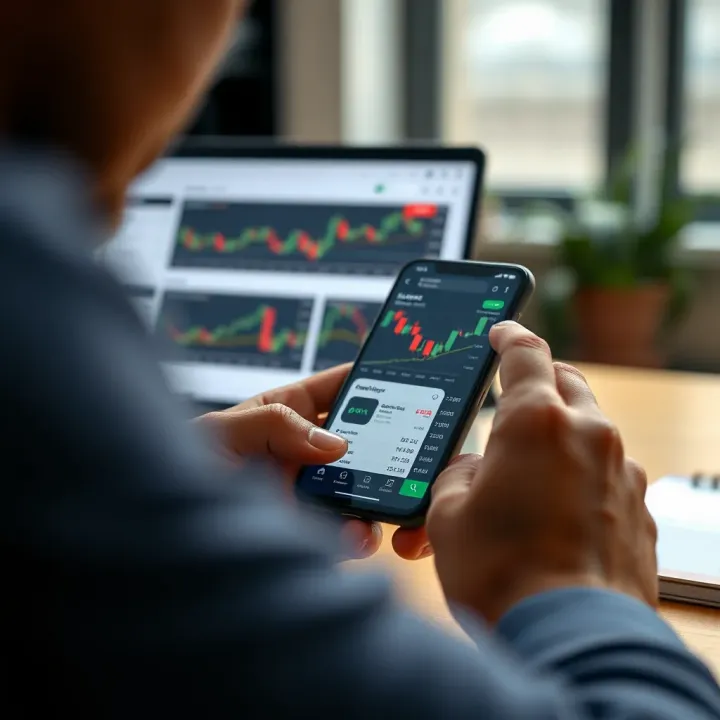
Choosing the Best Forex Trading App in South Africa
Find the best forex trading app for South African traders 🇿🇦 with tips on usability, costs, and reliable tools to trade smart and stay ahead 📱💰
Edited By
Sophie Reynolds
Picking the right forex trading app can make or break your trading experience. For South African traders, it’s a bit more than just downloading a popular app. You’ve got to think about things like the app’s security, cost, and whether it fits your trading style and device.
Forex trading from your mobile offers flexibility — you can check charts and make trades while commuting on the Gautrain or during a quick break at work. But if your app glitches or runs slow because it’s not made to handle South Africa’s sometimes patchy internet or loadshedding interruptions, that freedom quickly turns into frustration.
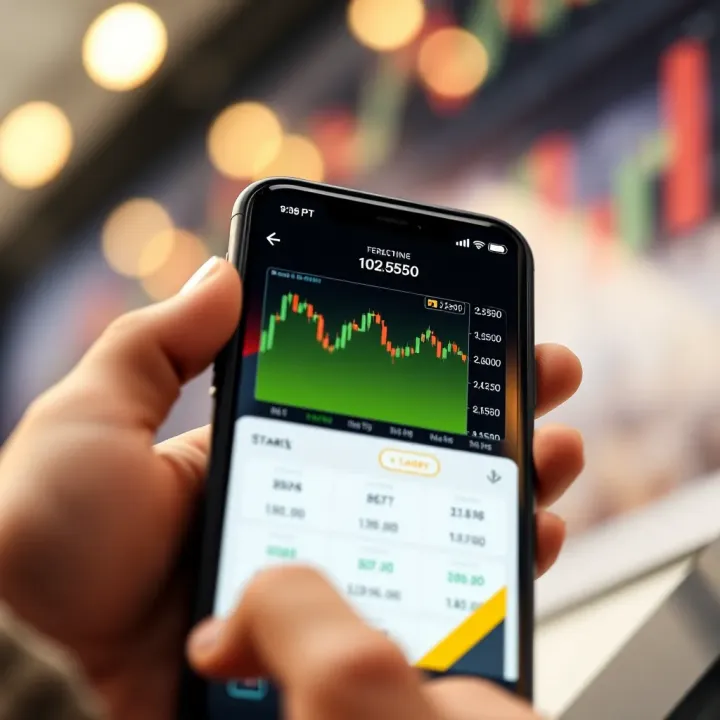
Here’s where the choice becomes important. You want a platform that’s not only packed with the features you need but also runs smoothly on your smartphone or tablet, whether it’s Android or iOS.
Remember, trading apps hold sensitive data like your financial details and login credentials. Security features such as two-factor authentication and encryption should be non-negotiable.
Also, keep an eye on costs. Some apps advertise 'free trading' but charge higher spreads or withdrawal fees, which can add up, especially if you trade frequently. Given the rand’s volatility and SARS regulations, managing costs smartly matters.
Before downloading, check if the app has local support or understands South African market specifics. For instance, some apps might offer real-time access to the South African Reserve Bank’s announcements or specific forex pairs involving the rand (ZAR).
Understanding compatibility is key. Older phones or devices with limited storage might struggle with certain apps. Running a lite version or a more straightforward platform could save you headaches.
In this article, we’ll guide you through the steps to find a forex trading app that matches your needs and walk you through a secure download and setup process. Plus, there’ll be tips on managing trades on the go, considering South Africa’s unique challenges and regulations.
Getting the right forex app isn’t just about convenience — it’s about setting yourself up for smart, informed, and secure trading.
Forex trading apps have transformed how traders engage with currency markets, especially in South Africa, where mobile technology access is widespread. These apps bring the trading floor to your fingertips, enabling instant interaction with global markets without the constraints of physical locations or traditional office setups. Understanding what these apps do is vital for selecting one that suits your trading style and environment.
One big draw of forex trading apps is that they provide real-time market access. This means you see currency price changes, spreads, and market depth at the exact moment they happen. For a trader in Johannesburg catching live updates on the rand-dollar pair fluctuation while on the go, this immediacy can mean the difference between locking in a good trade or missing the opportunity.
Apps link you directly to your broker’s servers, cutting out delays that older desktop platforms may introduce. If a sudden shift occurs—say a South African Reserve Bank (SARB) interest rate announcement—your app reflects that instantly to let you respond quickly.
Trading apps don't just let you watch markets; they allow full account control. You can fund your trading account, withdraw profits, monitor balances, and view transaction history. For example, you could check your available margin before placing a trade or quickly deposit funds using a South African instant EFT method.
This manages your trading portfolio anywhere—from your living room to a braai with friends. It also reduces dependency on desktop logins or broker support calls, streamlining your control and responsiveness.
Good forex apps offer basic to advanced charting directly on your device. Traders can switch between candlestick or line charts, apply technical indicators like RSI (Relative Strength Index) or Bollinger Bands, and draw trend lines. This all-in-one access lets you analyse market trends and make data-driven decisions wherever you are—without lugging around a laptop or printed reports.
For example, if you spotted a potential reversal pattern on a EUR-ZAR chart during your commute, you could prepare your trade strategy in the app ahead of entering the market.
Loadshedding is a headache for South African traders relying on desktop computers and fixed internet. With mobile apps, you can switch to battery-powered devices like smartphones or tablets, allowing you to manage trades during blackouts (provided you have backup power or enough charge).
This can be crucial during volatile market events tied to local or international news when timing is everything. Simply put, mobile trading offers flexibility when the power isn’t.
South Africans often juggle many responsibilities; commuting or working outside conventional office spaces is common. Forex trading apps empower traders to engage with markets from taxis, cafés, or even rural areas where desktop access isn't practical.
Imagine a trader in Durban catching up with forex updates while waiting for a client meeting, or a small-town entrepreneur managing trades during breaks at a local café. The ability to trade anytime, anywhere, breaks down barriers and opens new opportunities.
South Africa's mobile data landscape is shifting. With the rollout of affordable data packages from providers like Vodacom, MTN, and Rain, coupled with wider 4G and emerging 5G coverage, more traders find mobile trading viable and cost-effective.
However, since forex apps consume data especially with live charts and newsfeeds, it pays to monitor usage or choose data-friendly app settings. Thanks to this improved accessibility, even traders outside Gauteng or Cape Town can stay connected and competitive.
Mobile forex trading apps make staying on top of currency markets easier for South Africans by combining real-time data, account control, and accessibility amid local challenges like loadshedding and data costs.
Choosing the right forex trading app goes beyond just picking one with flashy colours or cool logos. For South African traders, it's about finding an app that blends functionality, security, and speed, ensuring you can trade effectively even if you're navigating challenges like spotty internet or rolling loadshedding. Let's break down the key features you should consider for a solid trading experience.
Simple layouts take the stress out of trading, especially when the markets move fast or you’re on the go. A cluttered app with too many buttons or confusing menus can slow you down and lead to costly mistakes. Look for apps that present key information clearly without overwhelming you. For example, an app where you can quickly view your open positions or check currency pair prices without jumping through endless tabs will save you precious seconds.
Customisable dashboards let you tailor what you see on your screen. Maybe you want to track the rand versus dollar closely or have quick access to economic news in a side panel. A dashboard you can adapt helps you focus on your trading style and priorities without unwanted distractions, which is handy when you’re juggling your day job alongside trading.
Chart types are at the heart of technical analysis. Depending on your approach, you might prefer candlestick charts for spotting patterns or line charts for a simpler view of price trends. An app offering multiple chart styles gives you flexibility to analyse the markets the way you find most intuitive.
Technical indicators like RSI (Relative Strength Index), moving averages, and Bollinger Bands help you gauge market momentum or identify entry and exit points. Not every trader uses all indicators, but having a good selection means the app can grow with your skills. For instance, a beginner might start with basic moving averages, while a more advanced trader could deploy a combination for better precision.

Encryption standards ensure that your trading data and personal information are kept safe from prying eyes. Modern apps use strong encryption protocols similar to those banks employ, meaning your passwords, account details, and transaction records aren’t easily hacked over public Wi-Fi or unsecured networks.
Two-factor authentication (2FA) adds an extra layer of protection by requiring a second proof of identity besides your password, usually a code sent to your mobile. This step is crucial in South Africa, where digital identity theft and phishing scams are on the rise, offering peace of mind that only you can access your trading account.
Order types supported can make a big difference in how you manage risks and profits. Beyond simple market orders, features like stop-loss, take-profit, and limit orders help you set conditions so trades execute automatically when the market hits your targets. This is essential when you can’t watch the screen constantly.
Latency concerns in South Africa arise due to internet quality, which can affect how fast your orders reach the brokers’ servers. An app that optimises data use and connection speed reduces delays, letting you act quickly on market moves. Consider apps known for efficient performance on slower networks or that offer offline chart viewing to prepare for trading even if your internet falters.
The right forex app for South African traders balances ease of use, powerful tools, strong security, and fast execution. Missing out on any one of these features can cost more than time and money—it can risk your whole trading strategy.
Keeping these features in mind will help you narrow down options and settle on an app that truly fits your trading needs and lifestyle here at home.
When you’re hunting for a forex trading app that fits your needs, reliability should be top of your list. In South Africa’s fast-moving financial environment, having an app that’s both trustworthy and tailored to local trading conditions can make a big difference. The choice affects your trading costs, security, and how quickly you can act on market moves. So, understanding what makes an app reliable is essential.
The Financial Sector Conduct Authority (FSCA) regulates financial service providers in South Africa. When picking a forex trading app, ensure the broker behind it is FSCA-licensed. This official oversight offers protection that helps prevent fraud, ensures the firm meets minimum capital requirements, and demands adherence to fair trading practices. For example, a broker registered with the FSCA must comply with rules that protect investors, similar to how a retail trader expects their money to be safeguarded in a South African bank account.
Choosing an unregulated broker exposes you to risks like unreliable trade execution or sudden withdrawals of capital. FSCA regulation signals you’re dealing with a broker held accountable by local laws, making your trading experience safer and more predictable.
Past performance and user feedback provide insight into how dependable a broker is. Before you download the app, browse independent South African trading forums or financial websites to check reviews. Look for common complaints — delayed withdrawals, poor customer service, or platform glitches — which may highlight red flags.
A broker with several years of solid operations and positive local reviews usually indicates a stable service. For instance, brokers like IG or Plus500, which have established reputations globally and in South Africa, tend to maintain reliable apps and support systems.
Forex brokers make money through spreads (the difference between buy and sell prices) and sometimes commissions. For example, a spread might be 1.2 pips on EUR/USD, whereas another broker may offer a tighter spread of 0.8 pips. Tighter spreads cut your trading costs, so keep an eye on this when comparing apps.
Some brokers charge a commission per trade instead of or alongside spreads. Understanding these fees upfront helps prevent surprises. Compare how different brokers stack up — an app with slightly higher spreads but no commissions could be cheaper overall, depending on your trade frequency.
You’ll want to know how much it costs to move money in and out of your trading account. Some brokers charge deposit or withdrawal fees, especially for international transfers. Also, check the payment methods offered; for example, some South African traders prefer using EFT or local instant banking options to avoid excessive charges.
Apps supporting quick and low-cost transactions mean you keep more of your capital working for you. It’s worth testing how smooth and reliable these payments are, as delays or fees can disrupt your trading plans.
Good customer support comes in handy, especially if you’re navigating volatile markets. Reliable forex apps usually offer multiple contact options such as live chat, email, and phone. It’s even better if support is available during South African business hours. For instance, brokers with call centres staffed by local agents can resolve issues faster than those relying solely on overseas teams.
An app that supports South Africa’s main languages—English, isiZulu, Afrikaans, or isiXhosa—makes it easier to understand terms and instructions, reducing costly mistakes. Also, consider whether the app’s updates, notifications, and customer service align with SAST (South African Standard Time). Timing matters, especially when responding to fast-changing forex markets.
Choosing a forex trading app with FSCA backing, transparent fees, and strong local support lays a solid foundation for serious trading in South Africa. It ensures your capital is protected, costs are clear, and help is close at hand if you need it.
By paying close attention to these factors, you’ll make a much better choice, helping you trade confidently and efficiently in the South African forex market.
Downloading and setting up a forex trading app properly matters because it forms the foundation for your trading experience. South African traders must ensure they use secure, legitimate apps to protect their investments and personal information. A clear step-by-step approach helps avoid common pitfalls like installing counterfeit apps, linking accounts incorrectly, or loosening your digital security.
When seeking the right trading app, always turn to well-known platforms like the Google Play Store or Apple App Store. Android users in South Africa frequent the Play Store, while iPhone users rely on the App Store. Each offers verified downloads with reviews and update history, helping you spot authentic apps easily.
However, these platforms aren’t foolproof. There are fake or malicious apps masquerading as official ones, often with similar names or logos. These might steal your data or disrupt trading. For example, a quick search for "Forex Trader" could return several apps — double check the developer’s name and user reviews before downloading.
To avoid fake apps, look for clear indicators like a high number of downloads, positive feedback, and recent updates. An official broker’s website usually links directly to their verified app — that’s the safest route. Also, be wary of apps asking for unusual permissions unrelated to trading, like access to your contacts or messages.
Once you’ve found the official app, the installation process is quite straightforward. After installing, creating an account is usually the first step. This requires basic personal details aligned with South African regulations like the Financial Sector Conduct Authority (FSCA) rules on client identification.
Account creation sometimes involves uploading an ID or proof of residence to verify your identity. For South African traders, having these documents ready saves time. This verification process helps curb fraud and ensures compliance with legal standards.
Linking your trading accounts forms the next crucial step. This involves connecting your app to your forex broker’s platform, allowing seamless trade execution and real-time updates. Be sure you enter accurate login credentials and confirm the connection through any two-factor authentication (2FA) prompts. Incorrect linking can cause delays or errors in trade placement, so double-check everything carefully.
Your forex trading app holds sensitive financial data, so choosing strong, unique passwords is absolutely necessary. Avoid predictable passwords like "password123" or birthdays. Instead, combine uppercase and lowercase letters, numbers, and symbols. Password managers can help keep track of these without the need to write them down.
Beyond passwords, enable available security features such as two-factor authentication (2FA). Many South African brokers offer 2FA via SMS or authenticator apps, adding a second layer of protection. In case your mobile is lost or hacked, this reduces the chance of unauthorised access significantly.
Securing your forex app isn’t just a tech matter—it’s a safeguard for your peace of mind and hard-earned money.
Regularly update your app and mobile operating system to patch vulnerabilities. Also, avoid using public Wi-Fi networks when trading; if necessary, consider a virtual private network (VPN) for safer connections.
Following this guide helps South African traders build a solid, secure foundation in mobile forex trading. Proper installation and setup reduce risks and let you focus on what matters: smart trading decisions.
Using a mobile app to manage your forex trades isn’t just about convenience—it’s about staying sharp and responsive in a market that can shift on a dime. For South African traders, navigating forex trading through a mobile device means you can spot opportunities or risks immediately, regardless of where you are. This section will highlight how you can effectively monitor trades, handle market volatility and news, and avoid common pitfalls that come with mobile trading.
Setting price alerts helps you keep tabs on the markets without staring at your screen the whole day. Most forex apps let you set alerts for specific price points or movements, so you get a push notification when the market hits your target. This saves you time and spares you from missing crucial moments, especially when you’re on the go or dealing with interrupted connectivity due to loadshedding.
South African traders often juggle multiple responsibilities, so having these alerts is a practical way to keep trading active without being glued to the app. For example, if you’re watching the USD/ZAR pair and want to buy only if the rand weakens past R15.00, setting this alert means you can carry on with your day and trust the app to flag the opportunity.
Tracking open positions is equally important as it lets you monitor how your trades are performing in real time. A reliable forex trading app provides a clear overview of your open positions, including profit/loss, margin use, and leverage. Keeping this close at hand helps you react quickly if you need to close or adjust positions based on changing market conditions.
For instance, if a sudden political development in South Africa affects the rand, you can instantly see its impact on your open trades and respond. This hands-on control reduces the chance of unexpected losses and supports smarter decision-making.
Accessing news feeds directly within your forex app keeps you informed about economic events and political announcements that sway forex markets. Instead of switching between multiple apps or websites, integrated news feeds deliver relevant updates, saving you time and enabling immediate analysis.
Given South Africa’s sometimes unpredictable policy landscape and its effect on currency value, having fast access to news—such as SARB interest rate decisions or Eskom’s loadshedding updates—can be a real advantage.
Reacting quickly on mobile allows traders to take immediate action on breaking news or sudden price changes. A mobile app used effectively means you’re not tied to your desktop; instead, you can open positions, close trades, or adjust stop-loss levels wherever you happen to be.
In a market where minutes can mean thousands of rands difference, this agility matters. For example, if a sudden global event causes a jump in EUR/USD, acting swiftly from your mobile might protect profits or cut losses.
Data usage and costs are real concerns in South Africa, where mobile data prices can add up fast. Many forex apps allow you to adjust settings like update frequency or disable data-heavy features such as streaming live charts. Doing so can protect your data allowance while keeping you connected to the essentials.
Consider switching to Wi-Fi where possible, especially during heavy trading hours, or choosing an app that’s known for efficient data use. This small habit can save you a fair bit over time.
Connectivity issues are another hurdle, particularly with unpredictable coverage outside urban areas or during load-shedding. Some apps offer offline modes or queue orders that execute once the connection restores. While not foolproof, these features help mitigate the risks of sudden disconnections.
If your internet drops while a critical trade update arrives, it might cause delays or missed opportunities. As such, having a backup connection like a portable router or a second SIM with a different network can keep you connected when it counts.
Effective management of your forex trades on a mobile app combines smart alert settings, swift reactions to market changes and news, and careful handling of data and connectivity challenges common in South Africa. Together, these tips will help you stay ahead in the fast-paced forex market right from your pocket.
Navigating the legal and compliance landscape is unavoidable for anyone serious about forex trading in South Africa. Understanding the framework not only protects you but helps ensure your trading remains above board. This matters especially when you're choosing and using mobile forex trading apps, which are subject to the same rules as traditional platforms.
The Financial Sector Conduct Authority (FSCA) oversees and regulates financial services in South Africa, including forex trading platforms. For any forex trading app to operate lawfully here, the associated broker must hold an FSCA licence. That licence confirms the broker meets specific standards for financial stability, transparency, and conduct. Without it, you risk dealing with entities that might be unregulated or operating illegally.
So, when picking a forex app, check if the broker is registered with the FSCA. This information is usually available on the broker’s official website or on the FSCA’s public register. Using an unlicensed broker could leave your funds unprotected and expose you to fraud.
Trading with an FSCA-regulated broker means you benefit from legal safeguards. These include clear rules on honest marketing, fair treatment, and dispute resolution mechanisms if things go south. In South Africa, FSCA-licensed brokers must segregate client funds, which means your money is held separately from their operational accounts, reducing risks in case the broker runs into financial trouble.
Additionally, FSCA regulations require brokers to provide transparent cost structures and proper reporting. This transparency limits hidden charges and unfair surprises, allowing you to manage risks more effectively. In short, trading through compliant apps secures a legal safety net that many offshore brokers might not offer.
South African traders need to be especially careful to spot suspicious behaviour in the world of forex apps. Red flags often include promises of guaranteed returns or high profits with little or no risk — offering R50,000 return in a month on a small initial deposit, for example, is unrealistic. Other warning signs are unsolicited pushy calls, unclear or overly complex fee structures, and poor user reviews highlighting withdrawal problems.
Apps that require unusually high upfront deposits or pressure you to recruit new clients should raise concern. Technical glitches and lack of clear contact details may also indicate a scam. It pays to research thoroughly and, if something feels off, to hold back from downloading or funding the app.
If you encounter what looks like fraudulent behaviour or scams, there are several places to turn in South Africa. The FSCA is the primary watchdog for financial misconduct and has a dedicated complaints process. Reporting suspicious apps or brokers to the FSCA can trigger investigations and protect other traders from falling victim.
Besides the FSCA, you can report scams to the South African Police Service (SAPS) financial crimes unit or the Consumer Protection Directorate. Some brokers or platforms may also have industry blacklists or hotlines where you can file complaints. Timely reporting helps maintain a safer trading environment and can speed up the removal of fraudulent offerings from app stores or marketplaces.
Staying informed about the legal landscape and spotting dodgy operations can save you from costly mistakes when trading forex via mobile apps in South Africa. Always check FSCA licensing and be alert to scams.
Understanding these legal and compliance aspects ensures you trade smarter and safer on your mobile device, sidestepping common pitfalls in South Africa’s evolving forex scene.
Find the best forex trading app for South African traders 🇿🇦 with tips on usability, costs, and reliable tools to trade smart and stay ahead 📱💰
📱 Find the best free forex trading apps for South African traders! Compare key features, safety tips, practical tools & costs to trade smarter today.
Find the best forex trading software in South Africa 🇿🇦. Learn about top platforms, local bank integration, security, and tips for smart trading decisions.
Explore free forex trading in South Africa 🇿🇦 with platforms offering no-cost access, educational tools 📚, beginner accounts, and safety tips for risk-free practice.
Based on 7 reviews