

Forex Trading Tips PDF for South African Traders
📘 Master forex trading with essential PDF tips crafted for South African traders. Learn risk management, analysis, and practical strategies to boost your skills.
Edited By
James W. Carter
Forex trading in South Africa has attracted many keen investors looking to grow their capital by understanding currency markets. However, navigating the forex world requires more than just luck; solid knowledge forms the backbone of consistent success. That's why a well-chosen forex trading book can serve as your steady companion.
Many South African traders prefer PDFs, given their ease of access, portability, and ability to search for specific topics within a book quickly. But the catch lies in finding reliable PDF versions that aren't pirated or outdated, which can lead to misleading information or legal problems. Local traders often face the challenge of distinguishing credible sources amidst an ocean of scattered, sometimes dubious, digital files.
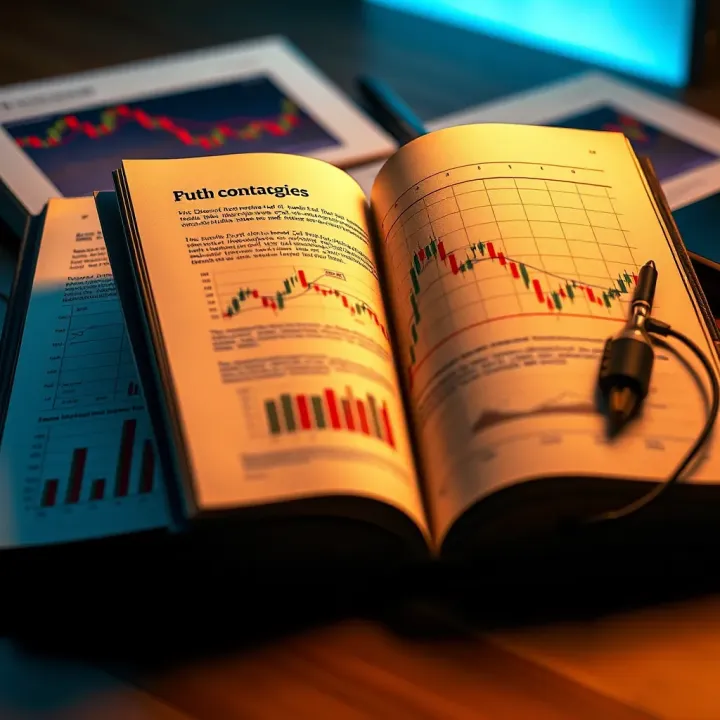
This guide aims to pinpoint popular and trustworthy forex trading books suited for South African readers, while highlighting safe ways to download or acquire these PDFs. It also breaks down essential subject matter—from basic trading concepts to mastering technical analysis—helping you focus on the chapters that sharpen your practical skills.
Many titles like Currency Trading for Dummies by Brian Dolan or Trading in the Zone by Mark Douglas provide valuable insights but tailoring reading to the nuances of forex trading here in Mzansi is key. The local regulatory environment, tax considerations from SARS, and managing risk during Eskom's loadshedding can all affect trading strategies. This means you shouldn't rely on generic content alone.
Reliable knowledge beats guesswork every time. Investing your time in the right forex books equips you to make informed decisions, spot good opportunities, and protect your capital.
You’ll also learn how to incorporate other learning aids alongside books, such as webinars, local forex forums, and demo accounts. Remember, the goal isn’t just to read passively, but to develop skills that help you react to South Africa's unique market conditions.
With this starting point, you can confidently explore PDF options that balance accessibility with up-to-date, accurate content. This practical approach lets you prepare wisely for your forex trading ventures.
Getting a good grip on forex trading is key for South African traders looking to make smart moves. Knowing how the forex market works here, alongside the global dynamics, helps you cut through the noise and build strategies that suit local realities, like rand fluctuations and economic shifts.
Forex trading revolves around currency pairs, where one currency is exchanged for another. For example, the USD/ZAR pair shows how many rands one US dollar can buy. Understanding these pairs helps you track economic ties and market sentiment between countries, which is especially useful given South Africa’s reliance on trade and commodity exports.
Trading currency pairs means you’re essentially betting if one currency will strengthen or weaken against another. A strong rand against the dollar can affect imports and travel costs, so knowing how these pairs move helps you make informed decisions.
The forex market is the largest financial market worldwide, running 24/5 across different time zones. In South Africa, trading mainly happens during local business hours from about 9 am to 5 pm, overlapping with major hubs like London and New York. This overlap influences volatility and liquidity in pairs involving the rand.
Locally, the market responds to economic news such as interest rate changes by the South African Reserve Bank (SARB), political updates, and commodity prices. For example, when gold prices shift, the rand often reacts, affecting forex trades involving USD/ZAR or EUR/ZAR.
South African traders often use platforms like MetaTrader 4 and 5, which offer user-friendly interfaces and robust charting tools. Local brokers also provide platforms such as ThinkMarkets and IG, tailored for local regulation and payment options.
Using a reliable platform is crucial for smooth trade execution and access to real-time data. Plus, most of these platforms support demo accounts, letting beginners practise without financial risk.
The FSCA acts as the watchdog overseeing financial markets in South Africa, including forex brokers. Its role is to protect traders from scams and ensure brokers follow fair trading practices. When choosing a broker, you should check if they are FSCA-approved, as this offers a layer of safety and accountability.
Trading through FSCA-registered brokers reduces your risks and gives you access to dispute resolution if issues arise.

Selecting the right broker locally means looking beyond FSCA registration. Consider the broker’s spreads, execution speed, deposit/withdrawal options, and customer service quality. For instance, brokers accepting instant EFT payments can make funding your account more convenient.
Also, check if the broker offers tools tailored to South African traders, such as rand-based accounts or insights on local economic indicators.
Compliance with FSCA rules and broader anti-money laundering laws like FICA safeguards your funds and personal info. Dealing with brokers who lack proper licencing or transparency increases the chance of fraud or account freezes.
Ensuring safety means not only picking regulated brokers but practising good security: use strong passwords, enable two-factor authentication, and avoid sharing login credentials.
Understanding these basics of forex trading and the surrounding regulatory framework will set you on a more secure and informed path as you explore trading resources, such as the recommended forex books.
Accessing trustworthy forex trading books in PDF format is key for South African traders aiming to sharpen their skills without breaking the bank. Reliable PDFs offer not only convenience but also a chance to dive deep into strategies and market insights that are relevant locally and globally. Knowing where to find these resources saves you time, avoids misinformation, and ensures you're learning from solid, well-vetted content.
Official publisher sites remain the top spot for finding accurate, up-to-date forex textbooks and guides in PDF form. Publishers like Wiley or McGraw-Hill often provide legitimate digital versions you can download or purchase. These sites guarantee that the book content hasn’t been tampered with and often include supplemental files such as workbooks and practice exercises. For example, if you’re after a respected title like Currency Trading for Dummies, buying it directly through the publisher prevents ending up with outdated or partial versions online.
Educational platforms geared towards finance and trading, such as Investopedia or Babypips, sometimes offer free or low-cost materials tailored to forex beginners and intermediate traders. While not always full books, these resources break down complex concepts into easy-to-digest PDFs or downloadable guides. South African-based providers and finance departments at universities may also share publicly accessible PDFs that reflect the local market conditions and regulations—something foreign sites might overlook.
Forums like MyBroadband’s investment sections or Reddit’s r/ForexSouthAfrica are excellent places to discover user-recommended PDFs. Experienced traders often share links to quality learning materials accompanied by practical hints about which books helped them manage Rand volatility and local economic shifts. These communities can help you avoid dead-end downloads by vetting resources collectively, which is valuable when navigating a minefield of global forex content that isn’t always tuned for our context.
Downloading forex books from unofficial or pirate sites can lead to a handful of problems—from receiving inaccurate material to exposing your device to malware. Worse still, pirated books may omit critical chapters or gloss over important regulatory nuances that South African traders must know. The financial and privacy risks are real, and the cost of such negligence could go beyond just wasted time—it could lead to costly trading mistakes prompted by bad information.
Quality forex PDFs typically have clear layouts, updated edition dates, and are either produced by or endorsed by reputable authors or organisations. A good sign is when content includes charts, examples tailored to forex in general—and when possible, references to South African markets or currency pairs involving the Rand. If the document is poorly formatted, riddled with typographical errors, or seems overly basic with no practical tips, it’s a red flag.
Before downloading, cross-check the author’s name for credentials in forex trading, and look up reviews from fellow traders. Official educational sites, publishing houses, or recognised South African finance bodies often carry accreditation marks or references that vouch for the content’s legitimacy. If the source links back to a credible organisation like the Financial Sector Conduct Authority (FSCA) or a known publisher, that’s a solid sign the PDF is trustworthy. Always trust your gut—if a source seems dubious or too good to be true, it probably is.
Always prioritise safety and quality when sourcing forex trading books. The right materials will help you trade smarter and avoid unnecessary risks.
Choosing the right forex trading books helps South African traders build a solid foundation and sharpen their strategies to suit local market conditions. A recommended reading list offers practical benefits beyond theory—books tailored to beginners set up traders for success, while advanced titles deepen understanding of complex tools and psychological factors. Being selective saves time, cuts through misinformation, and strengthens your trading edge.
Books that cover the fundamentals and basic strategies are indispensable for newcomers. They explain core concepts like currency pairs, leverage, and market orders, which are essential before diving into live trades. For South African traders, this background aids understanding how factors like Rand fluctuations influence forex prices.
Authors with accessible writing styles make a complex topic less intimidating. Clear, jargon-light language and relatable examples help retain knowledge long-term. For instance, Kathy Lien’s writing offers straightforward explanations without overwhelming detail, which is ideal for those still finding their feet.
Popular introductory books include classics like ‘Currency Trading for Dummies’ by Brian Dolan and ‘Forex for Ambitious Beginners’ by Jelle Peters. These books focus on practical applications rather than dense theory. Their step-by-step guidance prepares South African traders to set up accounts with local brokers while considering Rand volatility.
Technical analysis and charting resources are vital as traders move beyond basics. Books like ‘Technical Analysis of the Financial Markets’ by John Murphy delve into reading charts, identifying patterns, and using indicators. Such resources enable South African traders to interpret price movements on platforms like MetaTrader.
Risk management-focused titles emphasise protecting capital and managing exposure—crucial for surviving rough patches. For example, ‘Trade Your Way to Financial Freedom’ by Van Tharp details position sizing and stop-loss techniques, enabling local traders to handle unpredictable Rand swings safely.
Books addressing trading psychology provide insight into controlling emotions, especially important in South Africa’s often volatile economic context. Titles such as ‘The Psychology of Trading’ by Brett Steenbarger explore mindset strategies that help maintain discipline and confidence, preventing costly rash decisions during turbulent market phases.
Starting with the right books tailored to your level and local reality enhances forex trading skills, builds confidence, and helps you avoid common pitfalls.
By focusing on well-regarded titles and authors, South African traders can equip themselves for practical success while navigating an ever-changing forex environment effectively.
Studying forex trading books offers valuable insights, but the real challenge lies in applying that knowledge effectively. Without practical steps, even the most thoughtful books remain theoretical. This section highlights ways to transform reading into skill-building, especially relevant to South African traders who face unique market conditions.
Reading about forex concepts becomes far more impactful when paired with live practice through demo trading accounts. Many local brokers offer simulation platforms where you can test strategies without risking real money. For instance, after learning about technical analysis in a book, try spotting those patterns on a demo account with Rand pairs like USD/ZAR or EUR/ZAR. This hands-on approach helps solidify understanding while avoiding costly beginner mistakes.
Writing down important ideas or summarising chapters refines comprehension and aids retention. Instead of passively reading, actively jot down your own summaries or highlight key charts and strategies. South African traders might track how certain economic indicators, such as SARB interest rate changes, influence forex moves, creating a personal reference for future decisions. These notes become handy quick guides during busy market hours.
The forex market never stays the same, especially with changing global and local factors. Regularly updating your resources by reading new editions or following authors’ supplementary content keeps your knowledge fresh. Many forex experts update their work annually or provide online webinars and articles addressing new challenges like increased Rand volatility or geopolitical shifts affecting emerging markets. Constant learning helps you adapt strategies effectively.
The South African Rand is known for its swings due to factors like commodity prices and political events. Understanding these fluctuations helps tailor your strategies. For instance, a straightforward breakout strategy might fail during extreme Rand volatility, requiring you to factor in wider stops or reduced position sizes. Book lessons on volatility can be customised by observing how these concepts unfold specifically in Rand pairs.
Besides global trends, South African-specific data such as GDP growth rates, mining output, and unemployment numbers greatly influence forex markets here. Applying book theories to local economic releases makes your analysis more relevant. For example, incorporating Quarterly Labour Force Survey results into your fundamental analysis can give you an edge when trading USD/ZAR during business hours.
Financial trends in Africa and BRICS nations also affect Rand currency pairs. Shifts in investor sentiment related to these regions impact forex liquidity and price action. If a book advises on typical European market behaviours, you might need to tweak timing or risk parameters for weekends or public holidays when local activity slows down. Being aware of these regional dynamics turns general strategies into practical tools suited to your environment.
Practical learning combined with local market awareness sets successful South African forex traders apart. Books provide the foundation, but integrating those lessons with real-world practice and market conditions is the winning formula.
📘 Master forex trading with essential PDF tips crafted for South African traders. Learn risk management, analysis, and practical strategies to boost your skills.

Explore free forex trading in South Africa 🇿🇦 with platforms offering no-cost access, educational tools 📚, beginner accounts, and safety tips for risk-free practice.
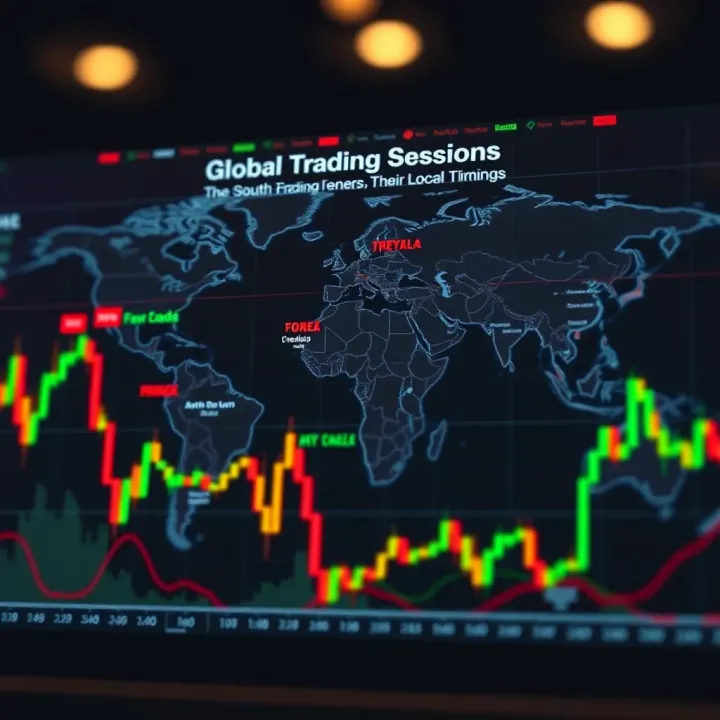
Explore the key forex trading sessions in South Africa 🕒, their timing & traits. Get tips to boost your trades and a guide to session PDFs 📈💼.

Master effective forex trading strategies 🇿🇦 to boost your chances of success. Learn risk management, market adaptation, and proven tactics for consistent profits 💹
Based on 6 reviews