
Fundamental Forex Trading Strategies Explained
📈 Dive into fundamental forex trading strategies! Learn how economic indicators, central banks, and global events influence currency moves for smarter trades.
Edited By
Henry Carlisle
Forex trading can be rewarding but also challenging, especially when it comes to turning a profit consistently. At its core, forex trading profits arise from buying and selling currency pairs at favourable prices, but there’s more to it than simple speculation.
Successful trading depends on understanding the factors that influence price movements and managing your risk to protect your capital. For South African traders, local economic factors like the rand’s volatility against the US dollar, interest rates set by the South African Reserve Bank (SARB), and global market events can all impact gains and losses.
Profits in forex are not guaranteed — they result from a blend of smart analysis, disciplined risk management, and patience.
Key points to grasp include:
Pip movements: Profits are often measured in pips, which represent the smallest price change in a currency pair. Even a few pips can mean real Rand gains if you trade larger volumes.
Leverage: Brokers allow you to control bigger positions with less capital. While leverage can magnify profits, it can also increase losses just as fast.
Market volatility: More volatility means bigger price swings, offering opportunities but also greater risk.
South African traders typically use a combination of fundamental analysis — keeping an eye on things like SARB’s interest rate decisions, inflation data, and trade balances — alongside technical analysis that uses price charts and indicators. This dual approach helps identify potential entry and exit points.
Understanding these basics builds the foundation for more advanced strategies aimed at improving profitability while limiting risk exposure. Always remember, even experienced traders face losing streaks; managing losses is just as important as chasing gains.
This article will explore these essentials in depth to give you a realistic view of how profits form in forex trading and how to improve your chances of steady returns.
Understanding how forex trading generates profit sets the foundation for succeeding in this dynamic market. Forex trading involves exchanging one currency for another, aiming to capitalise on shifts in exchange rates. South African traders benefit from grasping key factors like currency pair movements, the role of trading positions, and how costs impact net profits. Without solid knowledge here, you’re essentially gambling rather than trading.
Exchange rates and price fluctuations form the core of forex profits. When you buy a currency, you’re betting its value will rise against the other in the pair. For example, if you buy USD/ZAR at 14.50 and it moves to 15.00, you earn profit from the 0.50 increase per unit traded. These rates fluctuate based on supply and demand, economic news, interest rate changes, and even political events.
Knowing these fluctuations is practical because it lets you spot when to enter or exit trades. Say, during South Africa’s inflation spike, the rand tends to weaken, creating opportunities for USD/ZAR longs. Understanding patterns helps prevent chasing price moves blindly.
Bid and ask prices are the rates at which the market buys (bid) and sells (ask) a currency. The difference between these prices is the spread — essentially the broker’s cut. For instance, if the EUR/USD bid is 1.0800 and the ask is 1.0802, you pay 1.0802 to buy and get 1.0800 when selling.
For traders, recognising this spread is crucial as it affects profitability, especially on short-term trades. A wide spread means the price must move more in your favour just to break even. South African traders should pick brokers with tight spreads to avoid unnecessary costs.
Leverage and margin effects allow you to control larger trades than your capital would normally permit. If you have a leverage of 100:1, R1,000 could control R100,000 worth of currency. This amplifies both gains and losses.
Practically, leverage enables small accounts to participate actively but demands disciplined risk control. Without managing leverage properly, losses can exceed initial deposits, a real risk during volatile phases like unexpected rand swings. Leveraged trading demands constant attention and solid exit strategies.
Going long and short explained refers to buying or selling a currency pair based on expected price moves. Going long means purchasing the base currency expecting it to rise, while going short means selling it anticipating a drop. For example, if you believe the rand will weaken, you might go long USD/ZAR or short ZAR/USD.
Understanding this helps traders profit whether the market rises or falls. South African traders especially benefit here due to the rand’s frequent volatility stemming from economic and political factors.
Timing entries and exits is about choosing when to open or close positions for maximum gains or minimal losses. Entering too early or exiting too late can erode profits or increase risk.
Successful traders watch price signals, economic releases, and technical indicators. For instance, avoiding trades just before South African Reserve Bank rate decisions can limit exposure to sudden market ups and downs.
Impact of spreads and commissions directly reduces net profits. Besides spreads, some brokers charge commissions per trade, which can add up.
For practical trading, selecting brokers with transparent fees and competitive spreads means more of your profit stays yours. Remember, frequent trading on wide spreads or high commissions can turn a promising strategy into a losing one.
In forex, small costs add up fast — mastering how profits form means also mastering where profits leak away.
This section equips you with the basics of how forex trading profits arise, preparing you to navigate the risks and opportunities that shape your success.
Forex trading profitability depends heavily on market forces beyond just the trader’s skill. Understanding these underlying factors helps traders anticipate price movements and identify when opportunities arise. Two major elements shape profitability: market volatility alongside liquidity, and economic indicators with news events. Each affects the forex market in distinctive ways that influence trading strategies.
Volatility refers to how much and how quickly currency prices change within a given time. When volatility is high, prices swing more sharply, creating chances for traders to profit from large movements. For example, during the announcement of South Africa’s quarterly GDP figures, the rand might suddenly move several cents against the US dollar in minutes. Traders who correctly predict these moves can gain significantly. However, this also means risks increase as prices can reverse quickly, so timing and risk controls become critical.
Sharp price swings present both risks and opportunities – being prepared for volatility is key to successful forex trading.
Liquidity reflects the ease of buying or selling a currency without affecting its price too much. The forex market operates 24 hours but liquidity varies with global trading sessions. The most liquid period is when the London and New York markets overlap, roughly 3 pm to 7 pm SAST. During this window, tight spreads and high volume allow traders to enter and exit positions smoothly with minimal slippage.
Conversely, during less active hours, like overnight in South Africa, liquidity dries up. That’s when spreads widen, and large orders can move prices substantially. This can hurt profitability if traders aren’t careful. Understanding these patterns helps you schedule trades during more favourable hours.
Key economic data such as interest rate decisions, inflation numbers, and GDP growth directly affect currency values. Central banks set interest rates to manage economic activity; higher rates generally attract foreign investment, supporting the local currency. For example, if the South African Reserve Bank (SARB) unexpectedly raises rates, the rand often strengthens.
Inflation rates also matter. Rising inflation tends to weaken a currency unless matched by tight monetary policy. GDP announcements signal economic health and influence confidence. Sharp changes in these figures create price volatility traders can use if they analyse the data well and act swiftly.
Political developments, both local and global, often cause sudden forex market moves. Elections, trade agreements or disputes, and geopolitical tensions introduce uncertainty. Take the rand’s reaction to the recent Eskom loadshedding crisis or government policy shifts — these events tend to trigger quick responses in currency prices.
Understanding the impact of these events allows traders to anticipate potential swings or stay cautious during uncertain times. It also highlights the importance of regular news monitoring alongside technical analysis.
In short, staying on top of volatility levels, trading hours’ liquidity, and economic plus political news gives forex traders an edge. These factors shape when and how profits can be made or lost, so integrating them into your strategy improves consistency and control over outcomes.
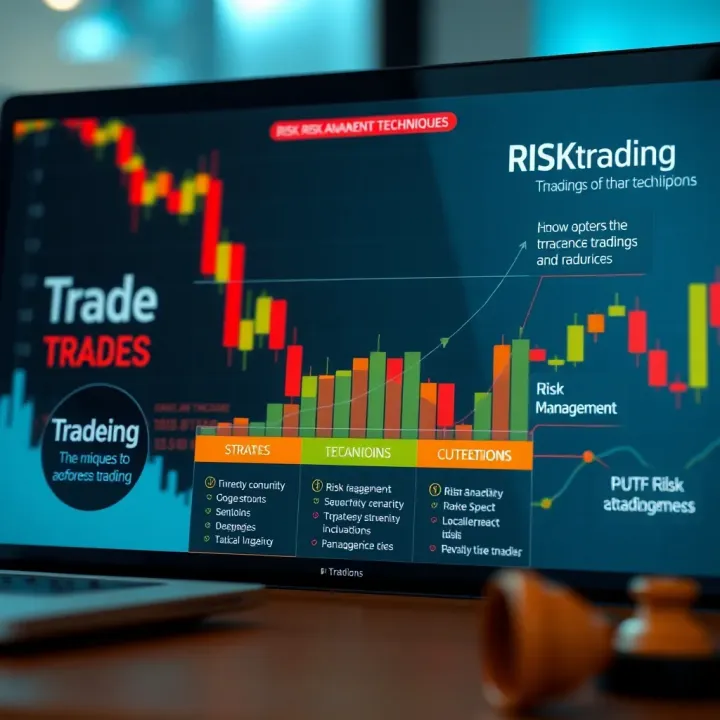
Risk management isn't just a buzzword in forex trading; it’s your safety net when markets don’t move your way. Profit potential often grabs the spotlight, but real traders know protecting those profits is what keeps them in the game. Without a firm grip on risk, even the best strategies can fall apart under the pressure of unexpected market swings.
A stop loss sets a predefined exit point that cuts your losses short if the market goes against your position. For example, if you enter a trade on the USD/ZAR pair at R18.50, placing a stop loss at R18.40 limits your risk to 10 cents per rand. This discipline prevents emotional decision-making and stops one bad trade from wiping out days or weeks of gains.
Having stop losses is not just for beginners — seasoned traders use them to maintain consistency. It’s about accepting small, manageable losses instead of holding on in hope that the market will reverse. Practically speaking, if the rand suddenly weakens due to a surprise SARB interest rate cut, your stop loss helps protect your capital from sinking too low.
Take profit levels work the other way around, locking in profits once a trade reaches a favourable price. Instead of watching your gains slip away as the market retraces, you set realistic targets based on technical levels or your trading plan. For instance, if your analysis for EUR/ZAR suggests resistance at R20.10, setting your take profit just before that can help you bank profits before sellers emerge.
People often underestimate the value of securing gains, especially when caught in the excitement of a winning streak. By automating your exits, you can avoid the common pitfall of greed, which often turns a profitable trade into a loss. This approach promotes discipline and helps grow your account steadily over time.
Position sizing determines how much capital you allocate to each trade. The trick is finding a balance that fits your risk tolerance and capital size. Risking too much on one trade can lead to severe losses; risking too little might leave you chasing big returns. A common rule is to risk no more than one to two percent of your trading capital per position.
Say you have R100,000 to trade with and you set a stop loss 50 pips away on a pair. If one pip equals R10, your position size should be limited so that your loss won’t exceed R1,000 to R2,000 if stopped out. This methodical approach avoids gambling with your entire fund and keeps your trading sustainable.
Leverage amplifies both profits and losses, so it must be used cautiously. Overexposure happens when leverage is applied without proper risk control, exposing your portfolio to outsized swings. For example, a typical retail account might offer 1:100 leverage, but using it fully without stop losses or sensible position sizing is asking for trouble.
Traders should start with lower leverage, like 1:10 or 1:20, especially in volatile markets like forex. This reduces the risk of margin calls during unexpected rand plunges or geopolitical surprises. Avoiding overexposure means keeping your account resilient, allowing you to stay in trades longer and avoid being forced out by minor market hiccups.
Effective risk management is not about avoiding losses entirely but controlling them smartly to protect your capital and build profits steadily. It’s the backbone that helps traders navigate unpredictable markets without losing their shirt.
By setting stop losses and take profit levels thoughtfully, managing your position sizes, and keeping leverage in check, you give yourself a better chance to trade consistently and grow your account over time. The goal is steady, repeatable success rather than chasing quick, risky wins.
Applying effective trading strategies is key to navigating the forex market successfully. These strategies help traders make informed decisions rather than relying on luck or guesswork. In fast-moving markets, consistent gains come from a disciplined approach combining analysis and risk control. South African traders, in particular, need strategies that factor in local market conditions like rand volatility and global economic shifts.
Reading charts and indicators is fundamental in technical analysis. Forex trading platforms offer charts that display currency price movements over time, allowing traders to spot trends and levels where prices tend to react. Indicators like moving averages smooth out price data to reveal momentum, while oscillators such as the Relative Strength Index (RSI) show if a currency pair is overbought or oversold. For instance, a trader might notice the EUR/ZAR crossing above its 50-day moving average, signalling potential upward momentum.
Practical relevance lies in the trader's ability to time entries and exits based on these signals rather than emotions. Charts make price action visible and understandable, providing clues about where the market might head next. However, no indicator is foolproof; combining several indicators reduces false signals.
Trend following and reversal patterns are popular among traders aiming for consistency. Trend following means identifying and trading in the direction of established price movement, like buying USD/ZAR when it steadily rises. Reversal patterns indicate a likely change in direction — classics include the head and shoulders or double bottom. Spotting a reversal early helps traders lock in gains or avoid losses.
These patterns offer a practical way to make sense of price swings. For example, if the GBP/USD forms a bullish engulfing candle after a downtrend, it might suggest buyers stepping in, prompting a long position. Recognising such patterns requires practice, but they often mark quieter moments before bigger moves, helping traders strategise effectively.
Evaluating macroeconomic data means looking at broader economic indicators that affect currency values. Interest rates set by central banks, inflation statistics, unemployment rates, and GDP growth figures provide insight into a country’s economic health. For example, a rise in South Africa’s repo rate may strengthen the rand because higher rates attract foreign capital.
This analysis helps traders anticipate shifts not immediately obvious in charts. A trader keeping an eye on the US Federal Reserve’s interest rate announcements can prepare for sharp moves in USD pairs. Macroeconomic data often set the longer-term tone for currency trends, so fundamental analysis complements short-term technical signals.
Currency strength assessment compares the relative power of one currency against others. Traders track indices or baskets that measure overall strength. If the euro is strengthening globally but the rand is weakening because of political uncertainty, the EUR/ZAR pair will likely rise.
Knowing which currency carries momentum assists in selecting pairs with trending potential. This assessment also helps avoid choppy markets where both currencies lack clear direction. For South African traders, understanding the rand’s drivers — commodity prices, domestic policy, or global risk sentiment — can guide smarter trades aligned with prevailing forces.
Successful forex trading depends on blending strategies tailored to your style with awareness of shifting market forces. Technical and fundamental tools each play roles, creating a more complete picture to trade with confidence.
South African traders face several unique factors that influence forex trading decisions. Beyond understanding price movements and strategies, navigating local market conditions, regulatory requirements, and currency dynamics is essential. These practical considerations affect everything from broker choice to risk management and ultimately impact profitability and trading experience.
Selecting a reliable forex broker is fundamental. South African traders should prioritise brokers regulated by the Financial Sector Conduct Authority (FSCA), which ensures compliance with local financial laws and offers some investor protection. Unregulated brokers might offer tempting features but can expose traders to fraud or unfair practices. For example, a trader using an FSCA-registered broker like IG or Standard Bank Securities benefits from clearer recourse in disputes compared to offshore entities without South African oversight.
Costs can quietly eat away at profits, so evaluating spreads, commissions, and deposit/withdrawal fees matters. Many brokers advertise low spreads but add commissions or charge for withdrawals, which can add up. Platform functionality also counts — a user-friendly interface with integrated charting and technical tools supports better decision-making. Local traders often prefer brokers offering MetaTrader 4 or 5, known for reliability and custom indicators. Pay attention to execution speed, too, since lag can affect entry points, especially in volatile periods.
South Africa’s exchange control regulations restrict how much forex traders can send or receive abroad without prior authorisation. While the authorities allow individuals to invest overseas within set allowances (currently R10 million per calendar year for individuals), the process can delay fund transfers. Traders should plan withdrawals and deposits accordingly, ensuring compliance to avoid penalties. Many brokers have systems tailored to these rules, simplifying transfers and reporting.
The South African rand (ZAR) is known for its swings against major currencies like the US dollar and euro. This volatility presents both opportunity and risk. On one hand, traders can capitalise on significant price swings for quick gains. On the other, sudden rand shifts can affect margin requirements and open positions unexpectedly. For example, during periods of Eskom loadshedding announcements or political uncertainty, the rand may weaken sharply, impacting forex positions. Keeping an eye on local economic news and global risk sentiment helps traders adjust their strategies and manage exposure.
South African traders must blend global forex tactics with local realities, especially when dealing with regulatory frameworks and the rand’s twists. Success depends not just on strategy but also on understanding these home-grown factors.
Practical knowledge of brokers, costs, laws, and currency behaviour cultivates a smoother, more informed trading journey in the South African context.
📈 Dive into fundamental forex trading strategies! Learn how economic indicators, central banks, and global events influence currency moves for smarter trades.
📈 Explore proven forex trading strategies, risk tips, and essential tools to boost your trades in the dynamic forex market. Perfect for all skill levels!
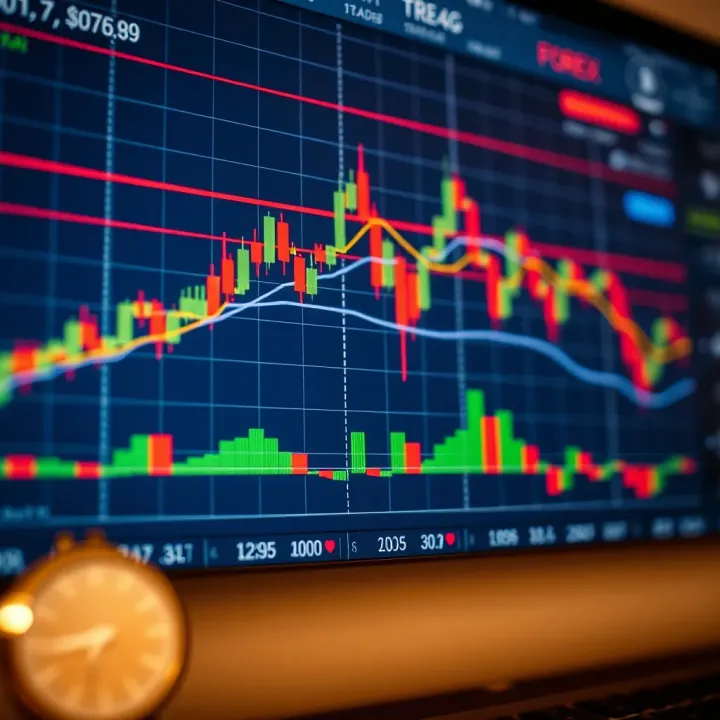
📈 Discover effective forex trading strategies like trend following, range trading, and breakouts with tips on risk control and boosting profits. 💹
📊 Unlock practical forex trading tips & strategies in this easy PDF! Learn risk management, market insights & tools for better trading in South Africa.
Based on 7 reviews