
Forex Trading Guide for South African Traders
💱 Learn forex trading basics, trades, risks & benefits, tailored tips for South African traders. Explore strategies, market insights & regulations today!
Edited By
Sophie Reynolds
Getting started with forex trading in South Africa can feel like stepping into a bustling market where everyone shouts their own price. But before you jump in, it’s wise to understand not only the nuts and bolts of forex trading but also the specific training options available locally. This article aims to clear the fog and give practical advice for South Africans eager to learn the ropes.
Forex trading isn't just about making quick bucks; it requires a solid grip on market dynamics, risk management, and the regulatory environment. Whether you're a fresh face or someone who's dabbled a bit, knowing where to train and what to focus on can make the difference between blinking at losses and smiling at gains.
In this guide, we’ll break down key training paths, highlight essential skills, and touch on the rules of the road set by South African regulators. By the end, you should have a clear map to approach your forex education confidently and responsibly, setting a sturdy foundation for your trading journey.
Remember, every expert trader was once a beginner who didn't quit learning.
Getting a solid grip on what forex trading is and why it’s gaining popularity in South Africa sets the stage for anyone thinking about dipping their toes in these murky but potentially rewarding waters. This isn’t just about currencies changing hands; it’s a peek into a world that offers both opportunities and challenges tailored by the unique South African economic scene.
Forex trading, at its core, is the buying and selling of currencies, but it’s not like popping into a currency exchange booth at the airport. Instead, you’re trading pairs like ZAR/USD or EUR/ZAR, profiting off the fluctuations in their exchange rates. Imagine you buy the USD against the ZAR because you think the dollar will strengthen. If you're right, you sell it later at a higher price, pocketing the difference. It all hinges on understanding how currencies move against each other and spotting the right moments to act.
For South African traders, knowing the subtle factors affecting the rand’s value compared to other currencies—like political events, interest rate changes, or commodity prices—is key. It's not just about guessing; it's about reading those market cues.
Unlike stock markets that close after hours, the forex market runs 24 hours a day from Monday to Friday, thanks to the different time zones across the globe. This constant action means traders in Johannesburg can jump into the New York session, then later follow up with moves happening in London or Tokyo.
This global rhythm means South African traders are never out of the loop, but it also demands staying alert to when markets are most volatile or quiet. For example, the overlap between London and New York sessions often sees the most movement, which can translate to higher opportunities—or risks.
Thanks to the internet, the borderless nature of forex trading has opened the gates wide for South Africans. Platforms like IG Group, Plus500, and local brokers registered with the FSCA make access to the forex market quite straightforward. The ease of opening accounts, low initial deposits, and desktop or mobile apps mean anyone with a decent internet connection can start exploring.
It's much easier today to learn forex trading at your own pace and from the comfort of your home. Plus, various local educational resources have sprung up to guide beginners, which wasn’t the case a decade ago.
Lots of South Africans see forex as a side hustle—working a day job while trading in the evenings. The allure lies in the possibility to generate money beyond the usual 9 to 5 grind. Even if you’re not aiming for massive returns, forex trading lets you experiment with managing money actively and diversify income streams.
But, it’s important to be realistic: it’s not a quick path to riches. Success requires time, effort, and continued learning.
South Africa's economy, characterized by its commodity dependence and periodic political shifts, affects the rand significantly. For instance, fluctuations in gold and platinum prices often ripple through the rand’s value, creating trading opportunities or risks.
Moreover, inflation rates and the country’s credit ratings can swing investor confidence, impacting forex markets. Traders who understand these local nuances can make better-informed decisions rather than just guessing based on global news.
Smart traders don’t just watch charts—they watch the world around them, especially the factors that specifically hit their own currency.
By grounding forex education in these realities, aspiring traders in South Africa gain a practical advantage in navigating the market.
Getting the right training can make a big difference when you're stepping into forex trading. South Africa offers several formats, each with its own perks, giving traders a chance to pick what suits their learning style and schedule best. From face-to-face workshops to online courses and personal coaching, these options help build solid foundations and sharpen skills.
In-person workshops bring something unique to the table: live, hands-on learning. You can ask questions on the spot, get immediate feedback, and even engage in group exercises that simulate real trading scenarios. The energy in a room full of like-minded people is hard to replicate online. For example, attending a workshop hosted by the Johannesburg Forex Traders Association lets you rub shoulders with experienced traders and pick up valuable tips that don’t come from books alone.
Local forex seminars often take place in major cities like Cape Town, Durban, and Johannesburg. Keep an eye on forums such as ForexFactory South Africa or community groups on platforms like Meetup. Sometimes, banks or local financial institutions sponsor sessions too. Checking bulletin boards at popular business hubs or trading centres can also lead you to upcoming events. Since these sessions may fill up quickly, it pays to register early.
One of the biggest draws of online forex training is the ability to learn at your own pace. If you hold a day job or have family commitments, online courses let you study whenever you find a free moment. This flexibility means no scrambling to make it to a 9-to-5 seminar. Courses hosted on platforms like Udemy or Investopedia’s online academy allow you to pause, rewind, or revisit tricky concepts until they click.
While global sites are viable, some South African platforms specialize in local market conditions. Websites like Forex School SA and Lux Trading offer courses with content tailored for South African traders, including sessions on rand volatility and local economic influences. These platforms usually combine video lessons, quizzes, and downloadable resources to enhance understanding.
Personal coaching moves you beyond one-size-fits-all teaching. A mentor can tailor lessons to your trading strengths and weaknesses, helping fix gaps faster. For instance, if you struggle with risk management or technical analysis, a mentor can drill those areas specifically. This focused approach often accelerates progress compared with general group training.
Finding a credible mentor requires some homework. Look for traders with proven track records and preferably FSCA registration as brokers or affiliates, which hints at legit experience. Recommendations through local trading communities or connected trading groups are useful. Avoid any coaches making unrealistic profit claims; seasoned mentors emphasize risk awareness and steady growth.
Whether you prefer face-to-face settings, flexible online courses, or personal mentorship, South Africa has forex training paths to match your learning preference and schedule. Choosing a suitable format will strengthen your trading skills and boost your confidence in navigating the markets.
For anyone keen on trading forex in South Africa, focusing on the right skills and knowledge is a non-negotiable step. This goes beyond just knowing which buttons to click; it’s about understanding how the market ticks, managing your risks smartly, and keeping an eye on what drives currency moves. Without a solid grasp of these areas, even the best brokers or platforms won’t save you from costly mistakes.
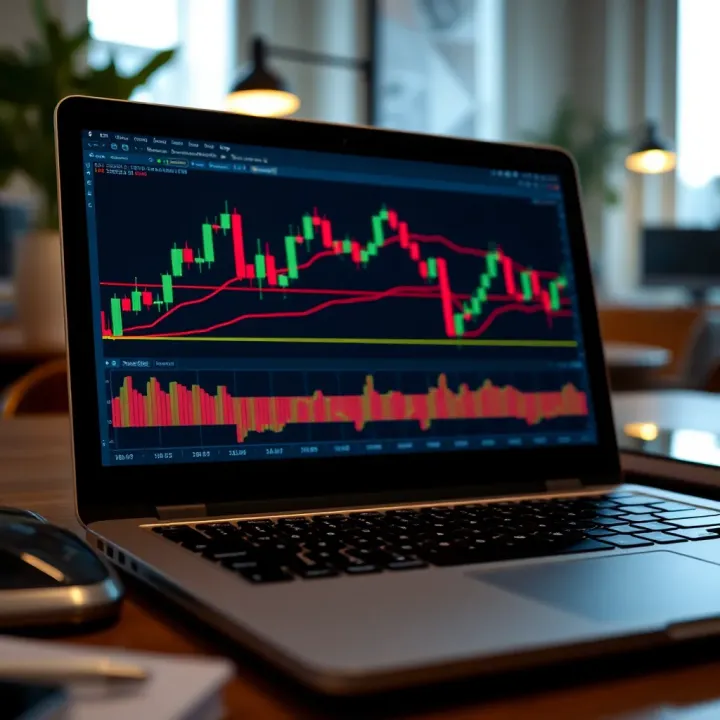
Reading charts and indicators is where most traders start. It might look daunting with all those lines and colors, but simply put, charts tell the story of past price moves, helping you guess what might happen next. For example, learning to use candlestick charts can reveal patterns like "doji" or "hammer," which might hint at a market reversal. Indicators like the RSI (Relative Strength Index) or Moving Averages add another layer of information to spot overbought or oversold conditions. A practical approach is to start with a one-hour chart and track how price interacts with a 50-period moving average—this helps highlight support and resistance zones.
Identifying trends and patterns is the next puzzle piece. Forex markets often move in directions—up, down, or sideways—and spotting these early can be the difference between a good trade and a bad one. Trendlines drawn along highs or lows can show you the angle of the market’s climb or fall. Patterns such as "head and shoulders" or "flags" often signal upcoming moves. Think of this like reading the weather forecast of the market; the better you interpret the signs, the less likely you’ll get caught off guard.
One skill traders overlook but cannot afford to ignore is setting stop losses. This feature is basically your safety net—if a trade starts going south, the stop loss kicks in to limit losses. Without it, a single bad trade might wipe out your entire account. For instance, if you're trading the USD/ZAR pair, consider setting your stop loss just outside a recent support or resistance level rather than some random figure. This way, your risk aligns with actual market structure.
Managing leverage responsibly is just as vital. South African brokers typically offer leverage up to 1:100 or more, meaning you control a large position with little capital. While leverage can multiply profits, it can just as easily multiply losses. To keep things safe, many advise starting with leverage of 1:10 or lower until you build confidence. It’s like borrowing money to invest; you’d want to be sure the investment can pay you back before you take a big risk.
Understanding the impact of economic news is crucial because these events often cause abrupt market moves. In South Africa, factors like Reserve Bank interest rate announcements or trade balance figures can influence the rand sharply. For example, if the South African Reserve Bank unexpectedly raises rates, the ZAR might strengthen against the dollar as investors chase higher yields. Paying attention to when these reports come out and knowing their probable effects helps you avoid being blindsided or spot chances to enter profitable trades.
Finally, understanding currency drivers means recognizing what pushes the value of a currency up or down over time. For the rand, this could include commodity prices (like gold or platinum), political stability, or inflation rates. A sudden drop in global platinum prices, a key South African export, might weaken the rand, so keeping an eye on these external factors offers traders a real edge.
Mastery of these core skills isn’t built overnight, but a consistent effort to understand charts, control risks, and track economic signals will set you apart from most beginners stuck making guesswork trades.
With these skills in hand, emerging South African traders will be far better placed to make informed decisions in the forex market rather than just flying by the seat of their pants.
Understanding the regulatory framework is vital for anyone interested in forex trading within South Africa. Without a clear grasp of the rules and standards set by local authorities, traders run the risk of dealing with illegitimate brokers or falling victim to scams. The regulatory setup ensures that the market operates transparently and offers protections for investors. For South African traders, knowing these details helps make informed decisions and fosters a safer trading environment.
The Financial Sector Conduct Authority (FSCA) is South Africa's financial regulator that oversees the forex trading market among other financial activities. It sets strict broker regulation standards to ensure those offering trading services operate fairly and responsibly. This includes requiring brokers to maintain certain levels of capital, adhere to proper business conduct, and regularly report their activities.
One practical benefit of this oversight is that traders have a clearer path to resolving disputes or concerns when brokers fall short of their duties. For instance, if a broker refuses to process withdrawals or engages in unfair practices, the FSCA can step in to investigate and enforce penalties.
Investor protections in place are another critical aspect. The FSCA demands that brokers segregate trader funds from their own company money, reducing the risk that client funds will be misused. Additionally, brokers must provide clear risk warnings and ensure clients understand the risks involved in forex trading—this transparency helps prevent misunderstandings and reckless trading decisions.
The FSCA’s role isn't just a paperwork formality—it directly impacts your safety as a trader, making it crucial to deal with brokers that comply fully.
When selecting a forex broker in South Africa, verifying their FSCA registration is a key step. You can do this by checking official FSCA records or databases to confirm that the license number they provide is valid and current. Never rely solely on what the broker claims on their website or promotional material.
Look out for common red flags such as:
Lack of transparency: Brokers unwilling to share details about their regulatory status or business practices should raise eyebrows.
Promises of guaranteed profits: No legitimate trading service can guarantee returns; such claims usually indicate a scam.
Poor communication: Difficulty reaching support or vague answers on critical questions can signal trouble.
By avoiding these pitfalls and confirming regulatory status, you reduce the chance of getting involved with untrustworthy operators.
In summary, the FSCA's oversight ensures that forex brokers in South Africa meet minimum standards for fair dealing and investor safety. For aspiring and active traders alike, keeping regulatory compliance front and center in broker selection is one of the smartest moves to navigate this market responsibly.
Choosing the right forex trading course is a big step. It’s not just about picking any course off the shelf but finding one that suits your needs, fits your schedule, and actually teaches you skills that work in today’s markets. In South Africa, where the forex scene is growing fast, it's even more important to vet courses carefully. Many promise the moon but don’t deliver on practical trading skills or up-to-date knowledge.
Evaluating a course properly can save you time, money, and frustration. It means looking under the hood: what exactly do you get, who’s teaching, and will it really beef up your trading game? This section breaks these questions down into manageable parts so you can make smart choices.
Coverage of both theory and practice is the backbone of any solid forex course. Theory gives you the foundation—the 'why' and 'what' behind market moves, currency pairs, technical indicators, and risk concepts. But without practical application, that knowledge just gathers dust. Good courses balance their lessons by coupling clear explanations with hands-on trading exercises or real-market simulations.
For example, a quality course might explain support and resistance lines, then ask you to identify these on live charts or demo accounts. This dual approach helps students avoid the trap of knowing a bunch of terms but struggling when putting trades on. So, look for courses that don’t just talk the talk but get you to walk it, preferably with feedback on your trades.
Updated material reflecting current markets can’t be overstated. Forex markets shift constantly—economic shifts, geopolitical events, and even South Africa’s own rand volatility make yesterday’s tactics less useful today. Courses that stick to outdated scenarios or use stale examples won’t prepare you effectively.
A course should address recent trends: how algorithmic trading impacts liquidity, the influence of U.S. Federal Reserve announcements this year, or how South Africa’s economic indicators like CPI or interest rates shape forex pairs like USD/ZAR. Ask if the training provider revises their content regularly or offers updates after major market changes. This ensures you’re not learning stuff from years ago that won’t fit today’s playbook.
Checking for industry background is essential. A trainer’s real-world experience often tells you if they’ve been in the trenches or just read books. For instance, a mentor who has traded forex professionally through various cycles, or worked within financial firms in Johannesburg or Cape Town, brings much deeper insight than someone who only teaches theory.
Look for credentials like previous roles at FSCA-regulated brokers, success records shared transparently, or participation in local trading communities. Personal anecdotes, lessons from wins and losses, and ability to explain complex points simply usually stem from solid experience. This matters because trading isn’t textbook perfect; understanding nuances comes from real trade scars.
Reviews or testimonials from past students provide the pulse on how courses perform. Beyond glowing endorsements, focus on detailed feedback—did students find the course practical? Did it help them manage risk better or improve their entry and exit timing? Negative reviews can also be instructive if they highlight issues like lack of support or outdated content.
If possible, connect with alumni or browse independent forums where South African traders share honest opinions. This social proof helps weed out hype and hyped-up promises.
Understanding what’s included in the course fee is crucial. Some courses charge a modest up-front cost but add pricey extras like live trading sessions, personalized coaching, or advanced strategy modules. Transparent breakdowns of what tools, resources, and support you actually get help avoid surprises.
For instance, a course might offer downloadable guides, access to trading platforms for practice, or a closed community for Q&A with tutors. Knowing exactly what you’re paying for helps you compare apples to apples—because low-cost doesn’t always mean low quality, just as an expensive course isn’t automatically the best.
Ensuring transparent pricing means the course shouldn’t have hidden fees or vague refund policies. It’s a red flag if you have to sign up first before viewing full costs or if refund terms are too strict. Reliable South African courses usually outline payment plans, trial periods, or satisfaction guarantees upfront.
Being able to budget and weigh cost against what you gain ensures you’ll pick a course that fits your wallet and provides real bang for your buck.
Taking the time to evaluate a forex course carefully in South Africa helps you avoid weak programs, reduces risk of scams, and puts your trading on a smarter path. Remember, the right education is the foundation for building confidence and consistent results.
This approach guides South African traders beyond flashy ads and toward courses that truly prepare them for the ups and downs of forex markets.
Entering the forex market can seem like a promising avenue for income, but new traders often stumble over several shared hurdles. Understanding these common challenges is vital for South African traders to make smarter decisions and avoid costly mistakes early on. This section highlights some of the typical issues faced by beginners, such as market volatility, scams, and emotional pitfalls, while offering practical advice to navigate these obstacles.
Preparing mentally for fluctuations: Forex markets don't follow a smooth path. Prices can swing wildly, sometimes without clear reasons, which can rattle even seasoned traders. Newcomers must adopt a mindset that expects market ups and downs. For example, during national elections or sudden economic shifts, the South African rand can behave unpredictably. Accepting this volatility helps reduce panic and rash decisions.
Instead of viewing volatility as a setback, think of it as the market's nature — unavoidable but manageable. Techniques like journaling your trade reactions or taking breaks when markets get too noisy can reinforce mental toughness.
Strategies to minimize losses: Minimizing losses doesn't mean avoiding all risk; it means managing it smartly. Setting stop-loss orders is the most straightforward method — it automatically closes a trade at a price limit you decide beforehand, cutting losses if the market turns against you.
Another approach is limiting the portion of your account risked on a single trade — many suggest keeping this below 1-2%. For example, if your trading capital is R10,000, never risk more than R100 to R200 on one position. This safeguards you from getting wiped out during turbulent market swings.
Recognizing suspicious offers: Forex scams often come dressed in shiny promises like guaranteed high returns with "zero risk" or secret trading systems. South African traders encountering unsolicited emails or flashy ads boasting easy money should be very cautious. If it sounds too good to be true, it probably is.
Key signs to watch out for include pressure to deposit quickly, unregistered brokers, and overly complicated fee structures. A red flag might be an offshore broker with no clear physical address or lack of customer service contact details.
Trusted resources for verification: The Financial Sector Conduct Authority (FSCA) is the first port of call to verify broker legitimacy. Checking the FSCA website for a broker's registration status is a simple, effective step before investing any money. Other trusted sources include online forums with South African trading communities and educational sites focused on local market regulations.
Always do firm due diligence and never rush into signing up for trading services without checking their credentials through official channels.
Preventing impulsive decisions: Forex trading can stir strong emotions like greed, fear, and frustration. Reacting impulsively — like jumping into a trade right after a big loss or chasing quick profits — often worsens losses. To avoid this, set strict trading rules and follow them blindly. For instance, if your plan says only to trade during specific market hours or after certain signals, stick to it no matter the temptation.
Keeping a cool head is easier with routines that pause emotions: deep breaths, walking away from the screen after big moves, or discussing your next trade with a mentor or peer.
Building discipline over time: Discipline isn’t built overnight. Consistency in applying your strategy, keeping detailed trade records, and reviewing mistakes build strong habits. Imagine it like training a muscle: the more you practice patience and methodical actions, the less you'll fall prey to emotional swings.
Regularly revisiting your trading plan to adapt it based on experience makes discipline manageable instead of a rigid chore.
Facing these common challenges head-on equips aspiring forex traders in South Africa with the resilience and awareness needed to survive and thrive. Staying mentally prepared, cautious about scams, and emotion-aware lays the foundation for a more successful trading journey.
After completing your forex training, the real challenge lies in putting what you’ve learned into action with a solid trading plan. A practical trading plan acts as your roadmap, helping to keep emotions in check and decisions consistent. Without this, even the best training can go to waste because trading is as much about discipline and strategy as it is about knowledge.
Creating a plan involves a few key components: setting achievable goals, determining clear entry and exit points for trades, and committing to ongoing education. For example, a trader might decide to limit their daily losses to 2% of their capital and stick to trading only certain currency pairs. This kind of structure keeps things manageable and helps avoid getting swept up by market noise or impulsive moves.
A well-crafted trading plan also prepares you for the ups and downs of the market. It encourages reviewing your trades regularly, learning from mistakes, and adjusting your strategies gradually rather than chasing quick wins. In short, building a practical trading plan after your initial training is about turning theory into habit, which sets a strong foundation for long-term success.
Goals keep you grounded and motivated, but they need to be realistic. For short-term targets, this might mean aiming for a small percentage profit per trade or per week, recognizing that hitting big profits overnight is rare. These bite-sized goals keep frustration low and allow you to build confidence steadily.
On the other hand, long-term targets are about bigger milestones, like increasing your account size by a certain percentage over six months or mastering risk management techniques. These provide direction and a sense of purpose beyond daily fluctuations.
Setting clear goals helps prevent unrealistic hopes, which often cause new traders to overtrade or take excessive risks. For instance, planning to grow your account by 10% monthly is more doable and less nerve-wracking than expecting 50%. Both types of goals should be flexible and adjusted as you gain experience.
Keeping tabs on your trades and results is crucial. A simple trading journal can do wonders—jot down the pair you traded, entry and exit points, reasons for the trade, outcome, and what you learned. Over time, this reveals patterns in your strengths and weaknesses.
Many South African traders find using spreadsheets or apps like Myfxbook helpful since they automate tracking and show visual reports. Regular review sessions, say weekly or monthly, let you spot if your strategy is working or if it's time to tweak something.
Tracking isn’t just about counting wins or losses; it’s about understanding why trades behaved the way they did. This insight improves future decisions and helps keep emotions out of the picture.
Knowing when exactly to get into a trade isn't just a gut feeling; it’s about clear rules based on your analysis. For example, a simple entry rule could be buying when the 50-day moving average crosses above the 200-day moving average on the EUR/ZAR pair, indicating an upward trend.
By defining technical indicators (like RSI levels, support/resistance zones) or fundamental triggers (major economic news releases), you avoid jumping into trades on whims. Clear criteria also help manage risk, as you can ensure entry points fit within your risk tolerance before pulling the trigger.
Exiting a trade is just as important as entering. Some traders use pre-set profit targets and stop losses determined by volatility and risk levels. For example, setting a stop loss at 1% below your entry and a take profit at 2% above it ensures a good risk-reward ratio.
Others prefer trailing stops, which lock in profits as the market moves favorably but close positions if the market reverses too much. Exit strategies prevent greed or fear from taking control when the market shifts unexpectedly.
For practical use, combine technical cues and your risk guidelines. If a support level breaks or a trend weakens, it might be time to close—even if your target wasn’t reached. Discipline here saves you from bigger losses.
Never underestimate the power of demo trading after your course. Demo accounts provide a risk-free environment where you can test your plan, practice strategies, and get comfortable with trading platforms. For South African traders, brokers like IG Markets and AvaTrade offer demo accounts tailored to local market conditions.
Treat demo trading seriously. Track your performance and don’t rush into live trading until you consistently meet your goals on demo. It’s like a flight simulator for traders—necessary before taking off with real money.
Forex markets are influenced heavily by economic events, policy changes, and geopolitical developments. Using resources like Bloomberg, Reuters, or local financial news outlets such as Business Day keeps you informed about factors that affect the ZAR and global currencies.
Set simple daily routines for checking market news and economic calendars. It helps avoid unpleasant surprises like sharp Rand moves triggered by unexpected announcements. Being informed improves your fundamental analysis and allows better timing of trades.
Building and sticking to a practical trading plan after your training isn’t just recommended, it’s essential. It turns knowledge into consistent action and helps you grow from a novice into a disciplined trader ready to navigate South Africa’s unique market environment with confidence.
💱 Learn forex trading basics, trades, risks & benefits, tailored tips for South African traders. Explore strategies, market insights & regulations today!
📈 Master forex trading with our detailed guide for South African traders! Learn key strategies, risk management, and how to pick the right training resources.
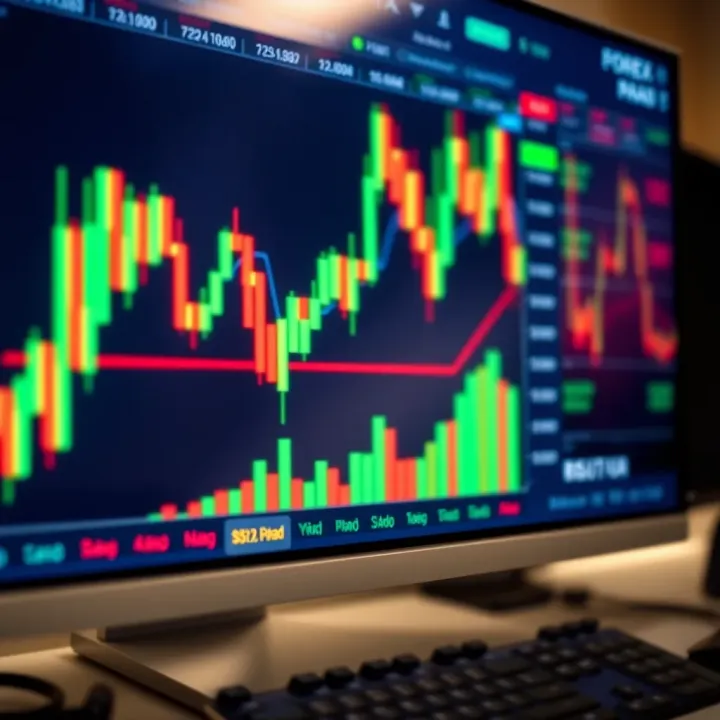
Explore forex trading in Johannesburg 🇿🇦 with a detailed look at local brokers, regulations, and tips to help South African traders succeed in the market 📈

📈 Learn how to choose and use forex trading systems effectively in South Africa. Explore types, features, and risk management for smarter trades.
Based on 11 reviews