
Free Forex Trading Demo Account Guide for South African Traders
💹 Discover how to download and set up a free Forex demo account. Learn tips to trade without risk, perfect for beginners and pros in South Africa! 🇿🇦
Edited By
Daniel Foster
Binary trading has gained quite a bit of traction in recent years, especially among traders looking for straightforward but potentially rewarding opportunities. But diving headfirst into real money trading without practice can be like jumping into the deep end without knowing how to swim. That's where free binary trading demo accounts come to the rescue.
In this article, we'll explore what these demo accounts are, why they're a must-have for both newbies and seasoned traders, and how you can use them effectively to sharpen your trading skills without risking your hard-earned cash. From understanding the nuts and bolts of demo platforms to knowing when you might be ready to take on the live market, we'll cover everything you need to confidently step up your binary trading game.
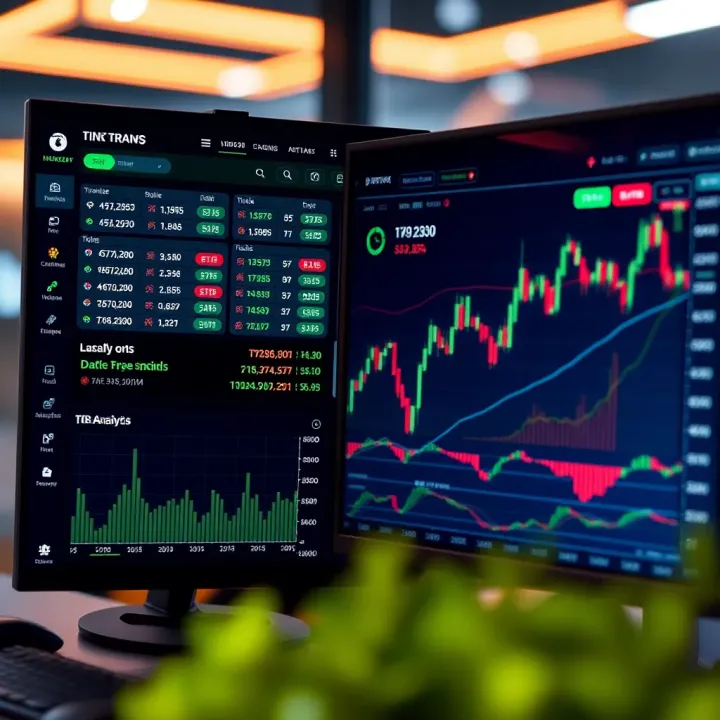
Whether you're in Johannesburg, Cape Town, or Durban, this guide is tailored to help you navigate the basics and beyond, offering practical tips and clear examples along the way. You'll get the lowdown on how these accounts work, where to find them, their benefits and limitations, plus a few insider tricks to avoid common pitfalls.
Starting out with a demo account is like taking your new car for a spin in an empty parking lot before hitting the highway — it gives you space to learn the ropes without the fear of crashing.
Let's break down what to expect in the sections ahead:
What exactly is a binary trading demo account?
Why are demo accounts a powerful tool for learning and testing strategies?
How to access and choose the right demo trading platform?
Tips to maximize your demo trading experience.
Signs that you’re ready to move from demo to live trading.
By the end, you'll know how to make demo accounts work for you and make smarter moves in your trading career.
A free binary trading demo account acts like a sandbox where you can dip your toes into the waters of binary options trading without risking your own cash. It mimics real trading platforms, giving users a hands-on experience of the market dynamics, tools, and interfaces but with virtual money instead of real funds.
For many folks, especially beginners, this demo environment is a game changer. It lets you make mistakes, learn from them, and fine-tune your approach before stepping into the high-stakes live market. For example, a lot of brokers like IQ Option and Olymp Trade offer demo accounts that simulate actual market conditions closely, so when the time comes to trade live, you aren’t fumbling with unfamiliar tools or trading scenarios.
In practice, the demo account highlights practical features that every trader needs to grasp: the mechanics of placing trades, understanding expiry times, and how profits and losses are calculated. Skipping this step can be like trying to drive without ever hitting a driving range. This section will unpack what these demo accounts really deliver and why they’re an indispensable part of learning to trade binary options.
A simulated trading environment is basically a cloned market setup where all the bells and whistles of live trading are recreated but without real stakes. This means you get to try out trades using fake money while experiencing how market prices move in real time. Brokers often use data feeds from actual exchanges to keep prices accurate, so your practice feels genuine.
The practical value here is huge: you can see how assets like currency pairs, commodities, or indices fluctuate throughout the day, test how timing expiry aligns with market movement, and understand how your trades would have fared. If you’re eyeing the EUR/USD pair, for example, the demo platform lets you see what happens when geopolitical news hits the markets.
Starting off in trading can be intimidating, with tons of choices and the real fear of losing money. Demo accounts present a risk-free zone where beginners can get comfortable with the vocabulary, procedures, and decision-making flow without the stress that comes with real losses.
Imagine a new trader who's never opened a trade before; by using a demo account, they breathe easier knowing every mistake costs nothing. This cushion encourages experimentation, which is crucial for understanding complex concepts such as option types, payouts, and market timing. Many newcomers use this phase to work on their reactions and trading routines, making the real deal feel less like a gamble.
One of the biggest draws of demo accounts is the chance to put your strategies to the test without risking a cent. Whether it’s a momentum-based system, news trading tactics, or even automated scripts, the demo serves as a proving ground to see if your methods hold water under shifting market conditions.
For example, a trader might test a strategy that involves short-term trades on crude oil futures, assessing how timing and market volatility impact the outcome. Demo results help you spot flaws or pinpoint what works best before you feel confident enough to try the strategy with live money.
The most obvious difference is that demo accounts use virtual funds. It means you can only lose “play money.” This safety net is a double-edged sword: it removes financial risk but can sometimes lead traders to take unrealistically high risks or behave less disciplined than they would with real cash on the line.
That said, knowing you aren’t burning actual banknotes can encourage trying daring moves and unique approaches without fear. It’s also a solid way to build muscle memory for those exact moves before hitting the real markets.
Despite best efforts to mimic live trading, demo accounts don’t always mirror real market conditions perfectly. For instance, execution speeds on demo platforms tend to be faster without real order book congestion, so you might not encounter slippage or delays that happen in live trades.
Also, demo prices can sometimes lag slightly or be smoothed out, especially during volatile sessions. This means the experience, while close, isn’t a complete replica. A trader might see different fills or price spikes once live trading actually begins. Keeping this in mind helps avoid over-relying on demo results when mapping out performance expectations.
This is where the rubber hits the road. Trading with real money triggers emotions like fear, greed, and anxiety, which can cloud judgment and lead to impulsive decisions. Demo accounts, free from these emotional pressures, provide clarity of thought but don't prepare you fully for the psychological challenges of live trading.
For example, a trader who boasts flawless demo trades might panic in live trades when losses come due to real money being at stake. Recognizing this emotional gap helps traders approach live accounts cautiously and gradually build up their mental stamina to handle market swings.
Remember: Demo accounts are training wheels, not a crystal ball. They prepare you technically, but mastering the emotional rollercoaster comes next.
Using a free binary trading demo account offers traders a risk-free space to get hands-on experience without any real financial stakes involved. This practice environment serves as a playground where both novices and seasoned traders can sharpen their skills, test strategies, and familiarize themselves with new trading platforms. For example, a newbie trader who signs up for a Pocket Option demo account can explore different asset classes and experiment with expiry times without worrying about losing money on decisions made in haste.
Aside from eliminating financial risk, these demos can save time and money by helping traders avoid costly mistakes in live markets. Instead of diving headfirst into trading with real funds, users get a fair shot at understanding order execution, platform navigation, and market behavior. This approach also means that when the time comes to trade live, the transition feels smoother and less intimidating.
Getting comfortable with a trading platform's interface is often underestimated but is critical for effective trading. Demo accounts allow you to explore every nook and cranny—from charts and indicators to placing trades—without pressure. It’s like learning to drive on a quiet street before hitting busy highways. Knowing where all the buttons and features are, such as the asset selector or time expiry options on the IQ Option platform, means you won’t be fumbling during live trades, which can lead to missed opportunities or costly errors.
Binary trading might seem straightforward—guess if the price will go up or down—but platforms often offer a basket of order types and risk management features that can dramatically change outcomes. Demo accounts provide a safe spot to try out different order types, like one-touch, range options, or ladder options. Understanding how each order works and when to apply them can greatly improve your chances during live trading sessions. For instance, practicing with timed expiry options gives a clear sense of how time impacts outcomes, a detail easy to overlook when new.
A demo account is an ideal way to backtest trading strategies—using historical data to see how a strategy would have performed. Many platforms have built-in historical charts that help simulate past market conditions. With forward testing, traders apply these strategies in real-time within the demo, verifying their efficacy under current conditions without risking capital. Consider a trader who uses trend-following indicators on the ExpertOption demo; they can tweak parameters and timing until results feel consistent.
Markets are notoriously choppy, and blindly following a strategy without flexibility rarely pays off. Practicing on a demo allows traders to spot emerging trends or volatility shifts and adjust their tactics accordingly. Trying out new approaches like switching between assets or modifying expiry times helps build a feel for market rhythm. Crucially, this adjustment happens without the stress of losing money, so traders can quietly learn what works and what doesn't.
Nothing undermines trading success like nerves. Real money on the line can make even the simplest decisions feel daunting. Demo trading reduces this anxiety by providing a sandbox where mistakes are simply points for learning, not financial hits. This mental shift is important because it nurtures disciplined decision-making and keeps impulsiveness in check. For example, a trader practicing on Binomo’s demo may become more patient and methodical, habits that are hard to develop when scared of losing cash instantly.
Timing is everything in binary trading. When to enter and exit trades can make or break your results. Demo accounts allow traders to practice timing their executions based on market behaviors. For instance, by practicing placing trades just minutes before expiry on the Olymp Trade demo, users learn to recognize when to act fast or hold back. This experience is invaluable and not easily gained without real exposure to the rapid pace of live markets.
In brief: A free demo account is more than just a trial; it's a crucial training tool that helps traders master the platform, refine their strategies, and build the mindset needed for live trading. Taking full advantage of this resource can mark the difference between frustration and success in the often unpredictable world of binary options trading.
Picking the right demo account to practice binary trading isn't just about grabbing something for free. It's about finding a tool that genuinely helps you sharpen your skills and test strategies in a setting that mimics real trading as close as possible. Because if your practice ground is flawed, your transition to real money trading could be shaky. A solid demo account can make the difference between fumbling around in the dark and stepping into live trades confident and prepared.
When it comes to demo accounts, the broker’s reputation matters more than you might think. A broker backed by proper licensing and regulation generally means you're dealing with someone who's held to certain standards of fairness and security. For example, brokers regulated by the Financial Sector Conduct Authority (FSCA) in South Africa have to adhere to rules intended to protect traders. This minimizes the risk of encountering shady practices that could skew demo results or worse, impact real trades.
User reviews offer another lens on reliability. Traders often share honest takes on things like platform stability, demo account realism, and customer support. Negative feedback about frequent disconnects or unrealistic demo conditions can be red flags. So, before diving in, spend some time on forums or review sites like Trustpilot to see what the crowd is saying.
The variety of assets and expiry times your demo account provides is crucial. A wider selection means you can explore diverse markets — from high-interest forex pairs to popular indices or commodities — better reflecting the opportunities you'll find in live trading. For instance, if a demo limits you to just a handful of assets or fixed expiry times, you'll miss out on learning how different market conditions affect various trades.
Realistic market simulation is equally important. The demo should not just play pretend; it must replicate price quotes, spreads, and execution speed that are close to what happens in the real market. Some brokers go a step further by integrating live market data, so your demo experience doesn’t feel like a time capsule. This realism lets you test strategies against actual market moves and prepares you for the unexpected twists that live trading throws your way.
Some demo accounts come with time limits — say, 7 or 14 days — which might not be enough to gain meaningful trading experience. Others offer unlimited access, letting you develop skills at your own pace. If you're planning a deep dive into binary trading, opt for brokers that don't throw a ticking clock on your practice.
Aside from time, watch out for the demo credit amount. Starting with an unrealistically high credit (like a million dollars) might encourage reckless trading habits that don’t translate to the real world, where capital is tight. A demo balance closer to what you'd actually trade with, like R5,000 or R10,000, tends to promote better risk management. Also, check if the broker replenishes your demo funds or offers options to reset them. It keeps the practice going without needing to open fresh accounts repeatedly.
Remember, a good demo account should serve as a bridge to real trading readiness, not a playground with disconnected rules.
Choosing wisely on these points can save you time and spare you from learning hard lessons after switching to real trades.
Getting started with a free binary trading demo might sound straightforward, but there are specific steps every trader should know to get the most out of it. This stage bridges the gap between theory and practice, helping beginners build familiarity while letting seasoned traders test fresh tactics without risking real cash. It’s all about creating a solid foundation before diving into live markets, where stakes can be much higher.
Signing up is usually the first hurdle—and it should be hassle-free. Most reputable brokers like IQ Option or Nadex simplify the registration, asking for basic info such as your name, email, and sometimes your phone number. The key here is to provide accurate details since you might need to verify your account later if you switch to live trading. Remember, this process lets you open your demo account quickly so you can jump right into practice without delays.
Many platforms also require you to confirm your email address by clicking a link, preventing spam accounts and ensuring security. Don't overlook this step—it’s often easy to miss and causes confusion for some traders.

Depending on the broker, you might have two options to access your demo: downloading dedicated software or trading directly via a web platform. Using web-based platforms is often more convenient for those who prefer quick access without installing anything. Popular platforms like Binomo or Olymp Trade excel in browser-based trading, letting you practice anywhere with a stable internet connection.
Alternatively, some traders prefer downloadable software, which might offer more advanced features or smoother performance. For example, binary options platforms like Binary.com provide both options, catering to different user needs. A quick tip here: check whether the demo platform works well on your device before investing significant time. Nothing kills motivation faster than technical hiccups!
One of the perks of demo trading is experimenting with various assets and expiry times without any financial risk. The interface generally shows a list or grid of assets such as stocks (Apple, Sasol), indices (FTSE 100), commodities (gold, oil), and currencies (USD/ZAR). It’s best to explore these options early to see what suits your style.
Expiry times can range from 30 seconds up to hours or days, depending on the broker. Shorter expiry times are good for learning quick decision-making and testing signals fast, while longer ones are perfect for strategies that need more market movement. For instance, if you’re curious how the rand-dollar pair reacts overnight, set a longer expiry to observe.
Once you pick your asset and expiry, you’re ready to place a practice trade. Usually, you'll decide whether the price will go up or down, then enter the amount to invest using your demo credits. This step is crucial because it mirrors the live trade process and helps cement your understanding of timing and execution.
A practical tip: even though this is just practice money, treat it seriously to build discipline. Set limits for yourself within the demo, like allocating only a portion of your demo funds per trade, to mimic the real trading environment better.
Demo platforms typically offer charts with basic technical indicators such as moving averages, RSI, or Bollinger Bands. Using these tools helps traders gain experience reading price action and identifying potential entry or exit points.
Practice applying these indicators during your demo trades to see what signals actually work for your style. For example, if you notice the RSI hitting an extreme point often precedes a price reversal on oil futures, that insight could be valuable when you move to live trades.
Most demo accounts keep a log of your trades, recording details like entry price, trade outcome, and time frames. This history is a goldmine for spotting patterns, whether good or bad.
Take time to review both your wins and losses regularly. Ask yourself: Did I jump into trades too quickly? Were my expiry choices off? Over time, this straightforward habit shapes better judgment and strategy refinement.
Treat your demo account like a dress rehearsal. Pay attention to details, learn from mistakes, and build habits that will translate well to real-money trades.
By following these steps, traders set themselves up for a smoother transition to live binary trading with less guesswork and more confidence.
Understanding the limits and common misunderstandings about demo trading is key for anyone serious about binary options. Demo accounts provide a fantastic sandbox to learn, but they aren't perfect mirrors of the live market. Taking their shortcomings into account helps traders avoid overconfidence and prepares them better for the real trading environment.
One of the biggest perks of demo trading is the lack of real risk, but this can be a double-edged sword.
Demo accounts let traders try strategies without the heart-pounding fear of losing actual money. This relaxed setup encourages experimentation which is great for learning. However, novice traders might not fully appreciate the pressure and emotional swings they'll face live. For example, it's not uncommon to see a trader stick to a plan perfectly in demo mode but panic and close trades early under stress when money's on the line.
Without real stakes, the discipline demanded by live trading can be missing. A trader might place reckless trades or ignore risk management rules in a demo. The lack of real emotion means decision-making in demo mode can be too relaxed and less strategic. To counter this, treat the demo account seriously — use realistic trade sizes, stick to your usual risk limits, and simulate live conditions as closely as possible.
Demo accounts are often presented as exact replicas of live trading, but differences sneak in that can affect your expectations and results.
When trading live, order execution isn’t always instantaneous and perfectly priced. The market moves fast, and delays can cause slippage — where you get filled at a worse price than expected. Demo platforms usually have perfect or near-perfect execution, so they don’t reflect potential lags. Understanding this helps set realistic expectations about fill prices and trade outcomes.
Since demos use simulated or slightly delayed market data, some sudden market shocks or liquidity shortages may not appear. This might cause a demo to feel smoother or less volatile than reality. For instance, during major news releases, price spikes and gaps happen frequently in live markets but may not be properly reflected in a demo. This can be misleading if you only practice in calm, predictably moving environments.
Knowing the limits of demo trading is part of becoming a skilled trader. Recognize what demos can’t teach you — especially about emotional control and real market dynamics — before stepping into live trading.
Keeping these points in mind will make your transition from demo to live more prepared and grounded in reality, allowing for better risk management and decision-making. Take demo trading seriously but never assume it’s a perfect replica of live markets.
Getting the most out of your binary trading demo account is key if you want to build solid skills before risking real cash. These tips aren't just about making practice trades; they focus on treating the demo seriously to mimic live trading conditions as much as possible. This approach helps smooth the transition when you move into actual markets, where the pressure and stakes are much higher.
Setting clear, realistic goals during demo trading is crucial. For example, if you aim to improve your strike rate, decide on a target like achieving a 60% win ratio within 50 trades. This keeps your practice focused rather than aimless clicking. Treat your demo account as if it were real money on the line to get used to pressure and decision-making.
Even though it's virtual money, using trade sizes that reflect what you'd realistically risk in a live environment makes practice more valuable. If your live trading capital allows risking 1-2% per trade, mirror this during demos. This helps build a disciplined approach to money management, avoiding tendencies to overtrade or take reckless bets just because it’s "play money." For instance, if your demo balance is 10,000 ZAR, risking 100-200 ZAR per trade is a reasonable practice.
Demos offer a safe space to test different methods. You might experiment with technical chart patterns like head and shoulders or try reading economic indicators and news to anticipate moves in assets like gold or currencies. For example, test how a Moving Average Convergence Divergence (MACD) indicator helps guide your trade timing without worrying about losing real funds.
Don't stick to one market or expiry timeframe. Try binary options on assets like crude oil, forex pairs, or indexes with short-term expiries (like 5 or 15 minutes), as well as longer durations (1 hour or more). This exposes you to diverse market rhythms and volatility levels, sharpening your adaptability. For example, you might find that short-term trades suit your style better than longer ones.
Take time to review both your successful and failed trades. What setup worked? Which mistakes kept cropping up? Tracking your trades in a spreadsheet or journal helps spot patterns. Maybe you notice you lose more often during volatile market hours or after certain news releases. Understanding these factors is vital to improving.
Based on your reviews, tweak your strategy. If your demo portfolio shows losses in certain assets or expiry types, dial back or try different approaches for those. For instance, if binary options on tech stocks perform poorly for you during earnings seasons, it might be wiser to avoid these periods or instruments in live trading.
Approaching your demo account with the mindset and habits you would apply to real money trading makes all the difference. Consistent practice, self-analysis, and adjustments build confidence and skill, preparing you better for the live market’s pressures.
Incorporating these tips ensures your binary trading demo experience is more than just a free trial—it becomes a robust training ground that sets the foundation for smarter, more disciplined live trading.
Moving from a demo account to live trading is a significant step for any trader. It marks the shift from a risk-free environment to one where real money is on the line. This transition demands careful preparation and realistic expectations. Many traders stall in the demo phase, either due to fear or misunderstanding of when they're truly ready to go live. Knowing the right moment and method ensures traders protect their capital while making the move confidently.
One key sign it's time to move on from the demo is consistent profitability. This doesn't mean winning every trade, but rather having a stable strategy that shows net gains over a significant sample size. For example, if you've traded 100 demo sessions with a return on investment that steadily beats losses, that’s a green light. It’s important to track your performance over time rather than focusing on quick, lucky wins. This consistency suggests you understand the mechanics well enough to start risking real funds, though volatility and unpredictability still exist in live markets.
Even if your demo results look good, live trading introduces emotional challenges that can kill a strategy if you're unprepared. Real money stirs fear, greed, and impatience—feelings absent in the demo environment. Understanding these psychological factors is crucial. For example, you might find yourself hesitating to close a losing trade or chasing losses impulsively once you're trading live. The best preparation here is mental: simulate pressure by imposing rules on yourself during demo trading or allocate small amounts initially to get used to the emotional swings. Recognize your triggers and plan how you’ll handle them to avoid costly mistakes.
Before live trading, you'll need to complete identity verification with your chosen brokerage. This typically involves submitting documents like a passport or ID and proof of address. It's a straightforward process aimed at complying with regulations, like KYC (Know Your Customer), ensuring safety for everyone involved. Once verified, you can fund the account through methods supported by the broker—bank transfers, credit cards, or e-wallets like Skrill. Each option has different processing times and fees, so it’s wise to check these details upfront.
Jumping in with large bets is a rookie mistake. When shifting to live trades, start small to get a feel for the real market atmosphere. For instance, if your demo trades used a notional amount of R1,000 per trade, you might want to reduce this to R100 or less in your live account. This way, the emotional pressure ramps up gradually, giving you space to adjust your tactics and mindset. It also limits losses while you adapt. Over time, as you gain confidence and manage risk better, you can increase your trade sizes responsibly.
Transitioning smoothly requires more than just knowing the mechanics; it’s about readiness both in strategy and mentality, plus taking measured steps when you move to live trading. This approach helps traders avoid common pitfalls and builds a solid foundation for long-term success.
When stepping into binary trading, choosing the right platform can feel like finding a needle in a haystack. Having access to a free binary trading demo account on a reputable platform lets traders and investors experiment without dipping into real funds. This hands-on exposure is vital across all experience levels — from greenhorns testing the waters to seasoned pros tweaking strategies.
Now, let's break down what makes certain platforms stand out, focusing on key elements like user experience, asset range, support systems, and educational tools. These aspects help traders navigate the often choppy waters of binary options trading with more confidence and clarity.
A platform’s user interface (UI) can make or break your trading experience. Intuitive, clutter-free design helps traders focus on what matters — spotting opportunities and executing trades swiftly. For example, IQ Option is known for its sleek dashboard that even beginners find straightforward, whereas platforms with complex layouts might overwhelm new users.
Key features to look for include:
Clear navigation menus
Easily accessible charts and indicators
Fast trade execution buttons
When a platform feels natural to use, time isn’t wasted hunting for features, which matters especially during quick binary option expiry periods.
Variety keeps trading interesting and spreads risk. Good demo platforms offer a wide array of assets — think popular stocks like Sasol or Naspers, major forex pairs like USD/ZAR, as well as commodities and indices. Olymp Trade and Binomo are decent examples offering diverse options.
Expiry times are equally important. They range from 60 seconds to hours, suiting both scalpers and those who prefer longer waits. Being able to explore different expiry horizons during demo trading helps you find the sweet spot matching your trading style.
Even the best platforms hit snags from time to time. Quality customer support can save you headaches. Look for platforms offering:
24/7 live chat support
Responsive email or phone assistance
Multilingual staff when possible
For instance, ExpertOption is praised for quick live chat responses, which make sorting out problems hassle-free — something essential when learning on a demo account.
The cherry on top? Platforms that offer educational materials alongside demo accounts. These might include tutorials, webinars, strategy guides, and market analysis updates.
Binomo, for example, equips users with video tutorials and trading tips, making it easier to build skills effectively. Pairing demo practice with education can accelerate learning and help avoid common beginner pitfalls.
Don’t overlook a platform’s educational offerings. They can turn you from a casual tester into a well-informed trader faster.
In short, choosing a demo trading platform isn’t just about free money to play with. It’s about the whole package—usability, asset options, support, and learning resources. These factors combined pave the way for a smoother transition to live trading when the time’s right.
Safety is often overlooked by newer traders when they jump into demo or live binary trading, but it’s just as crucial as learning how to place a trade. Whether you're starting out with a demo account or gearing up for live trading, understanding the safety measures around your broker and your personal data can save you from headaches and monetary losses down the line.
At its core, safety in trading means protecting your investments, your identity, and ensuring you’re dealing with trustworthy platforms. For example, a scammy broker might offer an easy way to open a demo but make it almost impossible to withdraw real funds once you switch to live trading. Having these safety considerations front and centre helps you avoid such pitfalls.
One of the biggest green flags for any broker is proper regulation. When a broker complies with recognized financial authorities like the Financial Sector Conduct Authority (FSCA) in South Africa, it means they operate under strict rules designed to protect traders. This includes everything from fair trade executions to clear handling of customer funds.
Why does this matter? Without regulation, there’s little pressure on a broker to behave honestly or keep your money safe. For example, a regulated broker is typically required to keep clients’ funds segregated from their operational accounts, reducing risk if the company goes bust.
When looking at brokers, always check their regulatory licenses. Reputable platforms like IQ Option or Olymp Trade, though not FSCA-regulated, are often licensed by other authorities such as CySEC or the FCA—both of which offer safeguards. This compliance should be a non-negotiable part of your checklist.
Apart from regulation, brokers also use technical measures to protect your funds. This includes segregated accounts, as mentioned, but also things like insurance policies or compensation schemes in case of broker insolvency.
For example, some brokers participate in investor compensation funds that may reimburse traders if the broker fails financially. Also, real-time monitoring of transactions helps detect suspicious activity quickly.
If a broker doesn’t mention any protection for client funds, that’s a clear warning sign. It’s like handing your wallet to a stranger without a receipt.
When trading, you must provide sensitive information—from identity documents to bank details. Top brokers use encryption protocols (think SSL or TLS) to scramble data so hackers can’t intercept and misuse your info.
Imagine sending a letter that only the intended recipient can open; encryption works the same but for digital information. If you spot a broker’s website starting with "https://" and a padlock icon in the browser bar, that’s usually a sign your connection is secured.
Neglecting encryption can lead to data breaches, identity theft, or unauthorized trades. So always prioritize brokers who openly state their commitment to data security.
Scams abound in trading, with phishing emails attempting to trick you into giving up passwords or depositing funds with fake brokers. These emails often look super convincing but contain subtle mistakes—like strange email addresses or misspelled broker names.
A practical way to avoid this trap is to verify any emails or messages by contacting the broker through official channels. Never click on suspicious links or download unexpected attachments.
Also, be careful with unsolicited phone calls promising guaranteed profits or special offers. Legitimate brokers rarely cold-call with such claims.
Safety in trading isn’t just about protecting your money; it’s about maintaining trust and confidence in the system as a whole. Taking time to pick regulated brokers and safeguarding your personal information creates a solid foundation for successful trading.
In summary, always check your broker’s regulatory status, look for clear security measures on their sites, and stay alert against scams. A cautious approach keeps you trading smarter, not just harder.
Demo trading isn't just a one-off tool to get your feet wet; it's a continuous part of learning and growing in the trading world. Think of it as your personal practice arena where you try out ideas and sharpen skills without the risk of losing money. It works best when combined with other learning methods, like studying market trends or talking to seasoned traders. This approach gives you a fuller picture, making you more prepared when you switch to live trading.
Keeping up with market analysis and daily financial news is like having your finger on the market's pulse. It helps you understand why prices move and what external factors might shake markets. When you trade on a demo account, incorporate insights from reliable sources like Bloomberg or Reuters to shape your strategy. For instance, if there's news about a sudden interest rate change, try simulating trades on those assets affected. This way, you learn to connect real-world events with market reactions without losing a cent.
Connecting with seasoned traders offers perspective you can't get from books or charts alone. These pros can share stories about their wins and mistakes, revealing the emotional and strategic sides of trading. If you can, reach out to someone with a strong track record for a chat—many traders are willing to share tips and lessons. Their firsthand insights can highlight often-overlooked things like how to stay disciplined or manage stress, complementing what you practice on your demo.
Markets aren’t static, so sticking to one strategy forever isn’t smart. Use your demo account as a lab to try fresh tactics or tweak existing ones before taking them live. For example, you might want to test a new approach like combining candlestick patterns with volatility indicators. Doing this on a demo helps you spot weak points and iron out kinks without risking your real money.
Markets can switch gears fast—what worked last year might not cut it now. Demo trading lets you experiment with adapting your strategies as those shifts happen. Say there's a sudden spike in commodity prices or a currency crisis; you can use your demo account to see how your tactics hold up under those new conditions. This ongoing adjustment is key to staying relevant and profitable in real trading.
Demo trading is much more than practice; it’s a vital part of a trader’s continuous learning, helping build skills alongside studying and real-world insights.
In short, integrating demo trading with market research and mentorship creates a solid foundation. This balanced approach equips traders with the practical and theoretical tools needed to make smarter decisions when real stakes are involved.
When diving into the world of binary trading, questions often flood in, especially about the demo accounts that serve as a safe practice ground. This section tackles the most common queries, helping you understand crucial details that can shape your trading experience and decisions. Whether you’re wondering about the lifespan of demo accounts or the real-money potential of your practice balance, these answers clear up the fog.
Most free binary trading demo accounts come with an expiration period, but it varies significantly depending on the broker. Some platforms, like IQ Option, offer demo accounts that last indefinitely until you choose to transition to live trading, while others might limit access to a few weeks or months. This time restriction is often in place to encourage moving toward live trading rather than relying on endless practice. It’s important to check the specific terms of your chosen platform to avoid surprises that could disrupt your learning curve.
For example, if you’ve been honing your skills on a demo account from Olymp Trade, remember it may become inactive after 30 days of no use. So, logging in regularly can keep your account ready for practice.
Here’s a simple but important truth: demo balances are purely virtual and cannot be turned into real cash. These funds are designed to simulate trading without any actual financial risk, so any profits you make on your practice trades remain on paper only. It’s like playing a game with fake money — the wins help build your skills, but not your bank account.
This setup protects new traders from losing real money while they learn the ropes. Platforms like Binomo and ExpertOption clearly state this in their user agreements, which means insisting on converting demo funds is a dead end.
While demo trading offers a valuable risk-free environment to practice strategies and learn platform mechanics, it doesn’t guarantee you’ll be a winner when you switch to live trading. The emotional aspect of real money on the line introduces pressures that are difficult to replicate in a simulated setting.
For instance, traders often find that decision-making under a demo setup is very different from when actual funds are at stake. The anxiety, impatience, and even excitement in live trading can lead to mistakes that didn’t happen with virtual cash.
So, think of demo trading as a crucial foundation, not a silver bullet. Consistent practice and discipline combined with realistic expectations will serve you much better than expecting demo success to translate automatically into profits. Remember, even experienced traders continue to learn and adapt beyond demo accounts.
Practicing on a demo account is like rehearsing before the big show — it prepares you but doesn’t guarantee a flawless performance.
By addressing these FAQs, traders can better navigate the demo account landscape with eyes wide open, avoiding common pitfalls and setting themselves on a more informed path toward real trading.
💹 Discover how to download and set up a free Forex demo account. Learn tips to trade without risk, perfect for beginners and pros in South Africa! 🇿🇦
📈 Learn how free live binary signals work in trading, find reliable sources, manage risks, and boost your binary options success in South Africa.
Explore free forex trading software with us! 📈 Discover key features, benefits, and what to watch out for to pick the right tools for your trading needs.

📈 Learn how free forex trading signals can boost your trades in South Africa. Get tips on spotting reliable providers, managing risks, and using signals smartly.
Based on 11 reviews