
Free Forex Trading Demo Account Guide for South African Traders
💹 Discover how to download and set up a free Forex demo account. Learn tips to trade without risk, perfect for beginners and pros in South Africa! 🇿🇦
Edited By
Oliver Benson
Opening a live forex trading account is a significant step beyond practising with demo versions. While demo accounts help you familiarise yourself with markets and trading platforms without risking actual capital, switching to live trading means putting real money on the line – complete with emotional stakes and market unpredictability.
Before diving in, make sure you're clear on your trading goals and risk appetite. Forex markets move fast, and even small missteps can lead to losses that sting your wallet and confidence. It's not enough to understand technical analysis or chart patterns; managing your live account wisely involves a disciplined approach to risk control and capital allocation.
For South African traders, the choice of broker is crucial. You want a platform that is locally reputable, offers favourable spreads, provides access to major pairs like USD/ZAR, EUR/USD, and has easy deposit and withdrawal options. Brokers registered with the Financial Sector Conduct Authority (FSCA) comply with local rules, adding a layer of protection.
Starting with a modest amount — say between R5,000 and R10,000 — allows you room to learn and adjust your strategy without overexposing yourself.
Here’s what you need to keep in mind before opening your account:
Verify Broker Credentials: Check FSCA registration and user reviews.
Understand Costs: Consider spreads, swaps, commissions, and conversion fees especially for Rand-based funding.
Test Customer Support: Reliable support can save you when delays or technical issues arise.
Review Trading Platform Features: Look for ease of use, charting tools, and mobile compatibility.
Finally, live trading demands consistent evaluation. Keep track of your trading performance with regular journals or spreadsheets to identify strengths and weak spots in your approach. Managing a live forex account is not just about placing trades but controlling your emotions, sticking to your strategy, and knowing when to step back.
This guide will walk you through practical steps and considerations specific to South African traders ready to go live in forex markets with confidence and control.
Grasping the workings of a live forex trading account is key for anyone ready to move beyond practice into real money trading. Unlike demo accounts, which simulate trading without financial risk, live accounts operate under actual market conditions with your own capital at stake. This shift carries practical importance, as the stakes directly influence trading decisions and outcomes.
A live account involves depositing your own money to trade currencies in a live market. For example, if you place a buy order for EUR/USD, the trade reflects the current exchange rate with real financial consequences. Unlike demo trading, price movements and market liquidity respond genuinely to global events, such as rand volatility influenced by local political developments. This exposes traders to true risks and rewards.
Trading with real funds triggers emotions absent in demo accounts. Fear of losing and excitement over gains can lead to hesitation, impulsive choices, or overtrading. For instance, a trader who experiments confidently with demo trades may find themselves cautious or anxious when their own R500 is on the line. Understanding and managing these feelings helps prevent costly mistakes.
Order execution in live accounts happens instantly, reflecting real-time market depth and spread changes. Some trading platforms offer various order types like limit, stop-loss, and trailing stops, which protect profits or limit losses. Unlike demo accounts where execution might be idealised, live accounts may experience slippage or requotes due to market volatility. This means knowing how and when to use these tools is vital for effective trading.
Standard accounts are the typical offering, requiring a moderate initial deposit, usually around R5,000 or more. These accounts trade in lots of 100,000 units of the base currency, suitable for traders comfortable with higher capital and seeking regular spreads and leverage. For example, a South African trader might use a standard account with Vodacom Trader to handle sizable trades efficiently.
Aimed at beginners or those with limited capital, mini and micro accounts allow trading smaller lot sizes—10,000 or 1,000 units respectively. This reduces the exposure per trade, making it easier to learn risk management without risking large sums. Say a new trader starts with a micro account deposit of R1,000, they can enter the market gently while still benefiting from live conditions.
Electronic Communication Network (ECN) and Straight Through Processing (STP) accounts connect traders directly to liquidity providers, offering tighter spreads and faster execution. These accounts suit experienced traders who want to avoid dealing desk manipulation and prefer variable pricing. For South African traders seeking lower costs and transparency, ECN/STP brokers like FXTM or Pepperstone are popular choices.
Choosing the right live account type affects your trading style, costs, and risk. Understanding these differences upfront can save you frustration and optimise your trading success.
Getting ready to open a forex live account involves more than just picking a broker and signing up. It's about setting yourself up for practical success and avoiding common pitfalls. Proper preparation means you understand what the local regulatory environment demands, how you can move your money safely, and what costs you’ll incur — all crucial for South African traders who need to navigate their specific financial landscape.
South African traders should prioritise brokers authorised or at least registered with the Financial Sector Conduct Authority (FSCA). This regulatory oversight ensures the broker adheres to local financial laws and ethical standards, providing greater protection for your funds. Trading with an unregulated offshore broker increases your risk of fraud or poor service, which can easily wipe out your investment.
When it comes to deposits and withdrawals, look for brokers offering methods tailored for South African clients. Payment options like EFT (electronic funds transfer), instant EFT, or popular wallets like PayPal or Skrill matter because they affect how quickly and cheaply you can fund or access your cash. For instance, a broker that only accepts wire transfers can delay your withdrawals by days and add unnecessary charges.
Fees and spreads also warrant close attention. Some brokers advertise zero commissions but widen their spreads, which can drain your trading capital over time. Others might charge fixed fees that look small at first but add up with frequent trading. Comparing brokers on these costs — including any withdrawal fees — helps you avoid surprises and protect your bottom line.
Identity verification is not just a formality; it’s a legal requirement under the Financial Intelligence Centre Act (FICA) designed to combat money laundering and fraud. To open your live account, brokers will ask for certified copies of your ID book or passport. It's worth having these ready because delays in verification mean delays in trading.
Proof of residence is the next standard step. A recent utility bill or bank statement showing your residential address within South Africa satisfies this requirement. This step confirms where you reside, helping brokers comply with anti-fraud and anti-terrorism laws, ensuring they know exactly who they are dealing with.
South African-specific regulations like the Regulation of Interception of Communications and Provision of Communication-Related Information Act (RICA) and the Protection of Personal Information Act (POPIA) also come into play. Brokers must comply by securing your data and communicating transparently about how they use it. This keeps your personal details private and limits spam or data misuse, giving you peace of mind as you trade.
Taking the time to prepare thoroughly — from selecting a properly regulated broker to gathering the right documents — means you avoid common delays, reduce risk, and smooth out the path to live trading success in South Africa.
Setting up your live forex trading account is where the rubber meets the road. It's not just about ticking boxes; it’s about ensuring everything is in place for smooth, efficient trading that fits your goals and suits the South African context. Picking the right account type, funding it with practical local options, and getting your platform ready mean you can jump into the market with confidence and focus on actual trading rather than technical hiccups.
Account registration involves completing the broker’s online forms with your personal details, such as full name, contact information, and sometimes tax number. You’ll need to supply documents for verification in line with South Africa’s Financial Intelligence Centre Act (FICA), like a green bar-coded ID and proof of residence—for example, a recent utility bill. Brokers need this to make sure they comply with regulations and protect against fraud. Expect this process to take a few days, so have your documents ready to avoid delays.
Choosing account type and currency is a practical step that links directly to your trading needs. Most brokers offer several accounts, for instance, standard accounts with larger minimum deposits and micro accounts for smaller investors. Besides, selecting your account currency matters: for South African traders, opening an account in ZAR can save you from unnecessary forex conversion fees and simplify managing your funds. However, keep in mind that if you plan to trade major currency pairs a lot, sometimes a USD account might be preferable due to tighter spreads.
Funding your account using South African payment methods should be straightforward. South African traders commonly use bank transfers, credit/debit cards, and e-wallets like Skrill or Neteller. Some brokers accept instant EFT through PayFast, speeding up deposit times. This means you can fund your trading wallet promptly even between loadshedding interruptions. Always double-check the broker’s accepted payment methods and their deposit fees. For example, FNB’s Instant EFT allows quick deposits but beware some brokers charge an extra fee for card payments.
Installing MetaTrader and alternatives is your next step. MetaTrader 4 (MT4) and MetaTrader 5 (MT5) dominate the South African trading scene due to their user-friendly interface, extensive charting, and automated trading capabilities. That said, some prefer newer platforms like cTrader or proprietary software offered by brokers, which might suit experienced traders requiring advanced order types or quicker execution. Ensure your platform installation matches your device—Windows, Mac, or mobile—and keep it updated to avoid glitches.
Configuring charting tools lets you tailor your setup for smart decision-making. You can customise timeframes, add technical indicators like Moving Averages or Fibonacci retracements, and set alerts for price movements. For example, a trader might set up a 1-hour chart with RSI and Bollinger Bands to spot overbought conditions. This setup helps you spot opportunities faster and stay on top of market action.
Instruments and order types involve knowing what you can trade and how to place orders. Forex brokers offer pairs like USD/ZAR, EUR/USD, and GBP/ZAR, plus commodities or indices in some cases. Understanding order types — such as market orders (instant execution), limit orders (execute at a set price), and stop-loss orders (automatically close to limit losses) — is critical. For instance, using a stop-loss order on the USD/ZAR pair during a volatile news day can protect your capital from sharp price swings.
Setting up your account and platform properly lays a solid foundation. It’s not just the starting point; it shapes your whole trading experience and results.
Having a well-registered, fully funded account with a platform tailored to your trading style helps you navigate the forex market effectively, especially within the unique dynamics South African traders face.
When trading live forex, managing risk and having a solid strategy isn't just advisable — it's essential. Real money is on the line, and even small missteps can lead to losses that hit your wallet hard. By applying risk management principles and sticking to well-thought-out trading plans, you keep control of your trades and your emotions.
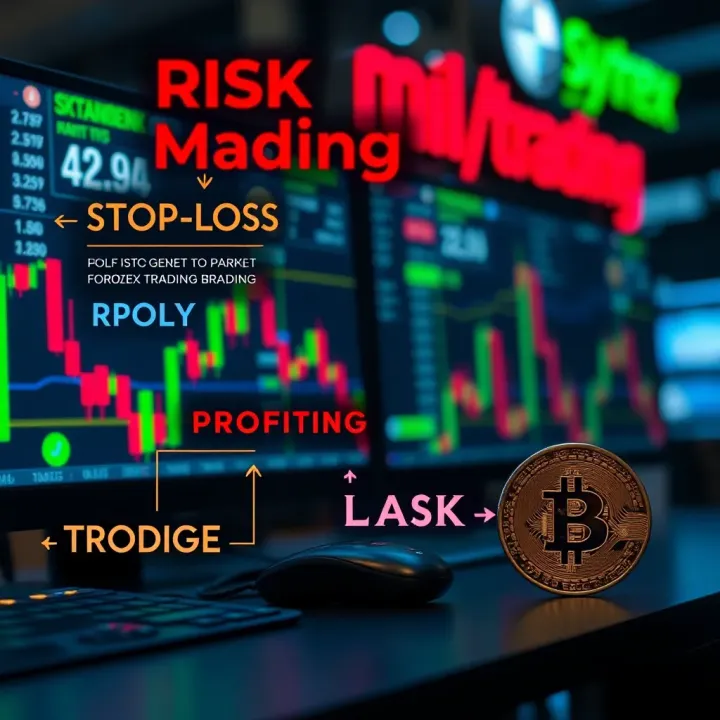
Setting stop-loss and take-profit levels helps you cap your losses and secure gains without constantly watching the market. A stop-loss order automatically exits your trade once the price hits a limit you set, preventing small losses from snowballing. Conversely, a take-profit order locks in profits at a target price. For instance, if you buy USD/ZAR at R18.00 expecting it to rise, you might set a stop-loss at R17.85 and a take-profit at R18.20. This approach safeguards your capital while still allowing for gains.
Using position sizing wisely means deciding how much of your account balance to put into a single trade. It’s about balancing risk and reward without gambling your entire pot on one bet. A good rule is risking no more than 1-2% of your account on each trade. So, if your account has R10,000, your maximum loss per trade should be around R100 to R200. Wise position sizing keeps you in the game longer, even if a few trades don’t go your way.
The importance of emotional discipline can’t be overstated. Live trading naturally triggers emotions like fear and greed. Without discipline, these feelings might cause you to ignore your stop-loss, chase losses, or overtrade. One South African trader shared how he almost blew his account after doubling his position out of frustration. Staying calm and sticking to your plan, even when tempting to act otherwise, is vital for long-term success.
Choosing strategies suited for live trading means selecting approaches that work well under real market conditions, which include slippage, spreads, and volatility. Swing trading or trend-following strategies tend to fit well because they don’t demand constant screen time, unlike scalping which might struggle with spread costs and execution delays.
Testing strategies in a demo before live use lets you iron out the kinks without risking real cash. South African brokers often offer demo accounts with live-market data. This way, you can see how your strategy performs under current rand volatility before stepping into live trades.
Monitoring and adjusting plans regularly is about staying flexible as market conditions change. The forex market isn't static; events like SARB policy shifts or geopolitical developments influence price action. Review your trading results monthly, identify what’s working, and tweak rules accordingly. For example, if you notice your stop-loss is consistently being hit before a reversal, a slight adjustment might help.
Good forex trading combines smart planning, disciplined risk management, and adaptability to local market quirks. Treat your live account like a business: plan carefully, protect your capital, and learn from every trade.
Trading forex in South Africa brings unique factors that can shape how you manage your live trading account. Understanding these local elements helps you make smarter decisions, avoid pitfalls, and better navigate the market environment specific to Mzansi. Currency volatility, tax rules, and broker reliability are just a few of the things South African traders should watch closely.
The South African rand is notorious for its fluctuations. Political developments, economic data, and global commodity prices—especially for gold and platinum—keep the rand swinging. For example, when Eskom announces unexpected increases in loadshedding stages, the rand often weakens as investor confidence takes a hit. This volatility can either offer trading opportunities or raise risks depending on how well you time your trades.
Being aware of the rand’s volatility means planning your risk management carefully. Placing wider stop-loss orders might be necessary to avoid being stopped out by normal swings, but smaller positions could limit potential losses if the rand suddenly drops.
South Africa’s political landscape, such as changes in cabinet or announcements from the Reserve Bank of South Africa (SARB), can send shockwaves through forex markets. Take the recent SARB interest rate announcements; rate hikes tend to strengthen the rand as they attract foreign investment. Conversely, election uncertainties or policy shifts can cause jitters.
Other local factors include trade relations with major partners like China and the EU, and commodity price shifts since South Africa is a commodity-exporting economy. Keeping an eye on these events helps you anticipate market moves instead of reacting late.
The South African Revenue Service (SARS) treats forex profits as taxable income. If you trade forex as part of a business, your profits are subject to normal income tax rates. Many traders fall into this category if their trading is frequent and systematic.
If your forex trading is occasional or more of a hobby, SARS may view profits as capital gains, which could be taxed less favourably depending on circumstances. However, this distinction can be blurry, so it's wise to consult a tax adviser familiar with forex trading.
Accurate record-keeping is a must for SARS compliance. Keep detailed logs of all your trades, including dates, currency pairs, entry and exit prices, fees, and net profits or losses. Using trading journal software or spreadsheets aids organisation.
Besides helping with tax returns, good records support better trading decisions since you can track which strategies work best over time. Remember, SARS may request documentation, so having everything neatly arranged saves time and trouble.
South African traders need to be cautious amid a rise in forex scams. Legitimate brokers are usually licensed by the Financial Sector Conduct Authority (FSCA). They provide clear contact details, transparent fee structures, and user-friendly withdrawal processes.
If a broker promises guaranteed profits, pressures you for quick deposits, or lacks a physical office, these are red flags. Always check online reviews and seek community feedback before committing your money.
Cybersecurity risks go hand-in-hand with online trading. Use strong, unique passwords and enable two-factor authentication for your trading platforms. Avoid logging in on public Wi-Fi without a virtual private network (VPN).
Regularly update your device’s security software. Since brokers collect personal information during account opening (like ID documents), ensure their platforms follow data protection laws such as POPIA to keep your details safe.
Staying alert on these South African-specific issues helps you protect your capital and trade more confidently. Knowing the local quirks—from rand swings to tax obligations—gives you an advantage in the forex world.
💹 Discover how to download and set up a free Forex demo account. Learn tips to trade without risk, perfect for beginners and pros in South Africa! 🇿🇦
📈 Learn the fundamentals of forex trading with this in-depth guide covering market operations, key concepts, strategies, risk management, and essential tools.

Explore halal forex trading 🌙 and learn how Muslim traders can ethically engage in forex with swap-free accounts and Islamic finance principles. 📈
Explore top forex trading schools in Johannesburg 📈 Learn how to choose the right course, what to expect, and practical tips for starting your trading journey.
Based on 12 reviews