

Forex Trading Tips for South African Traders
📊 Explore key Forex trading tips 🇿🇦 tailored for South African traders. Learn market basics, risk control, and tactics for smarter decisions.
Edited By
Isabella Hughes
Online forex trading has become increasingly popular among South African traders looking to diversify their investment portfolios and generate additional income. But stepping into the forex market without proper guidance can feel like navigating a maze blindfolded. That’s where online forex trading courses come in—they offer structured learning tailored to the local context, helping you avoid common pitfalls and trade with greater confidence.
South African traders face unique challenges, including the impact of the Rand’s volatility, fluctuating interest rates set by the South African Reserve Bank (SARB), and considerations like the Practical Online Forex Trading techniques that account for local brokerage options such as IG, Plus500, and HotForex. A well-designed course will address these factors alongside foundational forex concepts.

Flexibility: Learn at your own pace, around work or other commitments.
Access to Local Insights: Courses often include examples and regulations specific to South Africa, such as compliance with the Financial Sector Conduct Authority (FSCA).
Risk Management: Training that emphasises how to manage exposure in a market affected by local economic factors like load shedding or political developments.
A practical trading course covers more than just theory. Look for programmes that include:
Market Basics: Understanding currency pairs, pip movements, leverage, and spreads.
Using Trading Platforms: Walkthroughs on software like MetaTrader 4/5 or broker-provided platforms.
Technical and Fundamental Analysis: Tools to evaluate trends, charts, and events affecting currency prices.
Risk Controls: Setting stop-loss orders and position sizes appropriate for your capital.
Live Trading Sessions: Real-time trading examples to connect theory to practice.
Effective learning combines theoretical knowledge with hands-on practice. Trading simulators or demo accounts included in courses are invaluable for sharpening skills without risking real money.
Ask yourself:
Does the course cater to South Africans and local trading conditions?
Are the instructors experienced traders with proven track records?
Is there ongoing support or community access after completion?
By starting with a course designed to build confidence and skill, you’re less likely to fall into costly mistakes and more likely to trade smarter and safer.
That said, education is just one aspect. Stay aware of platform fees, tax implications from SARS on trading profits, and keep up with economic news affecting the Rand and global currencies.
Getting a solid foundation through online forex trading courses is the best first step for South African traders serious about navigating this dynamic market effectively.
Online forex trading courses offer several advantages that make them highly relevant for South African traders keen to enter the currency market confidently. Unlike traditional classroom training, these courses fit neatly into busy schedules and provide up-to-date content that addresses fast-moving market conditions. Choosing an online course can be a sensible step to gain solid theoretical knowledge alongside practical skills, all while managing costs and time effectively.
One of the main draws of online forex courses is their flexibility. Traders in South Africa, whether based in Johannesburg, Cape Town, or smaller towns, can access training without the need to travel or rearrange their days. For instance, a junior analyst working standard office hours can log into a course late at night or early morning to study. This convenience means you can learn at your own pace, pausing and revisiting concepts as needed, which supports better retention and understanding.
Additionally, no matter where you live—whether your internet connection is stable or patchy—many platforms allow downloading materials offline for later study. The ability to balance work, family, and learning without the constraints of fixed timetables is a strong reason why online courses often outperform in-person options.
Traditional forex workshops or masterclasses often come with hefty price tags, including venue costs, printed materials, and sometimes pricey travel. Online courses trim these extras, making quality training accessible to more South African traders. For example, a course costing around R2,000 online might cover as much as a face-to-face workshop priced double that.
Moreover, you save on incidental expenses such as transport fares, food during the event, or accommodation if the course is held in a distant city. Some online providers also offer tiered pricing, letting beginners start small and upgrade as their skills grow. This pay-as-you-learn approach prevents overcommitting financially.
Forex markets shift rapidly, influenced by global news, economic policy, and unexpected events. One significant advantage of online courses is how quickly they can update content to reflect recent changes or new trading strategies. South African traders will benefit from this immediacy since local economic factors like SARB interest rate announcements or Eskom loadshedding have direct impacts on currency movements.
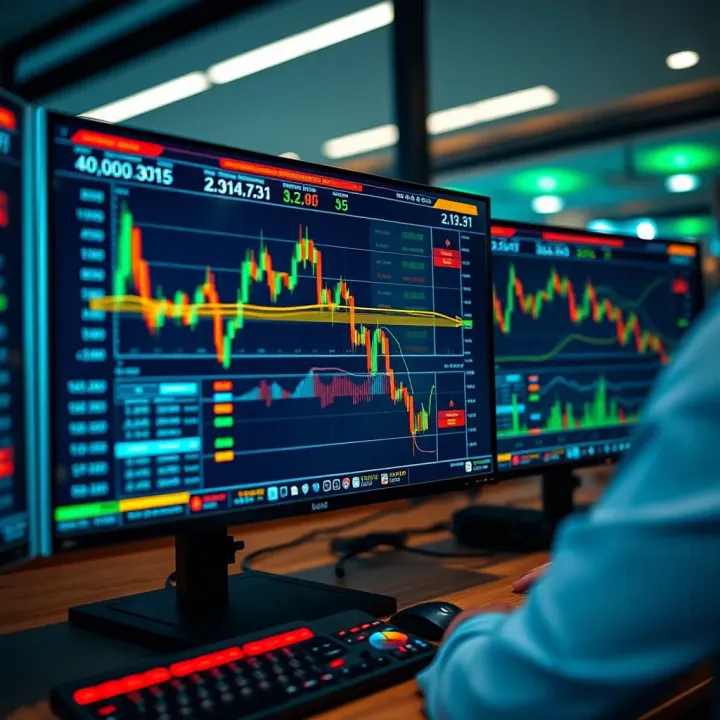
Experienced trainers often include live webinars and recorded sessions analysing current market trends. This provides practical examples beyond textbook theory, making the learning process much more relevant. Some platforms also integrate forums or chat groups, encouraging ongoing discussions and peer learning—an extra boost for those wanting to stay sharp and connected in the trading community.
Choosing an online forex trading course not only frees you from time and financial restrictions but also ensures you stay updated with dynamically changing market conditions. This combination greatly increases your chances of trading successfully and sustainably in South Africa's unique economic environment.
Online forex trading courses lay out the groundwork to understand the market's complex movements. For South African traders, grasping these essential concepts is crucial before risking real money. These courses cover three major areas: currency pairs and market hours, technical and fundamental analysis, and the nuts and bolts of forex orders alongside trading platforms.
Currency pairs form the heart of forex trading. Each trade involves buying one currency while selling another, like the popular USD/ZAR (US Dollar/South African Rand). Knowing the difference between 'major', 'minor', and 'exotic' pairs helps traders grasp market liquidity and volatility. For instance, USD/ZAR trades can be more volatile during major South African economic releases, such as interest rate decisions by the South African Reserve Bank.
Market hours matter a great deal too. Forex operates 24 hours from Sunday evening to Friday evening SAST, but liquidity and price movements vary significantly through the day. Courses teach you when the London, New York, and Asian sessions start and overlap, which tend to be the most active periods. Being aware of these hours helps a trader pick the best times to enter and exit trades, avoiding wasted spread costs during quieter times.
A solid course introduces two main approaches to forecasting price moves: technical and fundamental analysis. Technical analysis involves studying charts and patterns to predict future price action. For example, spotting a ‘head and shoulders’ reversal pattern on a USD/ZAR chart could signal a trend change. Traders learn to use indicators like moving averages and RSI (Relative Strength Index) for better timing.
On the other hand, fundamental analysis focuses on economic indicators and news events. Understanding how South Africa's GDP figures, unemployment rates, or political developments impact the Rand is key. A sudden downgrade of South Africa’s credit rating can trigger sharp currency moves. Combining both analysis styles allows traders to develop a fuller picture and avoid surprises.
Knowing the different order types lets traders manage risk and timing effectively. Basic order types include market orders (executed immediately), limit orders (set to buy/sell at a specific price), and stop-loss orders (to limit losses). For example, placing a stop-loss order 100 pips below your entry on EUR/ZAR protects your capital if the market turns against you.
Online courses also guide you through popular trading platforms like MetaTrader 4 or 5 and broker apps tailored for South Africans. These platforms provide real-time charts, news feeds, and order execution tools. Learning to set up alerts, use demo accounts, and navigate the interface forms a practical skillset every trader needs.
Mastering these core concepts is the first step to trading with confidence and understanding how to read the market’s signals effectively.
By understanding currency pairs and the best trading hours, merging different analysis methods, and using orders smartly on reliable platforms, South African traders can start building a trading strategy that suits their goals and reduces unnecessary risk.
Choosing the right forex trading course is the key to building a solid foundation in forex trading, especially for South African traders facing unique market and regulatory conditions. Not all courses offer the same depth of content or match your learning style. Picking a course that fits your needs can save you time, money, and unnecessary frustration.
Start by scrutinising the course content against your current understanding and goals. Does the course cover essential topics like currency pairs, market hours in South African time zones, and risk management tailored to local conditions such as loadshedding impacts on trading? A beginner might look for step-by-step guides and basic technical analysis, while an experienced trader may want advanced strategy discussions.
The trainer’s background also matters. Look for courses led by instructors with proven track records in forex trading and preferably some exposure to South African markets. For example, a trainer who has navigated trading during the 2022 loadshedding crisis can offer insights others might lack. Check their online profiles or LinkedIn to verify credentials and experience.
Deciding between self-paced and live sessions affects how you engage with material. Self-paced courses offer convenience, allowing you to learn at your own rhythm, which helps if you juggle work or family commitments. This is handy for students in Gauteng who might have a daily metro commute.
Live sessions provide real-time interaction, which can be valuable if you learn better through Q&A or need motivation from peers and instructors. South African groups might schedule these sessions considering SAST to ensure accessibility across time zones, including KZN and Western Cape. Also, find out if recorded sessions are available, giving you flexibility in case you miss a live class.
Reviews from previous learners can give a clearer picture of what to expect. Look beyond star ratings to read detailed feedback about the course’s practicality and whether it delivers on promises. Forums like MyBroadband or Facebook trading groups offer independent opinions and can reveal if a course is worth your R.
Support matters a lot. Does the provider offer accessible help via email, chat or phone? Is there a robust community for networking and sharing tips? A lively student forum or Telegram group can be gold for South African traders seeking peer advice or updates on market conditions.
Picking the right forex course is more than ticking boxes – it’s about aligning content, format, and support with your trading goals and lifestyle.
Ultimately, investing in the right course means you can trade with greater confidence and avoid common pitfalls that many new traders face in the local context. Choose carefully, and your forex journey will start off on the best foot.
To really benefit from an online forex trading course, you need to go beyond just watching the lessons. The practical application of what you learn, combined with a solid trading plan and ongoing self-assessment, are what turn knowledge into skill. Let’s unpack the key steps to help you trade smarter, especially in South Africa’s unique market conditions.
A demo account lets you practise trading without risking real cash. Think of it as training wheels for forex trading. Platforms like MetaTrader 4 and 5, ThinkMarkets, and IG offer free demo accounts where you can test strategies in real market conditions. For example, if you want to try trading the USD/ZAR pair, you can experiment with entry and exit points on the demo platform until you feel confident.
The key is to treat demo trading seriously. Set daily goals, track wins and losses, and replicate your real trading routine. If you only dip in sporadically, you won’t build the discipline or familiarity needed when you move to live trading.
A clear trading plan prevents emotional decisions—especially when the rand suddenly weakens or market volatility spikes. Your plan should include:
Entry and exit criteria: When exactly will you open or close a position?
Risk limits: For instance, never risk more than 2% of your trading capital on a single trade.
Position sizing: Adjust your trade size according to risk tolerance and capital available.
Risk management isn't just about setting stop losses. It also means understanding leverage, which can amplify both gains and losses. South African brokers often offer leverage up to 1:200, but using too much can wipe out your account fast. The trading course should help you build confidence in managing these aspects safely.
Learning forex is an ongoing process. Keeping a trading journal is a simple but powerful way to track what works and what doesn’t. Record details like trade setups, market conditions, mistakes, and emotions. Reviewing this regularly allows you to spot patterns, avoid repeating errors, and refine your trading strategy.
Moreover, markets aren’t static. For example, political developments or changes in the SARB’s interest rates can affect currency pairs dramatically. A good trader adapts by recalibrating strategies based on fresh information and past experience.
Consistent practice, disciplined risk management, and honest self-review make the difference between guessing and knowing in forex trading.
In summary, getting the most out of an online forex course means applying what you learn in real-time market conditions using demo accounts, crafting and sticking to a solid trading plan, and continuously tracking your trades to improve. This practical approach will develop your skills and confidence to navigate South Africa’s forex landscape more effectively.
Completing an online forex trading course is just the beginning of your trading journey. The forex market evolves constantly, influenced by global events, technology, and economic policies. Staying up to date and continuing your education is key to keeping your strategies relevant and your risk managed effectively.
Tap into online resources such as financial news websites, economic calendars, and specialised forex forums to keep abreast of market developments. South African traders often find local insights helpful, such as tracking the South African Reserve Bank (SARB) announcements or Eskom load shedding reports that influence the rand’s performance. Joining forex communities—whether on platforms like Telegram groups, Facebook communities, or dedicated sections on MyBroadband—provides a space to exchange ideas, share strategies, and gain perspectives from others navigating similar market conditions. Watch out for biased opinions; cross-reference information to avoid falling prey to hype or scams.
Markets rarely stay put; learning to adjust your approach is crucial. For example, during heightened volatility when SARB makes an interest rate change, you may need to tweak your stop-loss limits or reduce trade sizes. Also, keep an eye on emerging trading tools such as algorithmic trading bots or updated charting software offered by brokers like EasyEquities or IG Markets South Africa. These tools can help you spot trends faster and automate routine tasks, giving you more time to focus on strategy refinement.
Practical experience remains the best teacher. After trade sessions, reviewing your journal to analyse what worked and where you slipped can highlight patterns in your decision-making. For instance, you might spot a tendency to overtrade after losses or to ignore exit signals during strong market shifts. Embracing these lessons builds resilience and sharpens your instincts. Nobody masters forex overnight, and the best traders are those willing to learn from their missteps without losing confidence.
Keep educating yourself beyond formal courses. Regularly using community insights, adapting to market shifts and technology, and scrutinising your own trades will set you apart as a trader who stays sharp amid change.
Continuing education isn’t optional for serious forex traders—it’s essential. Make it part of your routine to scan the latest news, experiment with new tools, and reflect on your journey. Your success depends as much on ongoing learning as on the foundation a good course provides.
📊 Explore key Forex trading tips 🇿🇦 tailored for South African traders. Learn market basics, risk control, and tactics for smarter decisions.
📈 Discover essential forex trading tools to boost your strategies in South Africa—from charting software to risk management and reliable broker platforms.
🇿🇦 Discover practical forex trading strategies tailored for South African traders. Learn smart risk management, avoid common mistakes, and trade confidently! 💹
📊 A clear, practical guide to forex trading for South African traders. Learn key strategies, avoid pitfalls, and build confidence step-by-step.
Based on 13 reviews