

Forex Trading Guide PDF for Beginners
📘 Download our comprehensive Forex trading guide PDF tailored for South African traders! Learn basics, strategies, risk management, and top tips to boost your skills and confidence.
Edited By
James Aldridge
A solid forex trading plan isn’t just a nice-to-have; it’s essential if you want to protect your capital and trade with confidence. Without clear guidelines, it’s easy to let emotions rule decisions, leading to inconsistent results or costly mistakes. Trading forex — whether you're working from Johannesburg or Durban — requires a practical approach that suits your style and goals.
The core of any trading plan is managing risk effectively. You must decide how much capital to risk per trade and set clear stop-loss levels to limit potential losses. For example, many experienced traders recommend risking no more than 1–2% of your trading capital on a single trade. This ensures one bad day doesn’t wipe out your account.

Discipline is another cornerstone. A plan helps you stick to your strategy, avoiding impulsive trades triggered by fear or greed. This means having defined entry and exit rules instead of chasing market noise or quick wins. Over time, consistent discipline can improve your win rate and overall profitability.
A practical trading plan also sets the framework for your market analysis. Are you focused on technical indicators, fundamental news, or a mix of both? For instance, some traders rely on the RSI and moving averages while also keeping an eye on South African Reserve Bank interest rate decisions or US dollar strength.
Remember, a trading plan isn’t static. It needs regular review and adjustment based on your results and changing market conditions.
To make building your plan easier, you can use ready-made templates in PDF format. These templates guide you through all the necessary sections—risk management, strategies, record-keeping, and more—allowing you to personalise the details.
Risk Management: Define risk percentage, stop-loss, and take-profit levels.
Entry and Exit Criteria: Specific rules based on indicators, chart patterns, or news.
Trading Strategy: Swing trading, scalping, day trading, or longer-term approaches.
Record Keeping: Tracking trades for review and learning.
Psychological Rules: How to handle emotions, avoid revenge trading, and maintain discipline.
Using these components non-negotiably helps keep your trading grounded. Whether you’re using spread betting platforms or standard forex brokers, a plan tailored to your context and comfort will sharpen your decision-making.
Start by jotting down your current approach and goals, then refine them with discipline. The effort pays off by reducing guesswork and smoothing out the bumps of navigating volatile currency markets.
A forex trading plan acts as your financial GPS, guiding your decisions amid the market's ups and downs. Without a clear plan, it’s easy to get tangled in emotional trading and poor risk choices. This section unpacks why having a solid plan matters and what can happen when you trade without one.
Every trader—whether just starting out or seasoned—benefits from a well-formed plan. It sets clear parameters:
Goals: Defines what you want to achieve, like targeting consistent profits or managing drawdowns.
Risk tolerance: Decides how much of your capital you’re willing to risk per trade.
Entry and exit rules: Gives clear conditions for when to buy or sell.
Take, for example, a trader in Johannesburg who limits risk to 1% of their account per trade and exits a position when losing 50 pips. Having this predefined plan stops impulsive decisions when the market shifts quickly. It also helps avoid chasing ‘hot tips’ or FOMO-driven trades common among beginners.
By sketching a strategy and sticking to it, you create discipline that’s essential to long-term success. Your trading plan acts like a contract with yourself, keeping you honest and grounded amid volatility.
Jumping into the forex market without a plan often leads to these common traps:
Overtrading: Placing too many trades without analysing the market properly, usually resulting in more losses.
Ignoring risk management: Betting too big on a single trade and exposing your account to large drawdowns.
Emotional decision-making: Letting fear or greed dictate trades instead of logic and analysis.
Consider a trader who enters the market after seeing a sudden price spike but without clear entry criteria—it often ends up a costly mistake. Another example is failure to set stop-loss limits, which can lead to wiping out your trading capital during a sharp move like a surprise interest rate announcement from the South African Reserve Bank (SARB).
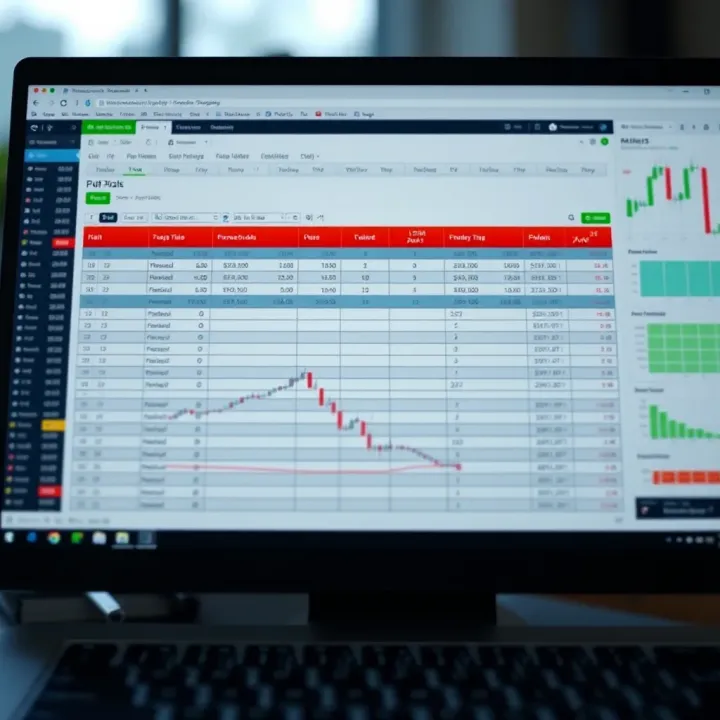
Markets can be relentless without discipline; a trading plan creates a buffer against these common hazards.
In short, having a forex trading plan transforms random guessing into calculated decisions. It reduces emotional trading and protects your capital. For South African traders, dealing with market volatility has added complications like currency fluctuations and global economic shifts — a plan provides needed structure.
Next, we will explore exactly what components make up an effective forex trading plan and how you can tailor it to your style and goals.
A solid forex trading plan hinges on several key components, each serving a distinct purpose to keep your trading clear, methodical, and less emotional. Without these, you risk drifting into guesswork, especially when markets act unpredictably. Let’s unpack the essentials that you should be building into your plan.
Setting clear goals is the bedrock of any trading plan. These goals act as your compass, telling you when your strategy is working or needs adjustment. For example, you might aim for a consistent 3% monthly return, or to limit losses to no more than 2% per trade. Specific, measurable objectives prevent chasing quick wins and help you keep a steady course.
Risk management is not optional; it's what keeps your trading afloat during rough waters. Decide beforehand how much capital you’re willing to risk per trade—commonly 1% to 2% of your trading fund. Use stop-loss orders to protect against unexpected swings. Think of risk management like your safety net during a bungee jump; without it, a misstep could cost you more than you bargained for.
Your trading plan should spell out exactly when and how you enter or exit the market. This could involve conditions like waiting for a currency pair to break above a resistance level before buying, or exiting whenever a moving average crossover signals a downtrend. Clear criteria guard against emotional decisions, especially when the market mood flips.
Deciding which trading tools and indicators to follow is about matching your style and market understanding. Popular choices include the Relative Strength Index (RSI) to spot overbought levels, the Moving Average Convergence Divergence (MACD) for momentum, or Fibonacci retracements for potential reversal points. But less is more; use a toolkit that you understand well instead of piling on every indicator you find.
Forex markets operate 24/5, but that doesn’t mean you should be glued to your screen all day. Define your trading hours that align with your strategy—for example, scalpers might focus on high-liquidity hours like the London and New York overlaps, while swing traders look to daily or 4-hour charts. Establishing this helps manage fatigue and maintain discipline.
A well-structured plan is your anchor in the fast-moving forex waters. Each component adds a layer of control to your trading, limiting guesswork and emotional traps.
Incorporate these components carefully into your forex trading plan to ground your strategy, raise your chances of success, and deal more calmly with the inevitable ups and downs. Your plan should reflect your risk tolerance, available time, and market knowledge, making it a living document you revise as you learn and grow as a trader.
Using PDF templates to flesh out your forex trading plan can save time and ensure you cover all the must-have elements. These templates act like a checklist, keeping you honest and organised. Instead of starting with a blank page, you get a structured layout that’s easy to follow and update.
PDF templates provide consistency and clarity. For example, a trader might struggle to consistently write out risk limits or entry criteria. A template prompts you to specify these upfront, so you don’t leave out vital info. Moreover, PDFs are widely accessible and maintain formatting across devices, so your plan looks neat whether you review it on your laptop or print it out.
Another plus is the ability to print and annotate. Some traders prefer to scribble notes or highlight points during market hours, which is easy with a physical copy. Adding to this, many PDF templates are designed by expert traders or financial education sites, meaning they’ve been refined to include core forex plan components.
Trust is key when downloading trading plan templates. Look to reputable sources such as financial market education platforms, established forex brokerages, or trading communities like MyBroadband’s trading forum. These platforms usually vet their documents to avoid scams or outdated strategies.
Publicly available free resources from respected trade educators also offer decent templates. Beware of random forums or websites where documents might be templated but lack practical use or include poor advice. It’s better to download PDFs that come with explanations or user guides.
Templates should never be a one-size-fits-all solution. Your trading style—be it scalping, swing, or position trading—dictates what parts of the template matter most. For instance, scalpers may want to add quick-exit triggers, while swing traders might focus more on fundamental analysis indicators.
Adapt sections like risk management to match your risk tolerance. If the suggested stop-loss size clashes with your comfort zone, adjust it accordingly. Also, include your preferred currency pairs, trading hours aligned with South African trading sessions or global sessions, and specific technical indicators you rely on.
Remember, a trading plan is only as good as your commitment to it. Customising a PDF template to fit your needs helps you stick with it, especially when markets get rough.
In summary, PDF templates are excellent tools for building a forex trading plan quickly and effectively. Just ensure you choose legitimate templates and adjust them to reflect your unique approach to the market. That way, your plan becomes a real asset, guiding you through both bull and bear phases without falling apart under pressure.
Keeping your forex trading plan up to date is not just a good habit—it's a necessity. Markets shift, your personal circumstances evolve, and sticking rigidly to a plan written months ago without any adjustments can cost you dearly. Regular review helps you spot what works, weed out what doesn’t, and stay aligned with both changing market conditions and your own trading goals.
One of the best ways to keep your forex plan sharp is by tracking how your trades perform against it. This means logging your trades consistently, noting why you entered, how much you risked, and the outcome. Over time, this tracking highlights patterns: are you sticking to your stop-loss limits? Are your entry signals reliable? For example, a trader might notice that trades made during the early London session perform better than those from the New York session, prompting a tweak in trading hours.
Beyond numbers, performance tracking fosters accountability. It’s easy to trade on gut feel, but when you compare actual results to your trading plan, you force discipline. Review your trade journal weekly or monthly to spot inconsistencies or emotional decisions creeping in.
Forex markets are as alive as a busy Johannesburg taxi rank -- always changing. Changes in volatility, interest rates, or geopolitical events can affect what strategies work best. Your plan should be a living document, open to adjustments based on market realities.
Similarly, your skills and risk tolerance will evolve. What seemed a good idea at the start of your trading journey might no longer fit your experience or lifestyle. Say you began trading with a high-risk appetite during your university days but now, working full-time in Cape Town, you prefer calmer trades requiring less screen time. Your trading plan must reflect this growth.
Scheduling a quarterly review where you assess both market conditions and your personal progress can make a real difference. Adjust your risk limits, timeframes, or traded currency pairs if needed.
Emotions can turn trades into a rollercoaster. Excitement, fear, or frustration often lead traders to deviate from their plan, chasing losses or holding losing trades too long. Maintaining discipline is essential to avoid these pitfalls.
A firm trading plan with predefined rules helps curb emotional impulses. By following pre-set entry, exit, and risk management criteria, you reduce guesswork and erratic decisions. If you notice emotional slips during your performance reviews, use those moments as red flags.
Mindfulness practices or setting rules like a daily loss limit (e.g., stop trading after losing R500) can build emotional resilience. Discipline isn’t about being rigidly robotic but about giving yourself clear guardrails so you trade sensibly regardless of market mood swings.
Sticking to the routine of maintaining and reviewing your forex trading plan regularly can be the difference between long-term success and constant struggle in the volatile world of Forex.
Regular updates keep you grounded in reality while allowing flexibility where needed. A trading plan isn’t a ‘set and forget’ document—it’s your best ally in navigating the daily twists of the forex market wisely and confidently.
📘 Download our comprehensive Forex trading guide PDF tailored for South African traders! Learn basics, strategies, risk management, and top tips to boost your skills and confidence.
📈 Learn forex trading effectively with video guides! Discover types of videos, key tips, and how to sharpen skills while avoiding common errors.

📈 Learn the fundamentals of forex trading with this in-depth guide covering market operations, key concepts, strategies, risk management, and essential tools.

Explore halal forex trading 🌙 and learn how Muslim traders can ethically engage in forex with swap-free accounts and Islamic finance principles. 📈
Based on 11 reviews