
Starting Forex Trading with $100 in South Africa
Start forex trading in South Africa with just $100. Learn key strategies, risk management tips, broker choices, and realistic growth paths 💹💰
Edited By
Henry J. Wallace
Starting forex trading with just R100 is an idea many South Africans consider, especially those keen on trying their hand in the currency markets without risking too much. The good news: it's technically possible to begin trading with a small amount. But the reality is a bit more nuanced.
With R100, you’re tapping into a market that usually demands larger capital for meaningful moves. Forex trading often involves leverage, which can amplify your exposure but also your risk. So, trading with limited funds requires a clear understanding of what’s achievable and how to control potential losses.
Before you put your money in, it’s critical to choose the right broker. Look for brokers regulated by reputable authorities—some local insights matter too, like whether they accept South African traders, offer ZAR accounts, or have reasonable minimum deposits suited to your budget.
Platforms play a significant role here. Many brokers provide MetaTrader 4 or 5, which is popular locally, or simpler mobile apps designed for ease and quick trades. The platform’s usability and costs, such as spreads and commissions, can eat into your small capital fast if you’re not careful.
Risk management can’t be overstated — with just R100, losing even a fraction of your balance can set you back significantly. Using stop-loss orders and avoiding high leverage will help preserve your capital. Practising first on demo accounts is also advisable to get the feel without risking real money.
Trading forex with a tiny account means priorities shift: protecting your capital comes before chasing big profits.
In short, starting with R100 means your main goal should be learning and building consistency rather than making a quick fortune. Expect modest returns and prepare for volatility. That way, you’re more likely to grow your account step-by-step rather than burning it out quickly.
Grasping the basics of forex trading is essential, especially when starting out with a modest amount like R100. It helps you avoid common pitfalls and understand how to manage your trades sensibly rather than diving in blindly. Knowing what forex trading is about forms the foundation before considering broker choices, leverage, and risk management.
Forex trading involves buying and selling currencies against each other, profiting from changes in exchange rates. Imagine travelling from Johannesburg to Europe — you exchange rands for euros at one rate and later convert euros back to rands at another. Traders do the same, but online and much faster, aiming to benefit from small price movements. Unlike stocks, forex is traded 24 hours a day during weekdays, making it flexible for different schedules.
For example, if you predict the US dollar will strengthen against the South African rand, you might buy USD/ZAR. When the rate moves in your favour, you close the trade and take the profit. This process might seem simple but recognising when to buy or sell requires practice and knowledge.
The forex market is mainly over-the-counter (OTC), meaning currencies trade directly between parties, without a physical exchange. Banks, brokers, governments, corporations, and retail traders all participate. This global market operates in sessions aligned with major financial centres — Tokyo, London, and New York, among others.
Prices fluctuate constantly due to economic events, interest rate decisions by central banks, and geopolitical news. For instance, a sudden Eskom load-shedding announcement can cause the rand to weaken, affecting USD/ZAR rates noticeably. Good traders watch these developments closely to time their trades well.
Before putting your R100 on the line, familiarise yourself with key terms:
Pip – the smallest price change in a currency pair, often the fourth decimal place. If USD/ZAR moves from 15.00 to 15.10, that’s 10 pips.
Spread – the difference between buying (ask) and selling (bid) prices. Lower spreads are better as they reduce trading costs.
Leverage – using borrowed funds from your broker to control a bigger position with a smaller amount, amplifying gains and losses.
Lot size – the number of currency units you’re trading. Micro lots (1,000 units) suit small accounts, helping keep risk manageable.
Understanding these basics doesn't just make you a better trader — it’s about protecting your limited capital and knowing what each decision means in real financial terms.
Starting forex trading on R100 means every cent counts. Build your foundation in the basics early, so you trade with both your eyes open and your risks controlled.
Trading forex with just R100 sounds tempting for beginners eager to test the water without risking much. But before diving in, it’s crucial to understand what this small capital means in practice. Starting with R100 isn't impossible, yet it carries certain limitations and challenges that every trader should know upfront. This section breaks down these realities to help set practical expectations.
Forex brokers set minimum deposits for opening trading accounts. In South Africa, some brokers accept as little as R50 or R100, making entry accessible even with tight budgets. However, many reputable brokers require a minimum deposit upwards of R500 or more. For example, some local brokers may insist on R1,000 as a starting point, reflecting the need to cover costs and offer viable trading conditions.
Choosing a broker with low minimum deposit requirements is key for trading small amounts. Yet, confirm the broker’s licensing status with the Financial Sector Conduct Authority (FSCA). Low minimum deposits often come with higher spreads or trading fees, which can eat into profits when trading with R100.
With only R100, managing risk becomes tough. Forex trading typically recommends risking just 1–2% of your trading capital per trade to protect the account from big losses. That means risking R1 or R2 per trade at most — which limits the size of your positions and potential returns.
Moreover, spreads and commissions can quickly erode your small investments. For instance, if the spread on the EUR/USD pair is around 1.5 pips, this cost can represent a significant percentage of your R100 investment. Slippage during volatile sessions or when the market gaps can also hurt small accounts disproportionately.
Another hurdle is leverage. Although it allows you to control larger positions with limited capital, high leverage can increase risk significantly and may lead to rapid losses if not handled carefully.
Trading with R100 should be viewed primarily as a learning stage rather than a swift path to wealth. Expect modest profits and prepare for setbacks. Many traders use small accounts to understand market behaviour, practice strategies, and develop discipline without risking large sums.
Patience and education are essential. Focus on demo trading initially or using micro accounts that mirror live market conditions. Avoid chasing big wins—this often leads to reckless trades and losses.
Starting your forex journey with limited capital makes managing expectations and risks even more critical. Use R100 as a tool to gain experience, not a shortcut to fast money.
In summary, R100 can get you into the forex market, but it demands careful broker choice, tight risk control, and realistic goals. For those ready to learn and build slowly, it’s a reasonable starting point.
Picking a broker and trading platform that fits well with your needs is critical when starting out with a small amount like R100. The choice affects everything from safety and costs to the flexibility you get while trading. Since forex trading involves real money and risks, you want to be sure your broker is trustworthy and that their platform lets you trade efficiently without unnecessary hurdles.
One of the first things to check when choosing a broker is whether they’re licensed by the Financial Sector Conduct Authority (FSCA). This regulator oversees financial services in South Africa and enforces rules to protect traders from scams and unfair practices. A broker with an FSCA licence must keep client funds separate and regularly report financial health, reducing the risk of losing your money.
Unlicensed brokers might offer tempting low minimum deposits or flashy platform features, but the safety of your R100 deposit is at stake if something goes wrong. For example, a local FSCA-regulated broker such as EasyEquities provides a transparent service, while international brokers like IG or Plus500 often hold multiple licenses but should be checked specifically on their South African compliance.
Always prioritise regulatory oversight—it's your first line of defence against fraud in the forex space.
Not all brokers cater to small account holders effectively. Since R100 is a tiny starting capital, your broker should offer low minimum deposits and tight spreads (the cost of entering trades). Many brokers provide micro or nano accounts specifically designed for small traders, where you can trade with mini lots instead of standard ones.
Other features to look out for include zero or low commissions, educational support, and user-friendly mobile apps—important if you’re trading on the go. Broker platforms like HotForex and XM are known for their small account options and affordability.
Avoid brokers that have high fees or require hefty minimum deposits above R100, as these will quickly eat into your limited trading capital.
Your choice of trading platform affects your experience and effectiveness. MetaTrader 4 (MT4) and MetaTrader 5 (MT5) are the most popular and widely supported platforms in South Africa. They work well on desktops and mobiles, offer advanced charting and analysis tools, and support automated trading.
Some brokers also offer proprietary platforms with a simpler interface but possibly less functionality. For example, IG’s platform is clean and easy to use, perfect for beginners, while MetaTrader suits more technical traders.
Requirements to keep in mind:
Device compatibility: Does the platform run smoothly on your cellphone or PC?
Technical tools: Does it offer indicators, stop-loss/take-profit settings, and charting?
Costs: Are there platform fees or hidden charges?
Make sure your platform supports the account types offered by your broker and doesn’t demand powerful hardware or high-speed internet—which you might struggle with if you’re in an area with patchy data.
Choosing the right broker and platform in South Africa gives your R100 the best shot at working for you. It sets the foundation for safer trading and a better chance to learn and grow your skills without bleeding cash on fees or poor service.
Trading forex with just R100 calls for careful risk management and clear expectations. When your budget is tight, every rand counts, so it’s vital to control potential losses and understand the limitations of trading small amounts.
Risk management is the backbone of successful trading, especially when you're working with limited funds. Even a small losing streak can wipe out an account of just R100 quickly. That’s why setting stop-loss orders is non-negotiable—it helps contain losses before they spiral out of control. For example, if you risk 2% per trade, that’s just R2, which preserves the remainder of your capital for future trades. Without this discipline, a few poorly timed trades could drain your entire account.
Additionally, diversifying your trades prevents all your funds from being tied to a single currency pair, which can be risky if unexpected events move the market sharply. Although diversification is tricky with minimal capital, even trading different pairs or timeframes can reduce the risk of a total loss.
Patience and discipline in risk management are the only reliable ways to survive and grow, particularly when you start small.
Leverage allows you to control more significant positions than your capital alone would permit. With R100, brokers often offer high leverage ratios—sometimes up to 1:500 or more. While this might seem attractive, remember that leverage multiplies both gains and losses. Misusing high leverage can drain your R100 in minutes.
A savvy trader opts for lower leverage or uses it sparingly to keep downside risk manageable. For instance, instead of maxing out leverage on a single trade, limit it to 1:10 or 1:20. This way, you keep margin requirements reasonable and avoid getting stopped out by normal market fluctuations.
Also, familiarise yourself with margin calls and how close your position is to liquidation. This knowledge enables you to make better decisions about when to exit trades and protect your capital.
Before risking real Rands, test your strategies with a demo account. Most South African brokers like IG, EasyEquities, and Plus500 offer free virtual trading platforms that mimic live markets using fictitious funds.
Practising on a demo account lets you:
Understand how trades open and close
Get a feel for spread costs and slippage
Build confidence without financial risk
Since emotional control is as important as technical skill, demo trading helps you manage psychological aspects without the pressure of losing actual money. Take the time to simulate trading with R100-sized positions so you know what to expect when you go live.
Managing risk and expectations isn’t just theory; it’s what keeps small-account traders in the game. With disciplined risk controls, cautious use of leverage, and solid practise on demo accounts, trading even modest amounts like R100 can be educational and potentially rewarding. Just remember, slow and steady wins this race.
Starting forex trading with a small sum like R100 is tough, and often, it may not be the most practical step immediately. It’s worth looking at alternatives and the next steps to grow your foundation before diving in headfirst. These options can help build your capital while you sharpen your skills and understand the market better.
Growing your trading capital before you start live trades can save a lot of frustration. For example, setting aside a small portion of your monthly income specifically for trading over time will give you a bigger buffer to work with. Opening a dedicated savings account or using digital wallets that allow you to track your contributions can help keep this money separate from daily expenses.
Alternatively, consider side hustles or freelance work relevant to your skills to increase your funds without relying solely on your main salary. The idea is to avoid risking more than you can comfortably afford, as forex trading—even with leverage—can wipe out small accounts quickly.
If R100 feels restrictive for forex, other investment choices might be a better fit for your current budget. Look into unit trusts or exchange-traded funds (ETFs) available through South African brokerages, which often have low minimums and can provide diversified exposure to markets.
Apps like EasyEquities allow you to start investing in shares with amounts under R100, making it a practical way to grow your portfolio over time. Fixed deposit accounts or even starting a stokvel with friends or family focused on investments are also smart ways to pool money and build collective capital.
Before putting real money on the line, increasing your forex knowledge pays off. South African traders can access free and paid courses from platforms like BabyPips or Investopedia for foundational lessons. Local forums and communities, such as the MyBroadband Forex section or Facebook groups, provide valuable peer insights and up-to-date market news.
Besides, practising through demo accounts offered by brokers like IG or FXCM can help you understand how trades work without risking actual cash. This step is particularly vital for developing a disciplined trading approach and learning to manage emotional responses when the market moves unexpectedly.
Starting small is fine, but focus on building skill and capital gradually. It’s a marathon, not a sprint.
In summary, while diving straight into forex with R100 might feel like the quickest route, taking measured steps to build capital, explore accessible investments, and sharpen your trading knowledge will position you for better outcomes down the line. Patience and preparation are your best allies in this space.
Start forex trading in South Africa with just $100. Learn key strategies, risk management tips, broker choices, and realistic growth paths 💹💰
📈 Learn the fundamentals of forex trading with this in-depth guide covering market operations, key concepts, strategies, risk management, and essential tools.

Explore halal forex trading 🌙 and learn how Muslim traders can ethically engage in forex with swap-free accounts and Islamic finance principles. 📈
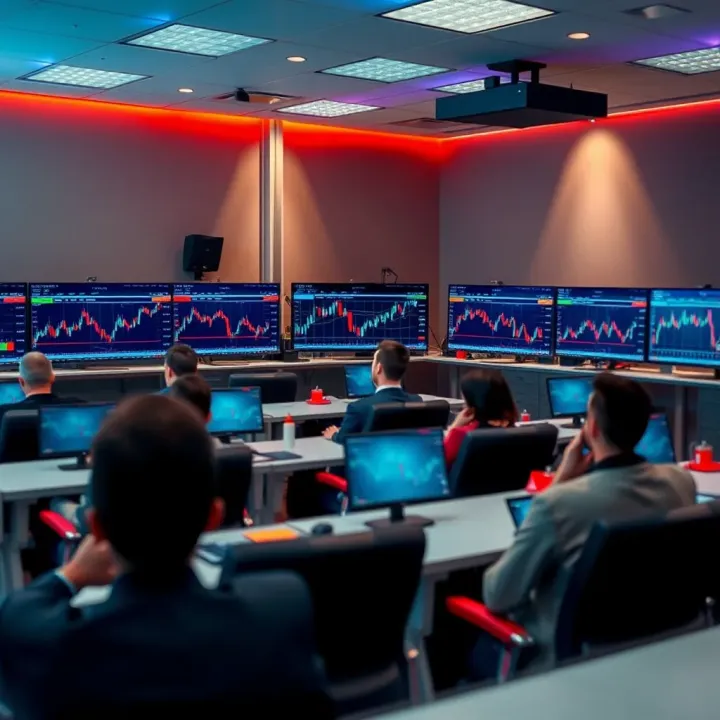
Explore top forex trading schools in Johannesburg 📈 Learn how to choose the right course, what to expect, and practical tips for starting your trading journey.
Based on 5 reviews