

Risks of Binary Options Trading in South Africa
⚠️ Thinking of binary options? Learn the risks like high losses, scams, and poor transparency to protect your investments in South Africa. 📉💰
Edited By
Emily Bennett
Binary options have found their way into the financial markets as a popular yet controversial tool for quick speculation. At first glance, they seem straightforward: you predict whether the price of an asset will rise or fall within a fixed time frame. But behind that simplicity lies a mix of risks, potential rewards, and regulatory grey areas.
For South African traders, understanding the nuts and bolts of binary options is vital. Unlike traditional investing, where returns depend on actual market value changes, binary options offer fixed payouts, making the stakes black-and-white—win or lose. This setup appeals to those seeking short-term gains without dealing with complex charts or margin calls.
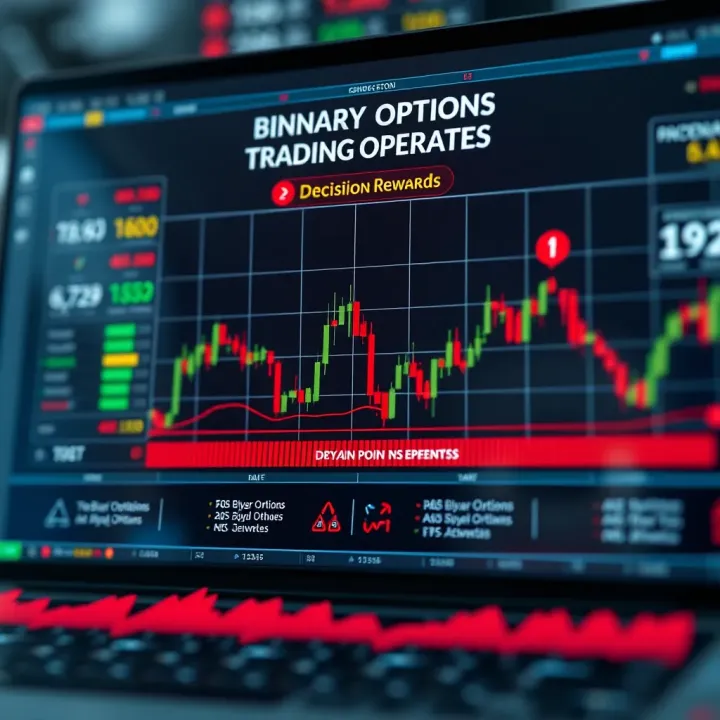
There are typically two main types of binary options:
Cash-or-nothing: If your prediction is right, you receive a fixed cash payout. If wrong, you lose your stake.
Asset-or-nothing: You receive the value of the underlying asset if your prediction is correct; otherwise, you lose your investment.
However, what makes these products both enticing and risky is the time-bound nature of trades, often lasting minutes or hours. This short horizon means markets can swing wildly due to unforeseen news or technical glitches, possibly wiping out your stake before you blink.
Heads-up: Many binary options offerings operate outside formal financial regulation, especially online platforms targeting South African traders. This raises concerns about fair play, transparency, and the security of your funds.
Legitimate binary options brokers registered with regulatory bodies like the Financial Sector Conduct Authority (FSCA) provide a safer environment, but these remain few and far between. For this reason, understanding regulatory frameworks is non-negotiable before risking capital.
Practical tips for traders include setting strict limits, researching platform reputations, and avoiding offers promising guaranteed profits. Instead, focusing on thorough analysis and using binary options only as part of a broader strategy will help manage inherent risks effectively.
Overall, binary options present a tempting shortcut into financial speculation. But their binary nature leaves little room for error, demanding careful consideration from South African investors aware of both the rewards and realities involved.
Understanding what binary options are and how they function lays the foundation for grasping their risks, rewards, and realities. Binary options simplify speculation by offering fixed outcomes rather than the complex payoff structures seen in traditional trading. This straightforward approach appeals to many traders, but it also carries unique challenges worth knowing before getting involved.
Basic concept of binary options: Binary options are financial contracts where the outcome is either a fixed amount or nothing at all, depending on whether a specific condition has been met by expiry. For instance, you might bet whether the price of gold will be above R1,000 per ounce in an hour. If it is, you receive a predetermined payout; if it isn’t, you lose your stake. This all-or-nothing setup makes binary options resemble betting more than conventional investing.
How outcomes are determined: The result hinges on a simple 'yes' or 'no' question decided at the option's expiry. You predict whether an asset’s price will rise above or fall below a strike price within a set timeframe. For example, "Will the Rand–US Dollar exchange rate exceed R18.00 at 3 pm today?" If your prediction holds true at expiry, you earn the set return, often between 70% to 90% of your investment. If not, you forfeit the entire amount you wagered. This binary result limits profit but also sets clear risk.
Difference from traditional options trading: Traditional options provide the right to buy or sell an asset at a certain price before expiry, with profits varying according to how much the asset moves. By contrast, binary options pay out fixed amounts regardless of the asset’s move size — you either win or lose. This means you don't own the asset or benefit from favourable price swings beyond the strike price, reducing complexity but also limiting upside potential.
High/low options: These are the simplest and most common binary options. You decide whether the price of an asset, like a JSE-listed share or commodity, will be higher or lower than a strike price at expiry. For example, you might predict if BHP Group’s share price will close higher than R250 by market close. These options provide straightforward bets with quick decisions.
One-touch and no-touch options: One-touch options pay out if the asset hits a predetermined price at least once before expiry, regardless of closing price. For example, if you bet that the price of Brent crude oil will touch $90 within a day, you win once it reaches that level. No-touch options pay out if the asset's price never touches the set level during the contract. These types add strategies based on price movement rather than just direction.
Range options: Also called boundary or tunnel options, these pay out if the asset's price stays within a specified range for the duration. For instance, you might bet the Rand–Euro rate remains between R17.00 and R18.00 today. These trades depend on price stability within set bounds, rewarding bets against volatility.
Expiry times and their impact: Binary options can have expiry times ranging from seconds to days. Very short expiries, like 60 seconds, might appeal to fast-paced traders but increase the chance of random moves affecting outcomes. Longer expiries allow more time for the market to develop but tie up capital for longer. Choosing expiry times affects risk, reward, and trading strategy significantly.
Binary options simplify trading but every choice, from option type to expiry time, shapes your risk and potential reward. Understanding these elements is essential before stepping in.
This section sets up the basics so you can grasp how binary options work, making it easier to evaluate whether they're suitable for your trading approach or risk appetite.

Understanding the risks and challenges tied to binary options is crucial before diving into this form of trading. Unlike straightforward investing where ownership of an asset is involved, binary options present all-or-nothing bets on price movements — which brings unique pitfalls. For traders, especially in South Africa, recognising these hazards helps manage expectations and navigate the market more wisely.
Binary options are often labelled high risk because outcomes hinge sharply on small price movements within fixed time frames. This all-or-nothing payout means you either lose your full stake or gain a predetermined return, often ignoring the asset's intrinsic value. Imagine placing R1,000 on a 60-second trade predicting a stock's rise — a slight market fluctuation can wipe the whole bet or yield a modest win, creating a gamble-like environment rather than measured investment.
On top of that, probabilities and payouts rarely align fairly. Typically, brokers offer payouts around 70-85% of your stake but retain the rest, tipping odds against the trader. Even if you have a near 50% success rate, the slightly lower payout means consistent losses are likely over time. This mismatch plays a big role in why many traders lose more often than win, distinguishing binary options from safer bets.
A further complication is the opaque pricing models behind these options. Brokers may not fully reveal how they determine price movements or payout structures, making it hard for traders to verify fairness. Without clear insight into pricing algorithms or market data sources, users rely heavily on broker trustworthiness, which can be risky in a market rife with dubious operators.
Several warning signs help spot scams common in binary options trading. These include unsolicited calls or messages pressuring you to invest quickly, promises of guaranteed profits, complicated withdrawal processes, and refusal to provide proof of licencing. If a platform wouldn’t let you test with a demo account or makes you jump through hoops to access your funds, consider it a glaring red flag.
There have been many documented cases where platforms vanish with traders’ money or rig prices to cause losses. For example, globally notorious scams have used fake interfaces that show winning trades while actually locking in losses. Often, these fraudsters operate offshore, beyond easy reach for South African authorities.
Regulatory enforcement against such scams is notoriously difficult. Binary options trading frequently crosses borders, with operators shifting domains or disguising their identities. South Africa’s FSCA (Financial Sector Conduct Authority) has issued several warnings and bans to protect local investors, but international cooperation is limited. This fragmented oversight means traders should deal only with registered, reputable brokers and always stay alert to suspicious behaviour.
When trading binary options, strong vigilance and thorough vetting of platforms can protect you from costly mistakes and scams.
Understanding these risks is key. Binary options might seem tempting because of simplicity and fast returns, but beneath the surface lies a market stacked unevenly against you. Awareness and caution are not just helpful — they are essential in avoiding serious financial setbacks.
Understanding the regulatory framework around binary options in South Africa helps local traders steer clear of risky platforms and avoid falling victim to scams. Given the high-risk nature of binary options, South African authorities have put clear controls and guidance in place to protect investors while ensuring fair trading practices.
The Financial Sector Conduct Authority (FSCA) has been quite vocal about the dangers of binary options trading. It frequently issues warnings highlighting the hefty risks, often pointing out that many binary options platforms operate without proper oversight. These warnings serve to alert South African traders that binary options often aren’t the straightforward gamble they might seem, making it essential to approach them with caution.
In terms of licensing, the FSCA requires any financial services provider offering binary options to obtain approval and comply with South African regulations. Unfortunately, many brokers servicing South African clients lack such licences. This means these platforms are effectively operating illegally or offshore, complicating any recourse for traders who lose money. It underscores the need for South Africans to check licensing status before getting involved.
To protect local investors, the FSCA has taken steps including public awareness campaigns and collaborating with law enforcement to shut down fraudulent binary options operators. Efforts also include pushing for stricter enforcement and engaging with international counterparts to restrict platforms that target South African traders. This ongoing oversight is crucial since scam operators often shift tactics or locations to evade regulations.
Globally, the approach to regulating binary options varies. For example, Europe’s European Securities and Markets Authority (ESMA) has banned the sale of binary options to retail investors, citing the significant losses incurred by consumers. Similarly, the United States restricts such trading mostly to licensed exchanges with strict rules. These stringent measures abroad highlight the risks involved and set a benchmark many expect other regulators to follow.
International bans and restrictions have pressured offshore brokers to tighten their operations or exit some markets. This ripple effect offers South African traders some indirect protections, as riskier international platforms either shut down or reduce their local influence. However, traders must remain vigilant since new unregulated sites can still pop up.
South African traders find themselves caught between local restrictions and the wide availability of global brokers. While the FSCA’s stance limits access to unregulated platforms domestically, traders still risky their money with offshore entities if they aren’t careful. That said, local laws and FSCA warnings help guide safer choices and provide a framework for legal action if things go wrong.
Staying informed about both local regulations and global trends is key for South African investors considering binary options. The FSCA’s role is vital in setting these guardrails and promoting safer trading environments across the board.
When approaching binary options, South African traders must be sharp about the risks and realities involved. Practical advice isn’t just useful; it's vital for anyone contemplating these high-stakes trades. By grounding decisions in solid understanding and caution, traders can avoid common pitfalls and better protect their capital.
Understanding financial risk appetite means knowing exactly how much volatility and potential loss you can stomach without it affecting your day-to-day life. For example, if losing R5,000 would seriously disrupt your household budget, you’re likely not cut out for aggressive binary option trades that often risk the entire stake. Realistically assessing your comfort with risk helps prevent emotional decisions that lead to chasing losses.
Importance of education and research can’t be overstated. Many beginners jump in without enough knowledge of how pricing works or how broker platforms operate. Take the time to learn about the markets linked to binary options and the typical signals that affect price movements. Some platforms offer educational resources; use those, plus independent guides from trusted sources like the Financial Sector Conduct Authority (FSCA). Better understanding means fewer surprises.
Seeking professional financial advice is a wise move, especially if you’re new to trading or unsure about how binary options fit your financial goals. Certified financial advisors who understand South African regulations can help you weigh alternatives and clarify tax implications. Getting expert insight provides a more realistic picture beyond the hype.
Choosing licensed and reputable brokers is non-negotiable. Many binary options providers operate without proper authorisation which exposes traders to scams. Always verify through the FSCA’s list or trusted South African financial watchdogs. Traders who pick unlicensed brokers often find withdrawals blocked or face unexpected fees.
Using demo accounts and practice platforms allows you to test strategies without risking real money. Brokers who offer these tools give their clients a sandbox environment to familiarise themselves with platform mechanics and market behaviour. For instance, a demo account lets you experiment with expiry times or option types until you feel confident enough to trade live.
Setting clear limits to avoid losses protects your capital and your peace of mind. Decide beforehand how much of your total trading funds you’re prepared to lose in a day or week, then stick to it. Use the platform’s stop-loss tools or simply close the platform when the limit is reached. Discipline here avoids the trap of chasing losses—a sure way to deplete Rands fast.
Sound risk management and careful broker selection aren’t just best practice; they’re essential habits for anyone interested in binary options trading.
By following these guidelines, South African traders can make more informed choices, stay safer, and avoid falling prey to unrealistic promises or shady operators. Practical, grounded preparation is the best chance to navigate this risky market reasonably well.
When considering short-term trading options beyond binary options, it's wise to explore alternatives that offer different risk profiles, market access, and regulatory safeguards. South African investors benefit from knowing these choices, helping them balance potential rewards against the high risks linked to binary options. These alternatives include spread betting and forex trading, Contracts for Difference (CFDs), and short-term trading in shares listed on the Johannesburg Stock Exchange (JSE).
Spread betting involves speculating on the price movement of financial instruments without owning the underlying asset. Traders bet on whether the price will rise or fall within a specific timeframe. The practical appeal lies in leveraged exposure, allowing meaningful positions with comparatively small capital. However, the availability of spread betting in South Africa is limited as it is more common in the UK and Europe, and its tax treatment differs elsewhere.
Forex trading, on the other hand, is highly accessible locally through brokers offering platforms to trade currency pairs like USD/ZAR or EUR/ZAR. Unlike binary options, forex trading decisions are based on pip movements, offering more nuanced strategies such as stop losses and take profit levels. This allows traders to manage risk dynamically rather than face an all-or-nothing outcome.
That said, forex and spread betting still carry significant risks. Currency markets are volatile and can move quickly against positions, especially with leverage. Compared to binary options, forex trading provides more control over position sizing and risk management tools. Still, lack of experience can result in fast losses. Among South African platforms, well-known brokers like IG, Plus500, and AvaTrade offer access to forex markets under FSCA regulation.
Contracts for Difference (CFDs) let traders speculate on price changes across assets like shares, commodities, and indices without owning them. When you trade a CFD, you agree to exchange the difference in an asset's price between when the position opens and closes. CFDs provide flexible exposure and often come with leveraged positions, similar to forex and spread betting.
The advantages of CFDs include access to a broad range of markets and sophisticated tools like stop orders and margin alerts. However, the flip side is their complexity and the risk of rapid losses, especially when leverage magnifies small market moves. CFDs can also incur overnight fees and require close attention to margin calls.
In South Africa, CFD trading is provided by licensed brokers compliant with the Financial Sector Conduct Authority (FSCA). Regulatory oversight aims to protect investors by enforcing transparency and requiring brokers to maintain certain standards. Nonetheless, traders should remain cautious and seek brokers with clear pricing and strong reputations.
Short-term trading on JSE-listed shares offers an alternative grounded in tangible assets rather than derivatives. Traders can capitalise on daily price swings in well-known companies such as Sasol, Naspers, or MTN. By buying and selling shares quickly, savvy investors can attempt to profit from market fluctuations.
Practical tools for analysing the JSE include technical charting software, news feeds, and economic indicators relevant to South Africa’s economy. Platforms like EasyEquities and Standard Bank's Webtrader offer accessible environments for share trading, with access to real-time data and research reports.
That said, short-term share trading carries risks like market unpredictability, liquidity constraints, and transaction costs. The reward potential often comes with higher effort in analysis and timing. Unlike binary options, share trading aligns investors with actual market ownership, which some find more transparent and straightforward.
Each alternative has its own trade-offs, stressing the importance of proper education and clear risk management to navigate South Africa’s trading landscape successfully.
Exploring these alternatives gives traders practical methods and regulated environments to pursue short-term profits while reducing exposure to the often-questionable binary options market.
⚠️ Thinking of binary options? Learn the risks like high losses, scams, and poor transparency to protect your investments in South Africa. 📉💰

Explore how the gender binary shapes South African society, its impact on non-binary individuals, and the rise of gender diversity 🌍👫⚧

Explore www binary basics and applications in tech and programming 🌐💻. Understand binary numbers, web prefixes, and online data handling in South Africa.

🔢 Discover how to convert the phrase "Hello World" into binary code. Learn the basics of binary, its role in computing, and practical encoding tips.
Based on 10 reviews