

Understanding Forex Trading Sessions
📈 Discover forex trading sessions and their timeframes to spot the best trading zones. Get practical tips and downloadable PDFs to boost your strategy.
Edited By
William F. Hughes
Binary options have gained traction as an accessible way for individuals to speculate on financial markets. Unlike traditional trading—where you buy or sell a stock or asset outright—binary options offer a fixed, all-or-nothing outcome based on the direction of an asset's price within a set timeframe. This simplicity attracts many traders, but it comes with significant risks.
At its core, a binary option is a contract that pays out either a fixed amount or nothing at all, depending on whether a specific condition is met at expiry. For example, you might predict that the price of gold will be above R1,000 per gram at 3 pm tomorrow. If correct, you earn a pre-agreed return; if not, you lose your initial stake.
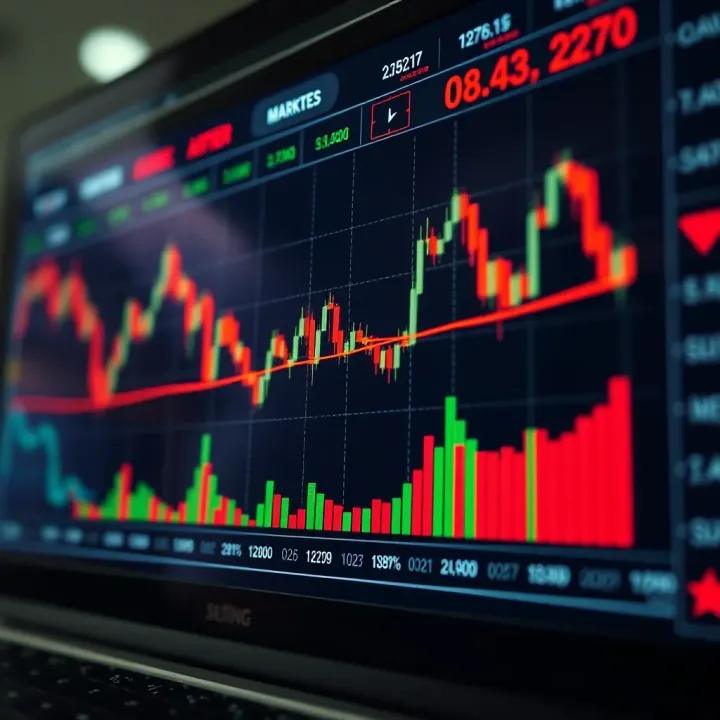
Understanding this payoff structure is key. Unlike buying shares or forex, where profits and losses vary with market movement, binary options deliver a clear yes-or-no result. This makes budgeting your risk easier but also means the potential for total loss of your investment is high.
In South Africa, trading binary options is legal but tightly regulated. The Financial Sector Conduct Authority (FSCA) warns consumers about high-risk products and has cracked down on unscrupulous brokers. It's crucial to trade only through licensed platforms that comply with South African law to avoid scams.
Always check a broker’s FSCA licence status before depositing funds.
Binary options work across various assets—from currency pairs like the rand/dollar to commodities such as platinum and indices like the JSE Top 40. Each trade has an expiry time from as short as 60 seconds to several weeks, letting traders choose based on their strategy and market view.
To sum up, binary options offer a straightforward way to speculate, but they're inherently risky and require careful approach. Knowing how payouts work, recognising regulation status, and choosing your trades wisely can help you manage risk effectively.
Next sections will cover the mechanics in detail, risk factors, and legal updates specific to South Africa, equipping you to make informed decisions.
Understanding how binary options operate is essential, especially for traders aiming to manage risks and plan their trades effectively. This knowledge is not just about grasping technical details but also about recognising what you're actually betting on and how the payouts work. Knowing these basics can help you decide if binary options are right for your trading style or whether to consider alternatives.
Defining binary options: Binary options are a type of financial instrument where the trader predicts if an asset's price will go up or down within a fixed time window. The key feature is simplicity: there are only two possible outcomes — you either make a predetermined payout or lose your initial stake. This straightforwardness makes binary options attractive for quick decisions but also means they come with high risk.
How trades are structured: Trades are set up with a specified expiry time, ranging from minutes to hours. When you enter a trade, you decide whether the price of an asset (like gold or a currency pair) will be above or below a certain point at expiry. For instance, you might bet R200 that the Rand-Dollar exchange rate will be higher in 30 minutes. If correct, the platform pays a fixed return, say R340 (a R140 profit plus your initial R200). If wrong, you lose the R200.
Common asset types: Binary options cover a wide range of assets, including:
Stocks (e.g., Sasol, Naspers)
Indices (like the JSE Top 40)
Commodities (such as gold, platinum, or oil)
Forex pairs (for example, ZAR/USD or GBP/ZAR)
This variety allows traders to choose markets they follow closely or are familiar with, which can aid in making informed predictions.
High/low options: The most common type, also called call/put options, requires predicting whether the asset’s price will be higher or lower than the strike price at expiration. For example, if you think the price of platinum will rise by 3 pm, you place a high (call) option. These are straightforward but depend heavily on market timing.
One-touch and no-touch options: One-touch options pay out if the asset price hits a specific level at any point before expiry. No-touch options, conversely, pay out if that level remains untouched throughout the trade duration. For instance, you might bet that the JSE index won’t drop below 65,000 points all day — a no-touch trade. These options can offer higher payouts but require careful monitoring.
Range options: Here, you predict whether the asset’s price will stay within a certain range during the trade period. For example, you may bet that the ZAR/USD exchange rate will stay between 14.50 and 15.00 over the next hour. Range options suit traders expecting low volatility and can be less risky if you understand market behaviour.
Binary options are not just a simple up-or-down bet; their structure allows for various ways to trade based on your market outlook and risk appetite. However, while these types provide choice, they also demand a clear understanding of market movements and expiry timings.
Armed with this insight, traders can better grasp how to approach binary options, weighing potential returns against the inherent risks.

Binary options trading offers clear-cut outcomes, where understanding the risks and rewards is essential for any trader or investor. Unlike traditional trading, binary options present a straightforward wager on price movements, making it tempting yet risky. Knowing how potential gains and losses work helps you manage expectations while recognising the pitfalls that might cost you more than just money.
Fixed payout structure means you know exactly what you'll earn if your prediction is correct. For example, you might risk R1,000 on a binary option predicting the rand will strengthen against the dollar. If the trade pays out 80%, you stand to gain R800 profit, regardless of how far the rand moves. This clarity appeals to many traders as it removes guesswork about potential earnings.
But the flip side is that your profit is capped—no matter how significant the market shift. So while you know your maximum return upfront, you also forego the possibility of much higher earnings that traditional trading might offer if the asset moves substantially in your favour.
All-or-nothing outcomes underline the high-stakes nature of binary options. You either win the fixed payout or lose your entire stake. For example, if your prediction that a share price will rise by closing time is wrong by even a small margin, you lose your full investment of R1,000. This zero-sum setup means every trade carries the risk of a complete loss, making it crucial to be selective and disciplined.
This approach contrasts sharply with other financial instruments, where losses might be limited or mitigated by stop losses or partial sales. If you’re not careful, this all-or-nothing nature can quickly erode your capital.
Market volatility impact plays a big role in binary options success or failure. Sudden price swings, common in currencies like the rand or commodities like platinum, can easily push the market just beyond your strike price at expiry. This means a trade that seemed promising five minutes before expiry might end up losing because of quick, unpredictable moves.
In practice, traders must factor in these dynamic movements when placing trades, often requiring swift decision-making. Failure to do so heightens the chance of losses, especially during high volatility periods triggered by events such as SARB interest rate announcements or global crises.
Scams and unregulated platforms pose a serious threat to South African traders. Some binary options brokers operate without proper licences or oversight by the Financial Sector Conduct Authority (FSCA), making fund safety precarious. Instances exist where traders have found it impossible to withdraw their money or faced manipulated price feeds.
Always confirm a broker’s regulatory status before depositing funds. Look for reviews from trusted sources and avoid platforms promising unrealistic returns.
Beware: not all brokers are what they seem. Stick to FSCA-regulated entities to minimize the risk of scams.
Addictive nature of quick trades is a psychological hazard many traders ignore. The fast pace of binary options—where you can place multiple trades within minutes—can create a gambling-like environment. The lure of quick profits often leads to chasing losses, increasing stakes recklessly.
This compulsion can spiral into significant financial damage if not controlled. It’s wise to set strict limits on daily trading amounts and take regular breaks to maintain clear judgement. Remember, treating binary options like a quick bet rather than a well-planned investment usually ends in losses.
Understanding these risks and rewards helps you approach binary options trading with your eyes open. While the fixed returns and simplicity can appeal, the all-or-nothing risks, potential for scams, and psychological pitfalls require vigilance and clear strategy.
Regulation plays a vital role in shaping binary options trading in South Africa. It protects investors from shady operators and ensures the market remains fair and transparent. Understanding how the legal framework operates in this country helps traders avoid pitfalls and make informed decisions.
The Financial Sector Conduct Authority (FSCA) is the main watchdog overseeing financial services in South Africa, including binary options trading. Its job is to regulate and supervise all financial service providers, making sure they stick to the rules set out in the Financial Advisory and Intermediary Services Act (FAIS). This authority aims to safeguard customers by ensuring brokers and platforms operate honestly and transparently.
When brokers want to offer their services in South Africa, they need to be licensed by the FSCA. Holding a licence means the broker meets minimum standards, such as having adequate capital, proper governance, and fair client treatment. This licensing requirement helps separate credible brokers from fly-by-night operators. Traders should always verify a broker’s FSCA licence before opening an account — this can usually be checked on the FSCA’s official register.
One big risk traders face in South Africa is dealing with unlicensed operators. Such entities typically operate illegally and aren't subject to any oversight. Engaging with them exposes traders to potential fraud, unfair terms, or difficulty withdrawing funds. If a broker or platform is not on the FSCA’s list, it’s safer to steer clear. If in doubt, contacting the FSCA for verification is a practical step.
Traders can also face penalties if they participate in trading activities with unregulated brokers. While individuals may not be criminally liable for simply trading, they risk financial loss with little recourse. The FSCA issues warnings and sometimes takes action against unlicensed operators to protect market integrity, but recovering lost funds can be tricky.
Always prioritise dealing with FSCA-licensed brokers to minimise legal and financial risks. Avoid platforms promising unrealistically high returns without proper registration.
Understanding the regulatory landscape helps you trade binary options more safely and confidently in South Africa’s market. Always double-check licences and keep updated with FSCA announcements. This due diligence can prevent headaches and protect your capital when navigating the fast-paced world of binary options trading.
Trading binary options isn't just about picking a direction on the asset price; it demands a good grasp of the practical aspects to protect your capital and improve your chances of success. Without a clear plan, many traders jump in expecting quick wins but often end up frustrated by the all-or-nothing nature of these trades. This section offers hands-on advice on how to approach trading realistically and responsibly.
Understanding odds and probabilities is key. Binary options pay out fixed amounts, so you need to appreciate that your chances are rarely 50/50, even if the trade seems straightforward. For example, if a binary option offers an 80% payout on a correct prediction, you might think you’re set for easy gains. However, the chance of winning could be less than that payout suggests due to market factors like volatility and timing. Being aware of how often your chosen trades succeed, based on careful analysis or past data, helps prevent chasing unrealistic returns.
Managing potential losses means accepting that not every trade will go your way. Suppose you start with R1,000 capital and risk R100 on each trade. If you lose a string of trades, your available funds shrink quickly. Setting limits on how much you’re willing to lose in a day keeps you from draining your account in a frenzy. Plus, stop-loss tactics or pausing trading after a bad run help maintain discipline and guard your investment.
Verifying regulation and reviews protects you against scams. In South Africa, the Financial Sector Conduct Authority (FSCA) monitors legitimate brokers. Before signing up, check if the broker holds an FSCA licence and read independent user reviews. Beware of flashy claims and brokers that operate offshore without proper oversight, as this increases your risk of losing money to questionable practices.
Transparent fees and withdrawal policies are critical. Some brokers may advertise low trading fees but hide charges in their withdrawal or inactivity terms. For instance, a broker might deduct withdrawal fees that eat into your earnings or delay payments without clear cause. Always read the fine print and choose platforms that clearly explain costs and offer hassle-free withdrawals.
Using chart analysis adds a practical edge. Not all binary options require deep technical skills, but understanding basic charts and price trends can guide smarter decisions. For example, spotting a resistance level on a share price chart might suggest it won’t rise further, indicating a better bet on a 'put' (price decrease) option.
Limiting trade sizes helps manage risk. Don’t put your entire available funds on one trade. Imagine risking R50 per trade with a R1,000 capital; even a five-trade losing streak leaves you with capital still in play. This conservative approach allows for endurance in the market and avoids emotional decisions made when funds run dry.
Keeping emotions in check is often overlooked but vital. Trading can trigger excitement or frustration, especially when money is involved. Sticking to your strategy despite temptations to chase losses or double up after wins keeps your decisions rational. For instance, after a few losses, it’s better to take a break rather than increasing trade size to recover quickly.
Remember, successful binary options trading isn’t about luck but consistency and discipline. Practical preparation and sensible habits make all the difference.
While binary options offer quick, straightforward trades based on price movement predictions, many South African traders look for alternatives that balance risk and potential returns differently. The alternatives often provide more control over investments and better transparency, which is crucial given binary options' high risk and regulatory scrutiny. Exploring options like spread betting, contracts for difference (CFDs), or investing in shares and exchange-traded funds (ETFs) can help traders diversify their portfolios with varying risk profiles.
Spread betting and CFDs differ notably from binary options by allowing traders to speculate on price changes without the all-or-nothing outcome of binary trades. Instead of a fixed payout, profits or losses depend on the extent of price movement, which means potential gains or losses can be larger but also more manageable through stop-loss orders. For example, if a trader bets on a JSE-listed share moving upwards via CFD and the price rises significantly, their returns can multiply. On the other hand, binary options lock in a fixed payout or loss regardless of how far the price moves beyond the strike.
Regarding regulation, spread betting is less common in South Africa but CFDs are available through certain regulated brokers. The Financial Sector Conduct Authority (FSCA) oversees these brokers to ensure compliance with South African laws. Traders should confirm that brokers offering CFDs hold an FSCA licence, as unregulated platforms may expose traders to fraud or unfair practices. The clearer regulatory framework around CFDs provides more consumer protection than binary options, which are largely unregulated or banned by some authorities due to their risky nature.
Investing in ETFs and shares carries a lower risk profile compared to binary options. ETFs represent baskets of shares or other assets, which spreads risk across many companies or sectors. This diversification reduces the impact of any single asset's poor performance. For instance, an ETF tracking the Top 40 on the Johannesburg Stock Exchange (JSE) exposes the investor to South Africa’s biggest companies, cushioning against volatility in single stocks. Shares, while more exposed to individual company risk, allow investors to hold equity over time and benefit from dividends in addition to capital growth.
South African investors enjoy direct access to these markets through the JSE and various online trading platforms, such as EasyEquities and SatrixNOW. These platforms frequently offer lower fees and user-friendly interfaces for both beginners and experienced traders. Moreover, investing in ETFs and shares avoids the risks linked to quick speculation and provides opportunities for wealth building in line with longer-term financial goals prevalent within South African households. This makes them attractive alternatives for those wary of binary options but still wanting an entry into financial markets.
Choosing the right investment depends on your risk tolerance, knowledge, and financial goals. While binary options might seem tempting for quick results, exploring these alternatives can offer more stability and regulatory safety in the South African context.
Spread betting and CFDs let you capture more nuanced price movements but require regulated brokers.
ETFs and shares provide diversification, generally lower risks, and access via trusted South African platforms.
Regulatory oversight in South Africa adds an extra layer of protection for traditional investment methods compared to binary options.
This balanced consideration helps traders make informed choices in a market where regulation, risk, and reward differ widely across instruments.
📈 Discover forex trading sessions and their timeframes to spot the best trading zones. Get practical tips and downloadable PDFs to boost your strategy.

📈 Discover how graphic trends analysis enhances binary options trading in South Africa. Learn key chart patterns and practical strategies for smarter trades.

📉 Learn how forex trading signals work, types of signals, tips to evaluate them, and avoid common pitfalls for smarter trading decisions in the forex market.

Explore gold forex trading in South Africa with tips on strategies, price drivers, benefits, and risk management for smarter investments. 💰📈
Based on 6 reviews