

Understanding Forex Trading Sessions
📈 Discover forex trading sessions and their timeframes to spot the best trading zones. Get practical tips and downloadable PDFs to boost your strategy.
Edited By
Emily R. Thornton
Forex trading charts are the backbone of analysing currency movements. They show price changes over time, helping traders spot trends and make informed decisions. If you trade forex in South Africa, understanding these charts is non-negotiable — whether you're following the rand against the dollar or other major pairs.
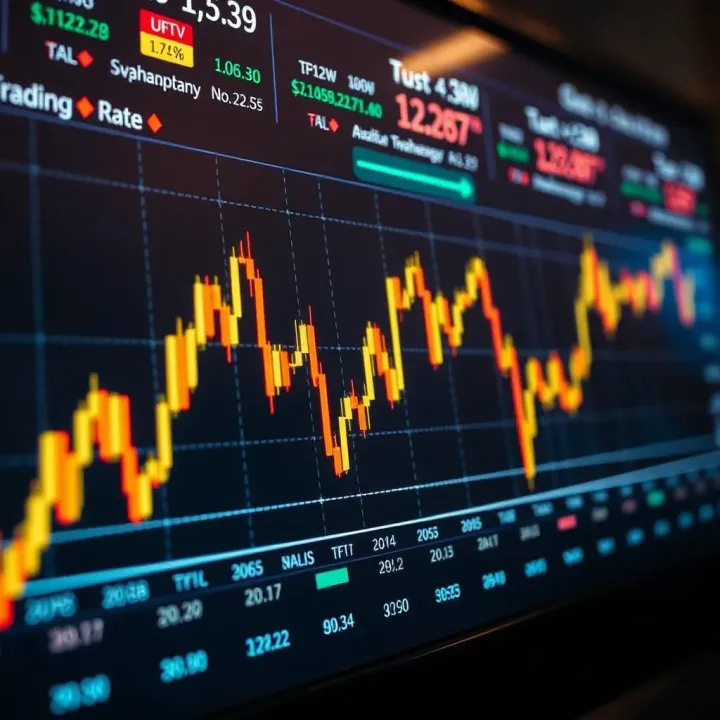
Charts come in different formats, each offering unique insights. The main types traders use are line charts, bar charts, and candlestick charts. Line charts connect closing prices over a period, giving a straightforward view of direction. Bar and candlestick charts, on the other hand, show more detail like opening, closing, highs, and lows — crucial for spotting market mood swings.

Indicators and patterns add another layer of information. For example, moving averages smooth out price action to highlight trends, which is particularly handy during Eskom loadshedding when markets react unexpectedly. Meanwhile, patterns such as head and shoulders or double tops can hint at reversals. Knowing how to read these helps you anticipate shifts before they happen.
Successful forex trading isn’t about guessing; it’s about understanding price action and context — charts bring this to your fingertips.
When trading locally, keep in mind South Africa’s market hours and economic calendar. Events like SARB interest rate decisions or political developments can trigger volatility visible through sharp chart moves. Use your charts in real time alongside news updates to stay ahead.
This guide breaks down these essentials for South African traders. Through clear explanations and examples, you'll gain the confidence to interpret charts effectively. Whether you’re a beginner or sharpening your skills, learning to read forex charts is a step towards better trades and smarter strategy.
Forex trading charts form the backbone of analysing price movements and making informed trading decisions. They display how currency values change over time, providing traders with the essential data to spot trends, reversals, and opportunities. Understanding these fundamentals equips traders—be it day traders or longer-term investors—with the tools to navigate the forex market more confidently.
Forex charts plot currency pair prices against time, showing how exchange rates fluctuate. For instance, the ZAR/USD chart might reveal shifts that track local economic announcements or global risk sentiment changes. Traders use this visual history to identify patterns like highs, lows, and consolidation phases, which are crucial for timing entry and exit points. It’s like having a snapshot of market sentiment across different moments, forming a story from the numbers.
Charts come in various timeframes, from one-minute ticks to monthly views. Shorter timeframes, such as 5-minute or 15-minute charts, suit active traders wanting to catch quick movements, whereas daily and weekly charts fit those with longer horizons. Choosing the right timeframe depends on your trading style: scalpers focus on minutes, while swing traders look at daily patterns. This variety enables traders to zoom in or out, matching their analysis with specific strategies and goals.
Reliable forex platforms like MetaTrader, TradingView, or local brokers often provide downloadable chart PDFs. These sources allow traders to save snapshots for offline study or share setups with peers. For South African traders, some brokers tailor charts to include local economic indicators, offering an extra edge. Physical copies help when connectivity drops or for deliberate review sessions ahead of market open.
PDFs offer a stable format free from sudden market updates, making them perfect for analysis and education. They allow you to highlight, annotate, and revisit key levels without distraction. Keeping an organised folder of chart PDFs helps build a personalised library of setups and patterns you’ve tracked over time. Integrating this with live charts ensures you compare historical behaviour with current action, improving your confidence in reading the market.
Consistent study of forex charts, especially through saved PDF references, sharpens your market insight and aids in spotting profitable trends early. This habit is particularly useful when grappling with volatile periods or learning new chart patterns.
In sum, grasping the basics of what forex charts show, why timeframes matter, and how to use PDF charts are foundational steps. These tools not only demystify market dynamics but also empower traders to engage the forex market with greater precision and clarity.
Understanding the different types of forex trading charts is essential for any trader aiming to read the market accurately. Each chart type displays price information differently, catering to diverse trading styles and preferences. For example, a day trader might favour quick, clear visuals like candlestick charts, while a longer-term investor might opt for line charts to spot overall trends. Recognising the strengths and limitations of each chart type helps you pick the best tool for your strategy.

Line charts provide a straightforward view of currency price movements by connecting closing prices over a specified period. Because of their simplicity, they are excellent for spotting broad trends without getting bogged down by intraday price swings. Imagine you’re tracking the ZAR/USD exchange over a month; a line chart gives a clean visual of how the rate has shifted day by day.
However, line charts don’t show important details like opening prices, high or low points during the day. This omission means you might miss crucial price volatility signals that other charts capture. For traders wanting to understand market momentum or reversals, line charts can feel too basic, especially when trading on shorter timeframes where price fluctuations matter more.
Bar charts break down price action into four components: open, high, low, and close (OHLC). Each vertical bar represents a trading period with a line on the left showing the opening price and a line on the right for the closing price. The vertical length of the bar illustrates the price range. This detailed view helps traders see the full story of a day’s trading activity.
For example, a bar where the close price is higher than the open shows buying pressure, while the opposite suggests selling. By reading these bars over time, traders can detect possible trend shifts or confirm strength in movement. Consider the EUR/ZAR exchange — spotting higher closes amidst rising bars can hint at a bullish phase, guiding decisions to buy or hold.
Candlestick charts offer a more vivid picture by using colour-coded bodies to show open and close prices, with wicks indicating highs and lows. This makes it easier to glance at a chart and instantly interpret market sentiment. The clear visual separation helps many traders identify buying or selling momentum quickly.
Classic formations like the ‘hammer’, ‘doji’, or ‘engulfing’ patterns give traders clues about potential reversals or trend continuations. For instance, spotting a hammer after a downtrend in the GBP/ZAR pair may indicate buyers stepping in, signalling a possible price rebound. Understanding these patterns adds a layer of nuance to your trading decisions that simpler charts can’t provide.
Choosing the right chart depends on your trading style and the level of detail you need. Combining the clarity of line charts, the depth of bar charts, and the actionable visuals of candlesticks can strengthen your market reading skills significantly.
Indicators and chart patterns are fundamental tools that reveal market behaviour beyond simple price movements. They help traders identify potential entry and exit points, assess momentum, and anticipate trend shifts. For South African traders dealing with volatile currencies like the rand (ZAR), understanding these tools can make a tangible difference between locking in a profit or catching a loss.
Moving averages smooth out price data to highlight trends over specific periods. By averaging prices, they filter out short-term noise, making it easier to see the market's direction. For instance, a 50-day moving average shows the average price over the past 50 days, giving a medium-term trend perspective. Traders often look at crossovers between shorter and longer moving averages to spot trend changes—for example, when the 20-day moving average crosses above the 50-day, it could signal the start of an upswing.
Relative Strength Index (RSI) measures the speed and change of price movements to identify overbought or oversold conditions. Its scale runs from 0 to 100, with readings above 70 indicating possible overbought conditions and below 30 hinting at oversold setups. When the RSI hits extremes, it can suggest a reversal is near—helpful when watching pairs like USD/ZAR during sharp moves. Yet, RSI can stay elevated or depressed during strong trends, so traders combine it with other tools to avoid premature decisions.
Bollinger Bands consist of a moving average accompanied by upper and lower bands calculated by standard deviations. They define a price range that often contains most trading activity. When price breaks above or below the bands, it hints at increased volatility and possible trend shifts. Using Bollinger Bands can guide traders on the rand’s swings, especially during turbulent economic news where price tends to stretch beyond its usual bounds.
Head and shoulders is a reversal pattern marked by three peaks: a higher middle peak (the head) flanked by two lower peaks (the shoulders). This formation signals a likely change from an uptrend to a downtrend. When the price breaks below the 'neckline' connecting the troughs between peaks, it often confirms the reversal. Traders find this pattern useful in timing exits, for example, when the rand begins to weaken against the euro.
Double tops and bottoms represent market exhaustion zones. A double top shows two failed attempts to break a resistance level, signalling a potential drop, while a double bottom indicates two failed dips, hinting at a rise. Spotting these on charts can prevent chasing failing trends and help lock in profits early.
Triangles and flags are consolidation patterns where price tightens into a narrower range, usually before a strong breakout. Triangles can be ascending, descending, or symmetrical, each suggesting different directions. Flags are short-term pauses resembling small rectangles or parallelograms slanting against the prevailing trend. Recognising these setups helps traders anticipate momentum bursts, a handy skill during rand volatility linked to local political developments or global commodity shifts.
Mastering indicators and patterns takes practice, but using them alongside fundamentals sharpens decision-making. Keep your charts updated, test what works on historical data, and always manage risk carefully.
This knowledge, when applied with live trading platforms or referenced in PDFs, equips South African traders with practical ways to navigate the tricky forex waters confidently.
Forex trading charts can look overwhelming at first glance, but knowing how to use them practically can make a big difference in your trading outcomes. This section focuses on hands-on advice that helps you pick the right types of charts, set suitable timeframes, and effectively organise resources, especially PDFs, as ongoing references.
Your trading style largely dictates which chart type fits best. For instance, day traders or scalpers who rely on quick, short-lived price movements might favour candlestick charts because they reveal details like opening and closing prices clearly and instantly. On the other hand, swing traders or investors with a longer horizon may prefer line charts for a simpler view of overall trends without too much noise. Understanding this match can save you time and avoid confusion when evaluating potential trades.
While detailed charts show all the highs, lows, opens, and closes, sometimes too much information can cloud judgment. If you’re new to forex or focusing on big-picture moves, simpler line charts can keep analysis straightforward. But if you aim to spot nuanced entry points or reversal signals, candlesticks or bar charts offer the depth you need. Striking the right balance helps prevent analysis paralysis and keeps your decision-making sharp.
Traders aiming for quick profits, say within minutes or hours, need short-term charts like 1-minute or 15-minute intervals to track rapid price changes. Conversely, long-term investors look at daily, weekly, or even monthly charts to understand broader trends. These perspectives influence not only how you monitor price action but how often you adjust your trades.
Choosing an inappropriate timeframe can lead to bad trade decisions. For example, relying on a 5-minute chart when your goal is to hold positions for weeks may cause you to overreact to minor price fluctuations. Similarly, a long-term chart won’t capture short blips that scalpers live on. So, setting your chart's timeframe in line with your trading goals ensures you act on relevant information and manage risks better.
Keeping a well-organised library of forex chart PDFs makes it easier to revisit patterns or indicators you’ve studied. Categorise PDFs by chart type or timeframe, and regularly update them to include fresh market data or new strategies. This good habit helps create your personal forex manual which you can reference anywhere, whether offline or online.
Even though PDFs are static, you can use them alongside live trading platforms like MetaTrader or TradingView for comparison. For example, study a candlestick pattern in a PDF, then watch how it plays out in real-time on your platform. This hands-on approach sharpens your ability to translate theory into practice, making charts more than just images but tools for real trades.
Practical use of forex charts is about matching tools to your style, staying organized, and combining learning resources with live data. This thoughtful approach leads to smarter trading, especially in fluctuating markets like those faced by South African traders.
📈 Discover forex trading sessions and their timeframes to spot the best trading zones. Get practical tips and downloadable PDFs to boost your strategy.

📉 Learn how forex trading signals work, types of signals, tips to evaluate them, and avoid common pitfalls for smarter trading decisions in the forex market.

Explore gold forex trading in South Africa with tips on strategies, price drivers, benefits, and risk management for smarter investments. 💰📈
📈 Learn the fundamentals of forex trading with this in-depth guide covering market operations, key concepts, strategies, risk management, and essential tools.
Based on 15 reviews