

Understanding Forex Trading Sessions
📈 Discover forex trading sessions and their timeframes to spot the best trading zones. Get practical tips and downloadable PDFs to boost your strategy.
Edited By
Sophie L. Green
Forex trading, also known as foreign exchange trading, is the act of buying one currency while simultaneously selling another. It's the largest financial market worldwide, with a daily turnover exceeding $6 trillion. Unlike stock markets, forex operates round the clock during weekdays, making it accessible for traders from Cape Town to Johannesburg and beyond.
Currencies are always traded in pairs, like the US dollar against the South African rand (USD/ZAR). The exchange rate between the two reflects their relative value at any given moment. For example, if the USD/ZAR rate moves from 14.50 to 14.55, it means the rand weakened slightly against the dollar.
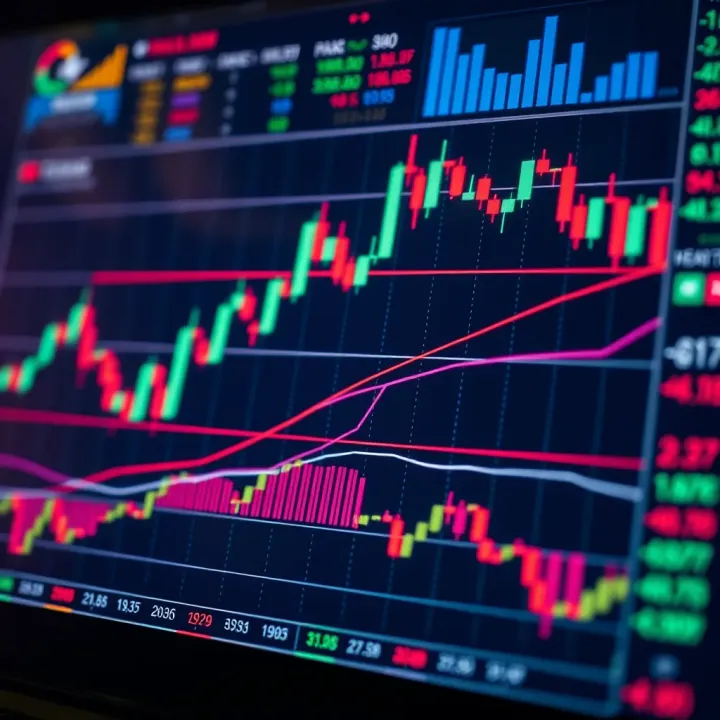
Successful forex trading depends on understanding what influences currency prices. Factors include interest rate changes by central banks, political events, economic data releases, and market sentiment. For South African traders, local developments such as SARB monetary policy decisions, Eskom loadshedding impacts, or shifts in trade balances also play a significant role.
Unlike other markets, forex trading doesn’t happen at a central exchange. Instead, it's a decentralised network of banks, brokers, and traders connected electronically. This allows for high liquidity and tight spreads, especially in major currency pairs.
A few practical points to keep in mind:
Forex market hours run from Sunday evening SAST to Friday evening SAST, with the busiest trading occurring during the London and New York sessions.
Trading platforms like MetaTrader 4, MetaTrader 5, and local providers enable access. Many brokers also offer mobile apps for on-the-go trading.
Leverage is a double-edged sword. While it magnifies profits, it also increases risk. South African regulators limit leverage to protect traders, so familiarising yourself with margin requirements is key.
Whether you’re evaluating USD/ZAR trends or trading other currency pairs, having a solid grasp of market dynamics and a clear strategy helps navigate forex’s ups and downs. This guide will take you through the essentials, giving you tools to better understand and participate in the forex market right here in Mzansi.
Understanding forex trading is fundamental for anyone looking to navigate the currency markets effectively. Forex trading involves buying one currency while selling another simultaneously. This interplay is the lifeblood of global trade and finance, allowing businesses and investors to manage risk, speculate, or transfer funds across borders.
Forex trading primarily occurs in the spot market, where currencies are exchanged for immediate delivery, usually settling within two business days. This market reflects real-time demand and supply and determines the exchange rates applied in everyday transactions, like when a South African imports goods from Europe and pays in euros.
Alternatively, the derivatives market offers instruments such as futures, options, and contracts for difference (CFDs) based on currency prices but without immediate physical exchange. These tools enable traders to hedge or speculate without holding the actual currency, which can be handy for managing exchange risk or taking advantage of price changes with limited capital.
Currency pairs in forex trade fall into three categories. Major pairs, like USD/ZAR or EUR/USD, involve the world’s most liquid currencies and usually have tighter spreads, making them cost-effective to trade. Minors exclude the US dollar but include strong economies, such as EUR/GBP or AUD/NZD. Exotic pairs combine a major currency with one from a smaller or emerging economy, like USD/TRY (Turkish lira) or USD/ZAR (South African rand). These pairs tend to have higher volatility and wider spreads, so they carry more risk but can offer greater profit potential for experienced traders.
Unlike shares traded on the JSE, the forex market has no central exchange or physical location. It operates as a global, decentralised network connecting banks, brokers, corporations, and individual traders 24/5. This means trading can happen anytime during the week, crossing time zones. For South African traders, this setup offers flexibility but also demands awareness of different market sessions and their respective liquidity and volatility.
At the top of the forex market pyramid are big banks executing massive currency trades, often on behalf of clients or for their books. These banks act as liquidity providers, setting prices and spreads. Brokers act as intermediaries, connecting retail traders with the broader market. They facilitate access but differ in terms of fees, platforms, and regulatory oversight.
Traders — including individuals, hedge funds, and corporations — operate on both short and long-term strategies. Their combined activity drives the continual price shifts, creating opportunities and risks. Understanding each player’s role helps traders interpret market moves and choose suitable execution methods.
Forex trading hinges on grasping both the technical mechanisms and the practical landscape, including market types, currency dynamics, and participants. This foundation sets you up to make informed decisions and navigate the specialised environment confidently.
This section details forex trading basics and market structure, essential for anyone aiming to trade currencies successfully, especially within the South African context where local factors and global interconnections meet.
Understanding the foundational concepts of forex trading is essential for anyone serious about navigating currency markets effectively. Mastering terms like pips, lots, leverage, bid, ask, and spread will equip you to interpret quotes properly, manage risk, and execute trades with confidence.
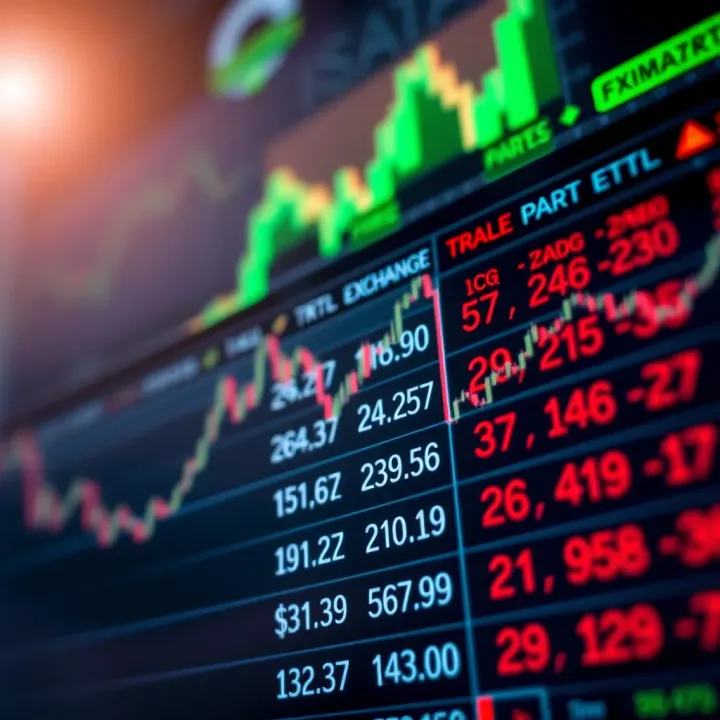
What is a pip and why it matters
A pip (percentage in point) is the smallest price move that a currency pair can make, usually the fourth decimal place in most pairs, such as EUR/USD moving from 1.1450 to 1.1451. For South African traders, pips are the basic unit to measure profits or losses in forex trades. Even a small move of ten pips can turn into a valuable gain or loss, depending on your position size.
Standard, mini, and micro lots
Trading volumes in forex are measured in lots. A standard lot equals 100,000 units of the base currency, a mini lot is 10,000 units, and a micro lot is 1,000 units. If you start with limited capital, trading micro or mini lots can help you manage risk better while still benefiting from price movements. For example, buying one micro lot of USD/ZAR means controlling 1,000 US dollars in the market, which is much more manageable.
Using leverage safely
Leverage lets traders control larger positions with a smaller amount of capital, magnifying both potential profit and risk. For instance, if your broker offers 1:100 leverage, a R1,000 deposit lets you control R100,000 in currency. While leverage can boost returns, it also increases losses, so South African traders should use it carefully, matching it with proper risk management and stop-loss orders.
How prices are quoted
In forex, prices are always quoted in pairs, displaying a bid and ask price. The bid price is what buyers pay for a currency, while the ask price is what sellers accept. The difference between these two—the spread—is crucial. For example, if the bid for GBP/USD is 1.3000 and the ask is 1.3003, the spread is 3 pips.
Impact of the spread on trading costs
The spread effectively acts as a trading cost. A wider spread means you pay more to enter a trade and need the price to move further to break even. Brokers sometimes vary spreads depending on market volatility or liquidity. Traders in South Africa should watch spreads closely, especially during less active hours or when unusual market events unfold because they can seriously affect profitability.
Knowing these terms inside out allows you to make smarter trade decisions and better judge when and how to enter or exit the market. For South African traders, understanding local market conditions together with these forex basics will dramatically improve your trading edge.
Currency prices don’t just shift on a whim—they respond to a mix of economic data, political developments, and market sentiment. For anyone trading forex, understanding these factors helps make better predictions and manage risk more effectively. Let’s explore the key influences that sway currency movements.
Interest rates are a major driver of currency strength. When a country’s central bank raises interest rates, it usually attracts foreign investors seeking higher returns, pushing its currency value up. For example, if the South African Reserve Bank (SARB) hikes rates while other central banks hold steady, the rand tends to strengthen as global capital flows into South Africa. Conversely, high inflation often leads to depreciation because it erodes purchasing power and may prompt rate cuts.
Inflation and interest rates work hand in hand. Rising inflation without corresponding rate hikes usually weakens a currency. Traders watch these indicators closely because unexpected moves in inflation or central bank signals can cause sudden volatility. For South African traders, keeping an eye on SARB's monetary policy decisions is crucial—especially in times of global uncertainty or domestic economic changes.
Employment numbers offer insight into economic health and future growth. Strong job growth signals a robust economy, likely boosting the currency. South Africa’s quarterly labour force survey and unemployment data often influence rand movements. For instance, an unexpected drop in unemployment could prompt traders to buy the rand, anticipating higher interest rates or economic stability.
Gross Domestic Product (GDP) is another key measure. It shows overall economic growth and directly influences market confidence. When South Africa reports better-than-expected GDP growth, it often supports the rand, as investors see solid economic fundamentals. On the flip side, disappointing GDP growth tends to weigh on the currency. Monitoring these reports helps traders anticipate market reactions and adjust positions accordingly.
Political stability matters in forex. Elections, policy shifts, and geopolitical tensions can shake currencies. For South Africa, general elections or changes in government economic policies often trigger rand volatility. For example, markets reacted closely to the 2019 elections, pricing in potential shifts in economic policy and governance.
Geopolitical risks—like tensions in neighbouring countries or global conflicts—also influence currencies broadly. Traders generally seek safety in stable currencies during times of uncertainty, which can weaken riskier currencies like the rand. Staying updated on political news is essential for timing trades and managing exposure.
Market sentiment is the collective mood of traders. Fear, greed, and herd behaviour can push currencies beyond what fundamentals justify. For instance, when traders panic during global turmoil, they might rush to sell emerging market currencies, including the rand, intensifying downward pressure. On the other hand, optimism or 'risk-on' moods often draw capital back into higher-yielding currencies.
This psychology effect means that sometimes prices move on rumours or emotions before data even come out. Experienced traders factor this in by watching volume, news flow, and sentiment indicators. Understanding how psychology drives sudden shifts can help avoid costly mistakes and spot opportunities in the forex market.
Knowing what moves currencies isn’t about predicting the future perfectly but recognising the main forces at work. Economic data, political events, and how traders feel shape currency trends constantly. Keeping tabs on these helps you trade smarter, especially in South Africa’s dynamic environment.
For South African traders, understanding the local nuances of forex trading is key to navigating this global market effectively. Given the country’s unique regulatory environment, time zone, and market access, traders benefit from tailored information on where to trade, when to trade, and how to protect their investments.
South African traders should prioritise brokers regulated by the Financial Sector Conduct Authority (FSCA). This ensures brokers adhere to strict standards protecting your funds and promoting fair trading practices. Unlike unregulated overseas brokers, FSCA-licensed platforms offer a layer of legal recourse and require client money to be held in segregated accounts. This separation means your funds won’t be tangled up even if the broker runs into financial trouble.
Practically, this means you can trade with greater peace of mind knowing your capital isn’t at undue risk. It also reduces chances of fraud or unethical behaviour, which unfortunately crop up more often in unregulated or offshore platforms.
South African traders commonly use platforms like MetaTrader 4 and 5 (MT4/MT5), cTrader, and proprietary apps from brokers such as IG, Plus500, and HotForex. MT4 and MT5 remain favourites due to their user-friendly interface, extensive charting tools, and automated trading options. Brokers offering these platforms usually provide support tailored to local traders, including deposits via EFT and rands trading accounts.
Choosing a platform that fits your trading style matters. For instance, if you’re keen on algorithmic trading or backtesting, MT5 might suit you better than simpler apps. Meanwhile, brokers with mobile-friendly apps help you stay connected when on the move, essential during busy workdays or commutes.
South Africa lies between the GMT+2 time zone, overlapping with London’s market hours (8 am to 5 pm SAST) and the early Asian session. The London session is the most liquid and volatile, offering ample trading opportunities with tighter spreads. Traders planning to trade during these hours can find good price movement around major pairs like EUR/USD, GBP/USD, and USD/ZAR.
The New York session (3 pm to 12 am SAST) also matters, especially when it overlaps with London for a few hours. This period often brings sharp market moves driven by U.S. economic news and data releases.
Liquidity directly influences how easily you can enter or exit trades without slippage or poor pricing. During high liquidity periods—such as the London-New York overlap—spreads typically tighten, meaning you pay less in trading costs. Less liquidity, like during the late Asian session or weekends, can lead to erratic price swings and wider spreads.
For example, try selling USD/ZAR late on Sundays; you might suffer from tricky execution or sudden price jumps. Wise South African traders adjust their strategies around these liquidity windows to reduce risk and cost.
Understanding and aligning with these market hours ensures you catch the best moves without paying unnecessary fees or dealing with unreliable pricing.
By focusing on regulated brokers, localised platforms, and optimal trading hours, South Africans can step into forex trading with confidence and structure.
Understanding basic trading strategies and sound risk management is vital for anyone starting in forex. These foundations help shield your capital and improve chances of consistent profits, especially when the market feels unpredictable. Starting out on solid ground avoids costly blunders and builds confidence, making your trading journey steadier and less daunting.
A good starting point is trend following combined with the concepts of support and resistance. Trend following means identifying whether a currency pair is generally moving up or down and trading in that direction. For example, if the ZAR/USD pair shows steady rise over several days, you’d look for opportunities to buy rather than sell. Support and resistance levels are key price points where buying or selling pressures typically step in. Think of support as the floor holding the price up, and resistance as the ceiling pushing the price down. Spotting these helps you decide when to enter or exit trades, giving your moves a bit more structure instead of guessing blindly.
Using stop-loss and take-profit orders are practical ways to lock in gains and limit losses. A stop-loss order automatically closes your trade if the price moves against you by a set amount, protecting your bankroll from heavy losses. For instance, if you buy EUR/ZAR at 17 and place a stop-loss at 16.50, the trade will exit if the rate drops to that level, preventing further decline. Conversely, a take-profit order closes the trade once it hits a target profit level, so you don’t miss out if the market reverses abruptly. These orders relieve you from constantly watching the screen and keep emotions in check.
Setting realistic goals keeps your expectations grounded. Currency trading isn’t a quick route to riches; it’s about steady progress. Rather than aiming for massive returns each session, aim at modest percentage gains, say 1-2%. For example, if you have R10,000, expecting to double it in a week often leads to poor choices. Remember, consistent smaller wins build lasting success more reliably than chasing big jackpots.
Beware of overtrading and trading driven by emotions. Overtrading happens when you take too many positions or trade with oversized lots trying to recover losses or grab fast profits—this usually leads to bigger losses. Emotional trading, triggered by fear or greed when the market moves unexpectedly, often leads to impulsive decisions like closing a winning trade too early or holding onto losses hoping they’ll turn. Stick to your trading plan and let the strategies and risk limits guide you. In forex, patience and discipline pay off more than hasty moves.
Starting with simple strategies and proper risk management doesn't just conserve your trading capital—it lays the groundwork for growth and learning. Keeping your goals realistic and sticking to a plan helps tame the rollercoaster nature of forex trading.
By focusing on these basics, you develop a framework that helps navigate the currency market sensibly. This approach fits local traders who face unique challenges like Rands volatility and occasional liquidity swings during off-hours. Begin with manageable steps, practice regularly, and learn from each trade while keeping risk firmly in check.
📈 Discover forex trading sessions and their timeframes to spot the best trading zones. Get practical tips and downloadable PDFs to boost your strategy.
📉 Learn how forex trading signals work, types of signals, tips to evaluate them, and avoid common pitfalls for smarter trading decisions in the forex market.
Explore gold forex trading in South Africa with tips on strategies, price drivers, benefits, and risk management for smarter investments. 💰📈
📈 Learn the fundamentals of forex trading with this in-depth guide covering market operations, key concepts, strategies, risk management, and essential tools.
Based on 7 reviews