

Understanding Global Forex Trading Basics
Explore how global forex trading works 🌍, key players, market hours ⏰, currency price factors 💸, risks ⚠️, strategies 📈, and regulations 🇿🇦 tailored for South African traders.
Edited By
Amelia N. Foster
Forex trading indicators are essential tools that help traders make sense of an often volatile currency market. They provide useful signals about price movements, market trends, and potential entry or exit points. For traders in South Africa and beyond, mastering these indicators can be the difference between making well-informed trades and taking unnecessary risks.
Unlike simply guessing market directions, indicators offer a way to read patterns from currency price data or economic reports. They fall into two main categories: technical indicators, which focus on historical price and volume data, and fundamental indicators, which use economic factors like interest rates and GDP growth.
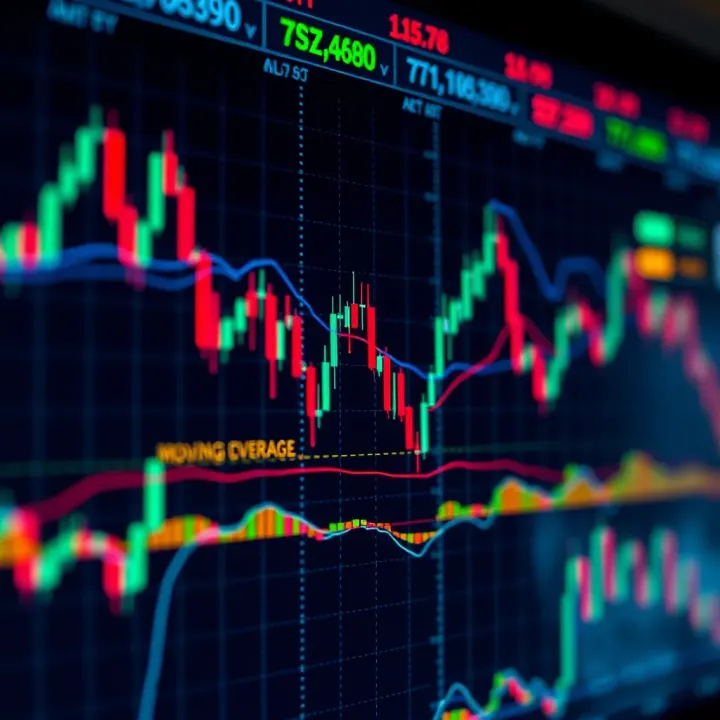
For example, the Moving Average (MA) is a straightforward technical indicator many local traders use to smooth out price fluctuations and spot a trend. On the other hand, fundamental traders might watch the Reserve Bank’s interest rate decisions as a key indicator of currency strength.
Indicators don't predict the future but highlight probabilities, providing traders with a toolkit to manage risks better and spot opportunities.
Some popular technical indicators you’ll encounter include Relative Strength Index (RSI), Bollinger Bands, and Fibonacci Retracement. These indicators signal overbought or oversold conditions, volatility levels, or price retracement zones. Using them in combination often improves accuracy.
It’s also important to recognise the pitfalls. Over-relying on multiple indicators without understanding their logic can clutter the charts and cause confusion. Plus, no indicator is perfect; false signals happen, especially in choppy markets affected by sudden geopolitical or economic news.
Successful traders often customise their use of indicators to suit their own strategies and risk tolerance. For instance, a swing trader might favour momentum indicators on a daily chart, while a day trader looks for short-term signals on 15-minute charts.
This article will break down the most common forex trading indicators, revealing how they work and how to use them effectively. You’ll gain practical tips and examples relevant to South African market conditions to sharpen your trading edge.
Forex trading indicators are tools that help traders make sense of the often chaotic movements in currency markets. They analyse price, volume, or economic data to give signals about possible trends or reversals. Instead of relying purely on gut feeling, indicators provide a more systematic way to approach trading decisions.
Indicators play a key role in forex trading by translating complex market information into understandable patterns or signals. Think of them as gauges on a vehicle dashboard—each indicator tells you something about the market's current state or direction. For instance, the Moving Average helps smooth out price data to identify the overall trend, which can prevent you from getting caught in short-term noise.
There are two main types: technical and fundamental indicators. Technical indicators focus solely on past price movements and market statistics like volume or momentum. They help predict where prices might move next by analysing historical patterns. Fundamental indicators, on the other hand, examine economic factors such as interest rates, employment numbers, or political events, which influence currency values over longer terms.
Technical indicators are often preferred by traders wanting quick, actionable insights. They include tools like the Relative Strength Index (RSI) or Bollinger Bands, which analyse price action to suggest when a currency might be overbought or oversold.
In contrast, fundamental indicators assess the underlying health of an economy or the political climate impacting it. For example, a surprise change in South Africa's interest rate by the South African Reserve Bank (SARB) can cause the rand to strengthen or weaken. Combining both types gives a fuller picture for strategic decision-making.
Indicators use price, trading volume, and momentum to reveal market conditions that aren't obvious at first glance. Price data shows the actual exchange rates; volume indicates the market’s enthusiasm; momentum tells us how strongly prices are moving in a given direction. Together, these give clues about the strength or weakness of a trend.
For example, if the rand is rising steadily but volume is low, it might be a weak rally easily reversed by market events. A surge in volume alongside price increases usually signals a stronger move.
Most indicators rely on historical data to suggest future price action. They examine patterns like repeated peaks, troughs, or average price levels over specific time frames. For instance, a Simple Moving Average (SMA) calculated over 20 days shows how the price has moved on average, helping traders spot potential support or resistance levels.
While history doesn’t always repeat perfectly, it often rhymes. Traders keep an eye on these recurring patterns to anticipate likely shifts and plan entries or exits accordingly.
Successful forex trading blends understanding what indicators show about past and present market data with awareness of economic developments impacting currency moves.
By grasping how indicators work and what they reveal, you build a toolkit to make smarter, more informed currency trades rather than simply guessing the market’s next move.
Technical indicators form the backbone of many forex trading strategies. These tools help traders spot trends, gauge momentum, and understand volatility, making market decisions more informed. In a market as fast-moving as forex, knowing the key indicators can be the difference between timing a buy or sell too early or too late.
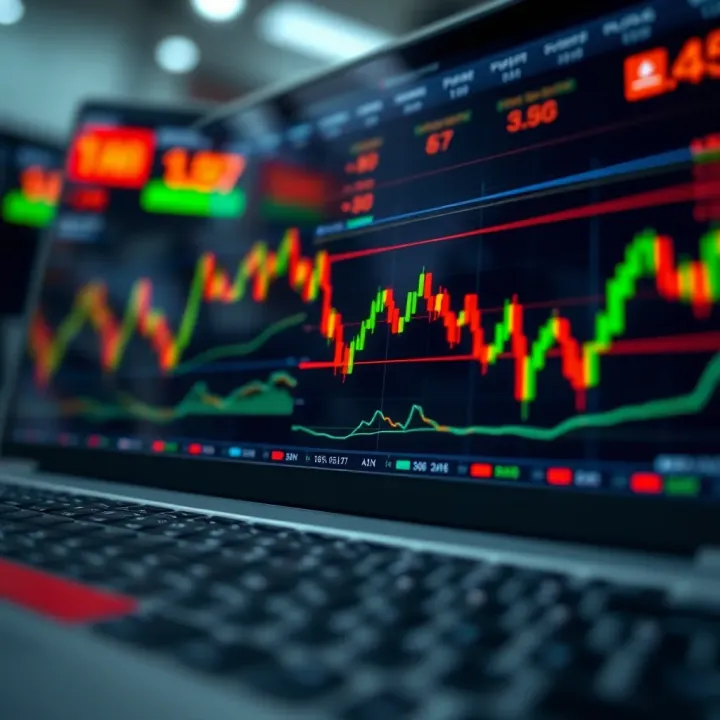
The SMA calculates the average price of a currency pair over a set period by adding the closing prices and dividing by the number of periods. For instance, a 20-day SMA sums prices of the last 20 days and averages them. This smooths out price fluctuations, providing a clearer view of the trend. Traders use SMA mainly to identify support and resistance levels or confirm trend direction. When the price moves above the SMA, it might signal a potential upward trend, while dropping below could hint at a downturn.
Unlike the SMA, the EMA gives more weight to recent prices, reacting quicker to price changes. This makes EMA especially useful for short-term traders who want timely signals. For example, a 12-day EMA responds faster to recent price moves than a 20-day SMA. Many traders combine EMAs with SMAs to filter out noise and confirm signals. In volatile markets like forex, relying on EMA can help catch momentum shifts early but may also lead to more false alarms if used alone.
RSI measures how fast prices are moving up or down, typically on a scale from 0 to 100. Readings above 70 often indicate an overbought currency, suggesting the price might dip soon, while levels below 30 signal oversold conditions, hinting at a possible bounce. For example, if the USD/ZAR RSI climbs past 70, a trader might consider taking profits or preparing for a correction. RSI helps traders decide when a trend might be losing steam, making it a handy tool for timing entries and exits.
MACD tracks the relationship between two EMAs—usually 12-day and 26-day—to spot changes in momentum. When the shorter EMA crosses above the longer one, it generates a buy signal, and vice versa for a sell signal. Additionally, the MACD histogram shows the difference between these EMAs, helping traders gauge the strength of the move. For example, a positive MACD histogram rising alongside price suggests bullish momentum, which could encourage holding onto a position longer.
Bollinger Bands consist of a moving average with two bands placed above and below at standard deviations. These bands expand and contract with market volatility. When the bands squeeze tightly, it suggests low volatility and potential for a big move. Conversely, when prices hit the upper band, the currency may be overbought. For instance, in the Rand-dollar pair, wide bands during times of economic uncertainty show high volatility, signalling cautious trading.
ATR measures market volatility by averaging the range between daily highs and lows over a set period. Unlike indicators focused on price direction, ATR tells you how much a currency pair typically moves. A rising ATR often coincides with increased market uncertainty. Traders use this to set stop-loss orders that reflect current volatility, preventing premature exits during normal price swings. For example, during loadshedding scares affecting the rand, the ATR might spike, suggesting wider stops are prudent.
Understanding these technical indicators equips traders with clearer signals on when to join or exit trades. They’re not crystal balls but grounded tools that, when used wisely and combined with market context, improve the odds of success.
Each of the indicators discussed has its strengths and quirks. Using them in combination rather than isolation helps form a balanced, realistic view of the forex market.
Fundamental indicators provide a lens on the broader economic and political forces shaping currency values. Unlike technical indicators that focus on price patterns and trends, fundamental analysis looks at data like economic performance and policy decisions. For a trader, understanding these indicators offers a clearer picture of why currencies move the way they do, which can refine timing and risk management in forex trades.
Interest rates set by central banks, such as the South African Reserve Bank (SARB), directly influence a currency’s appeal. Higher interest rates often attract foreign capital looking for better returns, pushing the currency value higher. Conversely, rate cuts tend to weaken the currency as investors seek higher yields elsewhere. For example, when SARB adjusted rates during recent inflation surges, you could see immediate ripple effects on the rand’s exchange rate.
Central bank decisions also involve policy statements and forward guidance that signal future moves. Traders who interpret these cues accurately can anticipate shifts before they happen. So, paying attention to SARB’s Monetary Policy Committee meetings or other central banks’ decisions worldwide is key.
Inflation figures reveal how fast the cost of living rises, influencing purchasing power and interest rate expectations. Rising inflation often prompts central banks to raise rates, affecting currency strength. For instance, if South Africa reports higher-than-expected Consumer Price Index (CPI) numbers, traders might predict a SARB rate hike, boosting the rand.
Employment data, like the Quarterly Labour Force Survey, reflects economic health and consumer spending potential. High unemployment typically weighs on a currency as it signals economic weakness, while robust job growth supports currency appreciation. These stats help traders gauge economic momentum beyond price charts.
Elections and political choices can create uncertainty or confidence, impacting currency markets sharply. A change in government policies on trade, taxation, or governance can cause currency swings. For example, South Africa’s national elections often lead to rand volatility due to varying investor confidence in different administrations.
Beyond elections, political instability such as protests or leadership struggles can spook markets, leading to sudden capital flight. Traders watching these developments can hedge or adjust positions accordingly.
Foreign trade agreements, tariffs, and disputes directly affect currency supply and demand. When countries like China or the US announce trade deals or impose sanctions, currencies from emerging markets like South Africa can react strongly. For example, unexpected changes in commodity export policies or import tariffs affect the rand noticeably, given South Africa’s reliance on mining and agriculture.
Trade policies also influence investor sentiment around economic growth prospects. Staying informed about global trade news lets traders assess risks and opportunities beyond technical signals.
Fundamental indicators help bridge the gap between market price movements and the real-world events driving them. Keeping an eye on these factors alongside technical analysis builds a more complete trading approach.
Using forex trading indicators effectively can make the difference between spotting a good trade and falling into common traps. It’s not just about knowing which indicators to use but understanding how to combine and manage them in practical scenarios. This section shares advice on how to work smarter in the forex market by blending signals and safeguarding your trades.
Avoiding overreliance on one indicator is key because no single indicator tells the whole story. For example, relying purely on the Relative Strength Index (RSI) might alert you to overbought conditions, but it doesn't show you whether the wider trend supports a reversal. You might get a false signal — a buyer’s trap, so to speak. Traders often combine the RSI with a Moving Average to confirm if the market trend supports the RSI signal. This helps avoid jumping in too early or staying in a losing trade for too long.
Using multiple indicators reduces risk by filtering out noise. But beware of piling on too many tools—too much info can cloud judgement. Stick to three or four indicators that complement each other, such as a trend indicator, a momentum indicator, and a volatility measure. This mix helps balance insights and creates a clearer picture for decision-making.
Creating a balanced trading strategy means having clear rules for entry and exit signals that combine these indicators. For instance, you might decide to enter a trade only when both your moving averages suggest a trend and your MACD confirms momentum is picking up. On exit, an Average True Range (ATR) reading could guide your stop-loss placement by adjusting for current volatility.
This approach avoids chasing random spikes or riding false breakouts. Having a tested system, even a simple one, reduces emotional trading and reliance on hunches. It’s about steady, informed actions rather than guesswork in the busy forex market.
Understanding false signals is critical because every indicator can give misleading cues, especially in choppy or low-volume markets. For example, Bollinger Bands may indicate a breakout when prices briefly poke outside the bands, only to snap back shortly after. Interpreting such signals without context can result in losses. Recognising that no indicator is 100% reliable helps you stay cautious and check if other factors support the signal.
To handle false signals, use indicators in combination and watch for confirmation over multiple timeframes. A signal appearing only on one timeframe might be mere noise. Traders in South Africa, especially with variable market conditions influenced by global events, find this practice important to avoid whipsaw losses.
Setting stop-loss and take-profit limits protects your capital by defining the point at which you’ll cut losses or take gains. Indicators like the ATR help determine how far stop-losses should be set based on market volatility, rather than fixed pip distances. For instance, during high volatility periods, a wider stop-loss might be necessary to avoid premature exits.
Having these limits in place also disciplines your trading, shielding you from emotional reactions when the market moves against you temporarily. A trader using clear stop-loss and take-profit levels can stick to their strategy through the ups and downs, which improves long-term results.
Practical indicator use means combining signals wisely and managing risk proactively, not chasing every beep or blink they give. Your strategy must blend signals, controls, and patience on the forex field.
Using forex trading indicators without caution can trip up even experienced traders. Recognising common pitfalls helps you avoid needless losses and sharpen your trading edge. Here, we'll zero in on two major mistakes: overcomplicating analysis with too many indicators and ignoring the broader market context.
Adding excessive indicators to your charts may seem like clever double-checking, but it often leads to confusion rather than clarity. When the screen looks like a traffic jam of lines, oscillators, and bands, you might struggle to discern which signals matter most. If your trades keep getting delayed as you hesitate over conflicting signals, that's a classic sign of indicator overload.
Focus on a few well-understood indicators that complement each other rather than trying to use them all. For example, pairing a trend-following tool like the Moving Average with a momentum indicator such as RSI provides balanced insights without drowning you in data. Simplifying makes decisions faster and reduces emotional stress, which is crucial in a market as fast-moving as forex. Try sticking to two or three indicators max and know their limitations inside out before adding others.
Forex indicators rely on past price data and patterns, but real-world events often change the market’s rhythm abruptly. For instance, an indicator might signal a strong trend, yet a sudden political announcement or an unexpected interest rate change can flip market sentiment sideways or downwards. Relying solely on indicators risks missing these vital cues.
Remember, indicators show what the market did, not always what it will do next.
Following economic calendars, central bank statements, and geopolitical developments is essential. South African traders should keep an eye on SARB decisions and global factors like US Federal Reserve rate moves or geopolitical tensions that sway major currencies. Combining up-to-date news with indicator signals helps you avoid surprises and adapt your strategy quickly. Tools like financial news portals or economic event apps can keep you informed without overwhelming you.
Mastering forex trading indicators means not only understanding the tools themselves but also knowing their limits and the bigger picture. Avoid cluttering your charts and never forget to tune into the wider market forces shaping currency moves. That’s how you trade smarter, not just busier.
Explore how global forex trading works 🌍, key players, market hours ⏰, currency price factors 💸, risks ⚠️, strategies 📈, and regulations 🇿🇦 tailored for South African traders.
Explore forex trading systems in detail! Learn design, key indicators 📈, risk management ⚖️, backtesting, plus tips tailored for South African traders 🇿🇦.
📈 Discover forex trading sessions and their timeframes to spot the best trading zones. Get practical tips and downloadable PDFs to boost your strategy.
📉 Learn how forex trading signals work, types of signals, tips to evaluate them, and avoid common pitfalls for smarter trading decisions in the forex market.
Based on 13 reviews