
Understanding Risk Management Functions
Explore how risk management ⚖️ helps South African businesses identify, assess & control threats, ensuring decisions, compliance & continuity remain strong.
Edited By
Sophia Bennett
Risk management involves spotting, evaluating, and controlling risks that might disrupt an organisation’s goals. In the South African business and public sectors, this process shapes decision-making and protects assets against uncertain events such as fluctuating exchange rates, load shedding interruptions, or regulatory shifts.
Defining risk helps clarify the task. At its core, risk is the chance that something unexpected causes harm or loss. For example, a retail store in Gauteng might face risks from supply chain delays tied to transport strikes, while a financial analyst in Cape Town contends with market volatility influenced by local and global trends.
Effective risk management isn’t about avoiding risks altogether but about understanding which ones matter most and then acting to reduce their impact.
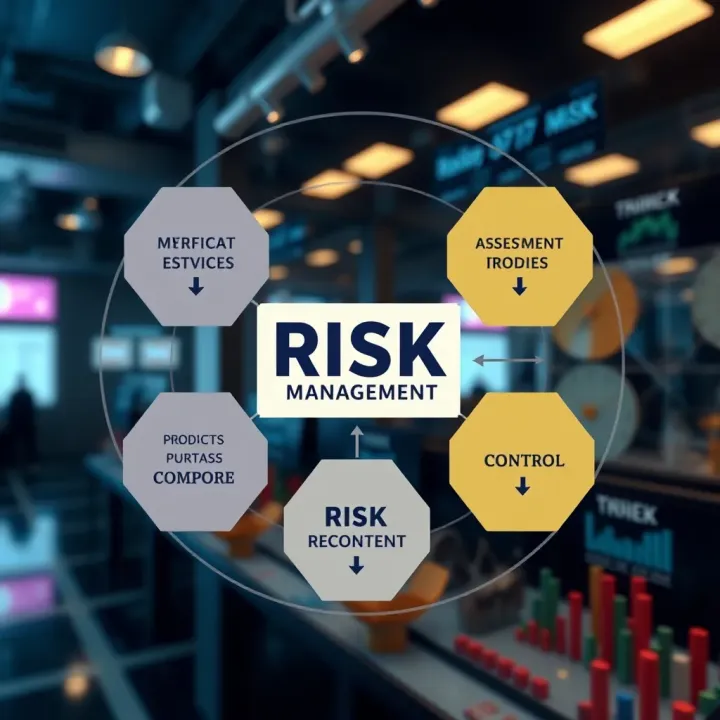
The main steps in risk management typically include:
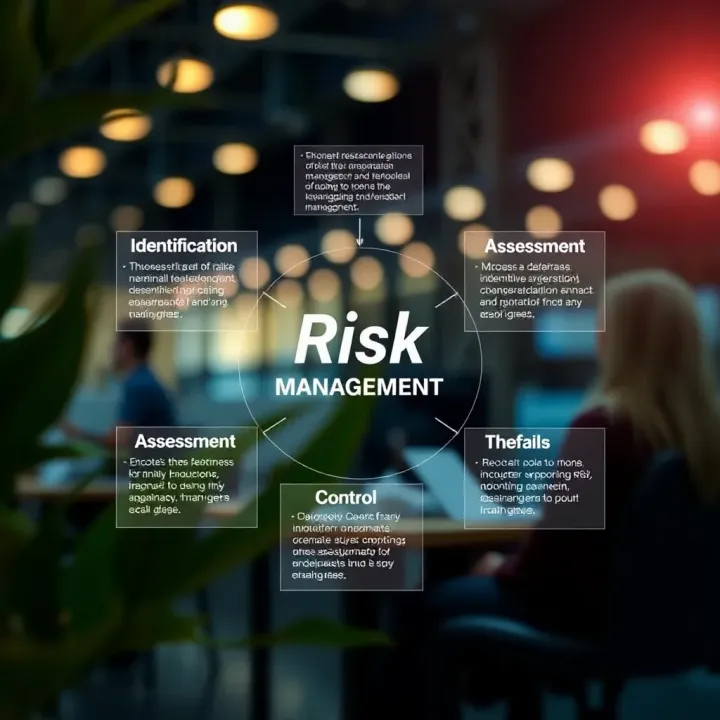
Identification: Pinpointing potential risks from operational, financial, or environmental sources.
Assessment: Measuring the likelihood and severity of each risk.
Response: Deciding how to handle the risk (avoid, reduce, transfer, or accept).
Monitoring: Keeping an eye on risks over time and adjusting the approach as conditions change.
In South Africa’s context, risk management carries specific challenges. For instance, businesses must prepare for load shedding schedules announced by Eskom that hit operations unexpectedly. Likewise, compliance with the Protection of Personal Information Act (POPIA) introduces legal risks if data isn’t handled correctly.
For traders and investors, risk management means using strategies such as portfolio diversification or hedging against currency swings, especially given the rand’s volatility. Analysts and brokers must assess financial risks while consultants often help firms build frameworks suited to these unpredictable environments.
Ultimately, organisations that embrace a risk-aware culture encourage employees from all levels to report concerns and actively engage in managing risks. This approach transforms risk from a liability into a strategic advantage.
Understanding the definition and key concepts of risk management lays the foundation for practical application — whether you’re navigating the JSE, advising clients, or steering a company through South Africa’s unique risk environment.
Risk management is more than just a buzzword in business jargon; it’s a practical tool that helps organisations spot threats and reduce their impact. In South Africa’s dynamic market, where factors like exchange rate swings, load-shedding, and policy shifts can create uncertainty, managing risk is vital for staying afloat and thriving. Traders, investors, and analysts rely on risk management to make informed decisions rather than gambling blindly in volatile conditions.
Risk refers to the possibility of losing something valuable or facing unexpected challenges. It isn’t always about disasters; risks could be minor issues, like a delayed shipment, or significant threats, like a sudden drop in commodity prices. For example, a Johannesburg-based mining company might face operational risks if machinery breaks down during a critical production phase, while a forex trader could encounter market risk due to unpredictable currency fluctuations. Knowing the type and scale of risks allows businesses to prepare rather than panic.
The risk management process comprises several steps that together form a cycle of constant vigilance and action. First, organisations identify risks by examining all areas of their operation—financial, operational, legal, and strategic. Then they assess these risks to understand how likely they are and what damage they could cause. Once assessed, businesses decide how to respond: avoid, reduce, transfer, or accept the risk. Monitoring and reviewing keep the process alive, considering changes in the internal and external environment.
For instance, a retailer in Cape Town might forecast supply chain risks linked to port delays and impose stricter supplier controls. Meanwhile, an investment firm will monitor portfolio risks daily to adjust strategies as markets react to geopolitical news. This ongoing approach helps organisations turn risk management from a once-off task into a dynamic advantage.
Effective risk management isn’t about eliminating risk altogether—it's about understanding and controlling it so your decisions carry fewer unpleasant surprises.
By keeping tabs on risks and having a plan ready, companies in South Africa can safeguard their resources and seize opportunities with more confidence and clarity.
Understanding the core principles of risk management is essential for traders, investors, analysts, brokers, and consultants aiming to shield their operations and decisions from potential setbacks. These principles form the backbone of a process that doesn't just spot trouble but equips you to handle it effectively.
Identifying risks is the cornerstone of any risk management strategy. Here, the goal is to pinpoint potential threats that might impact your investments, trading positions, or business objectives. In the South African market, for instance, political instability, currency fluctuations of the rand, or shifts in commodity prices can carry significant risk. Once identified, evaluating risks gives them weight—assessing likelihood and impact. This allows prioritisation of threats. A system analyst may flag a cyber security breach as high impact and moderate likelihood, while a broker might assess exchange rate volatility by tracking real-time market data and recent economic announcements.
A practical approach includes creating a risk register which lists identified risks, their causes, and possible outcomes. This helps keep a clear view of what needs urgent attention and supports informed decision-making.
After assessing risks, the next step is crafting control measures to reduce or manage them. This could mean setting stop-loss orders to limit investment losses or diversifying portfolios to spread risk. For operational risks in a manufacturing business, controls might involve regular maintenance schedules or supplier audits to prevent disruptions.
Control measures come in various forms: avoidance (steering clear of certain investments), mitigation (implementing protective actions), transfer (buying insurance or hedging), or acceptance (acknowledging risk with contingency plans). It’s crucial that control measures match the organisation’s risk appetite and resources to ensure feasibility and effectiveness.
Risk management isn’t a set-and-forget exercise. Continuous monitoring ensures that changes in the environment or the business are detected early. For example, a sudden change in government policy or a new competitor entering the market can alter the risk profile quickly.
Regular reviews assess whether control measures remain adequate and if new risks have surfaced. This might be through scheduled audits, key risk indicator (KRI) dashboards, or performance reports. An investment analyst tracking South African equities may adjust risk controls based on quarterly JSE reports or SARB monetary policy updates.
Risk management thrives on a cycle of identification, action, and review. Ignoring any part of this cycle risks leaving organisations exposed or overinvested in controls that no longer fit.
The core principles guide practitioners to not just react to risks but to anticipate and adapt to them. This agility is especially valuable in South Africa’s dynamic economic and regulatory landscape, where being ahead can protect investments and bolster long-term resilience.
Understanding the types of risks organisations encounter is key to crafting effective risk management strategies. Different categories emerge from both internal operations and the external environment. For South African businesses and institutions, recognising these risks helps in allocating resources wisely and avoiding costly surprises.
Financial risks relate closely to money flow, investments, and market fluctuations. For instance, exchange rate volatility can hit exporters or companies reliant on imported inputs hard, given the rand's frequent swings against major currencies like the US dollar and euro. Then there’s interest rate changes, which affect borrowing costs—important for firms with bonds or loans. Market risks extend to share price drops or falling demand, which traders and investors must analyse constantly. For example, in the JSE, companies tied to commodities may see revenue shift dramatically due to global price movements, impacting their financial health.
Operational risks arise from daily business activities’ potential failures. Manufacturing delays, IT system breakdowns, or even power outages due to Eskom loadshedding can disrupt output significantly. Supply chain risks, meanwhile, refer to interruptions in sourcing raw materials or delivering products. A local supplier’s strike or delays at ports like Durban can cause costly bottlenecks. That’s why many South African companies maintain multiple vendors or stock buffers to cushion against such shocks.
Organisations face the challenge of navigating a complex web of laws and regulations. Non-compliance with South African legislation, such as the Protection of Personal Information Act (POPIA) or tax requirements enforced by SARS, exposes companies to fines and reputational damage. Legal risks also cover contractual disputes or changes in industry regulations, which can impact operations unexpectedly. For example, a new labour law amendment may increase costs or require operational adjustments.
Strategic risks link to decisions that affect long-term objectives, such as entering new markets or adopting new technology. Choosing the wrong investment or failing to adapt to changing consumer behaviour can undercut competitiveness. Reputation risks, on the other hand, deal with public perception and trust. In South Africa, where social media spreads news fast, a single misstep, like poor treatment of employees or environmental negligence, can rapidly tarnish a brand, leading to lost business and stakeholder confidence.
Recognising these specific risk categories gives organisations the upper hand to act timely and prevent issues before they escalate. For investors, analysts, and consultants especially, detailed knowledge of these risk types sharpens decision-making and risk assessment.
Understanding the nuances in each category allows you to tailor risk control measures effectively and keep your operations steady despite the complex South African economic and regulatory environment.
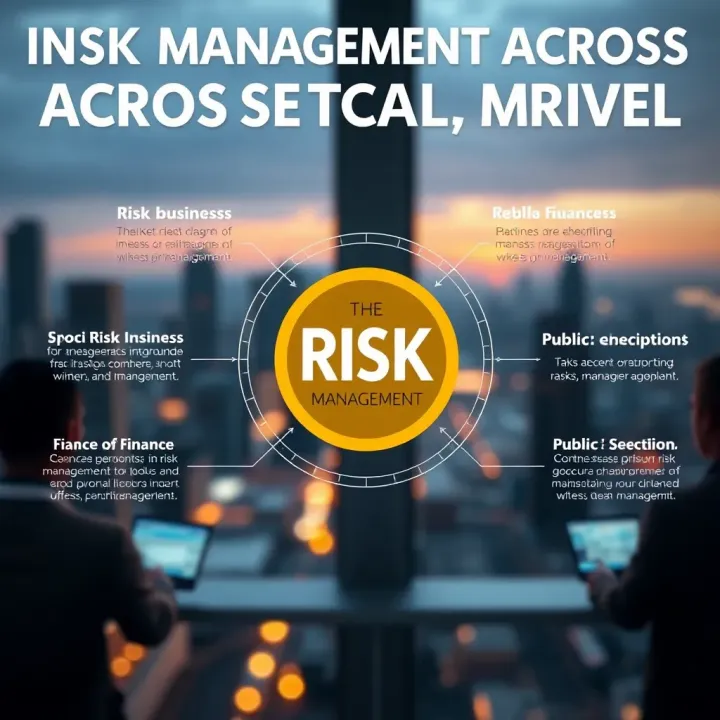
Risk management isn't a one-size-fits-all approach. Each sector faces unique challenges and operates under different conditions, so applying risk management effectively means tailoring strategies that best fit the context. This ensures organisations stay resilient against disruptions and safeguard their objectives.
Businesses in South Africa, whether large corporates or SMEs, need risk strategies that address both local and global issues. For example, supply chain disruptions caused by load-shedding or transport strikes require contingency planning beyond traditional risk assessments. Crafting these strategies includes identifying which risks could impact cash flow, operations, or reputation and deciding on responses such as diversifying suppliers or investing in solar backup.
A retail business might focus on risks like fluctuating exchange rates, which influence import costs, and consumer behaviour changes influenced by economic factors. Integrating risk management into daily decisions helps companies adapt quickly, like adjusting inventory according to seasonal demand changes or political stability.
Public sector bodies need to balance efficiency with transparency and compliance. Government departments in South Africa face risks around service delivery, budget allocation, and regulatory compliance. Effective risk management there ensures taxpayer funds are used properly and public services aren’t disrupted.
Consider the impact of poor project oversight on infrastructure development in municipalities. Controls such as regular audits and risk registers enable early identification of delays or fraud risks. This proactive approach helps avoid costly setbacks and maintains public trust.
Finance and investment sectors operate in high-stake environments where risk management is integral to safeguarding assets and ensuring compliance with regulations like the Financial Sector Conduct Authority (FSCA) guidelines. Investors monitor market risk, credit risk, and operational risks daily.
For example, financial analysts incorporate scenario analysis to assess how shifts in global markets or SARB’s monetary policy could affect portfolio performance. Brokers use real-time data systems to detect unusual trading patterns that might hint at fraud or technical glitches. These practices help limit losses and protect clients’ interests.
Effective risk management varies across sectors but remains essential to maintaining stability and achieving goals. Understanding specific risks and implementing fitting controls can save organisations from avoidable losses and reputational damage.
Each sector’s approach should reflect its operational realities and stakeholder expectations, ensuring risk management isn’t just a box-ticking exercise but a working tool to navigate uncertainty.
A risk-aware culture sets the tone for how an organisation understands and manages risks daily. It’s more than policies and processes; it’s about embedding risk thinking into the mindset of every stakeholder. When all levels of a company appreciate the impact of risks—from small compliance oversights to broader strategic pitfalls—they can act decisively to reduce surprises and losses. In South Africa, where businesses face challenges like loadshedding interruptions, volatile exchange rates, and shifting regulatory landscapes, fostering such a culture is especially relevant.
Leadership involvement shapes the commitment to risk awareness across the organisation. When executives visibly support risk management, it sends a strong signal that everyone’s role matters. Consider a Johannesburg-based investment firm where senior managers regularly discuss risk scenarios in staff meetings; this openness encourages employees to identify and report potential issues early. Moreover, workers on the ground often spot operational risks before formal audits pick them up. Encouraging this open dialogue requires clear communication channels and recognising those who flag risks constructively.
Employees must feel safe and equipped to raise concerns without fear of blame or retaliation. This psychological safety boosts participation and helps uncover risks tied to everyday actions—like inaccurate data entry or overlooked contract clauses. Plus, diverse teams bring varied perspectives on risk, reflecting South Africa’s multicultural workforce. Harnessing this diversity can improve risk identification and resilience.
Providing practical risk management tools and training is key to turning awareness into action. Organisations can roll out tailored workshops focusing on common risks they face—such as credit risk for banks or supply chain disruption for retailers. These sessions should use relatable examples rather than abstract theory, helping staff connect with the content and apply it immediately.
Besides formal training, digital platforms now offer real-time risk dashboards that update teams on evolving threats, like currency fluctuations or changes in legislation. For example, an agricultural exporter in the Western Cape might use such a tool to monitor weather-related risks impacting crop supply. Integrating these tools into daily workstreams keeps risk front of mind without adding unnecessary complexity.
Remember, ongoing support is vital. Training shouldn’t be a once-off event but part of an evolving risk management strategy accompanied by refresher courses and regular updates. Tools should be user-friendly, respecting bandwidth constraints and tech preferences common across South African businesses, from large corporates in Gauteng to small enterprises in the Northern Cape.
A risk-aware culture doesn’t happen overnight. It grows when people at every level understand their part in catching risks early and know how to respond confidently. The right leadership, combined with targeted tools and training, transforms risk management from a tick-box exercise into a vital, everyday practice.
Explore how risk management ⚖️ helps South African businesses identify, assess & control threats, ensuring decisions, compliance & continuity remain strong.
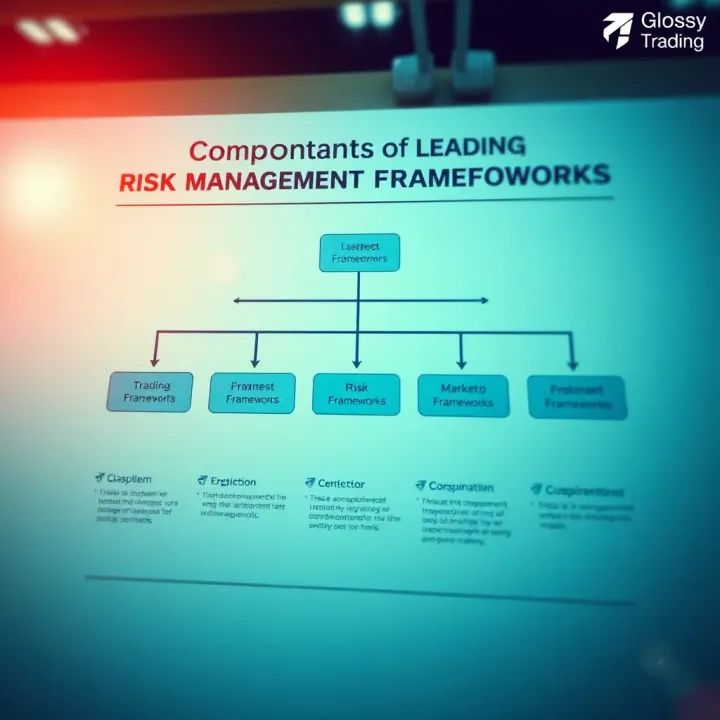
Explore key risk management frameworks 🛡️ to identify, assess & control risks in South Africa’s business environment. Practical tips for choosing the right approach.
Explore how South African businesses identify, evaluate & tackle risks with effective strategies for protecting assets and managing uncertainty effectively. 🔍⚖️

Explore practical risk management principles and strategies 📊 to identify, assess, and control risks effectively in South African businesses and daily life.
Based on 13 reviews