

Understanding Free Binary Options Signals
🔍 Explore how free binary options signals providers work, their risks, reliability, and tips to pick trusted sources for smarter trading decisions in South Africa.
Edited By
Oliver Kensington
Binary options trading offers a simple way to engage with financial markets. At its core, this involves predicting whether the price of an asset—such as gold, rand-dollar exchange rates, or JSE-listed stocks—will rise or fall within a specified time frame. The payoff is fixed, making it clear-cut for traders, especially those starting out.
For South Africans keen to test the waters without risking hefty sums, low minimum deposits present an attractive entry point. Some brokers allow trading with as little as R50 or R100, making it accessible even on a tight budget or for cautious investors. This reduces upfront risk while offering real market exposure.

Starting small doesn’t mean missing out. It allows traders to build skills and confidence steadily, crucial when the market can be as volatile as a Johannesburg robot during peak hour.
When considering binary options with low deposits, find brokers regulated within South Africa or respected international authorities to avoid scams. Brokers like IG and 24Option have been notable, but always double-check current licensing and user reviews. Some platforms tailor features and account types to low deposit users, including demo accounts and flexible expiry times.
Key advantages of beginning with a small deposit include:
Lower financial exposure: Minimises the amount lost on initial mistakes.
Ease of learning: Practice strategies without pressure.
Access to diverse assets: Many brokers offer a range from forex pairs like USD/ZAR to commodities like platinum.
Trading binary options isn’t without risks, though. The fixed payout doesn’t mean guaranteed profit—incorrect predictions lead to losing the invested amount. Hence, prudent money management and realistic expectations are vital.
This section sets the stage for understanding how low minimum deposits can be a tool for entering binary options responsibly in the South African context. The following parts will unpack broker selection, account choices, trading strategies, and risk mitigation tailored to local market conditions.
Binary options trading has gained traction worldwide, including among South African traders, due to its simplicity and low capital requirements. Understanding what binary options are and how they operate is essential before dipping your toes in, especially if you plan to start with a low minimum deposit.
At its core, a binary option is a financial instrument where you predict whether the price of an asset—be it a share, index, currency pair, or commodity—will rise or fall within a specific time frame. If your prediction is correct by the option’s expiry, you get a fixed payout. If you're wrong, you lose your initial investment in that option.
Think of it as a simple ‘yes’ or ‘no’ wager on the price movement of an asset. This makes binary options different from traditional trading, where profits depend on how much the asset moves.
Binary options trading centres around a clear-cut proposition: will the asset close above or below a certain price at expiry? These trades usually span short periods—from a few minutes to several hours—which suits traders with limited funds who want quick exposure.
For example, suppose you believe that the price of the USD/ZAR currency pair will rise within the next hour. You buy a binary option that pays out if the price is higher when the option expires. With a low deposit, say R100, you might risk R10 per trade. If correct, you might receive about 80-90% profit on your stake, so R18 to R19 profit, bringing your total to nearly R28.
Risk is capped at your stake, which is attractive for beginners testing the waters without risking too much. However, the fixed payout means profits don’t increase if the asset price soars much beyond the strike price.
Binary options come in several flavours, enabling traders to pick the style best suited to their risk appetite and strategy:
High/Low (Call/Put): The most common type, where you bet the price will go higher or lower than the strike at expiry.
Touch/No Touch: These options pay out if the asset price touches or does not touch a predetermined level before expiry. For example, betting on whether the JSE Top 40 index will hit 70,000 points during the trade period.
Range (Boundary): You predict if the asset will stay within or break out of a price range. This suits a more cautious approach when markets show low volatility.
Choosing the right type depends on your market knowledge and how much risk you can stomach with limited funds.
Through grasping these basics, South African traders can better navigate the often fast-paced environment of binary options and make informed decisions that fit their small-budget trading strategy.
Starting with a low minimum deposit in binary options trading has its own distinct set of ups and downs. For South African traders, particularly those new to the game or working with tight budgets, recognising these factors is vital before deciding to jump in.
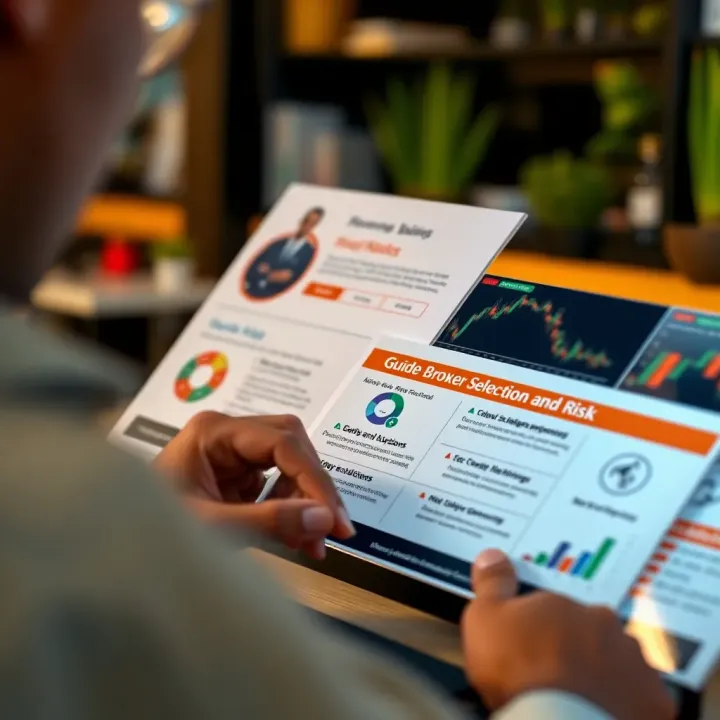
Trading binary options with a low minimum deposit offers several practical benefits for beginners. First off, it lowers the entry barrier, allowing you to start experimenting with real money without risking a wad of cash. Imagine testing out strategies on a tight budget of, say, R200 to R500 — this keeps potential losses manageable while providing a feel for the market.
Moreover, brokers offering low minimum deposits often come with user-friendly platforms tailored to newbies. This setup removes the intimidation of large-scale trading. Plus, it encourages disciplined money management since you can't just throw huge sums in. The small financial commitment also means you have room to learn from mistakes without feeling the pinch too deeply.
Starting small isn’t just about conserving money; it’s about building confidence in a market with inherent uncertainties.
Another plus is greater flexibility. With less locked into the market, you can explore different assets like Forex pairs or commodity options without stretching your budget. This diversity helps you discover where your trading strengths lie.
That said, trading with a low minimum deposit isn’t without its downsides. The most obvious is that your profit potential is naturally limited. If you put in just R200, even a decent win won’t make a big dent financially, which can be frustrating when trying to scale up.
There’s also the trap of overtrading. Because the stakes are small, some might feel tempted to place more trades than sensible, chasing quick wins. This behaviour often leads to bigger losses and erodes your initial deposit faster than expected.
Another drawback is the broker limitations that sometimes come with low deposits. Certain bonuses, VIP programs, or access to advanced analytics and tools may only be available to higher-tier accounts — so a low deposit could mean missing out on these perks.
Plus, some less reputable brokers target small deposit traders, offering poor conditions or slower withdrawals. This risk means you have to be vigilant in choosing a broker with good standing and clear regulation.
In summary, while low minimum deposits open the door for many South Africans to start trading binary options safely, it’s essential to balance the benefits with the challenges. Being aware of your limits and avoiding the temptation to overcommit helps protect your capital and build your skills steadily.
Choosing the right binary options broker is key—especially when you're starting with a low deposit. A poor choice can cost more than just money; it can drain your time and your confidence. For South African traders, the challenge is finding a broker that not only accepts low deposits but also meets local requirements and delivers a solid trading experience.
First up, transparency is non-negotiable. The broker should clearly state their minimum deposit amount, fees, and payout structure upfront. Look for brokers offering minimum deposits from around R300 to R500. This keeps entry affordable without locking you out.
Trading platforms should be intuitive and mobile-friendly. For example, some brokers use platforms like SpotOption or TechFinancials, which offer straightforward interfaces and real-time charts—ideal for beginners.
Another must-have is a variety of binary options types and expiry times. This flexibility allows you to test different strategies without needing a large deposit. Also, check if the broker offers a demo account; practising without risking real cash is a sensible step.
South African traders must ensure their broker operates under legitimate regulation. While South Africa doesn't yet have a specific binary options regulator, brokers regulated by authorities like the Financial Sector Conduct Authority (FSCA), the Cyprus Securities and Exchange Commission (CySEC), or the Financial Conduct Authority (FCA) in the UK generally maintain higher standards.
Reviews from trusted trading forums, local financial blogs, and user feedback give insight into a broker's reputation. Watch out for red flags like delayed withdrawals, unclear terms, or unsolicited calls. Remember, a trustworthy broker shouldn’t push you into deposits or trades.
Ease of depositing and withdrawing funds can make or break your experience. Look for brokers who support payment methods common in South Africa such as EFT (Electronic Funds Transfer), South African debit/credit cards, or popular e-wallets like Skrill and Neteller.
Beware of brokers that impose high withdrawal fees or long processing times. Some South African traders prefer using Visa or MasterCard prepaid cards for added control over spending. A handful even accept PayPal, but this is less common here.
Always test deposit and withdrawal processes with a small amount first, avoiding brokers that complicate cashing out your winnings.
Selecting a broker wisely ensures you can start small without unnecessary headaches, giving you room to learn and grow your binary options trading skills safely. Keep these points in mind, and you’ll be off on the right foot without having to commit a fortune upfront.
Setting up and managing a binary options account with a low minimum deposit is critical for traders who want to enter the market without committing large sums upfront. It allows you to test the waters, understand platform features, and gain hands-on experience without excessive financial pressure. South African traders, in particular, can benefit from such accounts to manage the inherent risks of binary options trading, especially in a market affected by economic volatility and regulatory nuances.
Binary options brokers typically offer various account types to accommodate different deposit levels. For low deposit traders, the focus should be on accounts that accept minimum deposits as low as R100 to R500. These micro or basic accounts usually come with essential features, enabling you to trade real money but with limited risk exposure.
For example, a broker offering a R250 minimum deposit account lets you start trading with manageable stakes, which is particularly useful for beginners or those testing different strategies. However, keep in mind that some brokers may restrict access to advanced tools or lower returns on these accounts. It’s crucial to compare deposit requirements alongside the quality of service and trading conditions.
Remember, avoid accounts with unusually high minimum deposits if you’re just starting out or prefer to keep your capital exposure low. Instead, focus on brokers regulated by clear authorities and that allow incremental deposit top-ups.
Once your low deposit account is set up, managing your funds effectively becomes the key to sustainability and growth. First, never risk more than 1-2% of your account balance on a single trade. For instance, with an R500 deposit, your stake per trade should rarely exceed R10.
Secondly, diversify your trades to avoid putting all eggs in one basket. Don't focus solely on one asset; spread your trades over different markets such as forex pairs, indices, or commodities if your broker permits.
Also, set daily and weekly loss limits to protect your deposit from rapid depletion. If you hit your loss threshold — say 10% of your balance — take a break and reassess your strategy instead of chasing losses.
Lastly, use demo accounts alongside your real account to test strategies without risking funds. While demo trading doesn’t perfectly mimic live markets, it helps refine your approach without pressure.
Managing a low deposit account well hinges on disciplined stakes, diversification, and recognising when to pause. This approach can help South African traders build confidence without risking unnecessary losses.
Managing a low deposit account isn't about quick wins but steady learning and cautious capital growth. That mindset paired with smart money management improves your chances of turning small deposits into sustainable trading.
Starting binary options trading with a low deposit means you need to be especially careful and well-prepared. For South African traders, practical advice is key to avoid pitfalls and make the most of limited funds. Low deposits limit losses, but they also require smart strategies to grow steadily rather than gambling recklessly.
Before putting real money down, it's smart to try demo accounts offered by most brokers. These allow you to practise binary options trading risk-free with virtual money. For example, a new trader in Johannesburg might spend weeks learning how different assets react without any financial pressure. Demo trading helps understand timing, asset behaviour, and platform navigation, which is critical when the real stakes are low and every cent counts.
Practising first means you won’t fall flat when real money is on the table.
Many brokers also offer trial periods for low deposits, where you can test out features or even receive small bonuses. Trial periods should be used to assess broker reliability and platform speed—both vital in volatile markets. South African internet connections can vary, so checking platform responsiveness under your typical data conditions is useful.
Even with a small deposit, impulsive trading is a quick route to blow your budget. Avoid chasing losses by doubling your next trade or trading outside your strategy. Remember, low deposit accounts usually involve lower payouts, so reckless moves don’t pay off.
Watch out for brokers that advertise unrealistic returns or push you to increase deposits. Many scams target traders starting small, promising quick riches which rarely materialise. Also, beware of hidden fees or withdrawal limits, which can eat into your profits.
Trading binary options from South Africa comes with specific challenges and rules. For instance, local financial regulations have tightened around unregulated brokers. It’s crucial to pick a broker who complies with rules from bodies like the FSCA (Financial Sector Conduct Authority) to avoid legal complications.
Market dynamics also differ here. South African traders often deal with fluctuating rand exchange rates and periodic loadshedding (power outages) that might affect internet access. Having backup power solutions or consistent data connectivity ensures you won’t miss critical trading moments.
Lastly, keep an eye on local tax obligations concerning investment earnings. SARS requires disclosure of profits from trading, so maintain clear records from day one.
By combining well-practised skills, cautious behaviour, and local insight, South African traders can make low deposit binary options trading a viable stepping stone rather than a gamble.
🔍 Explore how free binary options signals providers work, their risks, reliability, and tips to pick trusted sources for smarter trading decisions in South Africa.

Explore how free binary options signals software works, plus tips to choose reliable tools & manage risks for smarter trading decisions 📊💡
🔍 Learn how free binary options signals work, find trusted providers, interpret signals, spot scams, and boost your trading strategy wisely. 📈⚠️

Convert hexadecimal to binary with ease! Learn how these converters work, manual tips, and why they matter in computing and electronics ⚙️💻🔢
Based on 6 reviews