

Effective Binary Options Trading Strategies
📈 Explore effective strategies for binary options trading, including risk management, technical tools, and local market tips to boost your South African trading success.
Edited By
Isabella Thornton
Binary options attracted a lot of attention in 2016 due to their simplicity and the promise of quick returns. Essentially, a binary option is a financial bet on whether the price of an asset — like a share, currency, commodity, or index — will be above or below a certain level at a set expiry time.
In 2016, the binary options landscape was a mix of opportunity and risk. Many South African traders were drawn to binary options because the entry barriers were low, allowing them to start trading with small amounts. Platforms often presented these as straightforward, almost game-like opportunities where you either win a fixed payout or lose your stake. But this simplistic appeal hid the real challenges.

Regulation was a big issue. Many platforms offering binary options operated outside South Africa's regulatory framework, which made it tricky to protect traders. The Financial Sector Conduct Authority (FSCA) was still ramping up awareness and controls around these products. This lack of oversight led to numerous scams where dishonest brokers manipulated prices or refused to pay out winnings.
The risks weren’t just fraud-related. Binary options trading carried inherent financial risks since outcomes depended heavily on short-term market moves, which are notoriously hard to predict. Many traders lost money fast, sometimes unaware of how the payout structures favoured the platform rather than the trader.
Key takeaway: While binary options seemed accessible and appealing, the 2016 environment was riddled with pitfalls, both regulatory and financial. South African traders needed to approach with caution, prioritising platforms regulated by credible authorities and understanding the risks before trading.
Understanding how these options worked in 2016 offers valuable lessons for today’s traders. It highlights the importance of due diligence, recognising red flags like unrealistic return promises and opaque pricing.
In the sections that follow, we’ll tackle how binary options operated in practice during 2016, outline the common scams, discuss regulatory developments in South Africa, and share practical advice to help anyone engaging with binary options, historically or otherwise.
Grasping the basics of binary options is vital for anyone looking to understand or engage with this trading form, especially as it stood in 2016. Binary options simplify investment decisions down to a straightforward yes-or-no outcome: will an asset’s price move up or down within a specified time? This simplicity is what attracted many traders, but it also came with significant risks and complexities.
Knowing the core mechanics helps traders make practical decisions, from choosing assets to timing trades, avoiding pitfalls, and recognising scams. For instance, understanding that a binary option pays a fixed amount if correct, but zero if wrong, highlights why managing risk and choosing contracts properly matters. It’s not about owning the asset, but betting on its price direction.
Binary options are financial contracts that offer an all-or-nothing payoff, often referred to as “digital options.” Traders speculate on whether the price of an underlying asset — like a stock, commodity, currency pair, or index — will be above or below a certain level when the option expires. If the trader’s prediction is correct at expiry, they receive a fixed payout, typically between 60% and 90% of the amount invested. If incorrect, the entire investment is lost.
This structure contrasts with traditional trading where profits and losses fluctuate continuously. The binary option’s attractiveness lies in its clear, upfront risk and reward. For instance, a trader might pay R1,000 to predict that the R/$ exchange rate will rise within the next hour. If right, they might pocket R1,800; if wrong, their investment disappears.
In 2016, binary options platforms offered a broad range of asset classes. Commonly traded assets included major Forex pairs like USD/ZAR or EUR/USD, popular shares such as Sasol and Naspers, indices like the JSE Top 40 or FTSE 100, and commodities including gold, silver, and crude oil. This diversity allowed traders in South Africa and internationally to pick markets they were familiar with or those showing strong trends.
The practical benefit here was choice: a trader interested in local markets could focus on JSE instruments while another could venture into global currency pairs. This also meant volatility could vary greatly, impacting both risk and potential payout.
The most common contract was the "High/Low" option, where traders simply predict if the asset price will be higher or lower than the strike price at expiry. Another popular contract type was "One Touch," where the trader wins if the asset price touches a predefined level before expiry. There were also "Range" or "Boundary" options, which paid out if the price stayed within a specified range.
Each contract type had practical implications on strategy. For example, "One Touch" could be lucrative in volatile markets but riskier overall. Traders needed to understand these nuances to align choices with market conditions and personal risk appetite.
Expiry times in 2016 ranged widely, from as short as 30 seconds to as long as several months, but most typical were short terms like 5, 15, or 60 minutes. These short expiry times suited traders looking for quick results, often during volatile sessions like around JSE market peaks or major economic announcements.
Longer-term options were less common but allowed for more strategic plays on broader market trends. South African traders had to balance these options against local factors like robot timings and load shedding schedules, which could affect access to trading platforms.
Understanding binary options basics isn’t just academic — it’s the foundation for recognising risks and opportunities, especially in a market as fast-moving and sometimes volatile as 2016 was. Simply put, knowing the contract’s terms, asset class, and expiry is what sets responsible traders apart from those chasing quick wins without a plan.

Understanding the market landscape for binary options in 2016 offers valuable insights into how these instruments evolved and why they attracted such attention globally and in South Africa. This period was marked by rapid growth but also faced increasing scrutiny, making the market dynamics essential for anyone analysing past trends or considering similar trading products.
Binary options surged worldwide in 2016, largely due to their simplicity and the promise of quick returns. Globally, the sector grew at an estimated annual rate of over 30%, pulling in both retail traders and brokers. South African traders were no exception; local interest spiked as various online brokers aggressively marketed binary options as accessible and straightforward tools for people with modest capital.
South Africa's digital connectivity boom and rising mobile data use meant more people could access international platforms with ease. Despite ongoing concerns about fraud and regulation at the time, many everyday South Africans tried their hand at binary options, seeing it as a chance to earn alongside the country's challenging economic backdrop. That said, the lack of a clear regulatory framework locally left traders vulnerable, a factor that influenced market confidence.
Back in 2016, a handful of trading platforms dominated the binary options space. Platforms like IQ Option, Binomo, and 24Option were particularly prominent, known for their user-friendly interfaces and wide range of assets—including forex pairs, stock indices, and commodities like gold and oil. Many provided demo accounts, allowing new traders to practise without risking capital, which helped draw beginners.
Local brokers often partnered with or white-labelled international platforms to appeal to South African users with tailored customer support and payment methods, including EFTs and credit cards familiar to the local market. However, the ease of setting up online brokers led to a flood of less reputable operators as well, which complicated the trading atmosphere.
While the accessibility and appeal of binary options grew fast, the market in 2016 was a mixed bag of legitimate opportunities alongside risks stemming from unclear regulations and predatory practices.
In short, the binary options market landscape of 2016 showed clear signs of booming interest and technological ease, but also revealed the challenges in protecting traders and ensuring fair play. South African traders who navigated this space needed not only market savvy but also keen awareness of the platforms they chose and the risks involved.
The regulatory environment plays a significant role in shaping how binary options operate, especially for traders and brokers in South Africa and beyond. Understanding the framework helps investors assess the safety, legitimacy, and transparency of trading platforms. Regulatory challenges in 2016 reflected the evolving nature of this market sector, with many traders facing uncertainty and risks due to patchy oversight.
In South Africa, the Financial Sector Conduct Authority (FSCA) works to protect financial consumers by regulating financial institutions, including those offering investment products like binary options. Back in 2016, the FSCA had limited powers over unlicensed offshore brokers, which contributed to a less controlled environment for local traders. However, the FSCA encouraged investors to verify whether brokers were registered locally and warned against engaging with unregulated platforms.
This approach aimed to minimise fraudulent activities since unregistered brokers typically lacked the oversight that ensures fair trading practices. For example, a South African trader dealing with an FSCA-registered broker generally had more recourse if disputes arose, compared to dealing with an overseas firm with no recognised regulatory presence domestically.
Internationally, the regulatory landscape for binary options was mixed and often inconsistent. Some countries, such as the United States and parts of Europe, imposed strict rules or outright bans on offering binary options to retail clients. In contrast, other jurisdictions maintained looser controls, leading to a proliferation of brokers with varying levels of reliability.
For instance, in the European Union, the European Securities and Markets Authority (ESMA) introduced temporary bans on marketing binary options to retail investors in 2018, reacting to the high risk and prevalence of scams. This contrasted with countries that hadn't tightened regulations yet, meaning some traders unknowingly dealt with operators of questionable standing. Such discrepancies illustrated the global challenge of protecting investors, especially as online trading crossed borders easily.
Several common issues plagued the binary options market in 2016, impacting both traders and brokers. First, jurisdictional confusion often arose when brokers claimed to be based in regulated territories but actually operated elsewhere, sidestepping accountability. Traders struggled to pursue complaints or get refunds when disputes occurred with offshore brokers.
Second, a lack of clear guidelines affected brokers’ ability to operate transparently. Some platforms didn't provide sufficient disclosures about risks or how prices were determined, making it difficult for traders to make informed decisions.
Lastly, the issue of client fund protection was prominent. Without strict rules, funds deposited by traders were sometimes mismanaged or withheld, leading to withdrawal difficulties—a common red flag of possible scams. Brokers faced challenges balancing regulatory compliance costs and competitive pricing, often leading to compliance gaps.
Understanding the regulatory framework and its challenges in 2016 helps traders appreciate why caution, due diligence, and choosing FSCA-registered brokers or regulated international platforms were crucial steps for safeguarding investments.
In summary, the regulatory environment during this period was still adapting to the unique characteristics and risks of binary options trading. For South African traders, recognising these factors remains key when considering the market’s historical context or future developments.
Trading binary options in 2016 came with significant risks and pitfalls that every trader needed to recognise upfront. These complex financial products often promised quick returns but carried high stakes, and for many, the reality was steep losses. Understanding these downsides helps paint a clearer picture of the landscape and prevents newcomers from stumbling into costly traps.
Binary options function like all-or-nothing bets within fixed expiry times, usually spanning minutes to a few hours. This feature inherently exposes traders to high volatility and sharp losses when predictions miss the mark. For example, placing R1,000 on a certain asset moving upward in five minutes could either net R1,800 in profit or wipe out the entire stake if the movement reverses. This all-or-nothing structure leaves little room for error or market nuance.
Many traders underestimated the frequency and scale of losses, often chasing returns without proper risk management. Unlike traditional share trading where losses can sometimes be limited or recovered, binary options do not allow partial profit-taking—you're in or out. This lack of flexibility magnified the risks, particularly for those unaware of underlying market movements or external factors influencing asset prices.
Fraudulent brokers were a widespread issue in the binary options space, especially in 2016. These entities often operated without proper regulatory oversight, enticing traders with promises of guaranteed profits and slick platforms. Once clients deposited funds, some brokers manipulated software to skew outcomes, obstructed withdrawals, or simply vanished with clients' money. For South African traders, this was particularly problematic as many brokers were based overseas and out of reach of local authorities.
Practical vigilance includes verifying a broker’s licence under the Financial Sector Conduct Authority (FSCA) or reputable international bodies. Traders should also check reviews from trusted financial news sources or forums before investing. Wallet safety starts with knowing who you're dealing with.
Misleading advertising was another common pitfall. Many binary options providers in 2016 used flashy ads featuring unrealistic returns or testimonials from supposed successful traders. Such ads glossed over the significant risks and often suggested trading was an easy way to generate side income. This distorted perception led many to trade without adequate preparation or realistic expectations.
Critical reading of advertising claims and seeking objective, third-party information helped counter these exaggerations. For example, adverts promising 90% returns on a single trade with little risk are a red flag. Traders should be wary of cherry-picked success stories and always focus on long-term performance data, which often reveal the true nature of risk.
Withdrawal issues plagued many traders dealing with binary options brokers in 2016. Delays, hidden fees, or outright refusal to release funds were frequently reported. Some brokers set minimum withdrawal amounts unrealistically high or complicated the process with excessive documentation demands.
This not only frustrated traders but also eroded trust in the industry. South African traders were advised to test withdrawal processes early with small amounts and scrutinise terms and conditions carefully. Being able to withdraw funds smoothly is a critical indicator of a broker’s legitimacy and operational transparency.
Proper understanding of risks and knowing how to spot scams could save traders from significant financial and emotional setbacks in the binary options market.
In summary, binary options trading was not for the faint-hearted in 2016. The high-risk, fixed-return nature demanded discipline and a solid grasp of market dynamics, while scam awareness was essential to safeguard capital. South African traders who navigated these issues wisely could potentially find space for informed trading but needed to approach with caution and due diligence.
Looking back at binary options trading in 2016 offers valuable lessons, especially for South African traders navigating similar investment waters today. That year exposed many of the risks involved, the regulatory gaps, and the scam tactics in play. More importantly, it highlighted ways traders could better protect themselves and make smarter decisions. Understanding these lessons isn't just academic; it can help prevent costly mistakes and foster a more cautious approach.
One of the clearest takeaways from 2016 is the need for careful due diligence before engaging with any binary options platform. Traders should always verify if a broker is licensed by the Financial Sector Conduct Authority (FSCA) or recognised international bodies. For example, using FSCA-registered brokers helps reduce the chance of falling into the hands of fraudulent operators.
Another tip is to avoid platforms promising guaranteed profits or quick wins, as these are often red flags for scams. Traders should start with small amounts to test the platform’s withdrawal processes—problems here have been frequently reported in 2016.
Furthermore, using demo accounts where available can give a real feel for trading mechanics without risking actual funds. Also, traders should keep clear records of their transactions and communication with brokers. These small steps can make a big difference in spotting trouble early.
The binary options boom in 2016 attracted many South Africans seeking fast returns, but not all saw their investments through. The influx of new traders led to a spike in complaints about unscrupulous brokers and withdrawal delays. This shook trust across the broader trading community and pushed regulators to tighten oversight.
For example, the FSCA increased warnings and began stricter enforcement against unlicensed providers, safeguarding local investors better. On the market level, some legitimate South African brokers have since improved transparency and customer support to rebuild confidence.
Still, the lessons of 2016 remind us how important it is for traders to remain vigilant and for regulators to maintain close watch over this high-risk market segment. This dynamic also spurred greater public awareness and debate about the role of derivative products in South Africa’s financial sector.
Staying alert, verifying credentials, and learning from past errors form the backbone of safer trading in binary options and other speculative instruments.
In sum, the 2016 experience carries plenty of practical wisdom for anyone interested in binary options. It’s a reminder that trading isn’t just about chasing profits—it’s about managing risks and knowing the landscape well before jumping in.
📈 Explore effective strategies for binary options trading, including risk management, technical tools, and local market tips to boost your South African trading success.
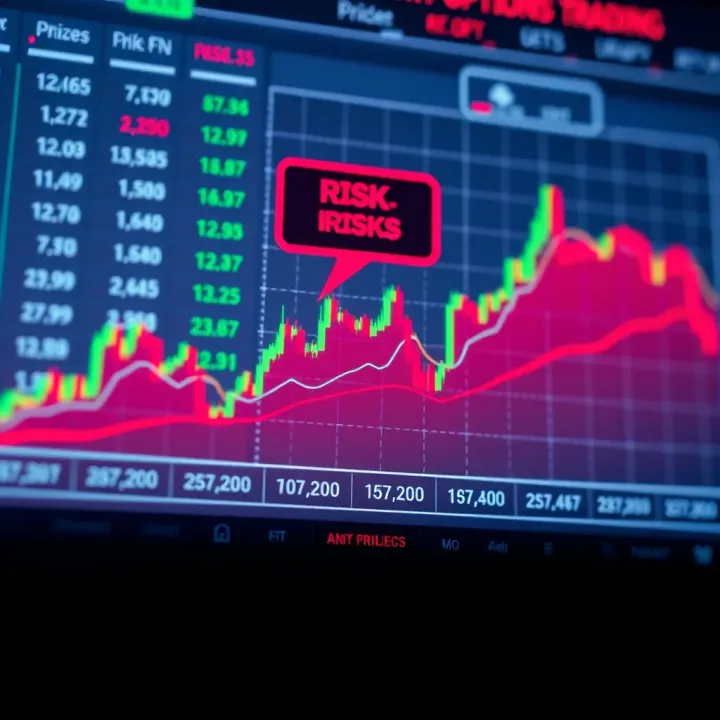
⚠️ Binary options trading may offer quick wins but comes with high risk, weak regulation, fraud risks, and can hurt your finances and peace of mind. Stay informed!

💡 Learn how binary options bonuses boost your trading funds in South Africa. Understand terms, risks, and pick trusted brokers to trade smarter with extra incentives.

📈 Learn the daily routines, strategies, risks, and regulations that shape binary options traders in South Africa. Get practical insights for smarter trading decisions.
Based on 7 reviews