
Graphic Trends in Binary Options Trading
📈 Discover how graphic trends analysis enhances binary options trading in South Africa. Learn key chart patterns and practical strategies for smarter trades.
Edited By
Isabella Green
Binary options trading often catches the eye for its promise of quick returns, but beneath the surface lie some significant pitfalls. Many traders in South Africa are drawn by the straightforward yes-or-no nature of binary options, where you predict if an asset's price will rise or fall within a short timeframe. However, this simplicity masks the high risk involved, alongside a host of regulatory and transparency issues.
Unlike traditional forms of trading, binary options carry an all-or-nothing payout structure. That means if your prediction is wrong, you lose the entire investment on that trade — no middle ground. This risk profile can quickly drain one’s trading capital, especially when the market doesn’t move as expected. For example, an investor wagering R1,000 on multiple quick trades might find themselves losing hundreds or thousands within a single afternoon if the market defies predictions.
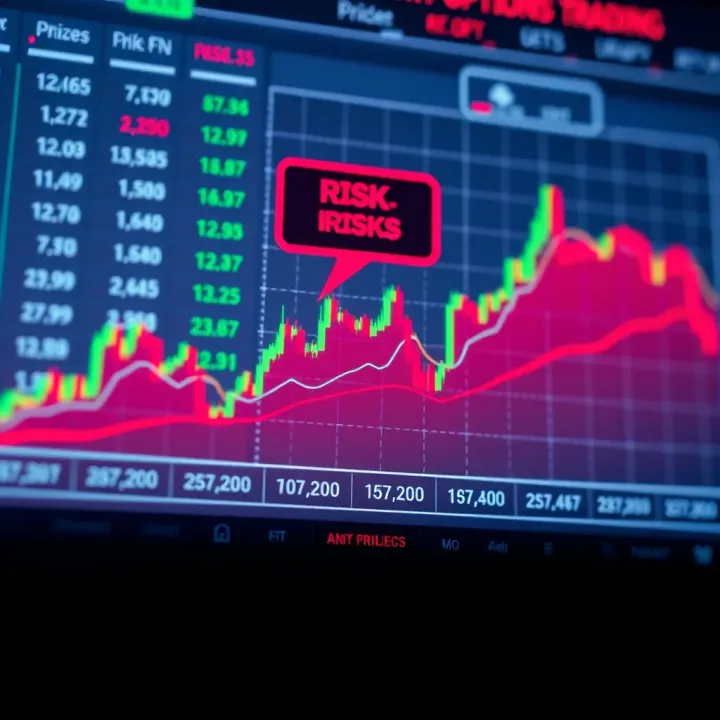
Regulation in the binary options space remains patchy in South Africa and worldwide. The sector is still catching up with the fast growth of these products, leaving many platforms operating without strict oversight. This regulatory gap exposes traders to scams, shady operators, and unfair practices that can erode trust and money alike. The Financial Sector Conduct Authority (FSCA) has issued warnings about unlicensed binary options providers, but enforcement remains challenging.
Transparency is another sore point. Binary options platforms may lack clear information on pricing, payout calculations, and underlying asset movement. Traders sometimes find it difficult to verify how their returns are computed or if trades are executed fairly. This opacity can be a warning sign, particularly if trading platforms change payout terms abruptly or refuse to disburse funds promptly.
The blend of high risk, poor regulation, and limited transparency creates a hazardous environment that can severely affect traders’ finances and mental health.
In South Africa, where load shedding and economic uncertainties already stretch household budgets, the sudden loss of invested funds can cause real distress. Many traders report stress, frustration, and burnout after encountering losses in binary options trading. It’s not just about money—maintaining peace of mind around volatile investments is equally important.
Understanding these downsides helps investors make informed choices and avoid traps that can do more harm than good. Keeping a clear view on the risks and the reality behind binary options enables better decision-making amidst the complex financial landscape of Mzansi.
Binary options trading carries a remarkably high level of risk that traders need to consider carefully before jumping in. The very structure of binary options means you either walk away with a fixed payout or lose your entire investment on that trade. This setup is quite different from traditional trading, where partial profits or losses are common.
The ‘all-or-nothing’ aspect of binary options is straightforward but unforgiving. For example, if you place a R1,000 bet that a certain stock will rise within the next 15 minutes and you’re wrong, you lose the entire R1,000. There's no middle ground or chance to minimise losses once the trade ends. This system encourages a gambling mentality instead of strategic investing.
Because of this binary outcome, traders often experience rapid swings in account balances. Even experienced market participants can find themselves burnt quickly if they don’t maintain strict risk management. It’s not unusual for traders to exhaust their funds after a few wrong calls, especially if they try to chase losses by upping stakes.
Most binary options contracts have short expiry times — often ranging from 60 seconds to a few hours. These tight deadlines push traders to make snap decisions without thorough analysis. For instance, trying to predict currency price movement in just a minute or two leaves precious little room to assess market drivers like economic data releases or geopolitical events.
Quick expiry times intensify pressure and emotional reactions. Traders may end up relying more on guesswork or hunches than systematic strategies. This environment favours impulsive action rather than careful planning, elevating the likelihood of losses.
The combination of all-or-nothing outcomes and brief expiry windows means the risk of losing your full investment is much higher compared to conventional trading products.
In summary, while binary options might seem attractive due to their simplicity and fast payouts, the high risk and potential for significant losses cannot be ignored. South African traders, in particular, should weigh these factors carefully against their financial goals and risk tolerance before engaging in this form of trading.
Regulation plays a vital role in ensuring fair and transparent trading, but binary options trading often slips through significant regulatory gaps. Unlike mainstream financial markets, many binary options platforms operate without proper licences or authorisations from recognised financial authorities. This absence of oversight leaves traders vulnerable to unfair practices and limits legal recourse in case of disputes.
One major hurdle with binary options is that many providers either hold dubious licences or are entirely unlicensed. In South Africa, regulatory bodies like the Financial Sector Conduct Authority (FSCA) require firms to comply with strict rules to protect consumers. However, many binary options platforms operate offshore or claim licences from jurisdictions with lax enforcement, such as some Caribbean or Eastern European countries. This makes it difficult for traders to verify whether a platform is genuinely authorised.
Moreover, platforms often advertise they are licensed but provide vague details or use fake certificates. This creates a false sense of security, leading traders to trust operators who may not adhere to any meaningful standards of conduct. For example, there have been instances where unlicensed brokers promised quick profits but vanished with clients' funds shortly after signing up.
Trading on a platform without proper regulatory oversight exposes you to several risks. Unregulated platforms are not bound by consumer protection laws or dispute resolution mechanisms common in South Africa and other well-regulated markets. This means that if the platform manipulates prices, withholds withdrawals, or closes accounts arbitrarily, traders often have little chance of recovering funds.
Another concern is the lack of transparency on unregulated sites. They can set unfair payout rates or alter contract terms without notice. This practice distorts the risk-reward balance, making losses more likely and profits harder to realise. It’s not uncommon for these platforms to have hidden terms buried in fine print that drastically reduce trader earnings.
Without adequate regulation, the binary options market becomes a minefield where unscrupulous operators can exploit traders with virtually no accountability.
In summary, not checking whether a binary options broker is regulated by a credible authority should raise major red flags. South African traders are advised to avoid platforms without FSCA approval or other reputable licences. Always research a broker’s regulatory status and read reviews from multiple independent sources before committing any money. Staying clear of unregulated operators is one of the most effective ways to protect your investments and peace of mind in the risky world of binary options trading.
Pricing transparency and market fairness are fundamental in any trading environment. For binary options trading, these issues can severely affect traders’ trust and outcomes, particularly because the underlying pricing mechanisms might not be as open or impartial as one would hope. Without clear insights into how prices are set or verified, traders in South Africa and beyond risk making decisions based on incomplete or skewed information.
Binary options platforms typically set prices internally, which is quite different from traditional markets where prices arise from genuine supply and demand. This setup means platforms could manipulate prices to tilt odds in their favour, pushing traders into losing positions more often. For instance, a platform might widen the difference between the payout and actual market movement, much like a shop quietly increasing the price off the shelf.
Furthermore, many platforms act both as brokers and market makers, creating a direct conflict of interest. They profit when traders lose, which can incentivise practices that are unfavourable to traders, including delays in executing trades or pricing odds unfavourably. For example, a platform might display a price just before a binary option expires that misrepresents the real market, causing automatic losses for traders.
Another major challenge lies in the lack of reliable verification for the market data and outcomes presented by binary options platforms. Since many platforms operate outside stringent regulatory oversight, traders often can’t independently check whether market prices and expiry results reflect real-world conditions.
Take a typical trade on a binary option based on the share price of a JSE-quoted company. Without access to third-party market data or an audit trail, the trader has to trust that the platform’s displayed prices and final outcomes are accurate. This lack of transparency opens the door to potential manipulation or errors that can cost traders dearly.
In essence, without clear, independent verification, traders face significant uncertainty that undermines fair play and trust—two cornerstones for any sound financial market.
To protect yourself, consider:
Choosing platforms with transparent pricing models and verifiable market data.
Verifying platform regulation and whether independent audits or disclosures are available.
Avoiding platforms that refuse or cannot provide external proof of price integrity.
In South Africa’s growing online trading market, understanding these issues helps traders avoid costly pitfalls and pick more trustworthy platforms amid a crowded and sometimes shady marketplace.
Binary options trading often attracts attention because of its promise of quick gains, but unfortunately, it is also a hotspot for scams and fraud. This aspect deserves careful attention because the lack of transparency and regulation in many cases leaves traders vulnerable. In South Africa, where online financial scams have surged in recent years, recognising the risks here is essential to avoid significant financial loss.
Fraudsters behind binary options platforms use a variety of tactics to deceive traders. A common ploy is the use of fake testimonials and inflated success stories that paint a misleading picture of easy profits. They might also manipulate software to display false trade results or deny withdrawals, trapping investors’ funds for extended periods.
Another tactic involves aggressive telemarketing where calls come from seemingly legit advisers pressuring individuals to invest more. For example, a trader might be told they’re "on the verge of a big win" to entice larger deposits. Some operators even fabricate complex algorithms to give the illusion of professional trading, but these are just smokescreens to mask their true intent.
Zeroing in on instant payouts or exclusive access to special offers is another trap. Scammers promise bonuses but attach hidden conditions or request upfront fees that vanish once paid.
Be alert to key warning signs that often spell trouble. These include platforms without clear licences from recognised financial authorities, unclear or overly complex trading terms, and untraceable contact details. If withdrawal processes are slow, or if customer support dodges simple queries, it's a red flag.
Protecting yourself means doing thorough homework before clicking "invest." Check the regulatory status under bodies like the Financial Sector Conduct Authority (FSCA) in South Africa. Read reviews beyond the platform's website and be wary of unsolicited offers via phone or email.
Furthermore, never rush into funding accounts, especially if pressured to increase stakes quickly. Use reputable payment methods that offer some level of fraud protection. And, if something feels off, trust your gut — better to lose a potential opportunity than your hard-earned savings.
Remember, fraud in binary options trading thrives on urgency and secrecy. Maintain scepticism and keep your money safe by staying informed and cautious.
By understanding these risks and knowing the tricks of the trade, South African traders can better navigate the binary options scene and shield themselves from common scams.
Trading in binary options often seems like a quick way to make money, but it carries financial and emotional risks that shouldn't be underestimated. These consequences can ripple through a trader's personal life, affecting everything from monthly budgets to mental well-being. This section explores how losses from binary options trading can hit your finances and credit, and how the stress linked to this type of trading impacts mental health.
Binary options trading typically involves all-or-nothing bets, meaning you either win the fixed payout or lose your entire stake. This setup can quickly drain your savings if trades go against you. For instance, a trader who puts R5,000 into a series of losing bets might find their emergency funds wiped out, leaving them vulnerable to unexpected expenses like car repairs or medical bills.
Moreover, the temptation to 'chase losses' often leads to escalating stakes, deepening financial trouble. If losses pile up, some traders resort to borrowing money or using credit cards to fund more trades. This behaviour can spiral into debt that affects credit scores and borrowing ability. Banks and credit bureaux record payment defaults or maxed-out credit limits, which can take years to repair. Having a poor credit record complicates securing bonds for homes or vehicle finance—important considerations for many South Africans.
Financial strain from trading losses is not just about the money lost but also the long-term consequences on your financial health and goals.
The pressure of high-risk binary options trading can take a serious toll on mental health. Anxiety from watching markets, combined with rapid decision-making under uncertainty, creates a recipe for stress. One trader might feel relief after a win, only to dive straight into the next risky trade, trapping themselves in a cycle of emotional highs and lows.
Constant losing streaks can lead to feelings of helplessness, frustration, and even depression. The shame or embarrassment of financial loss might prevent traders from seeking advice or disclosing their situation to family, further isolating them. In South Africa, where access to professional mental health care may be limited for some, these challenges can worsen quietly.
To manage emotional risks, it helps to set strict limits on how much you trade and accept losses as part of the process instead of hoping for quick recoveries. Keeping a clear head and avoiding impulsive decisions reduce the risk of mental exhaustion. Traders who build solid support networks or seek counselling tend to cope better with the pressures.
Understanding both the financial and emotional consequences of binary options trading is essential if you want to avoid long-lasting damage. Play it safe, know your limits, and always be mindful of the stakes—not just your money, but your peace of mind too.
📈 Discover how graphic trends analysis enhances binary options trading in South Africa. Learn key chart patterns and practical strategies for smarter trades.
⚠️ Thinking of binary options? Learn the risks like high losses, scams, and poor transparency to protect your investments in South Africa. 📉💰
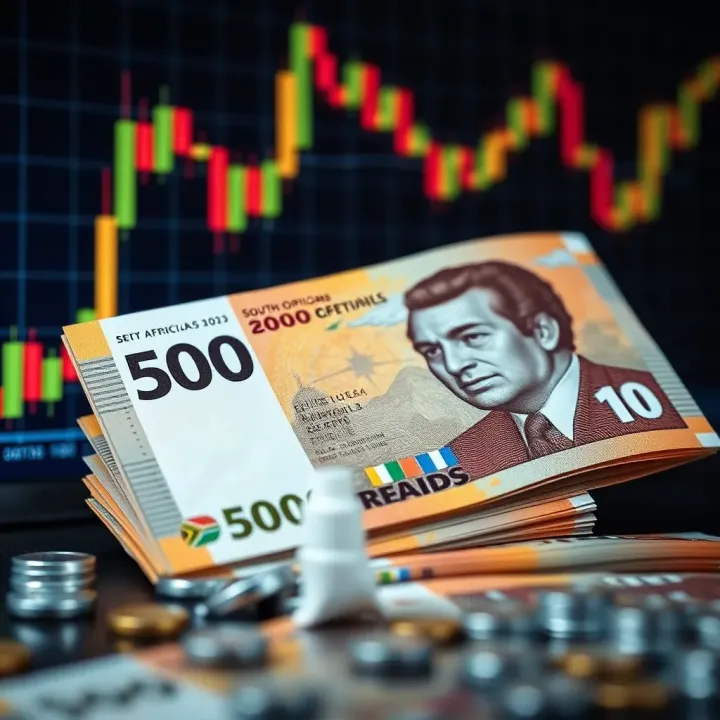
Discover legit ways to access free money for binary options trading in South Africa 🇿🇦 Learn how to use bonuses wisely and avoid common traps 💡📈
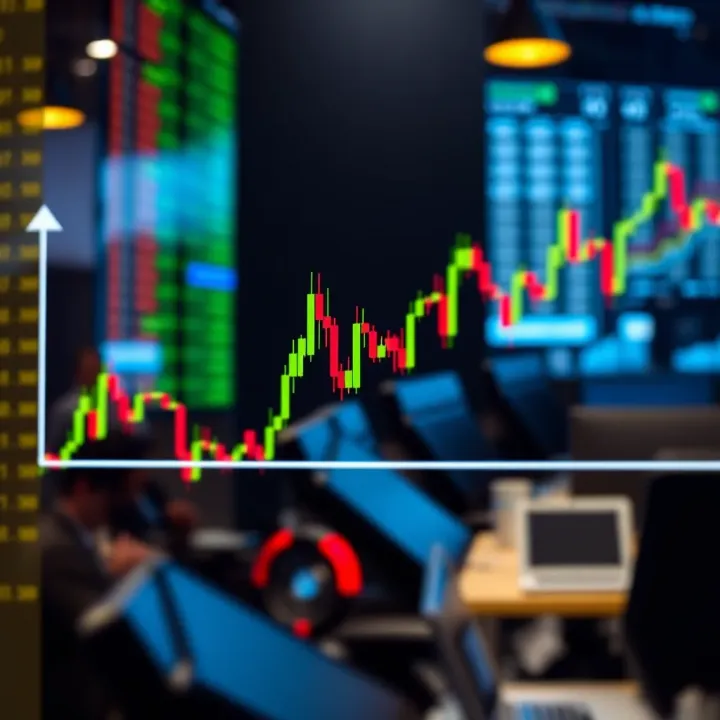
🔍 Explore how free binary options signals providers work, their risks, reliability, and tips to pick trusted sources for smarter trading decisions in South Africa.
Based on 14 reviews