

Forex Trading School Guide for South African Traders
📚 Learn forex trading basics, key topics, and how to pick the right trading school in South Africa. Start trading smart with confidence today!💹
Edited By
Sophia Bennett
Demo forex trading apps offer a practical way for South African traders to practise foreign exchange (forex) trading without risking real money. These apps simulate the live trading environment by providing virtual funds and real-time market data, helping users understand how currency pairs move and how trades execute.
Demo apps are especially useful for beginners. They lower the barrier to entry by offering hands-on experience in reading price charts, placing orders, and managing trades under real market conditions. Even experienced traders use them to test new strategies or get familiar with a broker's platform.
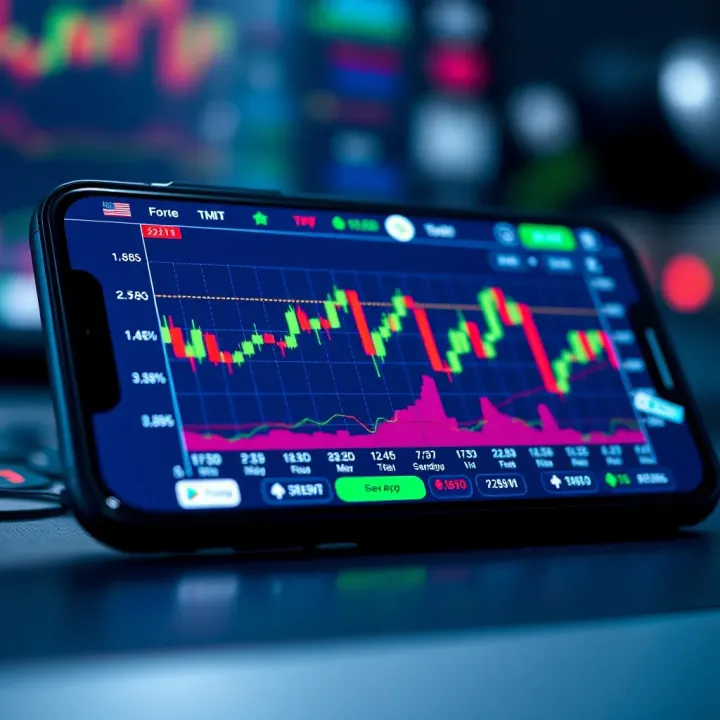
The key features of demo forex trading apps typically include:
Virtual capital: Traders start with a fictional amount, such as R10,000, which can be used to buy and sell currencies.
Real market quotes: Live price feeds mimic actual forex rates, allowing users to see realistic fluctuation.
Order types and execution: The apps support market, limit, stop orders, and more, reflecting real-world trading options.
Risk management tools: Stop-loss and take-profit functions help users learn how to control potential losses.
Practising on a demo account doesn't guarantee live trading success, but it does sharpen your understanding of market dynamics and the trading platform.
There are limitations, though. For example, trading with fake money may not fully replicate the emotional stress and decision-making pressure of risking real Rands. Slippage and liquidity issues that occur in live markets may also not be accurately reflected.
To make the most of demo apps, South African traders should:
Treat it seriously by applying proper money management techniques.
Avoid switching to live trading too quickly; spend enough time understanding how strategies perform.
Choose apps connected to reputable brokers licensed by the Financial Sector Conduct Authority (FSCA).
In summary, demo forex trading apps are a valuable stepping stone for traders in Mzansi. They provide a safe, cost-free environment to build confidence and knowledge before putting real capital on the line.
Forex demo trading apps offer a risk-free way for South African traders to learn how the forex market operates without putting real money on the line. These apps mimic actual trading platforms but use virtual money, so you get to practise buying and selling currency pairs just like in live markets, without the financial stress.
A demo forex trading app is essentially a simulation tool that replicates the experience of real forex trading. It provides users with virtual funds to place trades in real-time market conditions. For new traders in Mzansi, this means getting familiar with market dynamics, understanding how currency pairs behave, and navigating the platform before risking real Rands.
The main purpose of a demo app is to build confidence and competence. For example, a person wanting to trade ZAR/USD or EUR/ZAR can test out strategies, try different order types, and see how economic announcements affect currency movements—all without the worry of losing actual cash.
Demo accounts come pretty close to the actual trading environment. They use live prices streamed from the forex markets, letting you place market orders, limit orders, and stop losses under nearly true-to-life conditions. The apps factor in spreads and commissions, which are costs a trader realistically faces.
That said, some demo accounts might not perfectly reflect slippage or execution delays common in live trading, especially during volatile times. Still, most reputable South African brokers’ demo platforms simulate these factors sufficiently to offer genuine trading practise.
For instance, if there is a sudden rand weakness due to political news, your demo account will mirror the price spikes and dips. This practise helps traders understand how to react quickly and implement risk controls, like trailing stops or hedging.
It’s worth remembering that demo apps are your playground to make mistakes, learn, and refine without the pressure of real financial consequences.
In short, demo forex trading apps serve as a practical introduction to the markets, helping South African traders bridge the gap between theory and live experience. They’re a smart starting point to develop skills, test ideas, and gain the poise needed before committing real money.
When using a demo forex trading app, it's vital to know which features actually matter for your learning and practise. These apps are more than just playgrounds; the right tools and information can make a big difference in understanding the market and sharpening your skills before risking real money.
A clean, intuitive user interface (UI) is the backbone of any effective demo trading app. When you first open the app, you should be able to quickly locate key features like the watchlist, order entry, and account summary without hunting around. For instance, popular apps offered by brokers like IG Markets or EasyEquities provide straightforward layouts where even beginners can feel comfortable.
Besides ease of use, the range of trading tools available is critical. Look for apps that offer technical indicators such as moving averages, RSI (relative strength index), and Fibonacci retracements directly on their charts. These tools help you analyse trends and understand potential entry or exit points without flipping between platforms. For example, if an app allows you to add up to five indicators on a chart, you can practise combining different analyses much like you would in live trading.
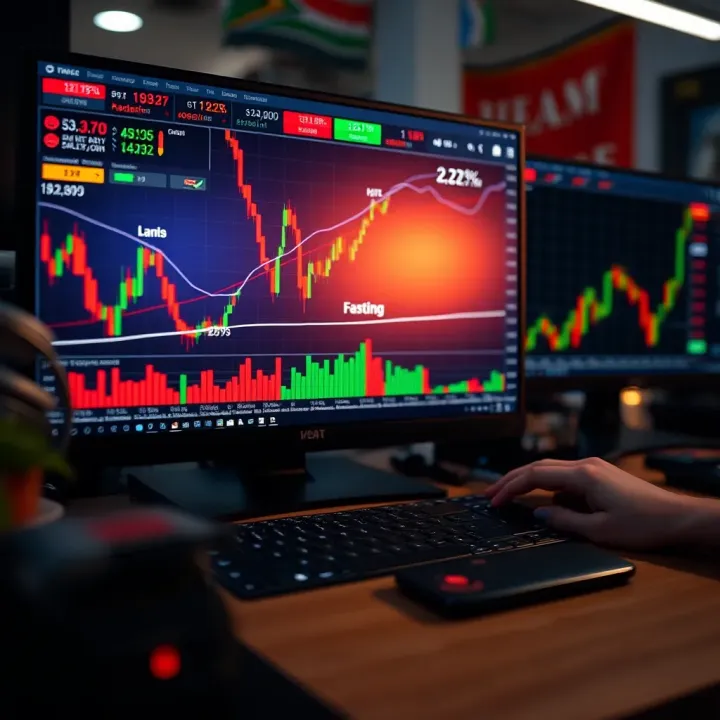
Having up-to-date market data is a must. A demo app that feeds you delayed or outdated price quotes won’t prepare you well for real market moves. South African traders should ensure their demo platform offers price data closely mirroring live conditions—like spot forex rates or futures prices from entities such as the JSE or global markets.
Charts should also be interactive and practical, allowing you to zoom in or out, switch between timeframes (1-minute, 5-minute, daily, etc.), and apply different chart types such as candlesticks or line charts. For example, with a real-time candlestick chart, you can spot patterns like hammer or shooting star candles, which are critical for timing trades.
Trading isn’t just about buying and selling; it’s about managing your risk effectively. Demo apps need to include various order types beyond just market and limit orders. Stop-loss and take-profit orders are essentials that let you practise protecting your capital and locking in profits without staring at the screen all day.
Some advanced demo platforms even let you try trailing stops, which adjust as the price moves in your favour, or conditional orders that execute only if certain market criteria are met. This exposure helps build skills in risk management that can save you from hefty losses once you move to live trading.
Getting to know these features well in a demo environment helps sharpen your trading strategy and builds confidence, so you're not blindsided by unfamiliar tools when real money is involved.
In summary, when picking a demo forex trading app, focus on interfaces that are user-friendly, tools that mirror real trading analyses, real-time data that matches live markets, and comprehensive order types that allow you to practise sound risk management. This way, your practise is as close to the real deal as possible without any financial stress.
Using a demo forex trading app provides a safe space for South African traders to practise without risking actual money. This is especially valuable given the volatile nature of forex markets and the complexity of trading platforms. For beginners and experienced traders alike, demo apps offer practical opportunities to refine skills and test approaches.
Demo accounts allow traders to experiment with different strategies using virtual funds. For example, you might want to try scalping during volatile periods near major economic announcements or test longer-term swing trades on ZAR/USD pairs. Since no real money is at stake, you can afford to make mistakes and learn from them. This hands-on approach beats merely reading strategies from books or forums, as it shows how those ideas play out under changing conditions.
Trading platforms can be overwhelming, especially when you're faced with numerous order types, charts, and indicators. A demo app lets you explore these tools without pressure. For instance, you can practice setting stop-loss and take-profit levels on a live chart or experiment with the MT4 or MetaTrader 5 interface used by many South African brokers. Knowing your way around the platform before trading live helps reduce errors and hesitations.
Getting familiar with how the forex market behaves is crucial. Demo trading exposes you to real-time price movements, spreads, and slippages as they would appear during live sessions. Observing how the ZAR responds to national events, such as SARB interest rate changes or mining sector reports, can improve your market intuition. It also helps you identify patterns, resist emotional reactions, and recognise when to enter or exit trades based on actual market behaviour.
Trying demo trading is like walking in the veld before venturing on a full hike—you prepare yourself for what lies ahead without risk. For South African traders balancing factors like loadshedding, data costs, or broker fees, this preparation offers clear advantages.
Overall, a demo forex trading app acts as a practical classroom where South African traders sharpen their skills, build confidence, and develop deeper insight into currency movements before stepping into live trading. It's a smart first step that saves you from unnecessary losses and boosts your chances of success later on.
Demo forex trading apps serve as useful training grounds, but they aren't perfect reflections of real trading environments. Understanding their limitations helps South African traders avoid pitfalls when moving from practise to live sessions.
One major limitation is the lack of real emotional stakes in a demo account. When trading with virtual money, traders often feel no real pressure, so they might take risks or make decisions they wouldn’t dare with real Rands on the line. For instance, a trader might hold on to losing positions too long or avoid closing profitable trades early simply because there’s no actual financial loss or gain. This emotional disconnect means demo users might not develop the mental discipline essential for dealing with fears, greed, or stress in live markets—a big step many overlook.
Demo accounts typically offer instant order execution and guaranteed fills, but real markets can be messier. In live trading, slippage occurs—where actual trade prices differ from expected ones—especially during volatile times or low liquidity periods. For example, during major economic releases or Eskom loadshedding disruptions, real trades may experience delays or partial fills that demo platforms don't replicate. These execution differences can impact profitability and strategy effectiveness, so traders must stay aware that smooth demo trades won’t always match up with live results.
Relying too heavily on demo trading outcomes can mislead traders about their readiness. Demo success might falsely inflate confidence, encouraging premature shifts to live trading without proper risk management or realistic expectations. For example, a South African trader might find consistent profits in a demo app but struggle once real market emotions and execution variables come into play. It’s vital to view demo results as a learning tool rather than a forecast of live success.
Remember, demo trading is a starting point, not a guarantee. Treat it as an educational phase to build skills, sharpen strategies, and gain platform familiarity before risking actual capital.
By keeping these limitations in mind, South African traders can better prepare for the ups and downs of live forex trading, making wiser choices and managing risk more effectively.
Picking the right demo forex trading app matters if you’re serious about improving your skills before stepping into the live market. The market’s vast and volatile, so an app that aligns with South African trading realities can make practising more realistic and effective. Whether it’s understanding Eskom-related market dips or local regulatory nuances, your choice of app should bring you closer to real-world conditions.
Start by checking if the demo app comes from a broker licensed and regulated by the Financial Sector Conduct Authority (FSCA) in South Africa. This ensures the platform adheres to local consumer protection rules and fair trading practices—very important to avoid scams or misleading pricing. For instance, FSCA-regulated brokers like IG or EasyEquities offer demo accounts that reflect South African trading standards.
A demo on an offshore, unregulated platform may show unrealistic spreads or leverage, which won’t prepare you for what you’ll face on the JSE or in global forex markets accessible to South African traders. Also, some local brokers adjust their offerings to cater to South African rand (ZAR) accounts, which helps you practise trading without currency conversion confusion.
Look for demo apps with a user-friendly interface that feels comfortable but also mirrors the live trading experience. South African traders often access trading apps on their mobiles during commute or from work, so mobile compatibility is a must. An app like MTN’s Cape Town-based FX broker’s platform, which functions smoothly on Android and iOS, lets you practise anytime, anywhere.
The app should provide easy navigation, clear charts, and robust tools — like customisable indicators and quick order execution. Beware of overly complex layouts that might slow your learning curve or frustrate you, especially on smaller screens.
Good demo apps come with more than just virtual money and charts; they offer educational content specific to forex trading. Look for tutorials, webinars, or articles that explain trading basics and strategies. South African traders will benefit from platforms that discuss local market conditions, tax implications, and risk management tailored to the South African context.
Also, dependable customer support is key. If you hit a snag with the app or want to understand the broker’s policies, responsive support via phone, chat, or email will save frustration. Support operating during South African business hours is a boon, ensuring timely assistance with your learning journey.
Choosing a demo forex app linked to a reputable, FSCA-compliant broker and one that suits your mobile lifestyle can significantly boost your trading confidence before investing real Rands.
In summary:
Verify FSCA regulation and local broker compliance.
Prioritise platforms that work well on mobile devices and keep navigation simple.
Choose apps providing educational resources relevant to South African traders.
Confirm access to prompt and knowledgeable customer support.
This approach helps you simulate a genuine trading environment, making the jump from demo to live trading much smoother—and less daunting.
Demo forex trading apps are powerful tools for practising without risking your capital. However, your time spent using them counts only if you approach practise seriously. To truly benefit, applying practical tips can make the difference between gathering useful experience and simply clicking through trades. The suggestions below focus on actionable steps South African traders can take to sharpen their skills before going live.
Start by defining what you want to achieve with demo trading. Are you testing out a specific strategy, or simply getting familiar with the platform? Set clear, measurable targets, such as aiming for a daily win rate, or practising five new order types this week. Stick to sensible limits on trade sizes, even if the virtual funds don’t restrict you. This builds discipline and emulates real trading conditions. For instance, if your plan is to risk no more than 1% of your capital per trade when going live, reflect this in your demo account as well. This will prevent bad habits like overtrading or taking outsized risks.
Keep a trading journal, noting every trade’s entry and exit points, rationale, and outcome. After trading sessions, review the journal to spot patterns—both successes and errors. For example, you might notice you repeatedly exit trades too early or enter during market volatility without proper signals. Addressing these habits early is easier in the risk-free demo environment. Many South African traders forget this step, missing valuable feedback that can improve future trades. Recording detailed notes also helps prepare for tax matters if you transition to live trading.
Moving from demo to live trading can feel like stepping off the stoep into a busy street. To ease the transition, gradually scale your real trades. Begin with smaller amounts that won’t keep you up at night if they falter. This manages emotional pressure that demo accounts simply don’t replicate. Also, double-check your chosen broker complies with South African regulations, including FICA and POPIA standards, so you’re properly safeguarded. Finally, keep using your journal and revisit your initial goals regularly. This helps maintain focus and avoid the common pitfall of overconfidence after a streak of good demo trades.
Practising with a demo forex trading app is only as effective as your strategy around it. Set goals, track outcomes, and plan your next move carefully to build confidence and trading skills that hold up when Rands are on the line.
By applying these practical measures, South African traders can bridge the gap between theory and real market action with mindfulness and readiness.
📚 Learn forex trading basics, key topics, and how to pick the right trading school in South Africa. Start trading smart with confidence today!💹

📊 Explore key Forex trading tips 🇿🇦 tailored for South African traders. Learn market basics, risk control, and tactics for smarter decisions.
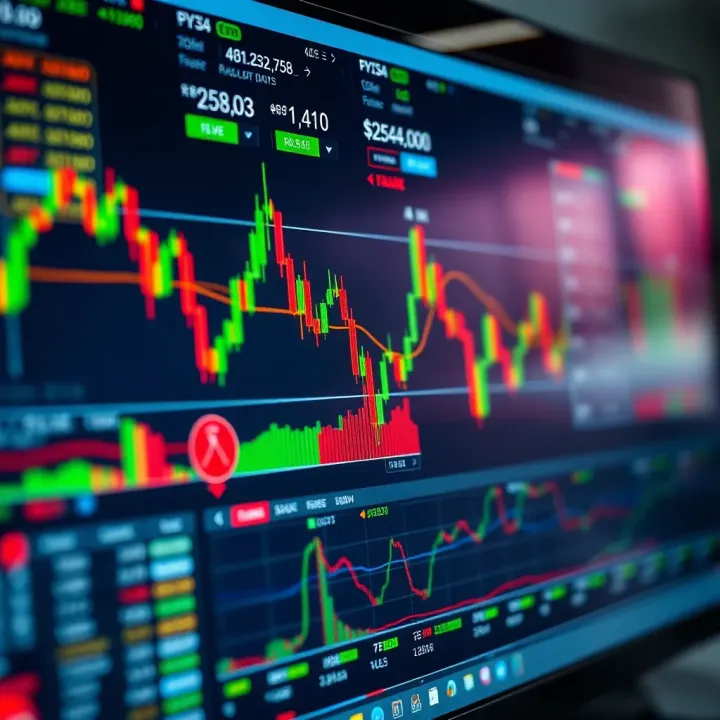
📈 Discover essential forex trading tools to boost your strategies in South Africa—from charting software to risk management and reliable broker platforms.
🇿🇦 Discover practical forex trading strategies tailored for South African traders. Learn smart risk management, avoid common mistakes, and trade confidently! 💹
Based on 10 reviews