

Forex Trading Basics for South African Traders
📈 Master forex trading with practical tips, risk management, and strategies tailored for South African traders. Learn key market hours, local rules & top platforms.
Edited By
Henry Carlisle
When South African traders look beyond local borders to grow their portfolios, Australia’s forex market often comes into focus. This market offers a solid mix of liquidity, regulatory oversight, and access to a range of currency pairs — factors that appeal to those wanting to tap into a different economic context.
Australia’s financial sector is well-regulated by the Australian Securities and Investments Commission (ASIC), which sets clear rules for forex brokers. For South African traders, this means a certain peace of mind when selecting platforms or brokers licensed under ASIC. It’s not just about safety — the regulatory framework also ensures fair trading conditions and transparent operations.

Some popular platforms in the Australian forex scene include IG Markets, Pepperstone, and CMC Markets. These platforms support easy access to currency pairs with decent spreads and competitive leverage options, tailored to various trading styles, from day traders to longer-term investors.
Trading forex in Australia can open doors to a variety of pairs involving the Australian Dollar (AUD), including AUD/USD, AUD/NZD, and even crosses like AUD/JPY. This variety allows South African traders to diversify their strategies by exploiting trends linked to commodities and the Asia-Pacific region.
Understanding the risks is vital. Forex in Australia operates 24/5, but volatility can spike during economic releases or geopolitical tensions affecting the Asia-Pacific markets. Traders should always use risk management tools like stop-loss orders and avoid overleveraging, which is a common pitfall.
To get started, South Africans need to:
Choose a reputable, ASIC-regulated broker with trading conditions that suit their goals
Set up an account and complete any verification to comply with regulatory requirements
Familiarise themselves with currency pairs available, especially those featuring AUD
Use demo accounts before risking real money to build confidence and test strategies
This combination of sturdy regulation, wide market access, and practical steps makes Australia a worth considering destination for South African forex traders who are keen on expanding their horizons.
Getting to grips with forex trading in Australia's setting is crucial for South African traders keen on tapping into this market. Australia operates within a unique time zone, market structure, and regulatory framework, all of which influence trading strategies and opportunities. Knowing how the Australian forex market functions helps you better plan your trades and manage risks, especially if you’re balancing trades across different global markets.
What forex trading involves: Forex trading is the buying and selling of currencies with the goal of making profits from fluctuations in exchange rates. Traders speculate on whether one currency will strengthen or weaken against another. This happens around the clock on a highly liquid global platform, making it one of the most accessible and dynamic financial markets worldwide. For example, a South African trader might choose to buy AUD/USD expecting the Australian dollar to gain against the US dollar based on economic news.
Global forex market size and influence: The global forex market handles about $6 trillion in daily turnover, far exceeding volumes seen in stock or bond markets. This huge scale ensures ample liquidity and facilitates quick trade executions. It also means that major events in any part of the world, including Australia, can sway currency prices significantly. Because of this, global economic indicators, geopolitical moves, and commodity prices all play into forex movements.
Why Australia is a significant player: Australia stands out due to its stable economy, well-developed financial system, and robust regulatory oversight by bodies like ASIC (Australian Securities and Investments Commission). Moreover, Australia’s abundant natural resources make the AUD sensitive to commodity trends, attractive to traders who follow exports and prices of coal, iron ore, and gold. This makes the AUD a popular currency for commodity-linked trading strategies.
Liquidity and market hours: Australia’s forex market traditionally opens around 8 am Sydney time and overlaps with Asian and early European trading hours. This overlap provides ample liquidity, especially in AUD-related pairs, at times when South African traders are active. Liquidity means tighter spreads and better price stability, making it easier to enter and exit trades without slippage. For instance, trading AUD/USD works well during Australian market hours because of this liquidity.
Popular currency pairs involving the Australian dollar (AUD): Key forex pairs featuring the AUD include AUD/USD, AUD/JPY, and AUD/NZD. These pairs are heavily traded and offer good spreads, benefiting traders looking for reliable volume and price movement. South African traders often watch AUD/ZAR as well, though it is less liquid and traded mainly via brokers offering cross-currency pairs. Understanding these pairs lets you align your trading with market rhythms and economic releases relevant to Australia and its trading partners.
Knowing Australia's unique market patterns and the behaviour of the Aussie dollar can give South African traders an edge — picking the right time and pair to trade can reduce risk and improve returns.
Forex trading lets you access a major, well-regulated market.
The AUD’s link to commodities offers specific trading opportunities.
Australia's market timetable overlaps usefully with South Africa's trading hours.
Popular pairs include AUD/USD and AUD/JPY, offering strong liquidity.
Understanding forex broker regulation in Australia is essential, especially for South African traders looking to enter this market. Regulations ensure brokers operate fairly, transparently, and securely, protecting your funds and trading experience. The Australian Securities and Investments Commission (ASIC) is the chief body responsible for overseeing forex activities in Australia.
ASIC oversees all financial services providers in Australia, including forex brokers. It ensures they comply with strict rules on transparency, capital requirements, and conduct. For instance, ASIC mandates that brokers hold sufficient capital reserves to cover client risks and maintain segregated client accounts—keeping your money separate from the broker’s own funds. These rules reduce the chance of fraud or sudden insolvency impacting traders.
In forex trading, ASIC also enforces limits on leverage, which prevents excessive risk-taking. This regulatory oversight reassures traders that brokers cannot offer unrealistic leverage terms that might jeopardise their investments. For South African traders connecting remotely to Australian brokers, ASIC compliance is a sign of a safe and reputable trading partner.
Choosing an ASIC-regulated broker means you benefit from regulatory backing that demands fair trading and protection of client funds.
Trading with an unregulated broker often looks tempting—promises of low fees or high leverage can be attractive. However, such brokers lack oversight, increasing the risk of malpractice, withdrawal delays, or outright scams. Regulation forces brokers to act responsibly, with accountability to a governing body.
Regulated brokers also provide more reliable dispute resolution processes. If a problem arises, you have a clear path to lodge complaints with ASIC. This layer of security is crucial, especially when dealing with markets overseas and different legal systems.
In South Africa, the Financial Sector Conduct Authority (FSCA) regulates forex brokers, setting standards tailored to local market conditions. ASIC's requirements are often seen as more stringent, particularly in capital adequacy, leverage limits, and client protection measures. For example, ASIC limits leverage on major pairs to 30:1 for retail clients, while FSCA allows up to 200:1 in some cases.
That said, both regulators aim to uphold transparency and safeguard traders. The main difference lies in ASIC's wider international reputation and track record of enforcement, which can assure South African traders looking for global standards alongside local oversight.
South African traders can tap into ASIC-regulated forex brokers to access a broader set of trading tools and currency pairs, including AUD pairs with favourable spreads. ASIC brokers often provide modern platforms you might not find with smaller local firms.
Moreover, operating under ASIC means these brokers must maintain strong compliance systems. This benefits traders through consistent execution quality, timely withdrawals, and clear communication of risks.
In practice, working with ASIC-regulated brokers offers South African traders a balance of safety and professional service, making their entry into Australian forex markets less risky and more transparent.
When trading forex linked to Australia, selecting a trustworthy broker is non-negotiable. A reliable broker not only ensures your funds and trades are handled securely but also offers tools and support tailored to your needs as a South African trader. Tapping into brokers connected to Australia means getting better access to AUD currency pairs, reliable execution times aligned with Australian market hours, and a trading environment regulated to high standards.
Regulatory compliance is the backbone of broker reliability. For Australian-linked forex trading, brokers regulated by the Australian Securities and Investments Commission (ASIC) offer a level of protection that South African traders appreciate. ASIC mandates strict capital requirements and regular audits, reducing the risk of fraudulent activity. Using an ASIC-regulated broker means you can trade with some peace of mind, knowing that your money is segregated and dispute resolution processes are in place.
Trading platforms and tools matter just as much as regulation. The broker should provide intuitive, responsive platforms such as MetaTrader 4 or 5, or proprietary software that integrates well with your devices. For example, platforms offering real-time charting, automated orders, and customisable alerts help you react swiftly to forex market moves involving the Australian dollar. South African traders often prefer brokers with mobile apps that allow trading on the go, considering lifestyle and time zone differences.
Fees, spreads, and commissions directly impact your trading profits. Brokers who operate transparently with fixed or floating spreads around AUD/USD or AUD/ZAR pairs make cost calculations straightforward. Beware of brokers that hide charges in withdrawal fees or require large minimum deposits. Low spreads and reasonable commissions let you enter and exit trades more efficiently without unexpected costs eating into your margins.
Customer support quality can make or break your trading experience. You want a broker with accessible support hovering nearby during Australian market hours and, ideally, some overlap with South African trading times. Support teams fluent in English and responsive through chat, email, or phone ease troubleshooting and give confidence if technical issues pop up during key market moments.
Some brokers have earned solid reputations in both Australia and South Africa. Names like IG Markets, Pepperstone, and CMC Markets offer ASIC-regulated services and support a range of currency pairs popular with South African traders. These brokers blend reliability with a user-friendly experience that suits traders less familiar with Australian market nuances.
Before committing, South African traders benefit from reading reviews focusing on fund withdrawals, platform stability, and customer service responsiveness from an Mzansi perspective. Forums and comparison sites often highlight brokers that pay out smoothly or stall on payments. For instance, Pepperstone frequently receives praise for quick withdrawals to South African bank accounts and a straightforward registration process, while IG Markets is noted for transparent pricing but a slightly higher minimum deposit.
Choosing the right broker linked to Australia is about blending security with practical trading needs. Doing your homework around regulation, fees, tools, and local experiences helps you avoid headaches and focus on what matters: trading successfully.
The Australian dollar (AUD) holds a notable spot among global currencies, making it an appealing choice for forex traders, including those in South Africa. Understanding the main currency pairs involving the AUD and the trading opportunities they present is essential. These pairs reflect Australia’s economic ties and market behaviour, giving traders a chance to consider various factors like regional economies, commodity cycles, and central bank decisions.
Among the primary currency pairs featuring the AUD, the AUD/USD is the headline grabber. It closely ties to the US economy and is often the most liquid and widely traded pair involving the Australian dollar. It’s a favourite for traders keen on capitalising on shifts between the two sizeable economies. Other significant pairs include AUD/NZD and AUD/JPY. The AUD/NZD pair captures movements between Australia and New Zealand, two economies with tight trade and financial links. Meanwhile, AUD/JPY can be influenced by risk sentiment globally, making it more volatile but potentially rewarding. There are also minor pairs such as AUD/CAD or AUD/CHF, which offer additional trading options but usually involve less volume and potentially wider spreads.
For South African traders, pairs involving the AUD and ZAR (South African rand) carry extra relevance, though the AUD/ZAR pair might not be as liquid as the majors and minors. Still, pairing the Australian dollar with the rand offers opportunities to benefit from economic divergences between the two countries. Traders might also look at AUD/USD or AUD/JPY for more active markets but keep an eye on how the rand's strength or weakness influences overall portfolio exposure.
Economic indicators shape the AUD’s value significantly. Reports on Australia’s GDP growth, employment stats, inflation rates, and retail sales give traders clues about the currency's potential trajectory. For instance, a stronger-than-expected employment report tends to boost the AUD, reflecting confidence in the economy’s health. South African traders following these indicators can anticipate market moves better and adjust their forex positions accordingly.
Commodity prices form another key pillar. Australia is a major exporter of minerals like iron ore, coal, and gold, so shifts in their global prices impact the AUD directly. When iron ore prices soar, the AUD typically strengthens due to the positive trade balance effect. Trade relations further amplify these movements; close ties with China often influence AUD fluctuations, as China is a prime buyer of Australian commodities. Understanding these links helps traders grasp the bigger picture beyond just chart patterns.
Central bank policies also play a big part. The Reserve Bank of Australia (RBA) sets interest rates and influences monetary policy, which sways investor appetite for the AUD. Rate hikes generally push the AUD up, attracting yield-seeking capital, while cuts can weaken it. South African traders familiar with the South African Reserve Bank (SARB) can compare policies to look for divergences that might drive cross-currency moves, especially between the AUD and ZAR.
Knowing these factors combined equips South African traders to spot valuable forex opportunities involving the Australian dollar and make informed decisions rather than relying on guesswork.
Forex trading isn't just about spotting the right opportunity; it's also about managing the risks that come along. For South African traders tapping into the Australian forex markets, understanding these risks and how to handle them can mean the difference between consistent profits and losing your shirt.
Market volatility is one of the trickiest challenges. Currency prices can swing wildly within minutes because of sudden economic news or shifts in global trade sentiment. For example, a surprise interest rate change in Australia might send the AUD lower against the ZAR within moments. This unpredictability means traders must stay alert and ready to act quickly.
Then there’s leverage risks. Forex brokers in Australia and platforms accessible to South African traders often offer high leverage ratios—sometimes up to 500:1. While leverage can multiply your gains, it equally magnifies losses. Say you trade with leverage of 100:1 on a R10,000 deposit; a seemingly small 1% move against you could wipe out your entire stake. Overleveraging without proper controls frequently leads traders into deep losses.
Another concern is counterparty and platform risks. Not all brokers are created equal—some might have weak financial backing or questionable practices. This could lead to delays in withdrawals or even broker insolvency. Choose platforms regulated by ASIC (Australian Securities and Investments Commission) to protect yourself. Also, technical glitches or downtime during volatile spells can stop you from closing losing trades in time.
One practical way to guard your capital is by setting stop-loss and take-profit levels. These are automatic instructions your trading platform follows: a stop-loss caps how much you lose on a trade, while a take-profit secures your gains once a certain price is reached. For instance, if you buy AUD/USD at 0.7000, you might set a stop-loss at 0.6900 to limit losses to about 100 pips, and a take-profit at 0.7150 to lock in profits.
Diversification spreads risk across different currency pairs instead of betting heavily on just one. If you focus solely on AUD/USD but the Australian economy takes an unexpected hit, your losses may be significant. Adding pairs like AUD/JPY or USD/ZAR can balance your portfolio and reduce volatility's impact.
Lastly, using demo accounts for practice is invaluable before committing real money. These are virtual trading accounts where you replicate live market conditions without risking a cent. Practising with brokers that offer Australian market access allows you to test strategies and understand price movements in the AUD pairs under real-time conditions, building confidence before entering the actual market.
Managing risk isn't about avoiding losses altogether but making sure that when they do happen, they're controlled and don’t derail your overall trading journey.
Getting a handle on risks paves the way to consistent trading and better chances of maximising profits in Australia's forex scene as a South African trader. Taking the time to understand these elements keeps you sharp and prepared in a market that rarely sits still.
Starting out in the Australian forex market offers South African traders access to a well-regulated environment and diverse trading opportunities. Understanding how to open an account, fund it efficiently, and make use of the right technology is vital. This section guides you through practical steps and tools that can help smooth your entry into trading with Australian forex brokers.
Registering with an Australian forex broker usually involves providing proof of identity and residence, complying with Know Your Customer (KYC) rules similar to those enforced by the Financial Sector Conduct Authority (FSCA) in South Africa. Typically, you’ll fill out an online application form, submit documents such as your ID book or passport, and proof of address, like a utility bill. This process ensures both your safety and compliance with regulations.
Once your account is approved, you'll need to fund it. Most Australian brokers accept multiple payment methods compatible with South African banks and electronic wallets. Popular options include EFT (Electronic Funds Transfer) from major banks like FNB, Capitec, or Standard Bank, as well as international payment systems such as Skrill or Neteller, which offer quicker deposits and withdrawals. Some brokers also allow funding via credit or debit cards, though fees and processing times vary.
Trading platforms are the bridge to the forex market. Australian brokers often provide access to globally recognised platforms like MetaTrader 4 (MT4), MetaTrader 5 (MT5), and cTrader. These platforms come with mobile apps that allow you to trade on the go—critical in South Africa, where mobile internet usage is high and reliable connectivity can fluctuate due to loadshedding or network issues.
Charting and analysis tools built into these platforms give you real-time data to make informed decisions. Features like customizable indicators, economic calendars, and news feeds tailored to currency movements help you spot trends and potential trade setups. For instance, tracking Australia’s commodity exports alongside Reserve Bank of Australia (RBA) policy changes informs AUD-related trades, especially important when managing South African clients’ risk exposure.
Using a regulated platform with efficient technology can save you from costly mistakes and boost your confidence in trading decisions.
In short, South African traders looking to tap into Australian forex markets should focus on smooth account opening procedures, reliable funding options, and robust trading technology. Getting these elements right lays a strong foundation for successful and manageable trading experiences.
📈 Master forex trading with practical tips, risk management, and strategies tailored for South African traders. Learn key market hours, local rules & top platforms.

📉 Learn forex trading basics tailored for South African traders. Understand currency pairs, market setup, reliable platforms plus smart risk management tips.

📊 Explore key Forex trading tips 🇿🇦 tailored for South African traders. Learn market basics, risk control, and tactics for smarter decisions.
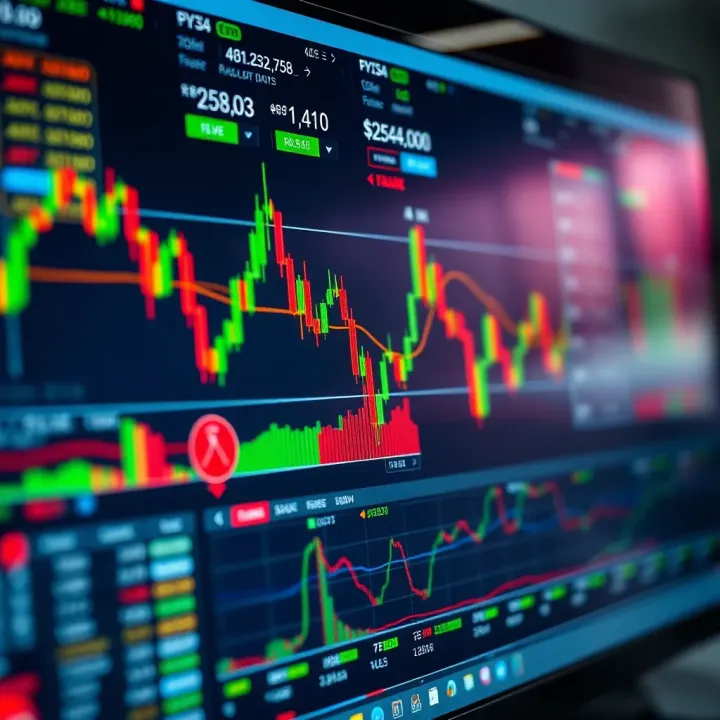
📈 Discover essential forex trading tools to boost your strategies in South Africa—from charting software to risk management and reliable broker platforms.
Based on 15 reviews