
Top Forex Trading Apps for South African Traders
📈 Explore the best forex trading apps for South Africans. Compare fees, security, features, and ease of use to trade confidently within local regulations and manage risks.
Edited By
Charlotte Reid
Forex trading, or foreign exchange trading, involves buying and selling currencies to profit from fluctuations in exchange rates. In South Africa, this market operates 24 hours a day, five days a week, offering opportunities for traders to speculate on global economic events from their own homes.
South African forex trading largely mirrors international markets but carries unique considerations tied to local regulations, currency controls, and broker options. The South African Reserve Bank (SARB) regulates forex activities to maintain stability in the rand (ZAR) and protect traders. Meanwhile, the Financial Sector Conduct Authority (FSCA) oversees broker licensing and trader protection measures.
Successful trading in forex requires a solid understanding of market mechanics, risk management, and compliance with South African regulations.
Traders typically access the forex market through online brokers, many of whom are registered with the FSCA. These brokers offer platforms where you can trade popular currency pairs like EUR/ZAR, USD/ZAR, and GBP/ZAR. A few prominent local brokers make it easier for South Africans by allowing deposits and withdrawals in rand, avoiding costly currency conversion fees.
Understanding the role of leverage is vital. South African brokers commonly offer leverage of up to 1:200, amplifying both gains and losses. Given this risk, it’s wise to start with smaller trade sizes and apply stop-loss orders to limit potential downside.
Local economic events also influence trading decisions. For instance, Eskom’s loadshedding schedules, SARS tax announcements, or SARB’s interest rate changes can cause notable rand volatility. Staying informed about these factors gives traders an edge.
In the sections that follow, we’ll cover how to select a reliable broker, effective trading strategies adapted for the South African environment, and tips to navigate the regulatory landscape with confidence. This foundation will help you trade smarter and protect your capital in the dynamic forex space.
A solid grasp of how forex trading works lays the foundation for anyone keen on entering or advising within the market. Knowing what moves currencies, the structure of the market, and trading specifics helps traders, investors, and analysts alike make clearer decisions with their capital or recommendations. Without this understanding, navigating the fast-paced forex arena, especially from South Africa, can feel like groping in the dark.
Forex trading, short for foreign exchange trading, is the process of buying one currency while simultaneously selling another. It’s purpose-built for exchanging money intended for international trade, investment, travel, or speculation. For instance, when a South African travels to Europe, they exchange rand (ZAR) for euros (EUR). Forex trading takes this concept deeper, allowing participants to speculate on currency value changes to profit from fluctuations.
Currencies are exchanged through a decentralised network of banks, brokers, institutions, and electronic platforms 24/5. Trades aren’t limited to one country’s stock exchange or financial centre but occur wherever there’s market activity worldwide. For South African traders, this means the rand’s rate against the US dollar (USD), euro, or British pound (GBP) can shift around the clock, influenced by factors from Joburg’s financial sector to economic reports in New York or Frankfurt.
The forex market runs 24 hours a day from Monday morning in Asia through to Friday evening in the US, rotating across major financial centres like Tokyo, London, and New York. This continuous operation means South African traders can engage outside traditional office hours. For example, afternoon traders in Johannesburg might find the European session more active and volatile, offering more opportunities to profit or manage risk.
Major pairs include currencies like the USD, EUR, JPY (Japanese yen), GBP, CHF (Swiss franc), AUD (Australian dollar), and CAD (Canadian dollar). Their high liquidity and trading volumes mean these pairs often set the tone for global forex trends. The South African rand (ZAR) usually features in the so-called 'exotic' pairs, such as USD/ZAR, where local economic news or commodity prices like gold and platinum can trigger sudden moves. Understanding these pairs helps traders time entries and exits better.
Leverage allows traders to control larger positions with a smaller amount of capital, using borrowed funds from brokers. For example, a 1:100 leverage means you can trade R10,000 worth of currency with just R100 deposited as margin. While leverage can magnify gains, it also multiplies losses and demands disciplined risk management. South African traders should be cautious with leverage, especially given local market volatility and the rand’s sensitivity to global shifts.
Getting familiar with these core aspects — what forex is, how it operates globally, the market’s timing, main currency pairs, and the leverage rule — is the first step to navigating forex trading sensibly in the South African context.
Understanding how forex trading unfolds in South Africa sheds light on the day-to-day mechanics traders face, including legal frameworks and practical realities. This insight helps traders navigate the market with better awareness of the local context, especially the role brokers and platforms play and the intricacies of account management and funding.
South African traders can choose between local brokers regulated by the Financial Sector Conduct Authority (FSCA) and international brokers typically operating offshore. Local brokers offer the advantage of regulatory oversight aligned with South African financial laws, providing a layer of investor protection such as adherence to client fund segregation rules. For example, a local broker registered with the FSCA must comply with anti-money laundering legislation and provide dispute resolution avenues.
On the other hand, international brokers may offer access to a wider range of currency pairs or higher leverage. However, these platforms may come with weaker regulatory protection and challenges around dispute handling from South Africa. Traders often weigh these factors based on their risk tolerance and the reputation of the broker.
Platforms like MetaTrader 4 (MT4) and MetaTrader 5 (MT5) dominate the South African forex scene due to their user-friendly interface and advanced charting tools. These platforms support automated trading strategies through expert advisors, popular among more experienced traders. Alternatively, brokers such as IG and HotForex offer proprietary platforms that incorporate local payment options and provide direct support tailored to South African clients.
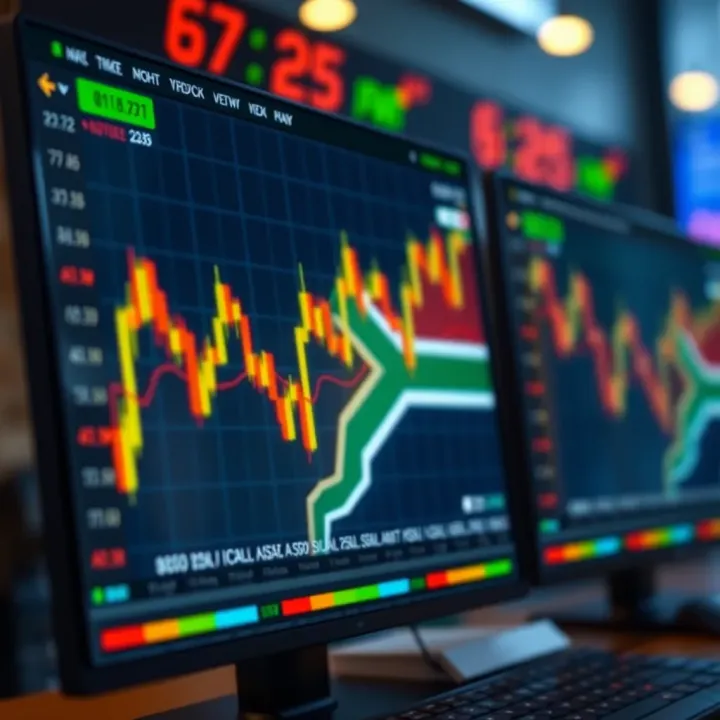
For instance, many traders rely on MT4 for its robust features and community support, but may also appreciate an FSCA-regulated broker's proprietary software that integrates ZAR funding methods seamlessly.
Setting up a forex account in South Africa usually involves submitting identification documents like a South African ID or passport, proof of address, and sometimes proof of income. These requirements align with FSCA regulations aimed at preventing fraud and money laundering.
Registrations are generally straightforward and can be completed online, with brokers often assisting applicants in navigating necessary compliance steps. For newbies, a demo account option allows practise before risking real money.
Traders enjoy a variety of funding options, including bank transfers, credit/debit cards, and popular local e-wallets such as SnapScan and Zapper. Some brokers also accept mobile payments via platforms linked to South African banks like FNB or Standard Bank. These payment methods ensure convenient and relatively quick deposit and withdrawal processes.
For example, a trader funding via EFT (electronic funds transfer) might experience a delay of 1-3 business days, while card payments or e-wallets typically reflect instantly.
Since the forex market uses major international currencies like USD and EUR, South African traders depositing funds in rand usually face currency conversion. Brokers may either convert deposits automatically at prevailing rates or require South Africans to hold USD accounts directly.
Currency fluctuation can affect the actual amount credited for trading, so it’s wise for traders to pay attention to conversion fees and rates offered by their broker. Moreover, some brokers allow holding multi-currency accounts, helping manage conversion costs for active traders dealing in multiple currencies.
Choosing the right broker and understanding funding logistics, including currency effects, play a key role in ensuring smooth forex trading in South Africa.
South Africa's forex trading environment is tightly regulated to ensure fair play and protect traders. Given the global nature of currency markets, local regulations help create a secure framework for South African traders to operate in. Understanding these rules is vital for anyone looking to trade forex within the country as it affects the choice of brokers, tax responsibilities, and compliance requirements.
The FSCA is the primary regulator overseeing forex brokers in South Africa. Any firm offering forex trading services locally must be licensed by the FSCA. This licensing process requires brokers to meet specific capital adequacy standards and demonstrate operational transparency. For example, a broker without an FSCA licence should raise red flags because they operate outside the law, potentially exposing you to higher risks such as unfair trading practices or withdrawal issues.
On the investor protection front, the FSCA enforces strict rules that brokers must follow. This includes clear communication about risks involved in forex trading and implementing segregation of client funds to prevent misuse. It also enforces dispute resolution mechanisms should traders encounter problems with their brokers. In practice, this means if you trade with a FSCA-regulated broker, you have a layer of protection that helps safeguard your capital and supports the resolution of complaints.
From a tax perspective, South African forex traders must declare profits or losses in their income tax returns. The South African Revenue Service (SARS) treats forex income as either capital gains or revenue, depending on trading frequency and intent. For instance, a full-time trader who actively trades daily will generally be taxed on profits as income, while casual traders might report gains as capital profits. It’s crucial to keep detailed records of all trades, as SARS may request evidence during assessment.
Compliance with financial laws also means forex brokers and traders must adhere to anti-money laundering (AML) and know-your-customer (KYC) regulations. These rules require brokers to verify identities, report suspicious transactions, and maintain transparent records. For traders, this process might involve submitting identification documents and proof of residence when opening accounts. These measures make it harder for illicit funds to enter the forex market, adding a layer of trust and security for everyone involved.
Following FSCA regulation and South African financial laws provides a safer and more transparent forex trading experience. Traders should always confirm their broker’s licensing status and understand their tax and compliance obligations to avoid pitfalls.
Understanding the regulatory environment is key to navigating forex trading safely within South Africa. The framework established by the FSCA and SARS shapes how you choose brokers, manage taxes, and comply with the law. Staying informed protects your investments and helps you trade confidently in the forex market.
Forex trading can be rewarding but also risky, especially without the right approach. For South African traders, employing proper trading strategies coupled with sound risk management is vital. These tools not only help safeguard your investment but can improve your chances of consistent profits — particularly in a market as volatile as forex.
Technical analysis involves studying price charts and patterns rather than company fundamentals or news. Traders look at historical price movements, often utilising indicators like moving averages or the Relative Strength Index (RSI). For example, a trader in Johannesburg might monitor the daily chart of the USD/ZAR pair to spot when the Rand is showing signs of weakness and decide when to buy or sell accordingly.
This approach suits those who prefer making decisions based on price action and market behaviour. It requires strict discipline and the ability to read charts, making it practical for traders who are comfortable with numbers and graphical data.
Fundamental analysis assesses economic events and indicators that affect currency values. South African traders need to keep an eye on local factors like inflation data, interest rate decisions from the South African Reserve Bank (SARB), political developments, and employment statistics. For example, an interest rate hike by SARB might strengthen the Rand and influence trading decisions.
Understanding such dynamics helps traders anticipate price movements based on actual economic shifts rather than just technical patterns. Combining fundamentals with technical analysis creates a more rounded trading strategy.
Stop-loss and take-profit orders are vital tools that limit losses and lock in profits automatically. A stop-loss order closes your trade when it hits a certain loss level, protecting you from large unexpected dips. On the other hand, a take-profit order sells your position once a target profit is reached.
For instance, if you buy USD/ZAR at 18.50, you might set a stop-loss at 18.30 to avoid bigger losses if the Rand suddenly strengthens. Similarly, a take-profit at 18.70 would secure your gains without having to watch the market continuously.
Leverage lets traders control large positions with a smaller amount of capital. While this can amplify profits, the risk of big losses grows equally fast. In South Africa, brokers may offer leverage up to 1:200, but using such high leverage without care can drain your account quickly.
It's essential to understand how leverage multiplies risk and to use it cautiously. Many experienced traders recommend starting with lower leverage and gradually increasing it as you gain confidence and experience.
Demo accounts simulate real trading environments without risking actual money. They allow you to practice strategies, understand platform mechanics, and get a feel for market conditions before diving in.
For South African traders, using demo accounts from brokers like IG or local FSCA-regulated platforms can build essential skills. For example, testing technical setups or trying out leverage management in a demo environment helps prevent costly beginner mistakes.
Effective trading means balancing strategy with control. Without managing risk, even the best approach can crumble. Using technical tools, understanding local factors, and protecting your capital are what keep your trading journey sustainable.
Adopting these trading and risk management habits will improve your odds in South Africa's competitive forex scene while guarding your funds against erratic market swings.
Navigating the forex market without a solid grasp of practical advice and dependable resources can be like trying to braai without fire—possible, but not ideal. For South African traders, this means not only understanding global market movements but also recognising and using local tools, educational materials, and brokers tailored to our unique economic environment. Access to reliable information and knowledgeable guidance helps traders build confidence and avoid common mistakes.
South Africa offers a decent spread of forex education, from online tutorials to in-person workshops. Platforms like the South African Institute of Financial Markets or local chapters of international bodies often provide courses that cover the basics and more advanced strategies, sometimes touching on local tax implications too. Sites with Market Wizards-style webinars also help by sharing real examples, not just theory, which is handy for beginners aiming to understand how forex fits into everyday economic shifts.
Selecting a broker isn't just about flashy platforms or bonuses; it's about trust and suitability. Locally regulated brokers licensed by the Financial Sector Conduct Authority (FSCA) come with added investor protection. For instance, trading with a regulated broker minimises the chance of falling victim to scams. Consider your trading style—do you want tight spreads for scalping, or better educational support? Comparing fees, platform usability, and customer service responsiveness saves headaches down the line.
Successful trading often boils down to reading the charts well. Tools like TradingView, MetaTrader, or ThinkorSwim offer a range of indicators including moving averages, RSI, and Fibonacci retracements to help decode price movements. Using these tools allows you to spot trends or reversals before they happen. For South African traders, incorporating local market hours into your analysis is crucial because certain indicators can behave differently when the Rand is actively moving.
Given that the Rand is often volatile due to political events, inflation updates, or commodity price changes, staying updated with local economic news is vital. Websites like Fin24 or BusinessTech provide up-to-date financial news that can impact your trades. Subscribing to newsletter alerts or following reliable South African economic analysts on social media helps you react quickly to shifts, ensuring your strategy stays relevant amid fluctuating market conditions.
Unfortunately, the forex space attracts its share of dodgy operators, especially when traders are eager to jump in. A red flag is brokers offering unrealistically high returns with little risk or refusing to provide FSCA licences upon request. Always cross-check broker credentials on the FSCA register, and be wary of brokers that pressure you to deposit large sums quickly. Never overlook independent reviews or trader forums; they often highlight experiences others have had.
Forex trading isn’t a fast track to becoming rich and doesn’t offer guaranteed profits. Many South African traders dip their toes only to get frustrated by losses during early attempts. Patience and managing your expectations are key. Start small, use demo accounts, and understand that losses are part of learning. Developing discipline, managing risk correctly, and consistently honing your skill set lead to steady, sustainable results rather than quick wins.
Trading forex in South Africa requires a clear plan, good tools, and local insight. With the right education and by steering clear of scams, traders stand a better chance of success in a market that moves fast and can surprise at any moment.
📈 Explore the best forex trading apps for South Africans. Compare fees, security, features, and ease of use to trade confidently within local regulations and manage risks.
📊 Find the right forex trading software for South African traders! Compare costs, reliability & user-friendliness while keeping your trades secure. 💻
📚 Explore must-read forex trading books offering clear strategies, analysis tips, psychology insight, and risk management advice tailored for South African traders.
💹 Explore top forex trading platforms, strategies, and risk tips tailored for South African traders. Make smart moves in forex with local insights and trusted brokers.
Based on 13 reviews