
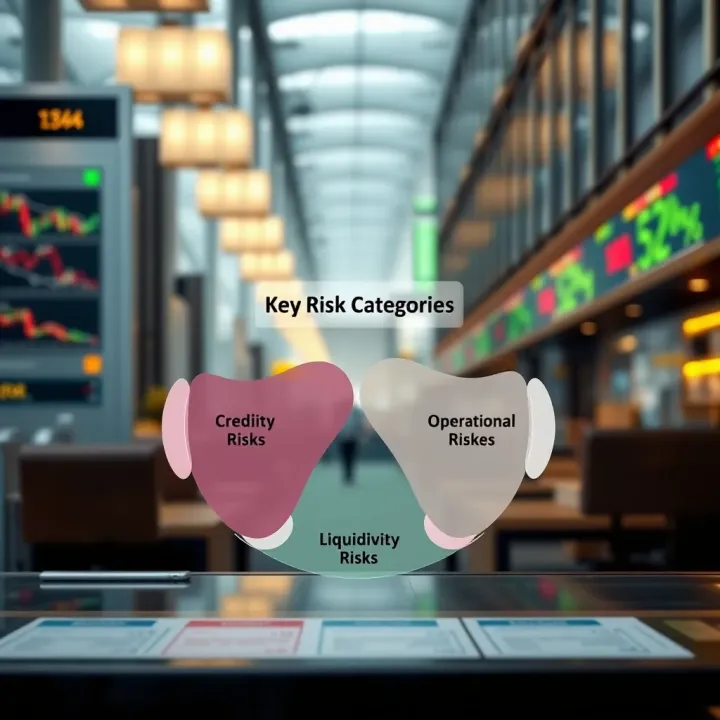
Effective Risk Management in Banking
📊 Explore how banks identify, assess, and manage risks affecting capital and earnings, with insights on local regulations and practical strategies for stability.
Edited By
Emily Bennett
Risk management systems are essential tools for any organization that wants to avoid unexpected setbacks that can hurt business. At their core, these systems help identify risks, assess their potential impact, and set up controls to minimize damage. Without a solid risk management system, companies might operate blind to threats lurking beneath the surface.
A practical example: Think of a trading firm exposed to market fluctuations. A risk system monitors various risk factors like price volatility, credit risks, and liquidity constraints. By analyzing data in real time, it alerts traders when exposure hits predefined limits, helping avoid bigger losses.

Key components typically include:
Risk Identification: Pinpoint threats like economic downturns, cybersecurity breaches, or supply chain failures.
Risk Assessment: Evaluate how likely these risks are and how severe the impact could be.
Risk Control: Develop strategies to mitigate risks, such as diversification, hedging, or tighter operational controls.
Monitoring and Reporting: Track risk factors continuously and provide insight to decision makers.
Effective risk management is a continuous process, not a one-off task. The goal is to spot potential issues early enough to act swiftly.
Tools come in many shapes, from simple spreadsheets to complex software platforms like SAS Risk Management, IBM OpenPages, or Microsoft Power BI combined with custom dashboards. Choosing the right tool depends on the organization's size, complexity, and industry. For instance, an investment firm may need sophisticated quantitative models, while a small business may rely on straightforward risk registers.
Practically, successful implementation involves clear communication across departments, regular training, and integrating risk management into daily workflows rather than it being an afterthought. Plus, having transparent reporting means everyone understands the current risk posture.
The bottom line: a good risk management system isn’t just about avoiding losses—it enables smarter decision-making by giving you a clear picture of threats and how to handle them before things spiral out of control.
Understanding the foundations of risk management systems is key for any organization looking to keep threats in check while making solid decisions. These systems act like a structured playbook, helping businesses spot risks early, assess their impact, and decide how best to handle them. For traders, investors, and analysts, getting these basics right means better control over financial outcomes and more confidence when navigating market uncertainties.
Risk usually refers to the chance that an event will occur, causing some kind of loss or harm. In a business context, that could mean losing money, damaging reputation, or facing legal trouble. For example, consider a hedge fund exposed to sudden currency swings—they need to understand the risk of those swings affecting portfolio returns. Ignoring risk can lead to costly surprises, while managing it well keeps firms nimble and ready.
The primary goal is to identify potential risks before they turn into full-blown problems. Once identified, these systems assess how severe each risk could be and prioritize them accordingly. Afterward, they guide organizations in applying strategies such as reducing exposure, transferring risk through insurance, or accepting minor risks while preparing contingency plans. Ultimately, risk management systems aim to safeguard assets, ensure regulatory compliance, and support strategic goals.
Financial Risk
Financial risk relates to the possibility of losing money in investments, changes in market prices, credit defaults, or liquidity problems. For instance, a portfolio manager faces market risk when stock prices drop unexpectedly, impacting asset value. Proper financial risk management involves diversifying investments and monitoring market conditions to limit potential losses.
Operational Risk
This type of risk arises from internal processes, systems, or human errors. For example, a trading firm relying on outdated software might experience delays leading to missed opportunities or errors in execution. Operational risk also includes risks like cyberattacks or supply chain breakdowns. Addressing these risks requires robust internal controls, employee training, and reliable technology.
Compliance Risk
Compliance risk involves penalties or legal trouble resulting from not following laws, regulations, or internal policies. Financial institutions, for example, must comply with SEC regulations and anti-money laundering laws. Failing to do so can lead to fines, reputation damage, or even business shutdowns. Effective risk management systems set clear guidelines and monitor adherence continuously.
Strategic Risk
Strategic risk comes from decisions that affect long-term business direction. Take a company investing heavily in fossil fuels amid growing renewable energy trends; shifts in the market or regulations could threaten its viability. These risks require careful analysis of market trends, competitor moves, and regulatory environments to avoid costly missteps.
Building a solid foundation in understanding risk types and how they influence organizational goals helps decision-makers tackle uncertainty with confidence and clarity.
Effective risk management hinges on several core components that help organizations spot, evaluate, and control threats before they escalate. These elements form the backbone of any risk management system, allowing businesses to act decisively and keep their operations steady.
Risk assessments are the groundwork for identifying potential hazards. This involves systematically pinpointing what could go wrong within an operation—be it market fluctuations, IT vulnerabilities, or supply chain interruptions. For example, a trading firm might conduct monthly assessments to check for new regulatory changes that could impact compliance costs. These assessments help prioritize where to focus resources early on.
Gathering insights directly from individuals across an organization can uncover risks that other methods might miss. Workshops and interviews encourage collaboration and capture a variety of perspectives. For instance, interviewing sales, legal, and IT teams in a firm may reveal operational risks tied to contract management or cybersecurity gaps. Such interactive sessions foster a shared understanding and highlight risks everyone needs to watch.
Examining past incidents and performance data allows companies to spot patterns or recurring issues. A financial analyst might study previous quarters’ losses to identify trends linked to market volatility or trading errors. This technique provides concrete evidence to support risk predictions and helps anticipate potential weak spots based on real experience.
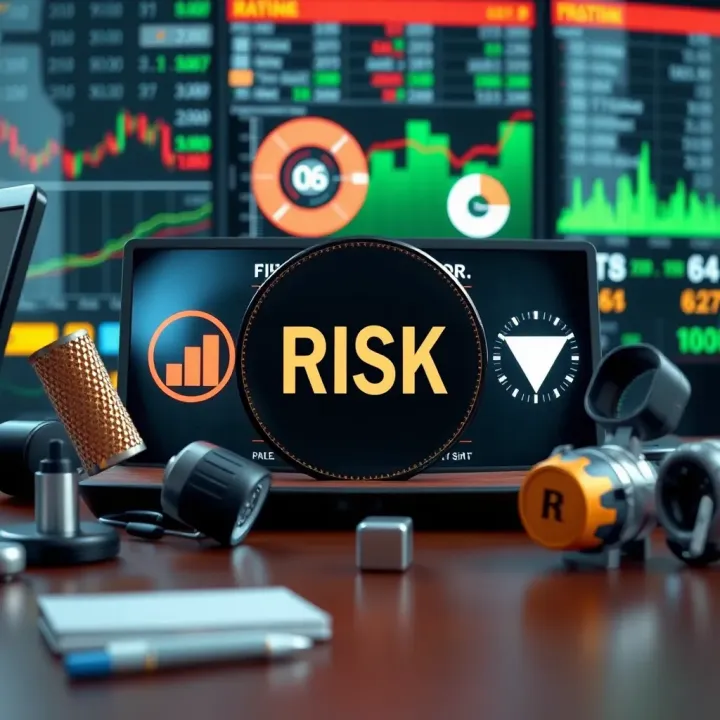
Risk assessment balances descriptive insights with hard numbers. Qualitative methods involve expert judgment—like rating risk severity as high, medium, or low—while quantitative methods use data, such as calculating potential dollar losses. A hedge fund may use qualitative assessments to flag emerging geopolitical risks but rely on quantitative models to simulate portfolio impacts. Combining both gives a fuller picture.
Once risks are identified, assigning scores helps rank them by importance. This could mean scoring risks based on likelihood and impact to prioritize attention. For example, an investment bank might rank a cyber breach as high risk with high impact, pushing it to the top of the mitigation list. Proper scoring ensures the team doesn’t waste time on minor risks.
This strategy means steering clear of activities that carry unwanted risk altogether. A company might avoid entering markets with unstable political climates to prevent related financial losses. While avoidance cuts risk completely, it could also mean missing growth chances.
Reducing risk involves taking steps to lessen its likelihood or impact. For example, a brokerage firm might implement two-factor authentication to cut cyberattack chances. This strategy balances risk with operational capability.
Transferring risk often means shifting it to a third party, like buying insurance or outsourcing certain functions. An investor might buy credit default swaps to protect against bond defaults. This approach keeps risk off the company’s books but typically comes at a cost.
Sometimes, the best choice is to accept risk when it’s minor or too costly to avoid. A startup might accept some market volatility as part of growth strategy, knowing potential gains outweigh downsides. This calls for ongoing monitoring to ensure the risk remains manageable.
Continuous oversight is key to ensure controls work and new risks don’t slip by unnoticed. Regular reports and dashboards keep leadership informed, enabling quick action when situations change. For example, a firm might set up weekly risk reviews linking real-time trading data with compliance checklists to spot deviations fast.
At its core, effective risk management depends on solid identification, clear assessment, appropriate mitigation, and vigilant monitoring. Getting these components right empowers organizations to face uncertainty with confidence.
In today's fast-moving markets, using the right tools and technology for risk management isn't just helpful—it’s a must. They provide the ability to track risks accurately, analyze data efficiently, and respond quickly before problems escalate. For traders, investors, and consultants, these systems turn raw information into actionable insights, making risk control smarter and more precise.
Integrated Risk Management Platforms bring several risk functions under one roof, helping teams see the full picture without juggling multiple disconnected systems. Platforms like MetricStream and LogicManager consolidate financial, operational, and compliance risks so decision-makers can prioritize what matters most. For example, a portfolio manager can monitor credit and market risk simultaneously, reducing blind spots that might cost millions.
These platforms streamline workflows by automating risk assessments and generating reports. This means less time collecting data and more time making decisions. The unified dashboards also improve collaboration across departments, so everyone’s on the same page about evolving threats.
Specialized Risk Analytics Tools focus on deep-diving into specific types of risks using advanced algorithms and models. Take Palantir’s Foundry or SAS Risk Management—they provide tailored insights into market volatility, credit exposure, or operational disruptions. These tools can crunch huge datasets faster than any human, flagging patterns that might slip under the radar.
For instance, an investment analyst tracking emerging market risks can use these analytics to detect shifts in political stability or currency fluctuations early. With precise analytics, firms avoid knee-jerk reactions and craft informed strategies that keep their portfolios resilient.
Predictive Analytics applies statistics and machine learning to forecast risk events before they happen. Platforms like IBM Watson and Microsoft Azure AI use historical data combined with real-time inputs to predict defaults, fraud, or compliance breaches. This helps risk managers stay ahead instead of reacting after losses occur.
Predictive models can highlight subtle risk triggers, such as customer behavior anomalies, that human analysts might overlook. For example, a broker detecting unusual trading volumes in specific stocks weeks before a downturn could warn clients to adjust their positions.
Real-Time Monitoring uses sensors, feeds, and AI to track risks as they unfold across global markets and operations. Tools like MetricStream Starlight or SAS Viya provide live dashboards displaying everything from market price swings to supply chain delays.
This immediacy is vital for investors who need to respond instantly to sudden changes. Imagine a hedge fund receiving alerts about geopolitical tensions affecting oil prices and making swift trades to minimize losses. Real-time monitoring turns guesswork into a well-informed, timely action.
The bottom line is that adopting the right combination of software and AI-driven tools elevates risk management from guesswork to a strategic advantage, especially in environments where every second counts.
Successful risk management doesn’t end with designing a plan—it requires proper implementation and ongoing maintenance. This phase turns theoretical strategies into daily practices that actively protect your organization. Traders, investors, and analysts especially need a system that adapts and improves over time, minimizing surprises and losses.
Before putting any risk system in place, you have to understand what your organization truly needs. This means looking at the types of risks you face—whether it's market risk for traders or compliance risk for consultants. For example, an investment firm might prioritize volatile market fluctuations, while a brokerage could focus more on regulatory risks.
A practical step is conducting stakeholder interviews and reviewing past incidents to build a clear picture of your risk landscape. This groundwork ensures the system you design targets the right vulnerabilities without wasting resources.
Once you understand your risks, designing the system framework is next. This framework sets the rules, roles, and processes for managing risks effectively. It should clarify how risks are identified, assessed, and addressed across your organization.
For instance, assigning clear accountability ensures that risk owners are responsible for monitoring specific risks, while defining communication channels avoids confusion during incidents. A risk framework that suits a fast-paced trading desk will differ from that of a consulting firm, so customization is key.
A risk system only works if everyone knows how to use it. Proper training programs give your team the skills to spot risks early and respond correctly. Regular communication keeps risk awareness high.
Consider rolling out quick, scenario-based sessions for traders that simulate market shocks or compliance breaches. This hands-on approach helps embed risk management into daily routines.
No risk system should gather dust. Regular audits identify gaps in your processes or controls. This isn’t just about ticking boxes—it’s about discovering what isn’t working before it causes trouble.
For example, an auditor might find that risk scores are outdated or that certain automated alerts are ignored. Fixing these issues keeps the system responsive and trustworthy.
Listening to your team’s experiences is crucial. Day-to-day users often spot flaws or suggest improvements earlier than reports reveal. Having a clear feedback loop helps your system evolve based on actual needs.
A trading team might report that certain risk dashboards are confusing, prompting updates for better clarity. This practical input makes risk management more user-friendly and effective.
Regulations don’t stay still. Whether it’s SEC rules impacting brokers or new financial reporting standards, your system must stay compliant. Monitoring regulatory updates and adjusting policies is part of healthy risk governance.
Failing to adapt can result in fines or operational setbacks. Proactive adaptation protects your operations and reputation alike.
Keeping your risk management system alive and kicking means more than setting it up once. It requires consistent attention and willingness to change. That’s how you turn risk management from a requirement into a strength.
Bottom line: Implementing and maintaining an effective risk management system is a continuous effort. It demands clear planning, active engagement, and constant refinement to protect your organization in a dynamic world.
Challenges often trip up risk management efforts, but knowing what to watch for can save a business from costly mistakes. Best practices help frame these challenges as tackleable problems, turning risks into manageable factors rather than unpredictable threats. For investors, traders, and consultants, understanding these dynamics sharpens decision-making and strengthens control.
Overlooking Emerging Risks is a trap that’s easy to fall into, especially when a company relies solely on past data or traditional risk categories. Take the rise of cybersecurity threats, for instance. A firm that ignored early signs of phishing attacks or vulnerabilities in its digital infrastructure would risk costly breaches or data loss. Such emerging risks can come from technology, geopolitical shifts, or changing regulations. Keeping one eye on current trends and regularly updating risk models can prevent blindsiding surprises.
Ignoring Human Factors undermines risk systems in ways that machines or policies can't catch. People might misinterpret risk warnings, resist changes, or simply make errors under pressure. For example, during volatile market swings, traders might act impulsively despite risk controls, leading to losses. Building a culture that values risk awareness and communication helps reduce this threat. Training and clear communication channels make a big difference in bridging the gap between strategy and daily behavior.
Data Reliability Issues are another stumbling block. Risk decisions rely heavily on accurate, timely information. If the data feeding a risk system is outdated, incomplete, or biased, the whole process collapses. Consider a scenario where credit risk analytics use incomplete borrower data; this can lead to bad lending decisions and unexpected defaults. Investing in reliable data sources and regularly validating data quality ensures more dependable insights and stronger controls.
Strong Leadership Involvement is essential to embed risk management into the organization's DNA. When executives actively support risk efforts, it signals its importance across departments and motivates compliance. For example, JPMorgan Chase’s CEO often emphasizes risk culture in earnings calls, fostering accountability at every level. Leaders who walk the talk help maintain focus during calm and crisis periods alike.
Having Clear Accountability sets firm boundaries on who handles what risks. Without it, responsibilities blur, creating gaps or overlaps that risks exploit. Assigning specific risk owners for each domain—from credit risk to operational hazards—keeps the system organized and responsive. A clear chain of command also speeds up decision-making and follow-up.
Lastly, a Balanced Risk Appetite allows organizations to take smart, calculated risks without sliding into recklessness or over-caution. For traders and investors, this balance means knowing when to pull back and when to push forward. Too little appetite might miss growth chances, while too much can expose firms to severe losses. Defining appetite with measurable limits that align with strategy and market conditions tailors risk-taking appropriately.
The bottom line is that tackling common pitfalls and embedding best practices isn’t just theory—it directly protects assets, enhances agility, and builds confidence across financial markets and business operations.
📊 Explore how banks identify, assess, and manage risks affecting capital and earnings, with insights on local regulations and practical strategies for stability.
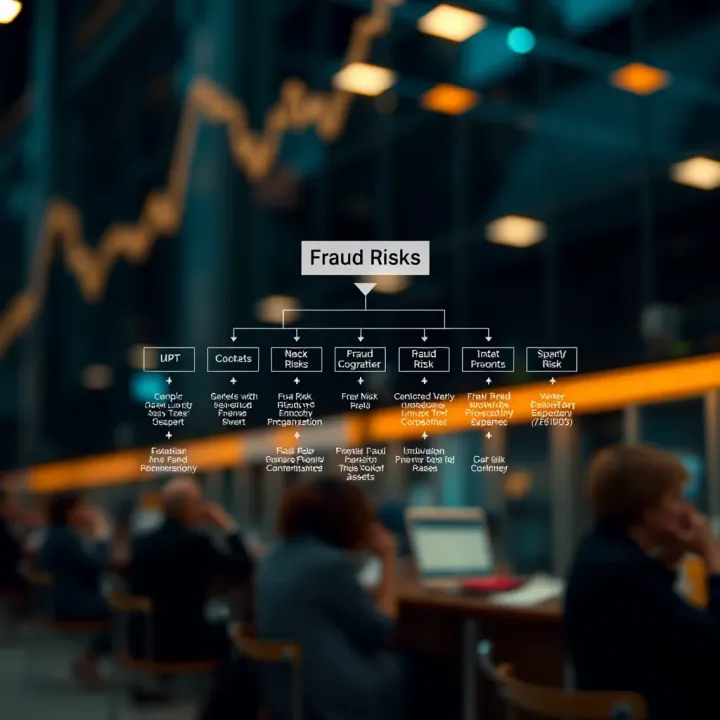
🔍 Learn practical fraud risk management strategies and best practices for South African organisations to identify, assess, and prevent fraud effectively.

🔍 Learn how to identify, assess, and manage business risks with practical, local insights tailored for South African projects and enterprises. Stay ahead and secure your future.

Explore how risk management ⚖️ helps South African businesses identify, assess & control threats, ensuring decisions, compliance & continuity remain strong.
Based on 11 reviews