

Understanding Risk Management: A Practical Guide
🔍 Learn how to identify, assess, and manage business risks with practical, local insights tailored for South African projects and enterprises. Stay ahead and secure your future.
Edited By
Isabella Hayes
A risk management degree teaches you how to identify and handle risks that businesses face daily. This goes beyond just finance—it spans industries like technology, healthcare, manufacturing, and retail. Whether you're analyzing market volatility as a trader or advising companies as a consultant, this degree offers practical tools to protect assets and minimize losses.

Several key areas form the backbone of a risk management degree:
Risk Assessment Techniques: Learn how to spot potential threats using data analysis and forecasting.
Financial Risk Management: Focuses on investment risks, credit risk, and market fluctuations.
Insurance and Legal Frameworks: Understand policies that mitigate risks and the regulations around them.
Operational Risk: Covers risks in daily business operations, such as supply chain disruptions.
Quantitative Methods: Uses statistics and modeling software to predict and assess risks.
People with this degree often land roles such as:
Risk Analyst — evaluating company vulnerabilities and proposing solutions.
Compliance Officer — ensuring firms follow laws to avoid legal penalties.
Investment Risk Manager — managing portfolios to balance returns against exposure.
Consultant — advising businesses on risk mitigation strategies tailored to their markets.
In our fast-changing economy, unexpected events like supply chain hiccups or cyberattacks can hammer companies hard. The Fed’s interest rate shifts and fluctuating commodity prices add layers of uncertainty investors and analysts must navigate daily. A risk management degree delivers the skills to spot early warning signs and react fast.
Professionals trained in risk management stand out because they don’t just react—they anticipate and prepare for potential setbacks.
Here’s what to watch for when picking a degree:
Check if the curriculum blends theory with real-world case studies.
Look for programs using current software tools, such as SAS or MATLAB.
Seek schools with strong connections to industries you want to work in.
Consider certificate options for specialized areas like cybersecurity risk.
The bottom line is that a risk management degree arms you with critical thinking and technical skills to deal with uncertainties in the business world effectively. This preparation makes your work more impactful whether you’re analyzing trends or advising clients on complex challenges.
A risk management degree dives into the foundation and practical tools needed to identify, assess, and tackle risks within organizations. This knowledge proves invaluable in fields like trading, investing, and consulting, where anticipating threats and opportunities can directly impact decision-making and financial outcomes.
Understanding types of risk is the starting point. Programs teach you to recognize a diverse range of risks: from market and credit risks in finance, to operational risks tied to process failures, and strategic risks which could threaten a company’s long-term goals. For example, a hedge fund analyst needs to distinguish between market risk (fluctuating stock prices) and liquidity risk (difficulty selling assets quickly). This ability to categorize risk helps professionals focus their analysis and prioritize mitigation efforts effectively.
Risk assessment and analysis methods cover how to measure and evaluate risk severity. Students learn quantitative approaches like Value at Risk (VaR) models or stress testing to simulate extreme market conditions. Beyond formulas, they explore qualitative methods such as scenario analysis or expert judgment to fill gaps where numbers fall short. A trader, for instance, can apply these skills to balance risk exposure and maximize returns, preparing for worst-case scenarios without unnecessary over-caution.
Risk control and mitigation strategies are about acting on your assessments. The curriculum includes tools to reduce or transfer risks, such as diversification in investment portfolios or purchasing insurance to cover operational hazards. It also highlights strategies like hedging with derivatives or setting risk limits for trading desks. Knowing when to accept risk versus avoid it forms part of practical decision-making, which companies rely on to protect assets and maintain steady performance.
Financial risk management courses drill down into managing monetary uncertainties. This involves studying credit risks from borrowers, market fluctuations, interest rate changes, and liquidity challenges. Learners gain hands-on experience using tools like futures contracts or options to hedge positions. An investor skilled in these concepts can better navigate volatile markets and safeguard portfolios against losses.
Enterprise risk management (ERM) expands scope to an organization-wide perspective, integrating risks across departments and projects. This holistic approach prepares you to align risk strategies with business goals, ensuring risks don’t slip through cracks between silos. For example, an insurance company’s ERM framework might combine actuarial risk, regulatory risks, and even reputational risks into a unified dashboard for executives.
Regulatory and compliance frameworks teach the complex patchwork of laws impacting risk management in finance and other sectors. Understanding requirements from agencies like the SEC or Federal Reserve helps you design systems that avoid penalties and audits. In trading, this knowledge prevents costly compliance breaches, while consultants rely on it to guide clients safely through regulatory landscapes.
Data analysis and decision-making tools are critical in today's data-driven environment. Degree programs introduce software and programming skills to analyze large datasets, run risk models, and support informed decisions. Proficiency in Excel, SQL databases, and platforms like R or Python enables risk professionals to uncover trends and test hypotheses quickly. For example, a compliance officer might use data analytics to detect unusual transaction patterns pointing to fraud or insider trading.
Understanding these critical areas equips graduates to handle the real-world demands of risk management roles across finance, consulting, and business operations. By mastering both theory and hands-on skills, you're ready to make smart, timely decisions that protect value and capitalize on opportunities.
Risk management has never been more relevant than it is right now. For traders, investors, analysts, brokers, and consultants, understanding the changing nature of risks is key to staying ahead. From the rise of cyber threats to the turbulence of global markets, having a solid grasp on risk management principles helps professionals protect investments and guide smarter decisions.
Technology is a double-edged sword in today’s business environment. Cybersecurity threats like ransomware attacks or data breaches can wipe out millions in seconds, especially in finance where sensitive information flows constantly. Consider a hedge fund losing client data due to a phishing attack—this not only hits the bottom line but damages trust irreparably. Knowing how to assess such technological risks and implement controls is vital.
Environmental risks aren’t just the concern of energy companies anymore. Climate change impacts supply chains, real estate investments, and insurance markets. For example, a real estate investment trust (REIT) might face significant losses if properties sit in areas prone to flooding due to rising sea levels. Risk management helps firms forecast these environmental hazards and adjust strategies to reduce exposure.
Market swings and economic shocks are part of the trading landscape, but their intensity has increased. The 2020 pandemic showed how quickly markets can tank, affecting portfolios worldwide. Traders and analysts need to grasp tools like value-at-risk models to quantify exposure during volatile times. Strategically balancing risk improves resilience against such unpredictable shifts.
Companies use risk management to safeguard what’s valuable—physical assets, intellectual property, and, importantly, their reputation. For instance, a brokerage firm caught in a regulatory scandal could lose client confidence overnight. Risk managers work preemptively to spot issues before they become crises, using everything from insurance policies to crisis communication plans.
Effective risk management feeds directly into better strategic planning. By anticipating potential obstacles, businesses can avoid costly mistakes or pivot their approach quickly. For example, an investment firm considering entering a new market will analyze political risks along with financial ones to ensure smart moves.
Regulatory demands in finance and related sectors are complex and ever-changing. Failure to comply can lead to fines, sanctions, or worse. Risk management teams monitor compliance requirements closely, ensuring companies meet SEC regulations, anti-money laundering laws, and other standards. This prevents costly legal troubles while maintaining operational integrity.
The bottom line is that modern risks are multi-dimensional, and businesses that understand how to manage them are better equipped to thrive in uncertain times. With proper risk management, you not only protect what's at stake but gain a strategic edge in a competitive market.
A risk management degree opens the door to a range of career opportunities in finance, insurance, consulting, and corporate sectors. Understanding these roles helps you map out your path and identify where your skills will be most valuable. Plus, knowing what to expect from job roles and advancement options prepares you for real-world challenges after graduation.
Risk analysts assess potential financial or operational threats within an organization. They're often found in banks, investment firms, and corporations where they evaluate credit risk, market risk, or operational vulnerabilities using data analysis tools. For example, a risk analyst at an investment firm might examine the volatility of stocks before advising on portfolio adjustments.
Insurance underwriters review insurance applications to determine coverage terms and pricing based on risk factors. They work for insurance companies, assessing individual or business risks such as property damage or liability exposure. Their decisions directly affect profitability and risk exposure of insurance portfolios, making their role critical for sustainable operations.
Compliance officers ensure companies follow laws, regulations, and internal policies. In highly regulated industries like banking or healthcare, they create control programs and perform audits to prevent violations. For example, a compliance officer at a bank would monitor anti-money laundering policies to satisfy federal regulations, protecting the institution from penalties.
Financial risk managers focus on identifying risks that could impact financial assets. They use quantitative models to predict losses, hedge risks, and optimize investments. Often employed by banks or hedge funds, they balance growth opportunities with risk control. A financial risk manager might implement strategies to mitigate exposure to fluctuating interest rates or currency risks.
Risk management consultants advise organizations on risk identification, assessment, and mitigation strategies. They often work for consulting firms or as independent contractors, providing expertise on topics like cybersecurity risk, regulatory compliance, or crisis management. Their role involves customizing solutions across industries, making adaptability and broad knowledge essential.
Earning certifications such as the Financial Risk Manager (FRM) or Certified Risk Manager (CRM) can greatly enhance your credibility and career prospects. These credentials demonstrate specialized knowledge and commitment to the profession, making you a more competitive candidate for advanced roles. Many employers require or prefer candidates with these certifications for senior positions.
With experience and proven expertise, risk management professionals often move into leadership roles such as Chief Risk Officer or Risk Director. These positions involve setting risk policies, overseeing risk teams, and advising executives on strategic decisions. Leadership roles demand strong communication skills and an ability to align risk practices with overall business goals.
Demand for risk management skills spans industries from finance and insurance to manufacturing and technology. As businesses face evolving regulatory and market environments, risk professionals remain in high demand. Forecasts show steady growth in risk-related roles, offering job security and opportunities to move between sectors depending on your interests and strengths.
The bottom line is, a risk management degree not only equips you with technical skills but also opens multiple career paths with solid growth potential.
Picking the right risk management degree program lays the foundation for your career success. With risk management evolving rapidly, your education needs to match industry demands closely. The right program not only teaches theoretical knowledge but also offers practical skills, networking opportunities, and credentials that employers value.
Bachelor's vs. Master's programs
A bachelor's degree in risk management is typically the entry point, providing broad exposure to fundamental concepts like risk assessment, financial risk, and compliance. It fits well if you're starting your career or shifting into risk management from another field. Take, for example, a bachelor's program at a university like Temple; it often combines classroom learning with internships, giving you hands-on experience.
On the other hand, a master's degree delves deeper into advanced topics such as enterprise risk strategies, crisis management, and quantitative methods. It’s suited for professionals aiming to climb into leadership or specialized roles. Programs like the University of South Carolina’s Master of Science in Enterprise Risk Management are designed to sharpen practical skills and strategic thinking, often blending theory with real-world case studies.
Online, in-person, and hybrid formats
Online programs offer flexibility, letting you study alongside work or other commitments. They’re especially useful if you’re balancing a job in finance or consulting while upskilling. Schools like Purdue University have reputable online risk management degrees with interactive tools and virtual networking.
In-person formats, meanwhile, provide face-to-face interaction, real-time discussions, and direct access to professors and industry events. This environment shines for those who learn best with immediate feedback or want to build strong local industry connections.
Hybrid programs blend the best of both worlds—combining online coursework with occasional in-person sessions. This suits professionals targeting hands-on experiences without giving up the convenience of online study.
Curriculum relevance and flexibility
Look for programs that constantly update their curriculum to reflect the latest risk challenges—from cybersecurity threats to regulatory changes. Flexibility matters too: ability to choose electives or specialize in areas like financial risk or compliance allows tailoring the degree to your career goals. Schools that offer certificate options alongside degrees add value by letting you demonstrate niche expertise.
Faculty expertise and industry connections
Experienced faculty with real industry backgrounds can bridge the gap between theory and practice. Programs with professors working or consulting in risk management bring current insights into the classroom. For example, a professor who’s acted as a risk consultant to Fortune 500 companies can offer practical lessons and insider tips.
Additionally, check whether the school fosters connections with companies in finance, insurance, or consulting sectors. These ties can be invaluable for mentorships, guest lectures, and job placements.
Internship and networking opportunities
Programs that integrate internships let you apply classroom knowledge to actual risk management tasks, boosting your résumé and skills. Companies like AIG, Marsh & McLennan, or Deloitte often collaborate with universities for internship placements.
Networking shouldn’t be overlooked either. Access to industry events, alumni groups, and career fairs helps you build relationships that could lead to your first job or future promotions. A vibrant alumni network also often means valuable referrals and advice.
Choosing a program that matches your personal goals, learning style, and career ambitions can make the difference between just having a degree and using it to open doors in risk management. Assess degree options critically—not just by name, but by what they actually offer you in terms of skills, connections, and real-world readiness.
Risk management isn’t just theory; it’s about applying practical skills to real business challenges. Gaining hands-on experience lets you understand how risks play out in the real world and how to manage them effectively. This section breaks down the key ways risk management programs prepare you for what’s next.
Case studies and simulations give students a chance to tackle risk scenarios that copy real business situations. For example, a simulation might put you in charge of managing a company’s response to a cybersecurity breach or a sudden market downturn. By walking through these exercises, you learn to assess threats, make quick decisions, and see the consequences in a controlled setting.
These practical exercises sharpen your critical thinking and decision-making skills, bridging the gap between textbook knowledge and what you'll face on the job. They show how risks are interconnected and the trade-offs involved in managing them.
Internships and cooperative education programs provide invaluable on-the-job experience, letting you work alongside professionals in risk management. Whether it's at a financial institution analyzing credit risks or in an insurance company evaluating policies, these placements help you apply classroom learning to actual business contexts.
During an internship, you might contribute to developing risk reports, assist with compliance audits, or learn to use risk software tools—all skills that boost your resume and confidence. Plus, networking with industry experts can open doors to future roles.
Developing risk prevention plans is more than writing procedures; it’s about crafting strategies to minimize potential losses before they happen. In practice, this means identifying weak spots, setting controls, and planning contingencies tailored to a company’s unique risks.
For instance, if you’re managing risks for a trading firm, prevention plans might include limits on exposure or protocols for sudden market shocks. This proactive approach keeps companies a step ahead of trouble.
Using software tools for risk analysis is essential in today’s data-driven world. Programs like Palisade @RISK or SAS Risk Management let you model complex scenarios, run simulations, and quantify potential losses with precision.
Learning these tools in a degree program means you can handle large datasets and generate insights quickly, which is critical for traders or analysts who need to make data-backed decisions under tight deadlines.
Communicating risk to stakeholders is often overlooked but vital. Whether you’re presenting to executives, clients, or team members, explaining risks clearly and persuasively ensures everyone understands the stakes and the responses.
Good communication involves breaking down complex data into understandable terms, using visuals like risk heat maps, and tailoring messages to different audiences. Mastering this skill builds trust and helps align decision-makers around risk strategies.
Bottom line: practical skills and real-world applications prepare you to operate confidently in fast-moving, high-stakes environments where risk management makes all the difference.
🔍 Learn how to identify, assess, and manage business risks with practical, local insights tailored for South African projects and enterprises. Stay ahead and secure your future.

Explore how risk management ⚖️ helps South African businesses identify, assess & control threats, ensuring decisions, compliance & continuity remain strong.
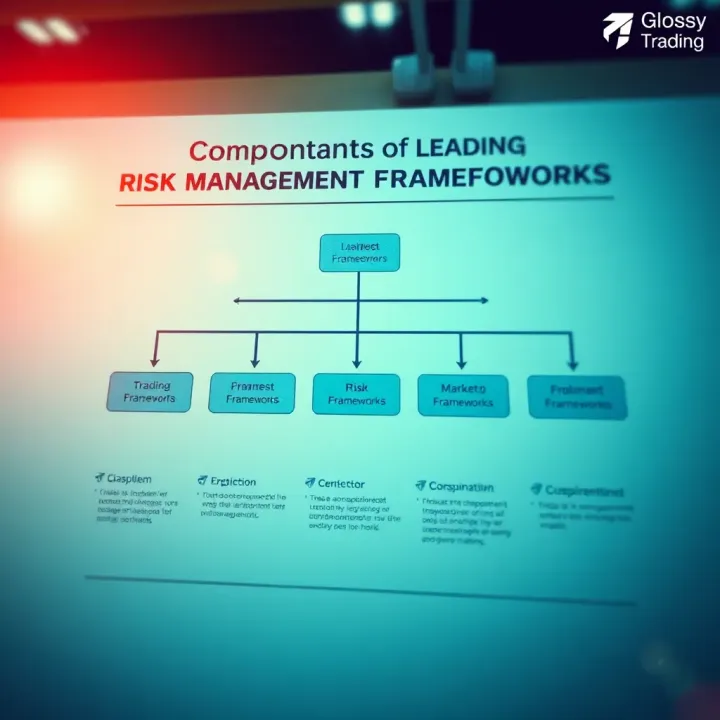
Explore key risk management frameworks 🛡️ to identify, assess & control risks in South Africa’s business environment. Practical tips for choosing the right approach.
Explore how South African businesses identify, evaluate & tackle risks with effective strategies for protecting assets and managing uncertainty effectively. 🔍⚖️
Based on 6 reviews