
Choosing the Best Forex Trading Platform in South Africa
Discover how to pick the best forex trading platform for South Africans 🇿🇦 by comparing costs, features, security, and regulation for safe, smart trading 📈💰.
Edited By
James W. Carter
Choosing the right forex trading platform in South Africa is more than just picking one with flashy features. It’s about finding a platform that matches your trading style, protects your money, and offers tools you can rely on day in and day out.
South Africa’s forex market has grown steadily, with many local and international brokers competing for attention. But not all platforms operate under the scrupulous eye of the Financial Sector Conduct Authority (FSCA). This makes regulation a key factor to watch. A well-regulated platform helps keep your investments safe and ensures fair trading practices.
Fees and charges play a significant role, too. Platforms may advertise low spreads or zero commissions, but watch out for hidden costs like withdrawal fees or overnight financing (swap rates). Carefully assessing fee structures can save serious Rand over time.
Ease of use is another biggie. A platform cluttered with too many bells and whistles might overwhelm beginners. On the other hand, experienced traders may find limited features restrictive. Look for a balance that suits you. Many South African traders appreciate platforms like MetaTrader 4 or 5 for this reason — they’re widely supported, with strong communities and plenty of tutorials.
Local customer support matters, especially if languages, time zones, or quick problem-solving are priorities. A broker with South African-based support can often help resolve issues faster, unlike international call centres with long delays.
Remember, no single platform fits everyone. Your choice should reflect how often you trade, what instruments you prefer (currencies, commodities, indices), and how much you intend to invest.
To recap, when sifting through forex trading platforms, focus on these essentials:
Regulation: Prefer FSCA-approved brokers to stay compliant and protected.
Fees: Understand spreads, commissions, and any extra costs.
Trading tools: Access to charts, indicators, and automation that matches your skills.
User experience: Intuitive design that won’t clog your workflow.
Local support: Availability of help in your time zone and preferred language.
With these points in mind, you’ll navigate South Africa’s forex scene without falling into common traps. Next, we’ll look closer at how individual platforms stack up against these benchmarks.
Understanding forex trading platforms is the first step for any trader wanting to participate confidently in the South African forex market. A platform is your gateway to buying and selling currencies; knowing its features and functions helps you make better decisions and manage your risks effectively.
A forex trading platform is software that allows you to trade currencies electronically. It displays real-time prices, offers various tools to analyse market trends, and executes your trades instantly. For instance, popular global platforms like MetaTrader 4 or 5 run on desktops and mobiles, helping you follow live price moves and place trades whenever it suits you. Even local brokers now provide platforms tailored to South African traders, factoring in relevant payment methods and local support.
Forex trading in South Africa operates within a unique environment shaped by local regulations, economic factors, and trading preferences. The Financial Sector Conduct Authority (FSCA) regulates brokers to protect traders, ensuring only authorised platforms operate here. South Africans often face challenges like load shedding, which can affect internet connectivity during critical trading moments; therefore, selecting a platform with reliable mobile apps and offline features matters. Moreover, many traders here favour platforms where you can deposit and withdraw funds via accessible channels such as instant EFT, supporting smooth transactions without unnecessary delays.
Getting comfortable with forex jargon can save you from costly mistakes. Consider these core terms:
Spread: The difference between the buy and sell price, usually measured in pips. Smaller spreads reduce trading costs.
Leverage: Using borrowed capital to increase your trading position. While tempting, high leverage raises risk.
Pips: The smallest price move in currency pairs, often four decimal places (0.0001).
Margin: The funds required to open a leveraged position.
For a South African trader, knowing these basics helps in comparing brokers' offers properly and avoiding common pitfalls. Remember, local tax rules mean you should also consider how trading profits are declared to SARS.
A solid grip on your trading platform and market terms is essential before you commit real money. This foundation protects you from common traps and boosts your confidence to trade effectively.
By understanding what forex platforms do and how they mesh with South African market conditions, you equip yourself with the insights needed to choose the right platform for your trading style and goals.
Regulation and safety are the backbone of trustworthy forex trading platforms, especially in South Africa's growing but sometimes under-regulated market. When choosing a forex platform, understanding the local regulatory environment and the safety measures in place can save traders from scams, hefty losses, and legal troubles. A well-regulated platform typically provides guarantees around fund security, transparency, and fair trading practices.

The Financial Sector Conduct Authority (FSCA) is South Africa's watchdog for financial markets, including forex trading platforms operating locally. Its job is to protect investors by ensuring platforms meet legal requirements concerning transparency, ethical conduct, and capital adequacy. When a platform is FSCA-licensed, it must comply with ongoing supervision, reporting standards, and adhere to strict codes of conduct.
For example, FSCA-regulated brokers have to keep client funds separate from their operational accounts. This segregation means that even if the broker faces financial trouble, your money should remain safe and accessible. The FSCA also investigates complaints and can impose penalties on platforms that flout the rules.
Not all forex platforms marketed to South Africans hold proper licences. Several overseas brokers attract local traders but operate without FSCA approval, exposing clients to higher risks. Always verify that your chosen platform appears on the FSCA's official registry before committing funds.
Additionally, some platforms carry licences from reputable foreign regulators like the UK's Financial Conduct Authority (FCA) or Australia's ASIC. While these add credibility, they don't replace the need for FSCA licensing if the platform targets South African users. A broker regulated domestically is better positioned to understand local legal nuances, tax implications, and customer protection laws.
Safeguarding your funds and personal data go hand in hand. Look for platforms offering strong encryption technology—commonly SSL certificates—to protect your login credentials and transaction details. Two-factor authentication (2FA) is another layer that can significantly reduce the risk of unauthorised access.
On the funds side, reputable brokers typically provide various secure deposit and withdrawal methods, including EFT, credit/debit cards, and recognised e-wallets like Neteller or Skrill. They also offer transparent withdrawal policies without unreasonable delays or catch clauses.
Remember, a legitimate forex platform will never pressure you into immediate deposits, nor promise unrealistic returns. These red flags often signal unlicensed operators.
When you combine these regulatory and safety checks, you stand a far better chance of trading confidently in the South African forex market. Don't cut corners—your capital and personal details deserve nothing less than proper protection.
Choosing a forex trading platform isn't just about picking a name you recognise. It boils down to understanding the features offered and the costs involved, both of which can have a big impact on your trading success and overall experience. In the South African context, where traders juggle volatility and the occasional power outage, these factors become even more critical.
The first thing to check is how much the platform will cost you per trade. Brokers often charge in different ways: through spreads, commissions, or both. Spreads are the difference between the buying and selling price. Some platforms advertise tight spreads — for instance, 0.5 pips on EUR/USD — but watch out for extra hidden fees.
Commissions can be a flat fee or a percentage of your trade size. For example, a broker might charge R50 per lot traded, which adds up fast if you trade often. Also, be aware of overnight fees if you hold positions past the trading day, as these can erode profits over time.
Don't overlook deposit and withdrawal charges too. Some platforms may charge fees or have limits on local payment methods like EFT or card payments, which matter a lot for South African traders looking for convenient access.
Good platforms come equipped with a range of tools to help you analyse the market and make informed decisions. Look for advanced charting features — zoom options, multiple timeframes, various indicators like RSI or Bollinger Bands, and the ability to customise layouts.
Platforms like MetaTrader 5 offer automated trading through Expert Advisors (EAs), which can be a game-changer if you prefer algorithmic strategies. On the other hand, some local platforms focus on simplicity but may lack depth in analysis tools.
Importantly, check if the platform supports backtesting — testing strategies against historical data — to refine your approach before risking real money.
Trading fast and comfortably means the interface must feel intuitive. A cluttered or slow platform increases the chance of mistakes, especially when markets move quickly. South African traders often prefer platforms that work well on both desktop and mobile devices, given the widespread use of smartphones.
Mobile apps should not just mirror the desktop experience but offer easy order placement, notifications on price movements, and clear dashboards. For example, IG Markets and XTB South Africa have mobile apps praised for their smooth layout and reliability.
Consider also the platform's stability; experiencing lag or disconnections can lead to missed opportunities or unwanted losses, particularly during peak trading hours.
When evaluating a forex platform, focus on both the visible costs and the technical tools it offers. Your choice can shape how effectively you trade and manage risk in the South African market.
Choosing the right forex trading platform in South Africa means weighing up the range of options available — including both global giants and local firms. Each platform comes with its own mix of tools, fees, and support tailored for South African traders. Understanding these differences helps you pick a platform that fits your style and budget.
MetaTrader 4 and 5 stand out as the most widely used platforms worldwide, and for good reason. MetaTrader 4 (MT4) remains popular for its simplicity, reliability, and wide availability of expert advisors (automated trading bots). Many South African traders first start here because it’s easy to use and supported by a variety of brokers. MetaTrader 5 (MT5) builds on MT4 with more advanced charting tools, an economic calendar, and extra asset classes. While MT5 is technically more versatile, MT4’s familiarity keeps it popular locally.
cTrader offers a slicker, more modern interface that appeals to traders who value user experience and detailed analytics. It’s known for excellent charting tools, level 2 pricing (showing market depth), and automated trading options through cAlgo. South African traders looking for transparent pricing and fast order execution often turn to cTrader, especially when trading with international brokers that support the platform.
IG Markets carries global credibility and provides a local South African presence, making it a solid choice for serious traders. Beyond forex, IG Markets offers access to shares, indices, commodities, and cryptocurrencies, all under one roof. Its strong regulation and reliable customer service help South African traders feel secure. The platform also features advanced charting and educational resources, ideal for those wanting to broaden their trading horizons.
XTB South Africa has established itself as a trusted local entry point into global forex markets. The broker offers the popular xStation platform, praised for its intuitive design and quick execution speeds. XTB is FSCA-regulated, and provides local client support and deposit options, including via standard South African payment methods like EFT and credit card. For traders wanting local service with international reach, XTB strikes a good balance.
HotForex SA caters well to beginner and professional traders with competitive spreads and a range of account types. Its integration of MetaTrader platforms ensures familiarity while benefiting from a broker that understands local conditions like currency volatility and loadshedding challenges. Plus, HotForex SA supports multiple local deposit methods, which simplifies funding your account.
ThinkMarkets South Africa combines a straightforward trading experience with strong regulation from FSCA and international bodies. Traders appreciate its no-requotes policy and robust platform options including ThinkTrader, a mobile-friendly app with detailed charting and risk management features. ThinkMarkets also offers access to global markets, a nice plus for traders based in South Africa wanting diversified exposure.
When comparing these platforms, consider:
Fees: Global platforms tend to have variable spreads and commissions depending on your account type. Locally based brokers may offer tighter spreads but sometimes higher fees depending on payment methods.
Trading Tools: MetaTrader platforms excel in automated trading, while platforms like cTrader and ThinkTrader offer richer charting and custom indicators.
Accessibility: Local brokers usually support South African deposits and withdrawals directly, avoiding currency conversion hassles.
Customer Support: Locally regulated brokers provide support within South African hours, often with Afrikaans and English options.
For South African traders, picking a platform isn’t just about the features but also about finding a firm that suits your funding options, comfort level, and the markets you wish to trade. Compare their offerings carefully before making your choice.
Choosing the right forex trading platform in South Africa hinges on a few practical factors that tailor the experience to your individual needs. Not all platforms fit every trader's style or goals, so understanding these factors can save you both time and money. From your trading goals and experience level to how well the platform supports local payment options, these considerations help you make an informed choice.
Start by clearly defining what you want to get from forex trading. Are you looking for long-term investment opportunities or do you prefer short-term, frequent trades? If you’re a beginner, a straightforward platform with easy-to-understand features and good educational resources is the way to go. For instance, someone just venturing into forex might prefer MetaTrader 4 for its simplicity and large community support. On the other hand, an experienced trader might need advanced charting tools and the option to automate trades, which cTrader or MetaTrader 5 provide. Knowing your level also helps avoid platforms with high minimum deposits or complex interfaces that could overwhelm you.
Before committing real money, try out demo accounts offered by most reputable platforms. These accounts simulate live trading without risking your cash and give you a feel for how the platform operates. For example, XTB South Africa allows demo trading with access to real-time South African Rand pairs, which helps you understand local market conditions. Take note of how intuitive the interface is, the accuracy of market data, and the responsiveness of order execution. Demo accounts are also perfect to test new trading strategies or tools without pressure, ensuring you won't hit the ground running unprepared.
A platform’s ability to provide local support can make a big difference, especially when you need assistance with account setup, withdrawals, or technical issues. Localised customer service in South Africa means quicker response times and staff who understand regional challenges such as loadshedding or banking restrictions. Pay attention to whether the platform accepts popular payment methods like EFT, Instant EFT, or major cards from South African banks like FNB and Capitec. Platforms restricting withdrawals to international wire transfers only often lead to delays and extra costs, so it’s wise to choose a broker that supports fast and affordable local transactions.
Picking the platform that matches your trading style, offers hands-on testing, and respects local payment needs can transform your forex experience from frustrating to rewarding.
By following these practical steps, you’ll avoid unnecessary headaches and position yourself to trade smarter, whether that’s on a global platform or a local broker serving South African traders.
Discover how to pick the best forex trading platform for South Africans 🇿🇦 by comparing costs, features, security, and regulation for safe, smart trading 📈💰.
Explore top free forex trading platforms for South African traders 🇿🇦. Learn to pick the right one, weigh pros and cons, and boost your trading without fees 💹.
📈 Explore the best forex trading apps for South Africans. Compare fees, security, features, and ease of use to trade confidently within local regulations and manage risks.
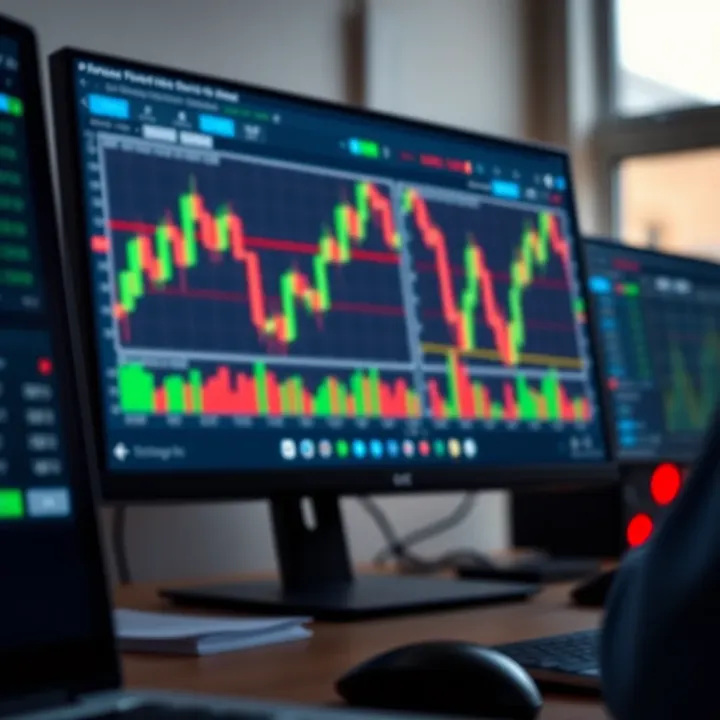
📊 Find the right forex trading software for South African traders! Compare costs, reliability & user-friendliness while keeping your trades secure. 💻
Based on 11 reviews