

Best Trading Apps in South Africa: A Simple Guide
Looking for the best trading app in South Africa? 📈 Compare fees, features, security, and ease of use to make smart investing choices confidently.
Edited By
Thomas Harding
Trading apps have become essential tools for South Africans keen to monitor markets, trade shares, or invest in cryptocurrencies conveniently from their mobiles. However, simply downloading any app without attention to security, features, and local relevance can lead to frustration or worse, financial loss.
To avoid these pitfalls, it's smart to understand the basics of downloading and using a trading app safely and efficiently. This includes picking a trustworthy app suitable for the South African market, ensuring your device and connection are secure, and learning the key steps to set up and start trading without hitches.
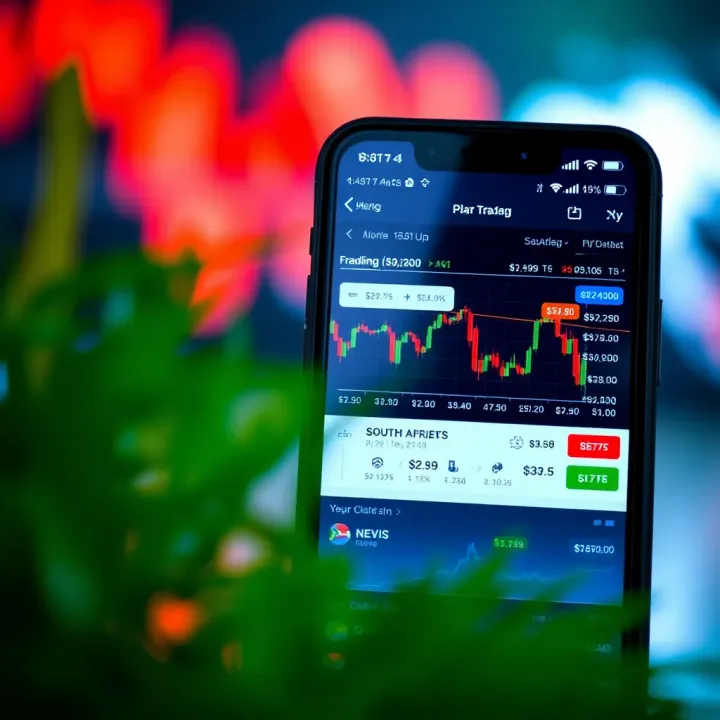
Only download trading apps from official sources like the Apple App Store or Google Play Store to reduce the risk of malware or scams.
Before you hit ‘download’, check the app’s reviews and ratings. Pay special attention to commentary from South African users, as their experiences often reflect local service quality, regulatory compliance, and customer support.
Consider apps offered by established financial institutions such as FNB, Standard Bank, or independent platforms like EasyEquities and Trading212. These apps typically integrate with local payment systems and abide by South African financial regulations, providing peace of mind.
Once downloaded, setting up your account is vital. Have your South African ID handy for identity verification, since platforms comply with FICA (Financial Intelligence Centre Act) and require documentation.
Your next step is securing your app. Enable two-factor authentication (2FA) where possible and avoid using public Wi-Fi for transactions. SMEs and individual traders alike should be cautious about security, particularly as phishing attempts and malicious apps are rising concerns.
Lastly, familiarise yourself with the app’s navigation and trading tools before committing any capital. Many apps offer simulation modes or educational content tailored to the South African investor’s needs.
This approach ensures you make informed choices about your investments and use trading apps confidently and securely on your mobile device.
Picking the right trading app makes all the difference when stepping into the world of trading. Your choice affects how easily you can execute trades, track markets, and manage risks. Whether you’re a seasoned trader or just starting out, the app you choose needs to fit your goals, trading style, and the specific markets you want to access.
Stock trading apps focus on buying and selling shares of companies listed on stock exchanges like the JSE (Johannesburg Stock Exchange). These apps usually offer features such as real-time price updates, company news, and detailed charts. If you prefer investing in local or international stocks, an app like EasyEquities can make the whole process straightforward. For example, you can buy fractional shares, so you don’t need large sums upfront to invest in pricey stocks like Naspers or Aspen.
Forex and CFD trading platforms allow users to trade currencies or contracts for difference (CFDs), which derive value from underlying assets like indices, commodities, or shares. Forex trading apps suit users keen on short-term speculation due to the high volatility and leverage involved. For instance, a platform like IG South Africa offers access to global currency pairs and CFDs, but it demands a solid understanding of market risks. These apps tend to offer advanced tools such as margin management and risk controls, which are essential to keep losses in check.
Cryptocurrency apps cater to those interested in digital assets such as Bitcoin, Ethereum, or Ripple. These platforms provide wallets, market analysis, and instant buy/sell options. Crypto trading has gained traction in South Africa, but the market remains volatile and less regulated than traditional assets. Apps such as Luno help local users buy crypto safely and even support rand deposits and withdrawals. Just remember, crypto prices can swing sharply, which means you should use these apps with cautious investment strategies.
Regulation and licencing by South African authorities are essential checkpoints before committing to any trading app. The Financial Sector Conduct Authority (FSCA) regulates authorised financial service providers. An app licensed by the FSCA or owned by a regulated broker offers peace of mind that your funds and personal information are protected under South African law. Avoid apps with sketchy backgrounds or those operating without clear licences.
User interface and ease of use determine your trading efficiency. A cluttered or complicated app can slow you down, especially in fast-moving markets. Look for apps with intuitive navigation, clear charts, and seamless order placements. For example, EasyEquities is known for a clean design and easy registration process, which appeals to beginners and casual investors.
Transaction fees and charges can quietly erode your profits. These include commission per trade, withdrawal fees, or monthly account charges. Some apps offer low commission but compensate through wider spreads or inactivity fees. It pays to compare fees across popular local apps and see how they add up, particularly if you plan frequent trading.
Available tools and features can enhance or limit your trading experience. Features such as real-time quotes, technical indicators, educational resources, and portfolio tracking provide more control and insight. For instance, an app offering price alerts or integrated news feeds keeps you in the loop without jumping between multiple platforms. Assess which tools matter most to your trading approach and ensure the app supports them.
Choosing wisely at this stage helps save frustration later and can even protect your capital. Think of the trading app as your daily working tool—make sure it fits your rhythm and needs before committing your hard-earned Rands.

In summary, weigh your options practically by considering the type of assets you want to trade, ensure regulation compliance, check the ease of use, be clear on fees, and value the tools that support your trading style. This foundation sets you up for steady progress in your trading journey.
Downloading a trading app is the first step towards engaging with the markets, but doing it safely is critical to protect your personal data and investments. South African traders often face scams or fake apps that disguise themselves as legitimate platforms to steal information or money. By following safe downloading practices, you minimise these risks and ensure you are dealing with regulated, trustworthy providers.
Google Play Store vs Apple App Store
Both Google Play Store (for Android users) and Apple App Store offer large selections of trading apps. While each has its own vetting process, Apple generally enforces stricter controls on apps before approval, which may reduce the chance of scam apps slipping through. However, both stores occasionally host fraudulent apps, so downloading from these official sources doesn't guarantee 100% safety.
Choosing to download an app from outside these official stores introduces even greater risks, especially on Android devices where sideloading is possible. These unverified apps can carry malware or spyware. Stick to the official stores to reduce exposure to cyber threats.
Checking App Authenticity to Avoid Scams
Before downloading, check the developer details, user ratings, and reviews. Confirm if the app is officially linked to the broker or financial institution. For example, EasyEquities and Sasfin Securities clearly state their official app details on their websites and are verified on the stores.
Be wary of apps with few reviews or those promising unrealistic returns. The description should be clear and professional; poorly written content or excessive permissions requests can be red flags. Also, check when the app was last updated — regular updates signal ongoing support and security patches.
Understanding App Permissions
Trading apps require certain permissions, such as access to the internet, notifications, and sometimes storage to cache data. However, permissions for contacts, SMS, or location might not be necessary and could indicate privacy risks.
Always review permissions during installation. If an app asks for excessive permissions irrelevant to trading functions, this should raise concern. For instance, a trading app shouldn't need access to your SMS messages or camera unless it includes document scanning features for verification.
Using Mobile Security Apps for Added Protection
Installing a reputable mobile security app on your phone can add a safety layer. These apps scan for malware, monitor suspicious activity, and can warn you if you attempt to download a malicious app.
Popular security apps like Avast, Kaspersky, or Lookout have South African users and support local threats. Combined with cautious downloading, this reduces the risk of compromise. Keep your mobile operating system updated regularly to patch vulnerabilities exploited by cybercriminals.
Always approach trading app downloads with a sharp eye – securing your device and verifying authenticity saves hassle and keeps your investments safe.
By focusing on these key steps, South African users can safely install trading apps, ensuring better peace of mind while participating in financial markets on their mobiles.
Picking the right trading app matters a lot for South African users because it affects everything from fees to user experience. Whether you're dipping your toes into trading or a seasoned pro, knowing which apps have local support, fair fees, and relevant features can save you time and stress. Let’s look at some popular apps available locally and internationally that fit different trading styles.
EasyEquities
EasyEquities is a go-to for many South African investors, especially beginners. It allows you to buy shares in local and US companies with relatively low fees and without needing a big upfront investment. Since EasyEquities handles fractional shares, you can invest small amounts, making it accessible even if you’re just starting out. Plus, the interface is straightforward, so you won’t get lost in complex jargon. For South Africans who want a simple way to build wealth without blowing the budget on brokerage fees, this app ticks a lot of boxes.
Sasfin Securities app
Sasfin Securities targets investors who prefer a more traditional brokerage backed by a strong local bank. It’s regulated by the Financial Sector Conduct Authority (FSCA), ensuring compliance with South African laws. The app provides access to the JSE and allows for diverse options like unit trusts and offshore investing. While the trading fees are slightly higher than EasyEquities, the personalised service and additional tools might appeal to traders who want a bit more guidance or are dealing with larger portfolios.
IG South Africa
IG South Africa specialises in leveraged products like CFDs (Contracts for Difference) and forex trading. It’s popular for its robust charting tools and variety of markets. The app suits traders who want advanced capabilities, including short selling and hedging, which you won’t typically find on simpler platforms. IG’s global presence means you get stability and access to international markets, but this also means higher risk, so it suits those comfortable with rapid market moves and knowledgeable about leveraged products.
Plus500
Plus500 offers a user-friendly experience focusing on CFDs across shares, indices, forex, and cryptocurrencies. It’s known for zero commissions but makes revenue through spreads – something to keep an eye on, especially if you’re trading often. South Africans use Plus500 for its clean interface and quick signup, but remember that CFD trading comes with risks, and you might want to be cautious if you’re a newbie.
Trading fees and commissions
Fees can seriously affect your returns over time, so picking an app with transparent, reasonable fees is key. EasyEquities charges a flat fee per trade, which is usually lower than traditional brokers. Sasfin's fees tend to be higher due to personalised services. CFD platforms like IG and Plus500 often advertise zero commissions but compensate with spreads and overnight funding fees. So, watch the fine print and calculate what’s best for your trading frequency and style.
Ease of deposits and withdrawals
Fast and safe money transfers make life easier. EasyEquities and Sasfin typically support common South African payment methods like EFT (Electronic Funds Transfer). Plus500 and IG might require bank cards or online payment solutions for deposits and withdrawals. Some users report delays during busy periods or when withdrawing large sums, so it’s worth checking each app’s process before committing.
Mobile user experience
The user interface can make or break your trading experience on the go. EasyEquities and Plus500 both have apps designed to be intuitive with clear navigation – perfect for monitoring your portfolio while commuting or during a braai catch-up. IG’s app packs more features, which may overwhelm beginners but is a plus for experienced traders who want depth. Sasfin’s app sits somewhere in the middle, providing useful tools without going overboard.
Choosing a trading app isn’t just about the flashiest features – it’s about what fits your style, your wallet, and your patience for learning. Taking some time to compare these options based on trading fees, deposit ease, and app usability will pay off in smoother trading and better peace of mind.
Getting started with your trading app properly lays the foundation for a smooth and secure trading experience. This stage involves verifying your identity and funding your account, both of which are essential to comply with South African regulations and to protect your investments. Skipping or rushing these steps can lead to delays or security risks, so it pays to get things right from the outset.
South African trading platforms require identity verification in line with the Financial Intelligence Centre Act (FICA) and the Regulation of Interception of Communications and Provision of Communication-related Information Act (RICA). This means you’ll need to submit a few key documents, typically a certified copy of your South African ID or passport, proof of residential address (like a utility bill or bank statement not older than three months), and sometimes a proof of income. These requirements aren’t just bureaucratic red tape—they help curb fraud and money laundering in the trading ecosystem.
Setting up two-factor authentication (2FA) adds a vital layer of security to your trading account, beyond just a username and password. Usually, this involves linking your account to a mobile number or an authentication app such as Google Authenticator, which sends a one-time code when you log in. This step helps prevent unauthorised access, especially if your password is compromised. For instance, EasyEquities and other local apps support 2FA, recognising how serious South African users are about securing their investments.
Choosing a payment method comes down to convenience, security, and cost. Many South African trading apps support deposits via EFT (Electronic Funds Transfer), debit or credit cards, and sometimes even instant EFT through services like Ozow. EFT is generally reliable and secure, though it may take a day or two to clear. Card payments can be quicker but might attract higher fees. Always confirm with your chosen app which methods are accepted and what costs you might face.
Managing costs and exchange rates is particularly important if you’re dealing with international markets or platforms priced in foreign currency, like IG South Africa or Plus500. Try to deposit in Rand wherever possible to avoid double currency conversion fees. Also, keep an eye on the prevailing ZAR/USD or ZAR/EUR exchange rates through sources like the South African Reserve Bank or your bank’s forex rates. Small differences can add up, especially when making larger trades.
Safely setting up your trading account and funding it with care allows you to focus on the market rather than worrying about security or unexpected costs. Investing a bit of effort now pays dividends in confidence and peace of mind later.
Trading apps offer great convenience, but knowing how to use them properly can save you from costly mistakes. Keeping an eye on your investments and handling security with care are essential steps to protect your money and make informed decisions.
Setting price alerts is a handy feature built into many South African trading apps like EasyEquities and IG. Instead of constantly staring at your screen, you can set a target price for shares, forex pairs, or cryptocurrencies. The app then notifies you when that price is hit. Picture this: you want to buy Sasol shares but only if the price drops below R300. By setting an alert, you get notified immediately when that happens, avoiding missed opportunities or stressful last-minute trades.
Tracking your portfolio’s overall performance is another key part of trading apps. These platforms allow you to watch how your investments grow or shrink in real time. You can quickly see which stocks or assets are giving good returns and which ones might need attention or even selling off. For instance, if your portfolio includes a mix of Capitec, Naspers, and some bitcoin, watching each asset’s performance helps you balance risk and decide whether to add more or take profits.
Recognising phishing attempts is vital. Fraudsters often send fake emails or messages pretending to be from your trading app or bank, asking for your login details or personal information. If you receive any suspicious communication saying your account is at risk or you need to confirm details urgently, stop and verify directly through the app or official website. Never click links or download attachments in unexpected messages.
Regularly updating your passwords and keeping the trading app up to date are simple but effective ways to maintain security. Changing passwords every few months reduces the chance of someone guessing or obtaining your credentials. Meanwhile, app updates usually fix security flaws — ignoring them leaves your account exposed. Make it a habit to update apps promptly on your mobile. Using unique, strong passwords and enabling two-factor authentication where possible are part of this security best practice.
Staying vigilant both by monitoring your investments and protecting your account ensures safer trading on mobile apps in South Africa, especially given the increasing digital risks.
By applying these tips, you can trade confidently knowing your assets and account are better safeguarded, and your investment decisions are backed by timely information.
Looking for the best trading app in South Africa? 📈 Compare fees, features, security, and ease of use to make smart investing choices confidently.

🔍 Find the best cryptocurrency trading app for South Africa! Compare fees, security features & top platforms to trade crypto confidently in our local market.
📈 Explore the best forex trading apps for South Africans. Compare fees, security, features, and ease of use to trade confidently within local regulations and manage risks.
Explore South Africa’s top stock trading apps 📈 Understand fees, regulations, and features to choose one that matches your style and financial goals with ease.
Based on 7 reviews