

How to Get Free Money for Binary Options Trading in South Africa
Discover legit ways to access free money for binary options trading in South Africa 🇿🇦 Learn how to use bonuses wisely and avoid common traps 💡📈
Edited By
George Whitfield
If you've lost money in binary options, know you're not alone but also not powerless. Recovering funds in this space is challenging, mostly because binary options often operate in legal gray zones or through shady platforms.
Understanding the risk is key. Not all losses come from scams; some result from misjudging the market or risky trading strategies. Still, scams and fraudulent brokers remain widespread, making the recovery path tricky.

Many binary options platforms lack proper regulation, which complicates efforts to get your money back.
Here’s what sets the stage for recovery efforts:
Unregulated Brokers: Many binary options sites aren’t licensed by US financial authorities like the SEC or CFTC. This lack of oversight means fewer protections and harder legal recourse.
Disappearing Platforms: Scam sites often vanish once complaints pile up, taking your money with them.
Complex Payment Chains: Some platforms use multiple intermediaries or offshore accounts, muddying money trails.
Legal Constraints: U.S. laws treat binary options differently depending on the platform’s registration and location. This makes it essential to know where your broker is officially licensed.
Psychological Pressure: Many victims feel guilty or hesitant to report losses, which delays action.
To improve your chances, start by gathering all records of transactions, communications, and platform details. This forms the backbone of any complaint or legal step.
Confirm your broker’s regulatory status through official sites like the SEC or CFTC.
Report suspicious brokers to government enforcement bodies immediately.
Consider talking to firms specializing in binary options recovery - but vet them carefully to avoid additional scams.
Keep realistic expectations — recovery can be slow or partial.
Knowing these realities upfront helps manage your response and avoid making matters worse. The bottom line is, recovering lost binary options money takes focus, patience, and the right information.
Binary options trading is often seen as a quick way to make money, but understanding its risks is key before diving in. These financial instruments work on simple "yes" or "no" propositions—will an asset, like stock or currency, rise above a certain price within a limited time? If you're right, you earn a fixed payout; if not, you lose your initial investment. For instance, imagine betting $100 that Apple shares will be above $150 in one hour—if Apple's price is even a cent below $150, you lose that $100 instantly.
Despite the straightforward setup, many traders get caught in the trap because of misleading promises or lack of experience. A common cause of loss is underestimating how market volatility and timing affect outcomes. Unlike traditional trading where you own an asset, binary options pay a fixed amount regardless of how far the asset moves against you, which means one wrong call wipes out the entire stake. Plus, fees and spreads often work against the trader silently.
Fraudulent platforms add another layer of risk by manipulating withdrawal requests or feeding false data. This makes recovery tough since proof of mismanagement or fraud becomes harder to pin down, especially when these services operate from overseas with little regulation. Even legitimate brokers have complex terms that favor the house, making it challenging to get money back once lost.
Bottom line: binary options trading carries serious risks not just from market factors but also from industry practices. Learning how this trading works and why losses happen prepares you to spot trouble early and approach recovery attempts with realistic expectations.
Understanding these basics equips you to navigate the challenges ahead. Knowing the mechanics behind binary options clarifies why immediate payouts come at a cost and highlights why recovering lost money often involves hurdles beyond mere trading missteps.
Binary options trading has drawn plenty of interest, but the reality is it is plagued by scams and shady platforms. Spotting fraud early can save you from serious financial headaches and protect your investments. Since scammers often mimic legitimate brokers, understanding the warning signs and verifying broker credentials is more than just advisable—it’s necessary.
Untrustworthy platforms usually show a handful of red flags that you can't ignore. For example, they might promise guaranteed returns or use high-pressure sales tactics, pushing you to deposit more money quickly. If a site lets you withdraw funds only after a series of complicated hoops or delays your payouts repeatedly, it’s a definite warning. Also, look out for platforms with poor or no customer support and suspiciously flashy websites that overpromise with little substance.
Sometimes, these platforms throw around big-name endorsements or fake testimonials to appear credible. A clear warning is if they ask for large upfront deposits or offer bonuses that seem too good to be true, since they often come with hidden terms to trap your funds.
Before you hand over any cash, always verify whether the binary options broker is licensed by a recognized financial regulator. In the U.S., that means checking registrations with the Commodity Futures Trading Commission (CFTC) or the Securities and Exchange Commission (SEC). Legitimate brokers will openly show their licensing details, including registration numbers, which you can cross-verify on official regulator websites.
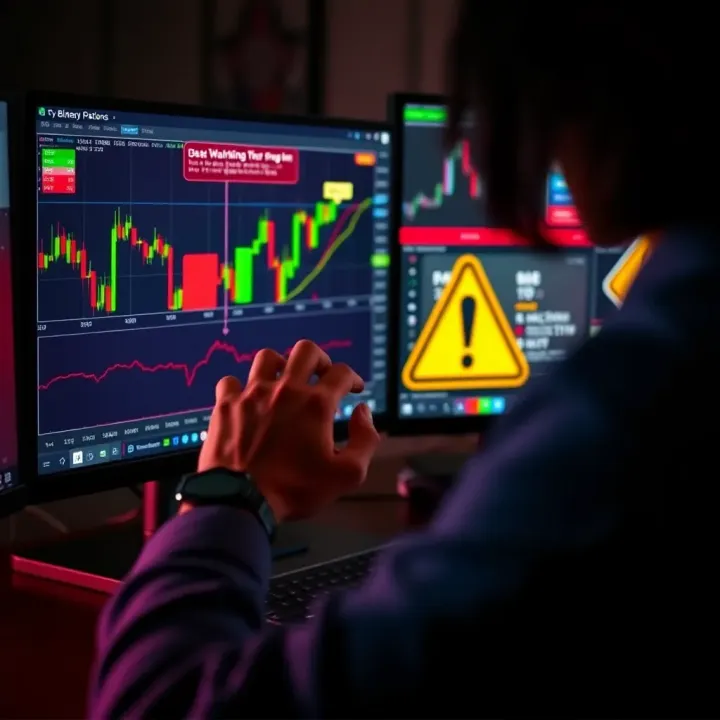
Not all countries regulate binary options the same way, so don’t just trust a site because it claims to be regulated somewhere. For instance, some offshore platforms might claim a license from small, less reputable jurisdictions that provide little to no real investor protection.
If you suspect fraud, act promptly. First, gather all records—transaction history, communications with the broker, screenshots, and any statements. Documenting these details helps if legal or regulatory proceedings follow.
Next, report the platform to your local financial regulatory body. In the U.S., the CFTC and SEC handle such complaints, and they can investigate or issue warnings. Additionally, notify the Internet Crime Complaint Center (IC3) to potentially halt scammers operating online.
While waiting for official responses, be cautious about paying recovery services who guarantee results. Many fraudulent recovery firms prey on distressed victims, so stick only with reputable specialists verified by better business bureaus or consumer protection agencies.
Taking a proactive approach by spotting early warning signs, verifying licenses, and promptly reporting suspicious activity can be the difference between catching a scam before it drains your wallet and struggling to recover lost money later.
Overall, safety in binary options trading starts by knowing what to watch for and how to act quickly. This groundwork can protect you not only from loss but from sinking time and energy into chasing after funds from fraudulent platforms.
Recovering money lost in binary options often involves navigating legal channels. While the process can be complex, understanding your rights and options under the law is critical to increasing your chances of getting some or all of your funds back. Legal avenues provide a structured way to challenge fraudulent brokers or unfair losses through recognized institutions and courts.
One of the first steps is filing complaints with financial regulators overseeing trading activities. Agencies like the U.S. Securities and Exchange Commission (SEC), Commodity Futures Trading Commission (CFTC), or state securities departments handle complaints related to investment fraud, including binary options scams. Reporting your situation to the appropriate regulator can trigger investigations, fines, or orders against offending brokers.
For example, the SEC has pursued cases against unlicensed binary options platforms that intentionally misled investors. While regulators don’t recover money directly for investors, their actions can lead to freezing assets and improving your odds at restitution.
If the regulator route doesn’t yield results, turning to the court system becomes an option. Suing the binary options firm or individual brokers for fraud, breach of contract, or deceptive trade practices lets you demand compensation through legal judgment.
This route requires proof—contracts, communications, and transaction records—to build a case. Small claims courts can handle lower-value disputes relatively quickly. For larger sums, federal or state courts offer more formal processes but with greater complexity.
Consider the example of a trader who lost $50,000 to a fraudulent broker. Filing suit in civil court helped uncover the broker’s hidden assets and led to a court order for reimbursement. This process took months but eventually helped recover a significant portion.
Legal action isn’t always straightforward or cheap. Filing lawsuits involves court fees, attorney costs, and time commitments. Plus, successful claims might require locating the responsible party who can sometimes be offshore or hide behind shell companies.
Aside from financial costs, there’s a risk that even winning a case doesn’t guarantee full recovery if the defendant lacks funds. Sometimes, prolonged litigation leads to settlements that only cover part of the loss.
The bottom line is that while legal avenues offer a real path to recoup funds lost in binary options, they demand patience, resources, and thorough documentation. Always weigh whether the potential recovery justifies the effort and expense.
Knowing these legal options arms you with realistic expectations and practical next steps to pursue when you face losses due to questionable binary options trading.
When binary options trading results in losses, working with recovery experts can sometimes offer a lifeline. These professionals specialize in helping victims reclaim funds lost through scams or unfair practices. Their knowledge about the industry, legal processes, and typical fraud patterns can make them a valuable ally.
Recovery specialists handle the complex and often frustrating task of tracing and retrieving lost funds. They typically start by assessing your case details, scrutinizing transaction histories, and identifying the methods scammers used. Then, they pursue various channels—like contacting brokers, filing disputes, or negotiating settlements—to recover your money. For instance, if you've transferred money to a shady broker, a recovery expert might leverage industry contacts or coordinate with payment processors to reverse transactions.
Most specialists work on a contingency basis, meaning they only get paid if you recover money. This setup aligns their goals with yours, but be wary that legitimate experts usually have clear, written agreements about fees and timelines before starting.
Not every recovery service is above board. To separate trustworthy professionals from fraudsters, check for these signs:
Transparent Credentials: Legitimate firms provide clear contact information, physical addresses, and verifiable references.
No Upfront Fees Without Agreement: Avoid services demanding large upfront payments without a written contract.
Positive Track Record: Look for client testimonials or industry recognition. Be skeptical if all reviews seem overly generic or excessively positive.
Professional Demeanor: Real experts communicate clearly, outline realistic expectations, and don’t promise guaranteed results.
For example, a credible recovery agency might offer a detailed case evaluation and explain potential outcomes without hype, while a sketchy operation might pressure you to commit immediately.
Hiring recovery specialists carries risks you should consider:
Scam Recovery Scams: Some agents exploit victims further by charging high fees without delivering results.
Privacy and Data Security: Sharing sensitive banking or personal information with unreliable agents can lead to identity theft.
False Promises and Delays: Be cautious of exaggerated claims to recover 100% of your money or timelines that seem too good to be true.
The bottom line is, while recovery experts can provide valuable help, always research thoroughly and stay vigilant to avoid falling into another scam.
In short, work with reputable recovery professionals who are upfront about fees and risks. Ask plenty of questions and don't rush your decision. Their expertise can boost your chances of reclaiming lost funds, but only if you team up with the right people.
Protecting your money after experiencing losses in binary options is about more than just recovering what’s gone—it’s about making sure you don’t end up right back in the same spot. The reality is, without careful steps, it’s easy to fall into similar traps or take unnecessary risks again. That’s why preventing further losses matters just as much as trying to get your money back.
Doing your homework before placing another trade can save you headaches and money. Start by thoroughly investigating the broker—check for legitimate licenses from recognized regulators like the SEC or CFTC. For example, if a platform promises outrageous returns without clarifying the risks or showing regulatory compliance, it’s a glaring red flag. Also, ask for user reviews from trustworthy sources rather than just relying on testimonials plastered on the site.
Never rush in; confirm who you’re dealing with and understand the terms clearly. It’s smart to start with small amounts to test how smooth the withdrawal process is, as some scammers make it impossible to take your money out. Look out for vague or hidden fees, and remember that consistent, realistic results, not flashy promises, are a better indicator of a platform's reliability.
Binary options carry a high risk, so exploring other investments might be a safer bet. Consider index funds like the S&P 500, which offer diversification and tend to be less volatile over the long run. Bonds or high-yield savings accounts may not deliver fast gains but provide steadier growth and lower risk.
For instance, putting $1,000 into an S&P 500 index fund could see average annual returns close to 7%, while binary options can swing wildly between total loss and unpredictable payouts. If you’re eager to trade, shifting toward forex with a regulated broker or purchasing fractional shares through platforms like Robinhood can offer better control and transparency without the all-or-nothing gamble.
Understanding investments thoroughly reduces mistakes. Several free and paid resources can boost your financial knowledge quickly. Websites like Investopedia or courses on platforms such as Coursera or Khan Academy cover the basics of investing, risk management, and how markets operate.
It helps to learn how emotions impact investing choices, why diversification matters, and what the typical signs of scams look like. Joining local investment clubs or online forums can provide real-world perspectives and keep you updated on market trends. Educating yourself builds confidence, so your decisions are informed, not impulsive—key to preventing future losses.
"The bottom line is, protecting your investments isn't just about avoiding scams; it's about making smart, informed choices that match your financial goals and risk tolerance."
Stay curious, cautious, and keep learning—your money will thank you.
Discover legit ways to access free money for binary options trading in South Africa 🇿🇦 Learn how to use bonuses wisely and avoid common traps 💡📈

📈 Explore effective strategies for binary options trading, including risk management, technical tools, and local market tips to boost your South African trading success.

⚠️ Binary options trading may offer quick wins but comes with high risk, weak regulation, fraud risks, and can hurt your finances and peace of mind. Stay informed!

📈 Learn how to trade binary options safely with tips on risks, platforms, money management & strategies tailored for South African traders ready to start strong.
Based on 5 reviews