

Best Crypto Trading Apps in South Africa
🔍 Find the best cryptocurrency trading app for South Africa! Compare fees, security features & top platforms to trade crypto confidently in our local market.
Edited By
Isabella P. Clarke
Choosing the right crypto trading app can feel like finding a needle in a haystack, especially with so many options flooding the South African market. What makes an app truly stand out here is not just slick graphics but the ability to trade Rand (ZAR) directly, strong security measures, and a clear fee structure.
South African traders need apps that understand our unique challenges — from navigating Eskom loadshedding impacts on connectivity, to complying with local regulations like the Financial Sector Conduct Authority (FSCA) oversight. Security isn’t just a buzzword; it’s essential to protect your capital and personal data, especially given the rise in cyber fraud targeting local users.
Another key consideration is how much the app charges per trade or for currency conversions, which can quietly eat into profits if you’re not careful. Transparent, reasonable fees make a big difference to your bottom line.
Usability matters just as much. An app that lets you place orders quickly, view live price charts, and access real-time news feeds in a simple interface can help you stay ahead without a headache. Many South Africans prefer mobile-friendly platforms, given our on-the-go lifestyles and data cost sensitivities.
When selecting a crypto app, always check if it supports instant deposits and withdrawals in Rand — delays or poor local bank integrations can cost you opportunities and cause frustration.
Whether you’re trading Bitcoin, Ethereum, or local tokens, the app should allow you to move your funds easily between your bank and the trading wallet. Look out for apps aligned with South Africa’s RICA (Regulation of Interception of Communications and Provision of Communication-related Information Act) and POPIA (Protection of Personal Information Act), ensuring your transactions and private information meet legal standards.
In this article, we will unpack the must-have features, local regulatory details, cost considerations, and user experience factors to help you make an informed choice for safe and efficient crypto trading in Mzansi. Let’s get right into it.
Choosing the right crypto trading app means balancing ease of use, available trading options, and compatibility with your devices. South African traders, who often juggle these apps amidst loadshedding interruptions and varying data costs, especially need apps that work efficiently and reliably.
A crypto trading app should feel intuitive from the get-go. If an app throws you into a maze of confusing menus or cluttered screens, you’ll waste time hunting for basic functions like buying Bitcoin or checking your Rand balance. Imagine a Johannesburg-based investor waking up to sudden price swings — the last thing they want is to fumble their trades because the interface isn’t straightforward.
Look for clean layouts with clear buttons, straightforward charts, and quick access to your portfolio. Some apps, like Luno or VALR, stand out with simple dashboards designed for both newbies and seasoned traders. The ability to customise views or save favourite coins also makes daily trading less of a headache.
South African users should check that the app supports a comprehensive range of cryptocurrencies, not just Bitcoin or Ethereum. Many traders diversify into smaller altcoins like Chainlink or Polkadot, so your platform must list those. Beyond spot trading, some apps offer futures, margin trading, or staking options — but beware of the risks these carry.
For practical purposes, consider how deep the liquidity is on the platform. Platforms with thin order books might have wider spreads, making trades costlier. This matters for markets like the Rand-crypto pairs, which are less liquid than USD markets.
Most traders check prices, execute trades, or monitor alerts on their mobiles. The app has to run smoothly on both Android and iOS devices without crashing or draining your battery in minutes.
South Africans on prepaid data appreciate apps that use minimal bandwidth; efficient coding here isn’t just a luxury. Look for apps that quickly load charts and update prices in real-time, even on slower mobile networks. Apps like Binance and Luno perform well in this regard, handling the spotty connection reality common in parts of Gauteng and rural provinces.
When picking a crypto trading app, consider how the platform's features and performance align with your trading habits and the practical realities of living in South Africa. A slick interface, broad crypto selection, and reliable mobile experience make all the difference.
Taking these elements into account will guide you to an app that truly fits your needs, whether you’re a beginner just dipping a toe or a trader managing multiple altcoin positions every day.
Security is the backbone of crypto trading, especially in South Africa where cybercrime and fraud remain concerns for investors. Understanding the security measures and risk management strategies adopted by crypto trading apps can protect your assets—and peace of mind. It’s essential not just to trust the app but to know what safeguards it offers and how it manages risks.
One of the first lines of defence in crypto trading apps is account protection, with two-factor authentication (2FA) as a must-have. Relying on just a password is risky; 2FA adds an extra step—usually a code sent to your cellphone or generated by an authenticator app like Google Authenticator. This makes it harder for someone else to log in, even if they’ve got your password.
For example, some South African platforms like VALR and Luno require 2FA for withdrawals, not just login, which adds an additional layer to thwart unauthorised access. Without this, hackers can easily drain your wallet if your credentials leak.
Most seasoned traders look at how apps store cryptocurrencies. Cold storage means keeping crypto assets offline, away from the internet, reducing exposure to hacking. Top-tier exchanges often keep 90-95% of client funds in cold storage.
Some platforms in South Africa also carry insurance policies that offer cover for potential losses from hacking or theft. While this doesn’t guarantee you’ll recover every cent, it cushions the blow and shows the app has taken extra steps to manage risk. Be wary of apps that don’t clearly state their storage methods or lack transparency about insurance.
Fraud detection goes beyond tech—apps should actively monitor transactions to flag suspicious activity, like unusually large trades or login attempts from foreign IPs. Look out for apps that alert you promptly or freeze accounts when potential fraud occurs.
Privacy safeguards are also vital in South Africa, given strict data protection laws under POPIA (Protection of Personal Information Act). A reliable trading app should clearly explain how your data is used and guard it against third-party sharing without consent.
Security isn’t just a feature—it’s a necessity. South African investors should prioritise apps with strong authentication, robust custody solutions, and clear fraud prevention to keep their investments safe.
Understanding these elements puts you in control of your crypto journey, helping avoid costly mistakes and giving you confidence to navigate the market securely.
Understanding the fees and costs tied to crypto trading apps is vital for any South African investor serious about managing their returns effectively. These charges can eat into profits quietly if you're not careful. From upfront transaction fees to hidden spreads, knowing what you might pay can help you pick a platform that matches your trading style and budget.
Transaction fees usually come into play when you buy or sell cryptocurrencies. For example, a platform like Luno might charge around 0.25% per trade, while others like Binance may have lower fees but apply additional charges for specific services. Withdrawal fees, on the other hand, are charged when you move your crypto or Rand from the app to an external wallet or bank account. These can vary widely — some platforms impose flat-rate fees, others a percentage, and occasionally, withdrawal might be free once a minimum limit is reached. In practical terms, if you regularly withdraw small amounts, these costs can add up faster than you expect.
Hidden costs usually refer to the spread, the difference between the buying price and selling price of a cryptocurrency on the platform. For instance, if Bitcoin is trading at R500,000 on the market but the app offers to sell at R510,000 and buy back at R490,000, that spread (about 2%) effectively becomes a trading cost. These spreads fluctuate with market volatility and differ by app. A tight spread is generally what you want, especially if you’re trading frequently or in smaller volumes.
Another sneaky cost comes from inactivity fees or charges for depositing with certain payment methods. If the app charges you for simply holding your balance or deposits via credit card attract extra fees, that’s worth tallying up before you commit.
Fee structures differ a fair deal between local and international platforms. Local apps like VALR and Luno often excel in ease of depositing Rand and aligning with South African banking standards but might charge slightly higher transaction fees. Meanwhile, international platforms like Binance or Kraken offer a wider array of cryptocurrencies and advanced trading features but can complicate Rand deposits and add bank transfer fees.
Taking a practical example, if you trade R10,000 monthly and withdraw twice, a platform charging 0.25% per transaction plus R50 withdrawal fee means you pay around R100 in trading fees and R100 in withdrawal costs monthly. Compare that to an app with a 0.1% fee and free withdrawals, the savings add up fast over time.
Always check the full fee schedule and factor in both explicit fees and spread differences. In crypto trading, small costs multiply, so a clear grasp of these figures helps you trade smarter, keeping more Rand in your pocket.
In sum, it's not just the headline fee percentages to watch but also those subtle charges, withdrawal expenses, and spreads that make the difference between a decent trading experience and an expensive one. Carefully comparing these across platforms will ensure you pick an app that suits your trading habits and financial goals in South Africa’s unique market environment.
Understanding the local regulatory environment is essential when choosing a crypto trading app in South Africa. Regulations impact how apps operate, what features they offer, and how compliant users must be to trade safely and legally. Navigating this landscape helps you avoid potential legal pitfalls and ensures your investments are safeguarded under South African law.
South Africa treats cryptocurrencies as assets rather than legal tender, which means they are subject to existing financial rules rather than having a separate regulatory framework. The South African Reserve Bank (SARB) oversees general policy on cryptocurrencies, emphasising consumer protection and risk reduction. The Financial Sector Conduct Authority (FSCA) also monitors crypto trading activities, focusing on preventing market abuse and maintaining financial stability. For instance, exchanges must register as financial service providers when applicable.
The lack of dedicated crypto legislation means apps often follow existing financial laws and guidelines to stay on the right side of regulators. Local users should check that the app they choose discloses its compliance status and updates users on any regulatory changes.
Compliance with South African laws is non-negotiable. Trading apps must verify users' identities under the Regulation of Interception of Communications and Provision of Communication-Related Information Act (RICA) and the Financial Intelligence Centre Act (FICA). This involves collecting and verifying documents like ID books or passports to curb illicit activities such as money laundering.
Meanwhile, the Protection of Personal Information Act (POPIA) requires apps to manage user data carefully. Users should expect clear privacy policies explaining how their information is stored and shared, and how phishing or hacking risks are managed. Practical compliance manifests in two-factor authentication prompts, encrypted data storage, and regular security updates.
South African Revenue Service (SARS) treats cryptocurrency gains as taxable income or capital gains, depending on how and how often you trade. Regular traders usually pay income tax on profits, while casual sellers report capital gains. SARS requires detailed record-keeping of all trades, including dates, amounts in Rand, and counterparties.
Using a crypto trading app registered and compliant locally can simplify tax reporting. Some platforms provide transaction summaries to help with SARS returns, but ultimately, the responsibility lies with you. As an example, forgetting to declare gains from a big Bitcoin sale may result in audits or penalties. It’s wise to consult a tax professional familiar with SARS crypto guidelines to avoid headaches later.
Trading without understanding South African regulations can cost you dearly, not just in money but in trust and peace of mind.
Navigating local regulations and compliance is key to selecting a crypto trading app that fits your needs safely and legally in South Africa. Always check how apps approach verified identities, data protection, and tax support before committing your funds.
Choosing a crypto trading app isn't just about picking the flashiest name on the market; it’s about finding a platform that fits your specific trading habits and needs as a South African user. Popular apps come with tested features, local relevance, and community trust – all factors that can make your trading smoother and safer.
When sizing up the top apps, consider how well each one balances functionality against ease of use. For example, Luno stands out locally by offering Rand wallet support, which means you can deposit, withdraw, and trade in ZAR without the hassle of constant currency conversions. Its simple interface appeals to beginners, but it also provides enough charting tools and real-time pricing for more experienced traders.
On the other hand, international platforms like Binance or Coinbase bring in-depth features and a wider range of cryptocurrencies. They offer advanced order types, futures trading, and staking options but may feel overwhelming for someone just starting. The user experience can differ greatly depending on whether the app adapts seamlessly to both mobile and desktop environments, which is crucial when you’re on the move or dealing with frequent Eskom loadshedding interruptions.
Using a local platform means quicker deposits and withdrawals in Rand and better compliance with South African regulations, including requirements under the Financial Intelligence Centre Act (FICA). This can reduce delays when you want to move funds, avoiding foreign exchange fees and international banking hold-ups. Local apps usually offer customer support attuned to South African market quirks, such as typical bank structures or local holiday schedules.
Conversely, international platforms often host a wider variety of altcoins and provide cutting-edge tools. They might allow you to participate in global trends faster, though sometimes at the cost of slower payment processing or higher fees when converting to Rand. Security standards and regulatory adherence also vary across borders, so it’s wise to check each platform’s standing and reputation closely.
Strong customer support can make or break your trading experience. Local platforms like VALR or Luno often provide quicker response times and support in South African business hours, which can be vital if you need urgent help. Look for features such as live chat, phone support, or active social media accounts.
Listening to community feedback reveals practical insights beyond marketing hype. Forums, user reviews, and social media can point out glitches like app crashes during peak trading hours or hidden fees you might otherwise overlook. Also, check how platforms handle complaints — a responsive, transparent approach often signals trustworthiness.
Choosing a crypto trading app with a solid local presence and reliable user support can save you headaches down the line, especially given the unique challenges South African traders face, from regulatory shifts to infrastructure hiccups.
In summary, balancing the convenience of local services against the breadth of international offerings helps you make an informed decision. Keep your trading style, security needs, and Rand-centric operations in mind while selecting the app that suits you best.
🔍 Find the best cryptocurrency trading app for South Africa! Compare fees, security features & top platforms to trade crypto confidently in our local market.
Looking for the best trading app in South Africa? 📈 Compare fees, features, security, and ease of use to make smart investing choices confidently.
📈 Explore the best forex trading apps for South Africans. Compare fees, security, features, and ease of use to trade confidently within local regulations and manage risks.
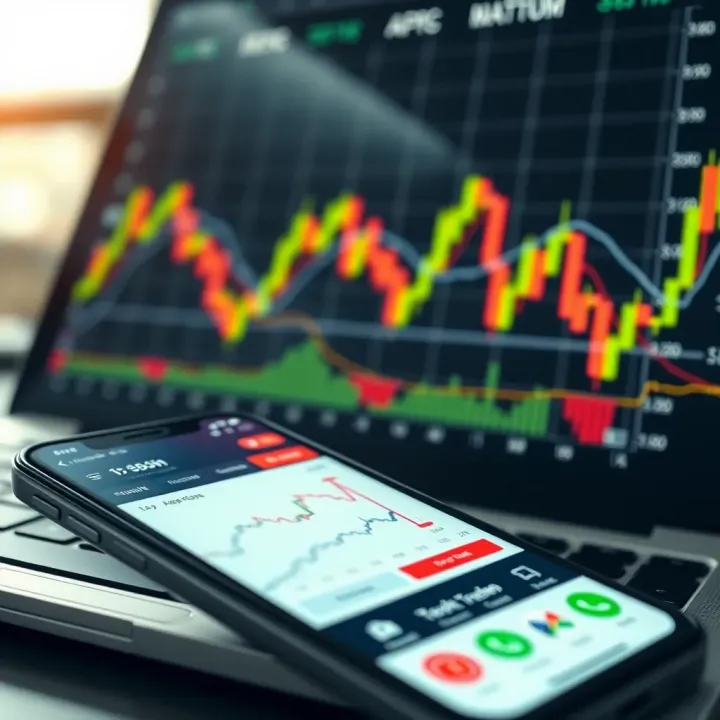
Explore South Africa’s top stock trading apps 📈 Understand fees, regulations, and features to choose one that matches your style and financial goals with ease.
Based on 12 reviews